Old Maps of Pacoima Neighborhood Council, Los Angeles
Explore 45 old maps of Pacoima Neighborhood Council, spanning from 1894 to today. These high-resolution historic maps reveal how streets, neighborhoods, landmarks, and natural features evolved over time — perfect for genealogy, metal detecting, research, and local history exploration.
What you can do with these maps:
- See how Pacoima Neighborhood Council changed over time: Compare historical maps to modern-day views to trace roads, homesites, rail lines & more.
- View detailed metadata: Each map includes creators, publishers, year, scale, and archive source.
- Overlay maps with satellite & LiDAR: Visualize the past alongside modern tools to explore terrain & human change.
- Trusted historical sources: Maps sourced from the USGS, Library of Congress, and other archives.
- Access maps your way: View online, download high-res files, or order prints for personal or research use.
Start exploring old maps of Pacoima Neighborhood Council to uncover forgotten places, hidden landmarks, and the deep history beneath your feet.
Pacoima Neighborhood Council, Los Angeles maps
(45)- 1894 Map of Los Angeles
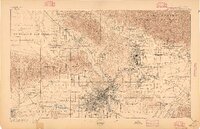 1894 Los Angeles1894 Print · USGSLos Angeles was a growing rail hub at the end of the nineteenth century, balancing its agricultural heritage with new mountain resorts. Researchers can trace early neighborhoods like Boyle Heights, find the National Soldiers Home, or follow the Mt. Lowe Hotel incline.
 - 1896 Map of Santa Monica
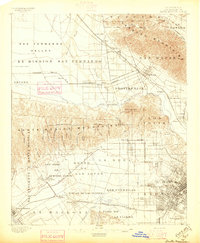 1896 Santa Monica1896 Print · USGSBefore the film industry arrived, this area was a patchwork of Spanish ranchos and emerging rail towns during the late nineteenth century. You can trace early landmarks like the National Soldiers Home, the fledgling streets of Hollywood, and the sprawling Ex Mission San Fernando boundary.
 - 1898 Map of Santa Monica
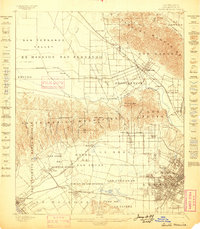 1898 Santa Monica1898 Print · USGSCoastal Los Angeles and the San Fernando Valley appear here in the 1890s, when Spanish ranchos still defined the land alongside emerging rail towns. Researchers can trace the early streets of Hollywood, the rail junction at Burbank, and the grounds of the National Soldiers Home.
 - 1900 Map of Los Angeles
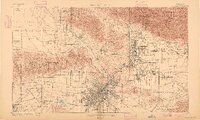 1900 Los Angeles1900 Print · USGSGreater Los Angeles was a mosaic of expansive ranchos and emerging rail towns at the turn of the century. You can trace the early footprints of Hollywood, locate the historic Soldiers Home, and follow the mountain rails to the Echo Mountain Mt. Lowe Hotel.4 unique versions available
 - 1900 Map of Fernando
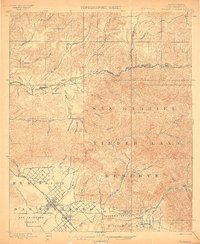 1900 Fernando1900 Print · USGSThe San Fernando Valley and San Gabriel mountains appear here in the final years of the nineteenth century, showing the early town site of Fernando and the San Fernando Mission. Genealogists and historians can trace the Southern Pacific RR through Soledad Canyon or locate early settlements like Lang and Honby.6 unique versions available
 - 1901 Map of Southern California Sheet No. 1
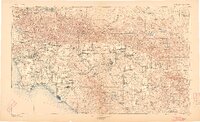 1901 Southern California Sheet No. 11901 Print · USGSGreater Los Angeles at the dawn of the twentieth century is a landscape of growing citrus towns and a burgeoning rail network. Genealogists and historians can trace the early gridded streets of Hollywood and Pasadena or locate landmarks like Bear Lake and the Cahuilla Indian Reservation.6 unique versions available
 - 1902 Map of Santa Monica
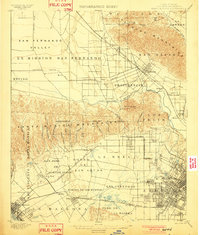 1902 Santa Monica1902 Print · USGSThe Los Angeles basin is shown here just as the old rancho boundaries began to give way to early suburban developments like Hollywood and Santa Monica. Genealogists and historians can trace the early rail networks, the grounds of the Soldiers Home, and vanished place names like Sherman and Tropico.4 unique versions available
 - 1904 Map of Southern California Sheet No. 1, 1905 Print
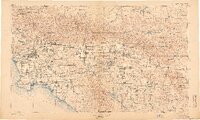 1904 Southern California Sheet No. 11905 Print · USGSSouthern California at the dawn of the twentieth century shows a landscape of citrus groves and coastal towns connected by rail. Genealogists and historians can trace early settlements like San Juan Capistrano, find remote sites like the Rose Mine, and study the original water systems of the Santa Ana River.2 unique versions available
 - 1920 Map of Santa Monica
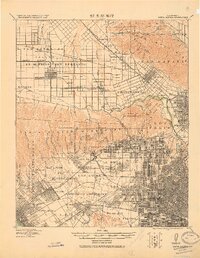 1920 Santa Monica1920 Print · USGSThe Los Angeles basin and San Fernando Valley are captured here just after the war as agriculture gives way to early suburban sprawl. Genealogists and historians can trace the early grids of Beverly Hills, Sawtelle, and Van Nuys alongside the sprawling Salt Lake Oil Fields.
 - 1921 Map of Santa Monica
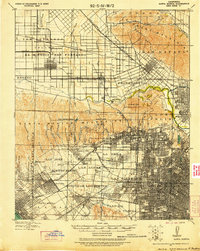 1921 Santa Monica1921 Print · USGSLos Angeles and the San Fernando Valley are captured here just as the suburban boom began to accelerate. Genealogists and researchers can trace the rail-connected origins of Lankershim, Universal City, and the Salt Lake Oil Fields.3 unique versions available
 - 1926 Map of Sunland
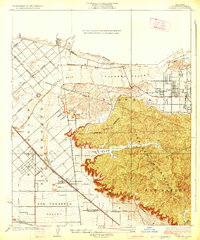 1926 Sunland1926 Print · USGSThe northern San Fernando Valley and Tujunga foothills appear here in the mid-twenties, just as early transit and utility lines began shaping the basin. Trace the original tracks of the Southern Pacific San Fernando Line and early settlements like Sunland and Roscoe.2 unique versions available
 - 1927 Map of Pacoima
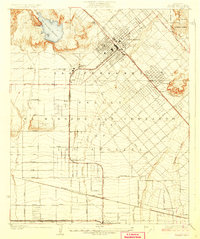 1927 Pacoima1927 Print · USGSThe northern San Fernando Valley is seen here during the mid-1920s as early citrus groves and ranch lands began giving way to a modern street grid. Researchers can trace the layout of early communities like Mission Acres and Pacoima or locate the historic grounds of the San Fernando Mission.4 unique versions available
 - 1932 Map of Sunland
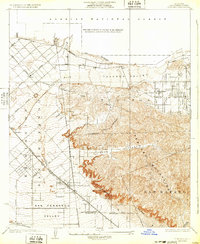 1932 Sunland1932 Print · USGSThe San Fernando Valley and the Verdugo Mountains appear here during the early 1930s, showing a landscape of open washes and emerging street grids. Genealogists can trace early residences near Sunland or follow the rail stops at Roscoe and Hewitt.
 - 1933 Map of Sunland
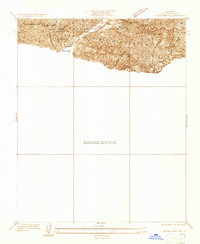 1933 Sunland1933 Print · USGSThe San Gabriel Mountains and Angeles National Forest are captured in the early 1930s before the sprawl of Los Angeles reached these canyons. Genealogists and hikers can trace old property marks like Herreras Ranch and remote sites such as El Merrie Del or Selby Oaks.
 - 1940 Map of San Fernando, 1955 Print
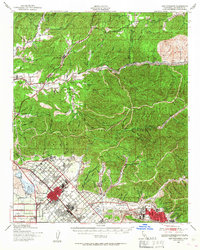 1940 San Fernando1955 Print · USGSThe northern Los Angeles basin is shown here just before the postwar housing boom, as the valley floor transitioned from rural estates to suburban centers. Genealogists can trace family footprints near the San Fernando Mission or follow the rail lines through Solemint and Sylmar.2 unique versions available
 - 1942 Map of Sunland
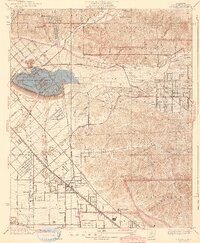 1942 Sunland1942 Print · USGSThe northeastern San Fernando Valley is captured here just as the aviation industry was transforming the landscape during the early 1940s. Genealogists and local historians can trace early neighborhood footprints in Roscoe and Sunland, or locate landmarks like Adams Airport and the Hansen Flood Control Basin.3 unique versions available
 - 1945 Map of San Fernando
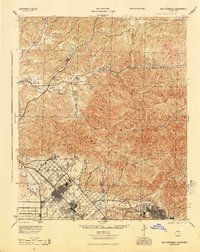 1945 San Fernando1945 Print · USGSThe northern reaches of Los Angeles County appear in the mid-1940s, just as suburban growth began to meet the steep canyon walls. Researchers can trace the path of the Southern Pacific through the mountain passes or locate landmarks like the San Fernando Mission and Sunland.
 - 1949 Map of Los Angeles
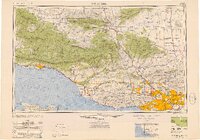 1949 Los Angeles1949 Print · USGSSouthern California and the South Coast appear at the onset of the post-war boom, from the Channel Islands to the Mojave Desert. Trace early aviation sites like Lockheed Air Terminal and mining history at the Redrock Quicksilver Mine and Redrover Mine.2 unique versions available
 - 1953 Map of San Fernando, 1954 Print
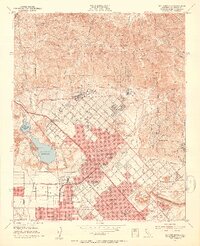 1953 San Fernando1954 Print · USGSThe San Fernando Valley meets the mountains in the early fifties during a period of rapid suburban and industrial expansion. Genealogists and local historians can trace the San Fernando Mission, find the Whiteman Air Park, and locate long-standing medical institutions like the Olive View Sanatorium.3 unique versions available
 - 1953 Map of Sunland, 1954 Print
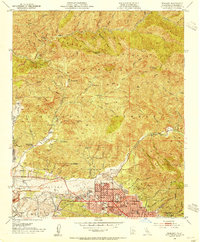 1953 Sunland1954 Print · USGSThe Tujunga Valley and southern San Gabriel foothills are captured in the early 1950s, showing a mix of suburban growth and mountain ranching. Researchers can trace old family holdings like Dillon Ranch, local schools such as Plainview Ave School, and the industrial remains of the Mining Mill (Ruins).2 unique versions available
 - 1953 Map of Van Nuys, 1955 Print
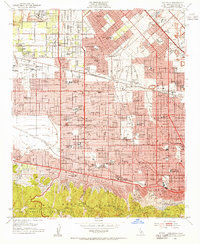 1953 Van Nuys1955 Print · USGSThe San Fernando Valley enters its boom years in the early fifties, showing the transition from agricultural land to iconic suburban neighborhoods. Trace the early footprints of REPUBLIC STUDIO, the LOCKHEED AIR TERMINAL, and neighborhood landmarks like WAR MEMORIAL PARK.2 unique versions available
 - 1955 Map of Los Angeles
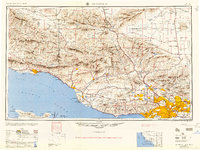 1955 Los Angeles1955 Print · USGSThe mid-century transformation of Southern California comes into focus as the urban sprawl of Los Angeles meets the wilderness of the Santa Monica Mountains. Researchers can trace the development of post-war suburbs alongside historic landmarks like the Santa Barbara Lighthouse and early industrial sites such as the Good Luck Mine.
 - 1959 Map of Los Angeles
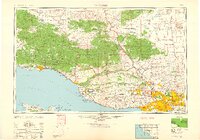 1959 Los Angeles1959 Print · USGSCoastal California and the high desert met in a period of booming growth after the war. Researchers can trace early aviation and military history at the Point Mugu Air Missile Test Ctr or locate desert mining sites like the Double Eagle Mine.3 unique versions available
 - 1966 Map of Los Angeles
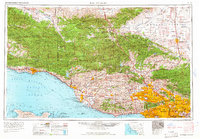 1966 Los Angeles1966 Print · USGSSouthern California underwent a mid-century transformation as suburban grids reached the base of the San Gabriel Mountains. Researchers can trace the path of the Los Angeles Aqueduct or locate defense landmarks like Edwards Air Force Base.
 - 1966 Map of Sunland, 1967 Print
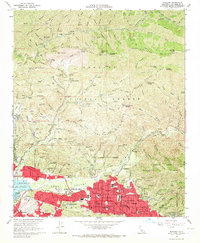 1966 Sunland1967 Print · USGSThe foothills of the Verdugo Hills and the San Gabriel Mountains meet during the suburban expansion of the mid-sixties. Researchers can trace the development of Sunland and Tujunga, locating historic sites like the Lakeview Terrace Sanitarium, Hansen Dam, and the Angeles Gun Club.3 unique versions available
Showing maps 1-25 of 45
Frequently asked questions
- What are the different types of historical maps available for Pacoima Neighborhood Council?
- What is the oldest map of Pacoima Neighborhood Council?
- Where can I purchase historical maps of Pacoima Neighborhood Council for my home or office?
- Where can I download high-res historical maps of Pacoima Neighborhood Council?
- Are there historical topographic maps available for Pacoima Neighborhood Council?
- Is there historical aerial imagery available for Pacoima Neighborhood Council?
- Where are historical maps of Pacoima Neighborhood Council sourced from?