Old Maps of Deer, New Mexico
Explore 13 old maps of Deer, spanning from 1917 to today. These high-resolution historic maps reveal how streets, neighborhoods, landmarks, and natural features evolved over time — perfect for genealogy, metal detecting, research, and local history exploration.
What you can do with these maps:
- See how Deer changed over time: Compare historical maps to modern-day views to trace roads, homesites, rail lines & more.
- View detailed metadata: Each map includes creators, publishers, year, scale, and archive source.
- Overlay maps with satellite & LiDAR: Visualize the past alongside modern tools to explore terrain & human change.
- Trusted historical sources: Maps sourced from the USGS, Library of Congress, and other archives.
- Access maps your way: View online, download high-res files, or order prints for personal or research use.
Start exploring old maps of Deer to uncover forgotten places, hidden landmarks, and the deep history beneath your feet.
Deer, NM maps
(13)- 1917 Map of Antelope Wells, 1970 Print
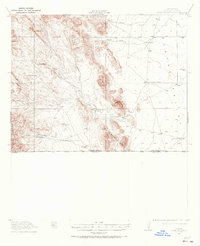 1917 Antelope Wells1970 Print · USGSThe New Mexico and Mexico border region comes alive in this 1917 survey of ranching outposts and mountain passes. Researchers can trace family-named sites like Culberson's Ranch and Lynch Ranch, alongside vital desert water sources including Antelope Wells.2 unique versions available
 - 1919 Map of Antelope Wells
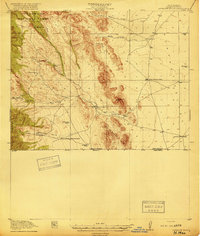 1919 Antelope Wells1919 Print · USGSThe New Mexico borderlands come into focus at the end of the Great War, showing a landscape of remote cattle ranches and vital desert water sources. Researchers can trace historic family-named sites like Culbersons Ranch and W.H.Sims Ranch or follow the old Packers Trail.2 unique versions available
 - 1955 Map of Douglas
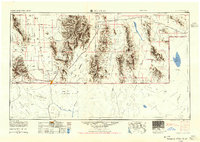 1955 Douglas1955 Print · USGSThe Arizona and New Mexico borderlands come into focus in the mid-1950s, highlighting the mining and ranching hubs of the Desert Southwest. Genealogists and historians can trace the foundations of Bisbee, the operations at Hachita Mine, and rural landmarks like the Double Adobe School.2 unique versions available
 - 1959 Map of Douglas, 1968 Print
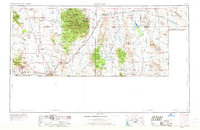 1959 Douglas1968 Print · USGSSoutheast Arizona and southwest New Mexico meet at the border in the late fifties, showcasing a high-desert landscape defined by industrial copper mining and ranching. Genealogists and historians can trace the foundations of Bisbee, locate the Lavender Pit, and follow the Southern Pacific line through Douglas.4 unique versions available
 - 1961 Map of Douglas
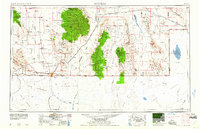 1961 Douglas1961 Print · USGSThe Arizona-Mexico borderlands come into focus at mid-century, detailing the vital mining and ranching hubs of Cochise County and southwest New Mexico. Genealogists and historians can trace the Southern Pacific Railroad through Bisbee and Douglas, or locate early sites like the Old Hachita Mine and Rucker School.
 - 1964 Map of Douglas
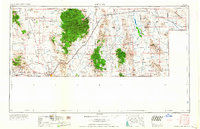 1964 Douglas1964 Print · USGSThe Arizona-New Mexico borderlands in the early sixties reveal a landscape of deep-rooted copper mining and high-desert ranching. Genealogists and researchers can trace the legacy of settlements like Pirtleville, the industrial site of the Copper Smelter, and remnants of the Cochise Mines.
 - 1982 Map of San Luis Pass
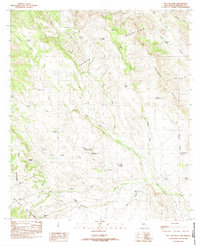 1982 San Luis Pass1982 Print · USGSHidalgo County's remote borderlands are captured here in the early eighties, where the Continental Divide separates high mountain ranges. Researchers can trace historic access points like San Luis Pass and locate ranching landmarks such as Big Geronimo Tank and Smith Tank.
 - 1983 Map of Alamo Hueco Mountains
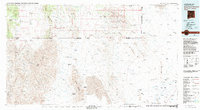 1983 Alamo Hueco Mountains1983 Print · USGSThe New Mexico-Mexico borderlands in the early eighties reveal a landscape of remote ranching outposts and rugged mountain ranges. Researchers can trace the path of the Continental Divide and locate isolated settlements like Fitzpatricks, San Luis, and the Antelope Wells crossing.
 - 2010 Map of San Luis Pass, 2010 Print
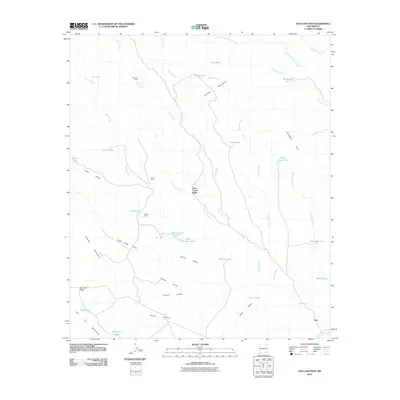 2010 San Luis Pass2010 Print · USGSHidalgo County's ranching country comes into focus in this recent study of the high desert and mountain passes near the border. You can trace the lineage of local land use through the WT Sims Ranch, find vital water sources like Deer Creek Wells, and navigate the gap at San Luis Pass.
 - 2013 Map of San Luis Pass, 2013 Print
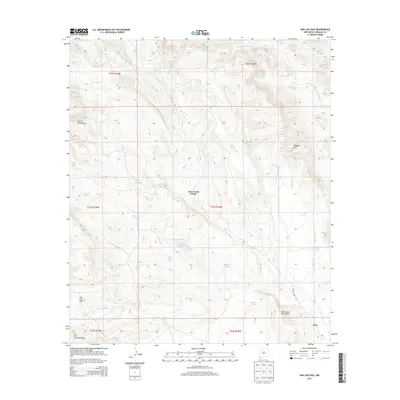 2013 San Luis Pass2013 Print · USGSHidalgo County's high-desert ranching country is captured here during the early twenty-first century. Researchers can trace the essential network of water tanks and mountain passes, including Deer Creek Wells, the San Luis Pass, and Big Geronimo Tank.
 - 2017 Map of San Luis Pass, 2017 Print
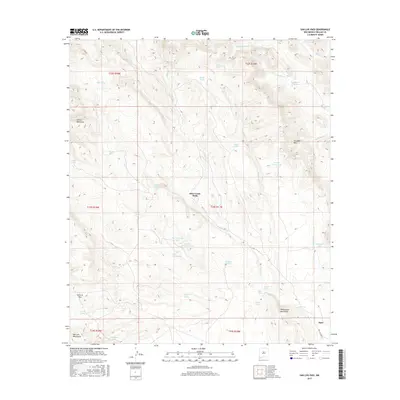 2017 San Luis Pass2017 Print · USGSHidalgo County ranching country is mapped here in the modern era, showing a landscape defined by seasonal water and mountain passes. Trace the networks of remote stock tanks and drainage draws including Big Geronimo Tank, San Luis Pass, and Deer Creek Wells.
 - 2020 Map of San Luis Pass, 2020 Print
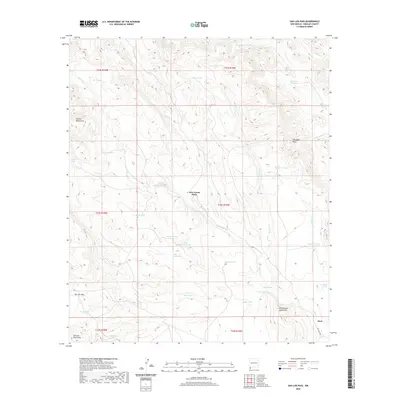 2020 San Luis Pass2020 Print · USGSHidalgo County's high-desert ranching country is documented here in the early twenty-first century. Researchers can trace vital water sources and mountain corridors like Deer Creek Wells, San Luis Pass, and Big Geronimo Tank.
 - 2023 Map of San Luis Pass, 2023 Print
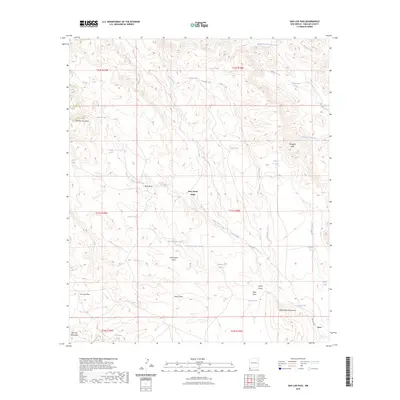 2023 San Luis Pass2023 Print · USGSHidalgo County's high desert terrain is captured here in the early twenty-first century, showing the critical water infrastructure of the Southwest. Researchers can trace the ranching history of the area through named stock tanks and wells like Deer Creek Wells, Big Geronimo Tank, and Austin Tank.
End of results
Showing maps 1-13 of 13
Frequently asked questions
- What are the different types of historical maps available for Deer?
- What is the oldest map of Deer?
- Where can I purchase historical maps of Deer for my home or office?
- Where can I download high-res historical maps of Deer?
- Are there historical topographic maps available for Deer?
- Is there historical aerial imagery available for Deer?
- Where are historical maps of Deer sourced from?