Old Maps of Grove, New York
Explore 37 old maps of Grove, spanning from 1905 to today. These high-resolution historic maps reveal how streets, neighborhoods, landmarks, and natural features evolved over time — perfect for genealogy, metal detecting, research, and local history exploration.
What you can do with these maps:
- See how Grove changed over time: Compare historical maps to modern-day views to trace roads, homesites, rail lines & more.
- View detailed metadata: Each map includes creators, publishers, year, scale, and archive source.
- Overlay maps with satellite & LiDAR: Visualize the past alongside modern tools to explore terrain & human change.
- Trusted historical sources: Maps sourced from the USGS, Library of Congress, and other archives.
- Access maps your way: View online, download high-res files, or order prints for personal or research use.
Start exploring old maps of Grove to uncover forgotten places, hidden landmarks, and the deep history beneath your feet.
Grove, NY maps
(37)- 1905 Map of Nunda
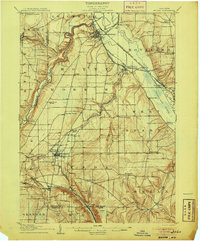 1905 Nunda1905 Print · USGSLivingston County rail and river life are captured here at the turn of the century, centered on the Genesee River valley. Trace the vanished streets of St Helena, locate the Sonyea P O Craig Colony, and follow the complex rail junctions at Mount Morris.6 unique versions available
 - 1916 Map of Canaseraga
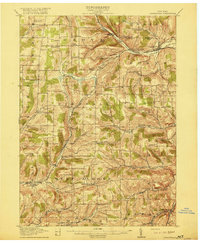 1916 Canaseraga1916 Print · USGSAllegany and Livingston counties appear in the decade before the Great War, during the peak of the local rail era. Genealogists can locate dozens of numbered schoolhouses and family-named landmarks like Whitney Crossings, Karrdale, and the Jersey Hill School.4 unique versions available
 - 1940 Map of Canaseraga
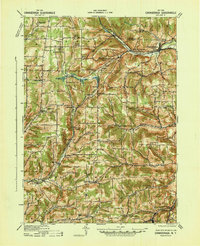 1940 Canaseraga1940 Print · USGSAllegany County's rural township structure is captured here just before the mid-century, showing a landscape tied together by local district schools and the Erie railroad. Researchers can locate early homesteads near Brewer Corners, trace the rail sidings at Garwoods Sta, or find ancestral landmarks like the County House and Jersey Hill School.2 unique versions available
 - 1943 Map of Nunda, 1960 Print
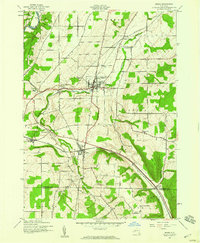 1943 Nunda1960 Print · USGSLivingston County's agricultural valleys and steep gorges are captured here during the early 1940s. Genealogists and rail historians can trace the routes of the Pennsylvania and Erie lines through Dalton, Nunda, and the rural crossing at Nunda Junction.
 - 1943 Map of Ossian, 1960 Print
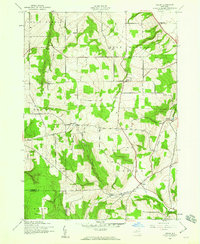 1943 Ossian1960 Print · USGSWestern New York's rural uplands are shown in the 1940s as a landscape of isolated farmsteads and high-altitude beacons. Genealogists and local historians can trace the early road networks connecting Ossian, Byersville, and the remote Air Beacon No 5.
 - 1944 Map of Nunda
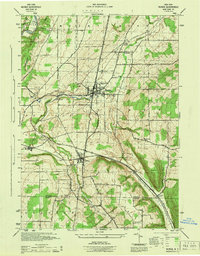 1944 Nunda1944 Print · USGSLivingston and Allegany counties are shown here during the mid-forties, capturing the rural rail-and-river network of the Genesee Valley. Researchers can trace historic family-named routes and vanished sidings at Nunda Junction, Hunts Hollow, and Dalton.
 - 1944 Map of Ossian
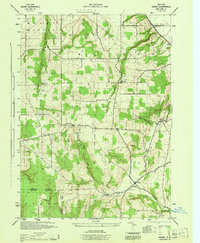 1944 Ossian1944 Print · USGSWestern New York at the height of the war years reveals a landscape of upland orchards and rural crossroads. Family researchers can locate properties near Westview, trace the path of Telegraph Road, or find the high-elevation Air Beacon No 5.
 - 1950 Map of Elmira
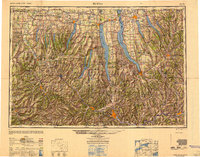 1950 Elmira1950 Print · USGSThe Finger Lakes region thrived in the late 1940s as a hub of industry and transport. Trace family roots and vanished landmarks near Seneca Lake or explore the rail lines of the Erie RR and the sprawling Seneca Ordnance Depot.2 unique versions available
 - 1958 Map of Elmira
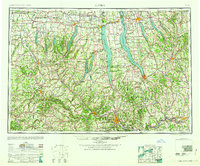 1958 Elmira1958 Print · USGSThe New York Finger Lakes during the late fifties reveal a complex landscape of glacial geology and industrial growth. Researchers can trace historic transport corridors like the Erie Canal and Erie RR, or locate institutional landmarks like Cornell University.2 unique versions available
 - 1962 Map of Elmira, 1969 Print
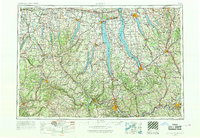 1962 Elmira1969 Print · USGSThe Finger Lakes region and Southern Tier are captured here during a period of industrial maturity and highway expansion. Researchers can trace the path of the Erie Canal, the footprint of the Seneca Army Depot, and legacy rail lines through Elmira and Ithaca.4 unique versions available
 - 1964 Map of Canaseraga, 1965 Print
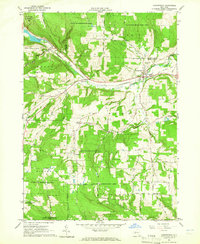 1964 Canaseraga1965 Print · USGSThe village of Canaseraga and its surrounding ridges appear in detail during the early 1960s, showing a valley shaped by the Erie-Lackawanna Railroad. Researchers can trace old family-named landmarks like Swain Hill and locate rural burial sites such as Bailey Hill Cem.
 - 1964 Map of Birdsall, 1965 Print
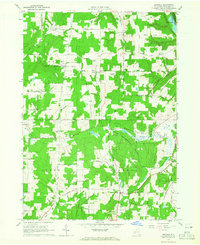 1964 Birdsall1965 Print · USGSAllegany County was characterized by its upland farms and state forests in the mid-1960s. Genealogists can trace family connections through the German Settlement Cem, Weaver Settlement Cem, and the Erie Railroad corridor.2 unique versions available
 - 1965 Map of Elmira
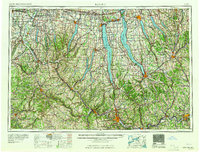 1965 Elmira1965 Print · USGSThe Finger Lakes and Southern Tier regions are captured in the mid-sixties, showcasing a landscape of deep glacial valleys and heavy rail infrastructure. Trace old railroad corridors like the Pennsylvania RR or visit landmarks like Letchworth State Park and the Seneca Army Depot.
 - 1972 Map of Nunda, 1974 Print
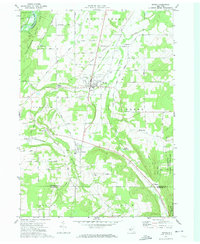 1972 Nunda1974 Print · USGSLivingston County in the early 1970s shows a landscape of river valleys and rail towns shaped by the Erie-Lackawanna. Genealogists and historians can trace family locations near St Helena Cem, the village of Nunda, and the rural settlement of Barkertown.2 unique versions available
 - 1972 Map of Ossian, 1974 Print
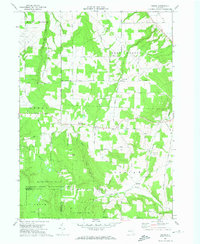 1972 Ossian1974 Print · USGSThe borderlands of Livingston and Allegany Counties appear here in the early 1970s, showing a landscape of upland forests and quiet hamlets. Genealogists can trace family names through the Ossian Center Cem or locate the Red School and settlements like Byersville.
 - 1983 Map of Canandaigua, 1985 Print
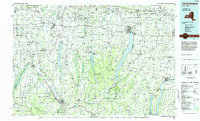 1983 Canandaigua1985 Print · USGSThe Finger Lakes and Genesee Valley appear in high detail in the early 1980s as the region's transport and academic centers reached a peak. Researchers can trace rail lines like the Lehigh Valley RR and find landmarks such as the Mount Morris Dam and Gannagaro State Historical Site.2 unique versions available
 - 1986 Map of Hornell
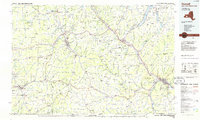 1986 Hornell1986 Print · USGSThe Southern Tier and Finger Lakes region thrive in the 1980s as rail and river corridors link Hornell to Corning. Trace local heritage through landmarks like Alfred University, the Veterans Adm Center, and the shores of Keuka Lake.2 unique versions available
 - 2010 Map of Canaseraga, 2010 Print
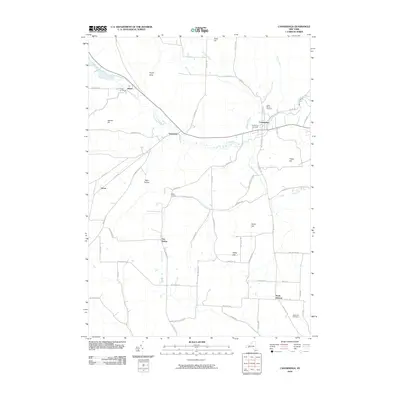 2010 Canaseraga2010 Print · USGSThe rural valleys of Allegany County are shown here in the early twenty-first century, centered on the village of Canaseraga. Researchers can locate family heritage sites at Saint Marys Cemetery, trace the path of Slader Creek, or explore the hamlets of Swain and Garwoods.
 - 2010 Map of Ossian, 2010 Print
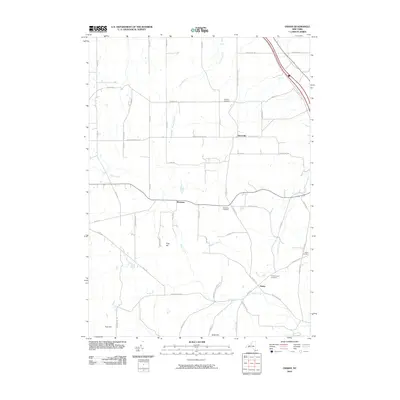 2010 Ossian2010 Print · USGSLivingston County's rural uplands are shown in detail during the first decade of the new millennium. Researchers can trace land ties and lineage through local markers like Ossian Center Cemetery, Frog Hill, and the small settlement of Byersville.
 - 2010 Map of Birdsall, 2010 Print
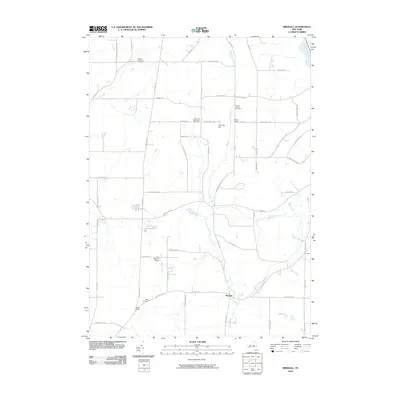 2010 Birdsall2010 Print · USGSAllegany County's rolling hills and headwaters are captured here in the early twenty-first century, showing a landscape deeply rooted in its agricultural past. Genealogists can locate historical burial sites like the German Settlement Cemetery and White Cemetery or trace the drainage of Rush Creek and Black Creek.
 - 2010 Map of Nunda, 2010 Print
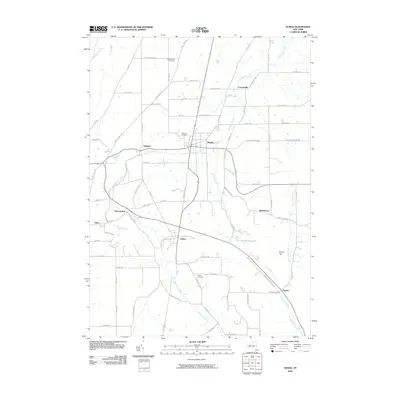 2010 Nunda2010 Print · USGSThe Genesee Valley highlands come into focus in this contemporary survey of central Livingston County. Local historians can trace the rural landscape between Nunda and Dalton, locating family sites near Saint Helena Cemetery and Oakwood Cemetery.
 - 2013 Map of Birdsall, 2013 Print
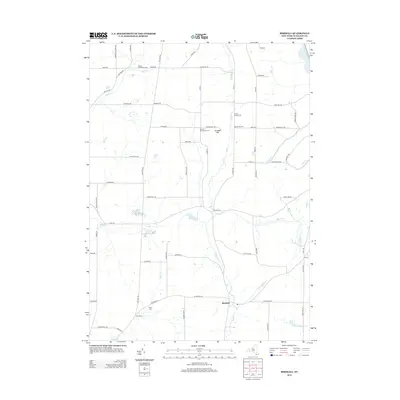 2013 Birdsall2013 Print · USGSAllegany County’s rural highlands are captured here in the early twenty-first century, centered on the small community of Birdsall. Local historians can trace family roots through several historical burial sites, including Weaver Settlement Cem, and follow the winding courses of Black Cr and the Canisteo River.
 - 2013 Map of Nunda, 2013 Print
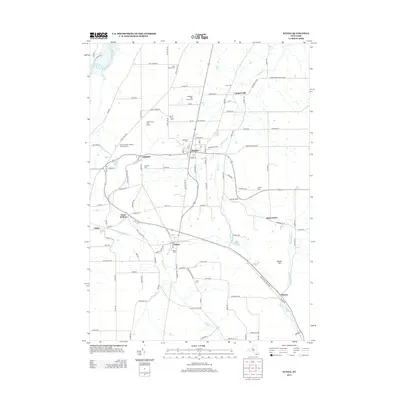 2013 Nunda2013 Print · USGSLivingston County's rural heartland is meticulously documented here during the early twenty-first century, centered on the village of Nunda. Researchers can trace local lineage through numerous burial grounds like Saint Helena Cem or find echoes of local industry along Cheese Factory Rd.
 - 2013 Map of Canaseraga, 2013 Print
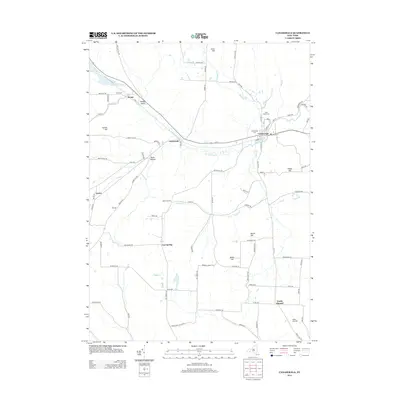 2013 Canaseraga2013 Print · USGSThe village of Canaseraga and its surrounding hamlets are detailed in this contemporary study of Allegany County. Researchers can locate family burial sites at Saint Marys Cem or trace the rural junctions of Garwoods, Gas Spring, and Mastin Corners.
 - 2013 Map of Ossian, 2013 Print
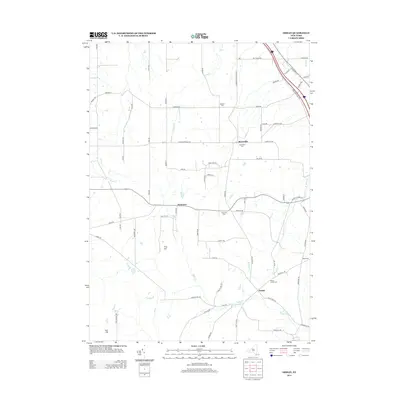 2013 Ossian2013 Print · USGSThe rural landscape of Livingston County is captured here just after the turn of the millennium, showing a network of upland farms and family homesteads. Genealogists can trace local roots through burial grounds like Westview Cem and Wood Cem or landmarks like Frog Hill.
Showing maps 1-25 of 37
Top cities near Grove
- Hornell historical maps
- North Dansville historical maps
- Warsaw historical maps
- Alfred historical maps
- Mount Morris historical maps
- Dansville historical maps
See more
Top neighborhoods of Grove
Frequently asked questions
- What are the different types of historical maps available for Grove?
- What is the oldest map of Grove?
- Where can I purchase historical maps of Grove for my home or office?
- Where can I download high-res historical maps of Grove?
- Are there historical topographic maps available for Grove?
- Is there historical aerial imagery available for Grove?
- Where are historical maps of Grove sourced from?