Old Maps of Guayama for Metal Detecting
Plan your next treasure hunt with 38 historic maps of Guayama. Find old homesites, ghost towns, trails, and gathering spots that may be lost to time — perfect for identifying promising metal detecting locations.
- Locate forgotten sites: Uncover places like long-lost settlements, abandoned rail lines, or gathering spots.
- Plan better hunts: Use map overlays combined with LiDAR or satellite views to narrow in on historically rich areas.
- Made for detectorists: Thousands of hobbyists use these maps to discover relics, coins, and hidden history.
Use these historic maps to boost your research and find new opportunities beneath the surface of Guayama.
Guayama maps
(38)- 1945 Map of Central Aguirre
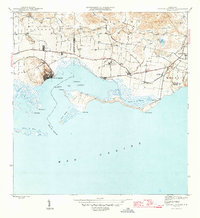 1945 Central Aguirre1945 Print · USGSThe southern coast of Puerto Rico was dominated by sugar production and coastal trade at the end of World War II. Researchers can trace the industrial infrastructure of Central Aguirre, the rail connections to Puerto Jobos, and old estates like Hacienda Mercedes.3 unique versions available
 - 1946 Map of Patillas
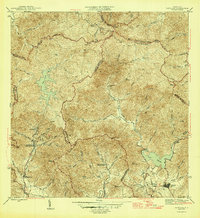 1946 Patillas1946 Print · USGSPatillas and the surrounding mountain ridges come into focus in the mid-1940s as hydroelectric power and agriculture shaped the region. Genealogists and researchers can trace the vicinity of Hacienda Felicita and local schools like Escuela Segunda Unidad de Guamani.2 unique versions available
 - 1946 Map of Cayey
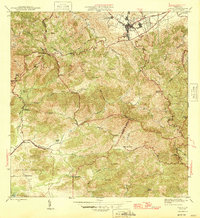 1946 Cayey1946 Print · USGSThe central mountains of Puerto Rico are captured here in the mid-1940s, centered on the growing town of Cayey. Local historians can trace agricultural roots at Hacienda Clavell and Hacienda Julia, or locate early religious landmarks like the Capilla de Santa Maria.2 unique versions available
 - 1946 Map of Guayama
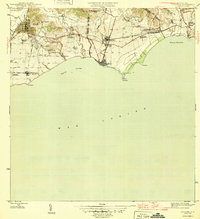 1946 Guayama1946 Print · USGSThe southern coast of Puerto Rico appears in the mid-1940s as a bustling center of sugar production and rail transport. Genealogists and historians can trace the estates of the day, from Central Machete to numerous family-named colonias like Hacienda Felicia.4 unique versions available
 - 1947 Map of Patillas SO
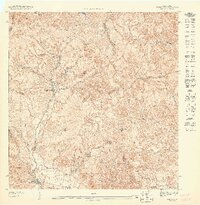 1947 Patillas SO1947 Print · USGSSoutheast Puerto Rico in the late 1940s shows a landscape of developing hydropower and rural mountain communities. Trace the infrastructure of the Planta Hidroelectrica de Carite No 1 and find local landmarks like El Chino and the Escuela Edgardo Vázquez Aguiar.
 - 1947 Map of Guayama NO
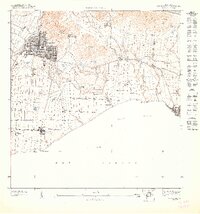 1947 Guayama NO1947 Print · USGSThe coastal sugar-producing region of Guayama is shown here just after the war, featuring a dense network of industrial haciendas and irrigation canals. Researchers can trace the boundaries of Central Machete and family-named agricultural sites like Hacienda Felicia and Colonia Pica.
 - 1947 Map of Central Aguirre NE
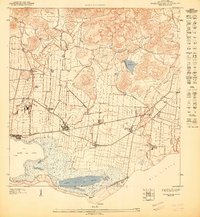 1947 Central Aguirre NE1947 Print · USGSGuayama’s southern coast in the late 1940s reveals a landscape shaped by the sugar industry and maritime trade. Researchers can trace the layout of the Central Guamani sugar mill and nearby estates like Hacienda Mercedes and Colonia Josefa.
 - 1947 Map of Cayey SO
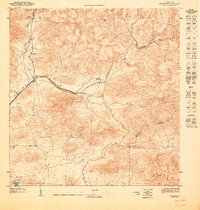 1947 Cayey SO1947 Print · USGSSouthern Puerto Rico was defined by traditional estates and military land use in the mid-1940s. Genealogists and historians can trace the foundations of local life at Hacienda Clavell, the settlement at La Plena, and the Capilla de Santa Marta.
 - 1947 Map of Cayey NE
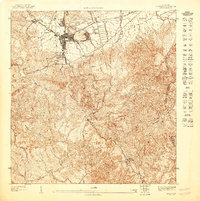 1947 Cayey NE1947 Print · USGSThe mountains of central Puerto Rico in the 1940s reveal a landscape defined by the historic Carretera Central and the town of Cayey. Trace the boundaries of the U.S. Military Reservation and find landmarks like Monte El Gato and the Paso del Gobernador.
 - 1947 Map of Patillas NE
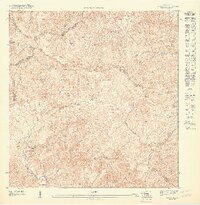 1947 Patillas NE1947 Print · USGSThe interior mountains of southeastern Puerto Rico are captured here in the late 1940s, showing the high-elevation divide of the Sierra de Cayey. Local researchers can trace the early boundaries of the Bosque Insular de Carite and find remote landmarks like Campamento Real and Charco Azul.
 - 1947 Map of Central Aquirre SO
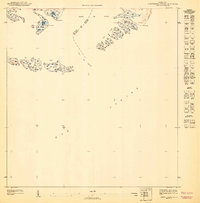 1947 Central Aquirre SO1947 Print · USGSThe southern coast of Puerto Rico is revealed in the mid-1940s as a complex network of bays and cays. Coastal historians can trace the municipal boundary between Salinas and Guayama through the Boca del Infierno and the many islets of the Cayos de Barca.
 - 1947 Map of Cayey SE
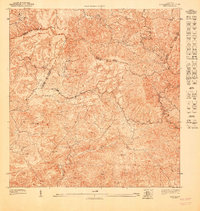 1947 Cayey SE1947 Print · USGSThe highland borders of Cayey, Salinas, and Guayama are captured in the late 1940s just as the rural interior began to modernize. Genealogists and historians can trace family locations near the Poblado Carmen settlement or landmarks like the Capilla de San Giraldo and Cerro Garau.
 - 1947 Map of Central Aquirre NO
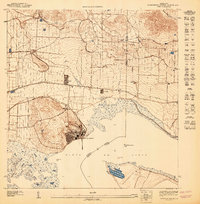 1947 Central Aquirre NO1947 Print · USGSThe sugar-producing coast of southern Puerto Rico comes to life in the 1940s as the industry reached its peak. Researchers can trace the industrial layout of Central Aguirre, the worker housing at Coquí, and the vital irrigation of the Canal de Patillas.
 - 1947 Map of Patillas NO
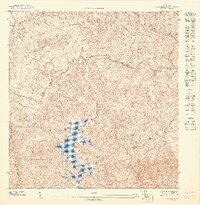 1947 Patillas NO1947 Print · USGSHighland Puerto Rico in the 1940s is defined here by its steep tropical interior and the newly established Lago Carite reservoir. Researchers can trace historic mountain paths like Vereda Los Salchos and identify landmarks like Campamento Guavate.
 - 1952 Map of Guayama, 1953 Print
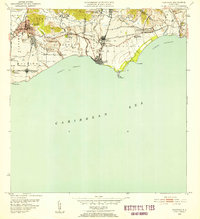 1952 Guayama1953 Print · USGSCoastal Puerto Rico in the early fifties reveals a landscape shaped by sugar production and maritime trade. Local researchers can find named estates and industrial sites like Central Lafayette, Colonia Algarrobo, and the Faro Pta Figuras lighthouse.2 unique versions available
 - 1952 Map of Patillas, 1953 Print
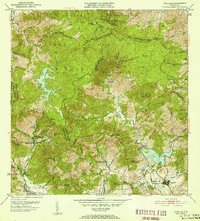 1952 Patillas1953 Print · USGSSoutheastern Puerto Rico is depicted here during the mid-twentieth century, showcasing the vital water and power systems of the Sierra de Cayey. Researchers can locate agricultural landmarks like Hacienda Felicita and public works including the Carite No. 1 hydroelectric plant.2 unique versions available
 - 1952 Map of Central Aguirre, 1953 Print
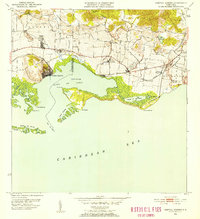 1952 Central Aguirre1953 Print · USGSThe sugar-producing coastal plains of southern Puerto Rico are captured here in the early fifties, showcasing the vital infrastructure of the era. Genealogists and historians can trace the plantation economy through estate labels like Hacienda Mercedes, the port at Puerto Jobos, and the worker communities of Central Aguirre.2 unique versions available
 - 1953 Map of Cayey
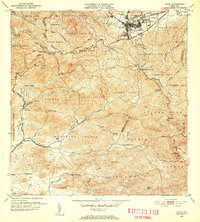 1953 Cayey1953 Print · USGSThe mountain town of Cayey and its surrounding barrios are documented here in the early 1950s during a period of transition and growth. Researchers can trace land ownership and community centers through labels for Hacienda Clavell, Poblado Carmen, and the Iglesia Sagrado Corazon.2 unique versions available
 - 1960 Map of Patillas, 1962 Print
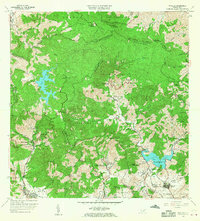 1960 Patillas1962 Print · USGSSoutheast Puerto Rico's mountain interior and the municipality of Patillas are captured here in the early sixties. Researchers can trace the layout of rural mountain life through landmarks like Campamento Guavate and Campamento Real.2 unique versions available
 - 1960 Map of Central Aguirre, 1962 Print
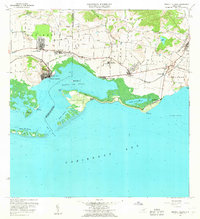 1960 Central Aguirre1962 Print · USGSThe sugar-producing coast of southern Puerto Rico comes alive in this mid-century survey of the Central Aguirre region. Genealogists can trace family roots through settlements like Coquí and San Felipe or locate local landmarks like the Colegio del Perpetuo Socorro and Central Guamaní.2 unique versions available
 - 1960 Map of Cayey, 1962 Print
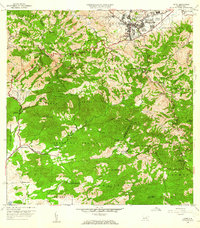 1960 Cayey1962 Print · USGSCayey was transitioning from an agrarian mountain outpost to a regional hub during the early sixties. Genealogists can trace family footprints across several named estates, including Hacienda Julia and Hacienda Clavell, and locate old landmarks like the Capilla de Santa Marta.
 - 1960 Map of Guayama, 1962 Print
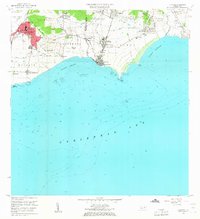 1960 Guayama1962 Print · USGSThe south coast of Puerto Rico in the 1960s reveals a region defined by its sugar industry and maritime trade. Researchers can trace family ties to landmarks like Central Lafayette, Hacienda Felicia, and the coastal lighthouse at Punta Figuras.2 unique versions available
 - 1970 Map of Central Aguirre, 1972 Print
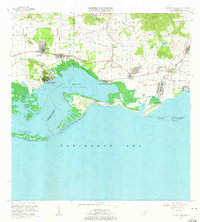 1970 Central Aguirre1972 Print · USGSThe southern coast of Puerto Rico comes alive in this 1970s survey of the sugar-producing heartland. Genealogists and historians can trace company town life at Central Aguirre and Coquí, or explore the maritime landscape of Bahía de Jobos and Las Mareas.3 unique versions available
 - 1970 Map of Guayama, 1972 Print
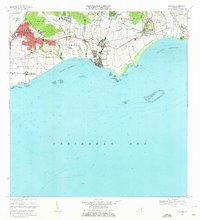 1970 Guayama1972 Print · USGSThe southern coast of Puerto Rico thrived as a sugar and maritime hub in the early seventies. Genealogists and historians can trace the irrigation canals and residential expansion of Guayama or locate old industrial sites like Central Machete and Central Lafayette.4 unique versions available
 - 1972 Map of Patillas, 1974 Print
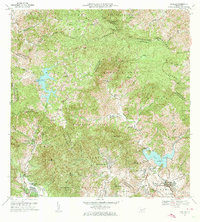 1972 Patillas1974 Print · USGSSoutheast Puerto Rico in the early seventies shows a landscape defined by the Sierra de Cayey and its vital reservoirs. Genealogists and local historians can trace family locations through rural barrios like Yaurel, identify local schools such as Escuela Leonor Ramos, and locate landmarks like Lago Patillas.4 unique versions available
Showing maps 1-25 of 38
Frequently asked questions
- What are the different types of historical maps available for Guayama?
- What is the oldest map of Guayama?
- Where can I purchase historical maps of Guayama for my home or office?
- Where can I download high-res historical maps of Guayama?
- Are there historical topographic maps available for Guayama?
- Is there historical aerial imagery available for Guayama?
- Where are historical maps of Guayama sourced from?