Old Maps of Moca for Genealogy
Trace your family roots with 43 historic maps of Moca. These high-res maps reveal old neighborhoods, homesites, landmarks, and streets — helping you uncover where your ancestors lived and how the area evolved over time.
- Explore historic neighborhoods: Identify where your relatives may have lived in the 1800s or 1900s.
- Compare maps over time: Trace the changes in streets, buildings, and landmarks for multi-generational research.
- Perfect for genealogy & ancestry research: Used by family historians and researchers to map out lineage and migration.
These maps are an incredible resource for exploring your personal connection to Moca's past.
Moca maps
(43)- 1937 Map of Aguadilla
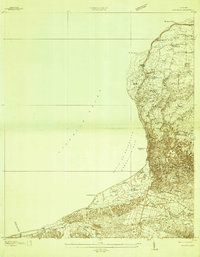 1937 Aguadilla1937 Print · USGSNorthwestern Puerto Rico during the late 1930s reveals a landscape of coastal settlements and industrial rail lines. Genealogists and historians can trace the foundations of local communities through landmarks like the Iglesia de la Conception and the American railroad route through Coloso.
 - 1937 Map of Moca
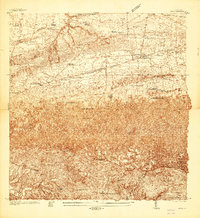 1937 Moca1937 Print · USGSNorthwestern Puerto Rico in the late thirties reveals a landscape defined by rail transit and a remarkably dense network of rural schools. Family historians can trace ancestral roots through dozens of local sites like Escuela Aceituna No 1, Iglesia Presbiteriana, and the American RR of Porto Rico stations.2 unique versions available
 - 1938 Map of Alto Sano
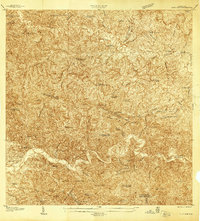 1938 Alto Sano1938 Print · USGSWestern Puerto Rico is captured here in the late 1930s as a landscape of rural schoolhouses and family estates. Genealogists can trace property names like Hacienda Esperanza or locate community centers such as the Barrio Espino Medical Center.
 - 1941 Map of Moca
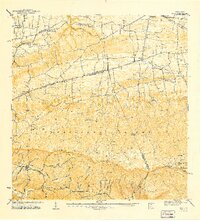 1941 Moca1941 Print · USGSNorthwestern Puerto Rico is captured here in the early 1940s, showing a landscape where the coastal railroad meets the high ridges of the Cordillera. Researchers can trace the American RR of Porto Rico line through Estacion Santiago and find local landmarks like the Iglesia de la Virgen del Rosario.
 - 1941 Map of Rincon
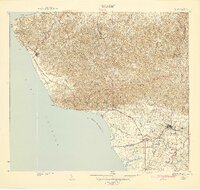 1941 Rincon1941 Print · USGSCoastal western Puerto Rico in the early 1940s reveals a bustling landscape defined by the sugar industry and the sea. Trace the American Railroad of Puerto Rico as it links Rincón to major mills like Central Igualdad and Central Coloso.
 - 1941 Map of Rincon
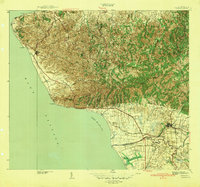 1941 Rincon1941 Print · USGSWestern Puerto Rico’s sugar economy is at its peak in the early 1940s, showing the intricate network of plantations and rails between the coast and the mountains. Genealogists can trace family lands through named estates like Colonia Dolores or follow the American Railroad of Puerto Rico through Añasco.
 - 1942 Map of Moca
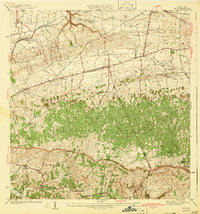 1942 Moca1942 Print · USGSNorthwestern Puerto Rico during the early forties shows a landscape transitioning between coastal rail industry and the rural interior. Genealogists can trace family footprints near Jobos and the American R. R. of Porto Rico or at the Escuela Segunda Unidad de Voladoras.5 unique versions available
 - 1942 Map of Central La Plata
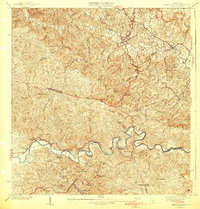 1942 Central La Plata1942 Print · USGSWestern Puerto Rico during the early 1940s reveals a landscape of sugar production and family estates centered around the Rio Grande de Añasco. Researchers can trace the industrial footprint of Central La Plata and locate traditional plantations such as Hacienda Esperanza and Hacienda Casen.6 unique versions available
 - 1942 Map of Aguadilla
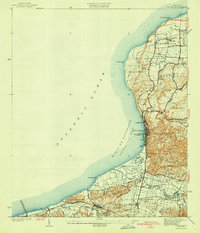 1942 Aguadilla1942 Print · USGSCoastal life in northwest Puerto Rico during the early 1940s centered on the rail lines and rivers of the Aguadilla region. Genealogists and historians can trace family roots through the numerous railroad stops of the American Railroad or locate historical landmarks like the Pta Borinquen L H and the Iglesia Aguadilla.5 unique versions available
 - 1946 Map of Ciales
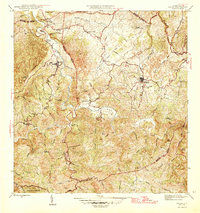 1946 Ciales1946 Print · USGSIn the mid-1940s, the mountainous interior between Ciales and Morovis remained a world of coffee estates and remote parishes. Genealogists can locate specific rural landmarks like Hacienda Maria, the Escuela Segunda Unidad de Pesas, and Iglesia San Antonio.3 unique versions available
 - 1947 Map of Rincon
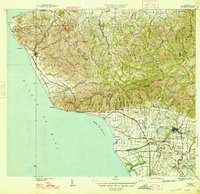 1947 Rincon1947 Print · USGSCoastal Puerto Rico in the late 1940s reveals a landscape of sugarcane colonies and coastal railways. Researchers can trace family-named sites like Desvío Santoni, the Estación Añasco rail stop, and agricultural hubs like Colonia Libertad.2 unique versions available
 - 1947 Map of Rincon
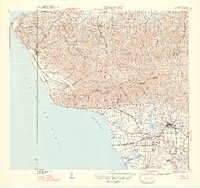 1947 Rincon1947 Print · USGSWestern Puerto Rico is captured here in the late 1930s, showing a landscape defined by the coastal sugar economy and the American RR. Genealogists can trace family locations through named colonias like Colonia Libertad and landmarks such as Central Igualdad.
 - 1949 Map of Rincon, 1952 Print
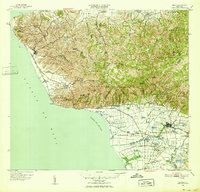 1949 Rincon1952 Print · USGSWestern Puerto Rico is captured here in the late 1940s, highlighting the intricate network of sugar colonies and railroads. Genealogists can trace family connections to numerous named estates and landmarks like Colonia Libertad, Hacienda Eugenia, and the Pta Jiguera Lighthouse.2 unique versions available
 - 1950 Map of Moca SE
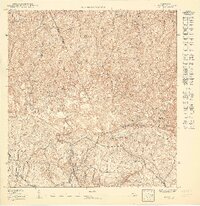 1950 Moca SE1950 Print · USGSMid-century Puerto Rico is captured here during a period of transition in the rural uplands between Isabela and San Sebastián. Researchers can trace ancestral home sites and small community centers like La Vega or find the Iglesia de la Virgen del Rosario.
 - 1950 Map of Central La Plata NE
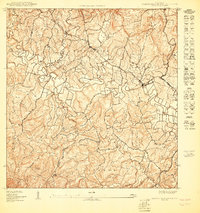 1950 Central La Plata NE1950 Print · USGSMid-century San Sebastián and Moca are captured here during a period of transition for Puerto Rico's interior. Researchers can trace the agricultural landscape surrounding Central La Plata and topographic landmarks like Cerro de las Velas and the Rio Culebrinas.
 - 1950 Map of Central La Plata SE
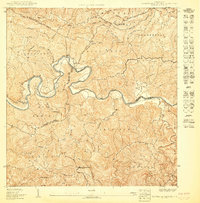 1950 Central La Plata SE1950 Print · USGSMid-century life in the Puerto Rican interior is defined by the winding Río Grande de Añasco and the high ridges of Alto Sano. Genealogists and historians can locate rural landmarks like the Escuela Segunda Unidad de Añones and Cerro Valladares.
 - 1950 Map of Moca NE
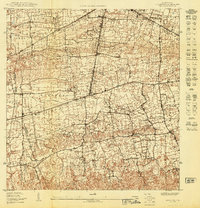 1950 Moca NE1950 Print · USGSNorthwestern Puerto Rico is captured here at mid-century, showing a high density of rural settlements and early infrastructure. Genealogists can trace family sites near Mora or the Iglesia Arenales Altos, while the American R R of Porto Rico marks the era's rail transit.
 - 1950 Map of Central La Plata SO
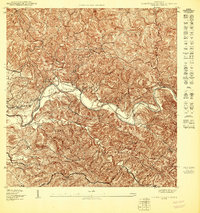 1950 Central La Plata SO1950 Print · USGSAñasco's river valley and surrounding highlands are captured here at mid-century as traditional haciendas met new infrastructure. Genealogists and historians can trace family locations near Hacienda Libertad, the Iglesia at Cerro Gordo, and along the banks of the Río Grande de Añasco.
 - 1950 Map of Moca SO
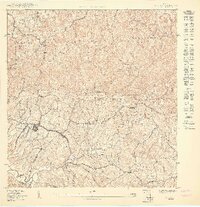 1950 Moca SO1950 Print · USGSMid-century Moca and its surrounding barrios are captured here during a period of infrastructure growth in northwest Puerto Rico. Genealogists and researchers can locate family homes and landmarks across Caimital Alto, the Escuela Segunda Unidad de Voladoras, and along the Río Culebrinas.
 - 1950 Map of Central La Plata NO
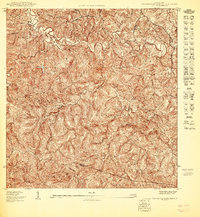 1950 Central La Plata NO1950 Print · USGSMoca's interior highlands are mapped here at mid-century, showing the dense rural settlement patterns of western Puerto Rico. Genealogists can trace family footprints across the barrios of Cerro Gordo and Voladoras along the winding Río Culebrinas.
 - 1950 Map of Moca NO
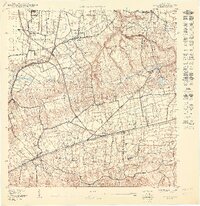 1950 Moca NO1950 Print · USGSNorthwestern Puerto Rico during the mid-century is captured here as a landscape of rural barrios and vital rail connections. Genealogists and historians can trace family roots through landmarks like Iglesia Ceiba Alta and the rail stops at Estación Montaña or Estación Santiago.
 - 1950 Map of Rincon NE
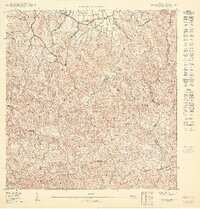 1950 Rincon NE1950 Print · USGSAguada and the high ridges of northwestern Puerto Rico are captured here at mid-century, before modern development transformed the mountain barrios. Local historians can trace the rural school and chapel network, including Capilla Malpaso and Escuela Segunda Unidad de Guanábano.
 - 1950 Map of Aguadilla SE
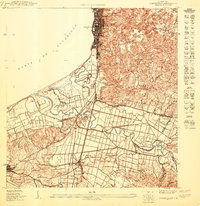 1950 Aguadilla SE1950 Print · USGSCoastal life in northwest Puerto Rico at mid-century is meticulously detailed where the mountains meet the Bahía de Aguadilla. Genealogists and historians can trace family locations through neighborhoods like Tamarindo, the path of the American Railroad, and rural schools like Escuela Segunda Unidad Espinal.
 - 1953 Map of Ciales
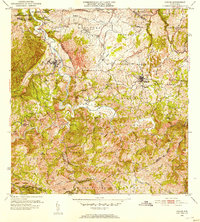 1953 Ciales1953 Print · USGSCentral Puerto Rico’s mountainous interior comes alive in this mid-century survey of the rugged Ciales and Morovis highlands. Genealogists and historians can trace family roots through named barrios like Jaguas and Pesas, and locate rural landmarks such as Hacienda Maria and the Iglesia Ascensión.
 - 1955 Map of Central La Plata, 1958 Print
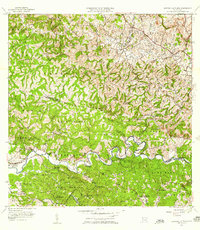 1955 Central La Plata1958 Print · USGSThe mountainous interior of western Puerto Rico is captured here in the mid-fifties, dominated by the industrial site of Central La Plata. Genealogists and historians can trace numerous family-named landmarks and coffee-era estates, including Hacienda Morales, Hacienda Lambert, and Mata y Orsini.
Showing maps 1-25 of 43
Frequently asked questions
- What are the different types of historical maps available for Moca?
- What is the oldest map of Moca?
- Where can I purchase historical maps of Moca for my home or office?
- Where can I download high-res historical maps of Moca?
- Are there historical topographic maps available for Moca?
- Is there historical aerial imagery available for Moca?
- Where are historical maps of Moca sourced from?