Old Maps of Ain, Arkansas
Explore 11 old maps of Ain, spanning from 1955 to today. These high-resolution historic maps reveal how streets, neighborhoods, landmarks, and natural features evolved over time — perfect for genealogy, metal detecting, research, and local history exploration.
What you can do with these maps:
- See how Ain changed over time: Compare historical maps to modern-day views to trace roads, homesites, rail lines & more.
- View detailed metadata: Each map includes creators, publishers, year, scale, and archive source.
- Overlay maps with satellite & LiDAR: Visualize the past alongside modern tools to explore terrain & human change.
- Trusted historical sources: Maps sourced from the USGS, Library of Congress, and other archives.
- Access maps your way: View online, download high-res files, or order prints for personal or research use.
Start exploring old maps of Ain to uncover forgotten places, hidden landmarks, and the deep history beneath your feet.
Ain, AR maps
(11)- 1955 Map of Little Rock, 1978 Print
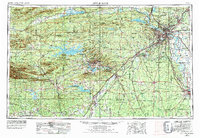 1955 Little Rock1978 Print · USGSCentral Arkansas in the mid-fifties exhibits a landscape of growing cities, massive military installations, and mountain reservoirs. Genealogists and historians can trace the industrial Bauxite Mines, regional rail lines, and local landmarks like Antioch Church.
 - 1956 Map of Little Rock
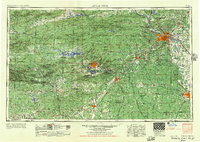 1956 Little Rock1956 Print · USGSCentral Arkansas in the mid-fifties shows a landscape defined by burgeoning military bases and the timber-and-mineral wealth of the Ouachitas. Genealogists and researchers can trace old rail lines like the Missouri Pacific and find established communities such as Bauxite, Sheridan, and Mabelvale.
 - 1960 Map of Little Rock
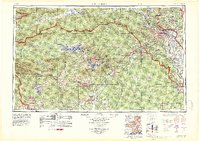 1960 Little Rock1960 Print · USGSCentral Arkansas in the late fifties shows a landscape of growing military bases and massive new reservoirs. Local historians can trace the mid-century expansion of Little Rock and Hot Springs alongside the industrial works at Bauxite and the Pine Bluff Arsenal.
 - 1964 Map of Little Rock
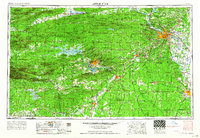 1964 Little Rock1964 Print · USGSCentral Arkansas in the mid-sixties is a landscape of mountain ridges, industrial rail lines, and growing military hubs. Researchers can trace the development of Bauxite and Hot Springs or locate rural landmarks like Sparkman and the Pine Bluff Arsenal.
 - 1964 Map of Grapevine, 1966 Print
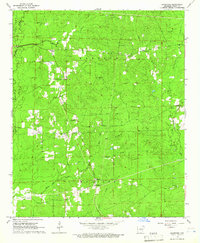 1964 Grapevine1966 Print · USGSGrant County in the mid-1960s is characterized by its rural townships and creek networks like Derrieusseaux Creek. Genealogists can trace early local centers and family burials at St Paul Cem, Hedden Chapel, and the St Paul Sch.3 unique versions available
 - 1985 Map of Malvern
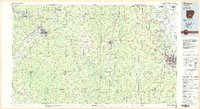 1985 Malvern1985 Print · USGSCentral Arkansas in the mid-eighties shows a landscape of timberlands and river valleys anchored by the industrial hubs of Malvern and Pine Bluff. Genealogists can locate family landmarks and rural institutions like Social Hill Sch, Magnet Cove, and Pine Bluff Arsenal.2 unique versions available
 - 2011 Map of Grapevine, 2011 Print
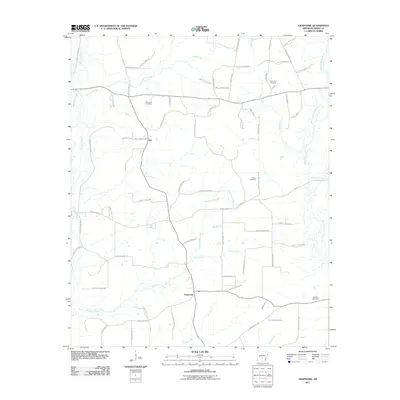 2011 Grapevine2011 Print · USGSIn the early twenty-first century, this pocket of Grant County remains a landscape of timber roads and quiet rural settlements. Researchers can locate several family cemeteries, including Saint Paul Cemetery and White Cemetery, alongside the small crossroads of Ain and Grapevine.
 - 2014 Map of Grapevine, 2014 Print
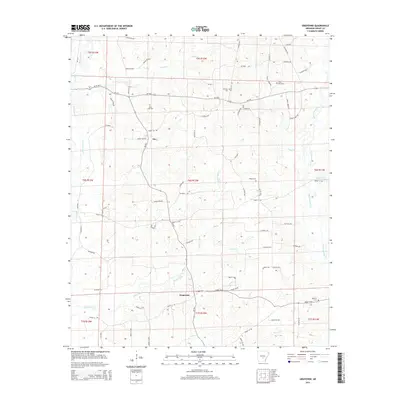 2014 Grapevine2014 Print · USGSGrant County is revealed in the mid-2010s as a landscape of interconnected creek bottoms and quiet rural crossroads. Genealogists can trace family burial sites like Saint Paul Cemetery and Mt Zion Cemetery while following the paths of White Oak Creek and Caney Creek.
 - 2017 Map of Grapevine, 2017 Print
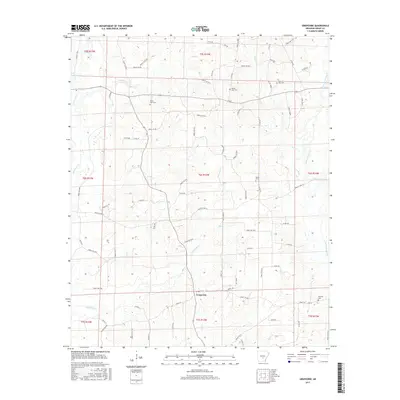 2017 Grapevine2017 Print · USGSGrant County is shown here in the late twenty-teens, revealing a landscape of managed timberlands and rural creek-side communities. Genealogists and local historians can pinpoint several family burial grounds, including Saint Paul Cem, White Cem, and the central hub of Grapevine.
 - 2020 Map of Grapevine, 2020 Print
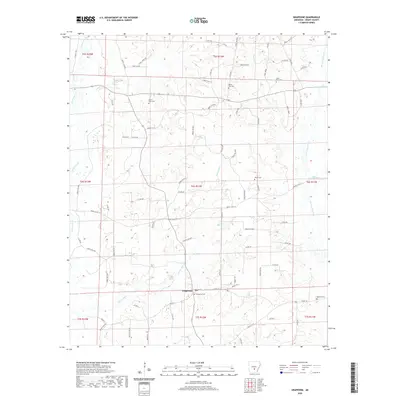 2020 Grapevine2020 Print · USGSGrapevine and the surrounding Grant County timberlands are documented here as they appeared in 2020. Researchers can trace local family lineages through established sites like Saint John Cem and White Cem or follow the paths of Hurricane Cr and White Oak Cr.
 - 2024 Map of Grapevine, 2024 Print
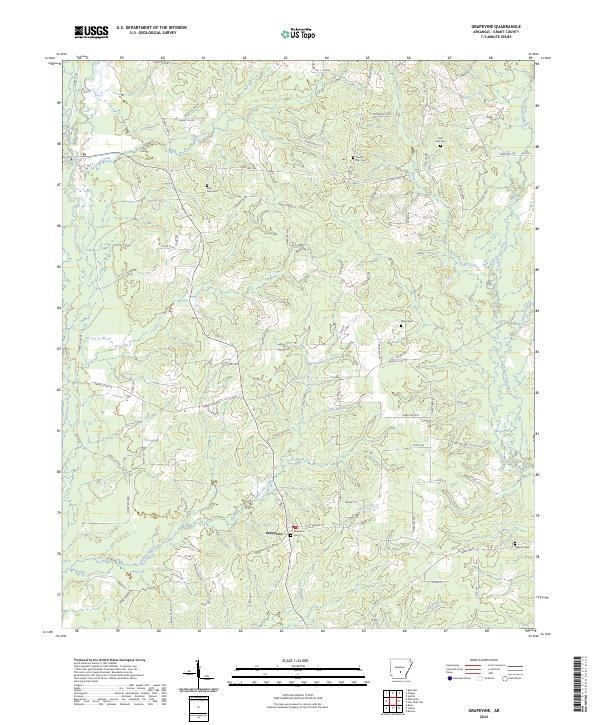 2024 Grapevine2024 Print · USGSGrant County is shown in its contemporary rural character, centered on the community of Grapevine. Researchers can trace local lineage through several cemeteries like Saint John Cem and White Cem while following the winding paths of Hurricane Creek.
End of results
Showing maps 1-11 of 11
Top cities near Ain
- White Hall historical maps
- Sheridan historical maps
- Redfield historical maps
- Rison historical maps
- Tull historical maps
- Prattsville historical maps
See more
Frequently asked questions
- What are the different types of historical maps available for Ain?
- What is the oldest map of Ain?
- Where can I purchase historical maps of Ain for my home or office?
- Where can I download high-res historical maps of Ain?
- Are there historical topographic maps available for Ain?
- Is there historical aerial imagery available for Ain?
- Where are historical maps of Ain sourced from?