Old Maps of Muir, Arkansas for Metal Detecting
Plan your next treasure hunt with 11 historic maps of Muir. Find old homesites, ghost towns, trails, and gathering spots that may be lost to time — perfect for identifying promising metal detecting locations.
- Locate forgotten sites: Uncover places like long-lost settlements, abandoned rail lines, or gathering spots.
- Plan better hunts: Use map overlays combined with LiDAR or satellite views to narrow in on historically rich areas.
- Made for detectorists: Thousands of hobbyists use these maps to discover relics, coins, and hidden history.
Use these historic maps to boost your research and find new opportunities beneath the surface of Muir.
Muir, AR maps
(11)- 1939 Map of Evadale, 1954 Print
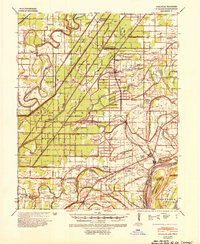 1939 Evadale1954 Print · USGSMississippi County, Arkansas, at the end of the 1930s was a landscape being reshaped by the drainage of the Sunk Lands. Local historians can trace the foundations of several communities and rural landmarks, including Little Bethlehem Ch & Cem, the company town of Wilson, and the early settlement of Dyess.
 - 1953 Map of Memphis, 1966 Print
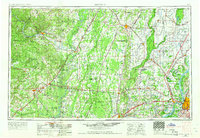 1953 Memphis1966 Print · USGSEastern Arkansas and the Memphis riverfront are shown here during the mid-century period of regional growth and river management. Local historians can trace the paths of the Chicago Rock Island & Pacific RR through Forrest City or locate river landmarks like President's Island.3 unique versions available
 - 1956 Map of Evadale
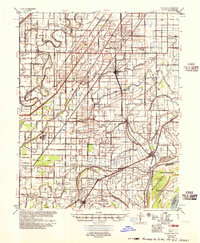 1956 Evadale1956 Print · USGSMississippi County, Arkansas, appears in the early 1950s as a productive agricultural landscape secured by an extensive system of levees and drainage ditches. Genealogists can locate family names at Pittman Cem, Louise Chapel & Cem, and the industry at Creamery Package.
 - 1956 Map of Memphis
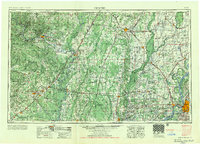 1956 Memphis1956 Print · USGSThe Mississippi Delta and the bluffs of West Tennessee meet in the mid-fifties, showing a landscape defined by massive river systems and rail hubs. Researchers can trace the path of Crowleys Ridge or locate vanished river landings near Centennial Island and Island No 35.
 - 1983 Map of Joiner, 1984 Print
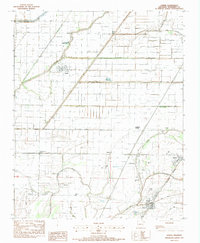 1983 Joiner1984 Print · USGSThe Mississippi County Delta in the late seventies and early eighties shows an intensive agricultural landscape shaped by a massive network of drainage canals. Genealogists and local historians can trace rural family sites like Ashburn Cem, New Bethel Ch, and the community of Dyess.
 - 1986 Map of Jonesboro
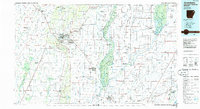 1986 Jonesboro1986 Print · USGSNortheast Arkansas in the mid-eighties shows a landscape of intensive drainage and railroad junctions centered on the rise of Crowley's Ridge. Researchers can trace the rail corridors of the St Louis Southwestern Railway and explore the unique geography of Hatchie Coon Island and the Mississippi River floodplain.2 unique versions available
 - 2011 Map of Joiner, 2011 Print
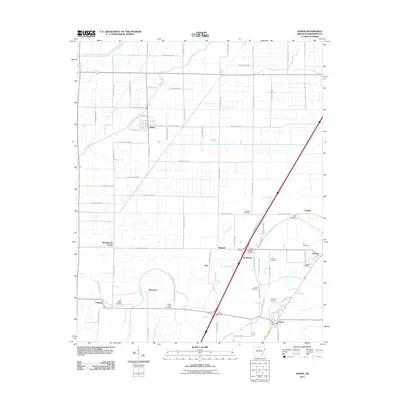 2011 Joiner2011 Print · USGSNortheastern Arkansas at the start of the 2010s reveals a structured landscape of Delta farming communities and historic cemeteries. Genealogists can trace family roots at Uzzell Cemetery, Harston Cemetery, or the planned colony of Dyess.
 - 2014 Map of Joiner, 2014 Print
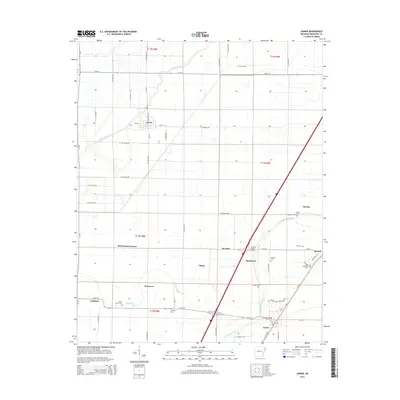 2014 Joiner2014 Print · USGSThe agricultural heart of Mississippi County, Arkansas, is captured here in the mid-2010s, revealing a landscape shaped by drainage and the land grid. Local historians can trace the foundations of Dyess or locate family plots at Saint Marys Cem and Bassett Cem.
 - 2017 Map of Joiner, 2017 Print
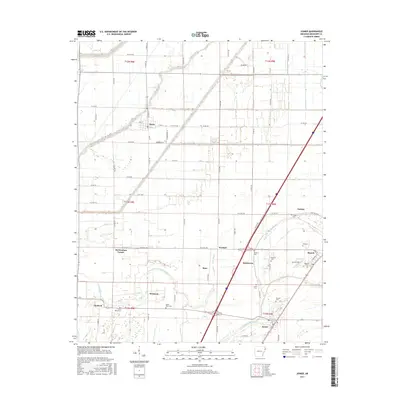 2017 Joiner2017 Print · USGSMississippi County at the edge of the delta comes into focus in this recent survey, showcasing the rural road networks and agricultural hamlets of Northeast Arkansas. Genealogists can trace family connections through numerous local burial sites like Uzzell Cem and Saint Marys Cem near Dyess.
 - 2020 Map of Joiner, 2020 Print
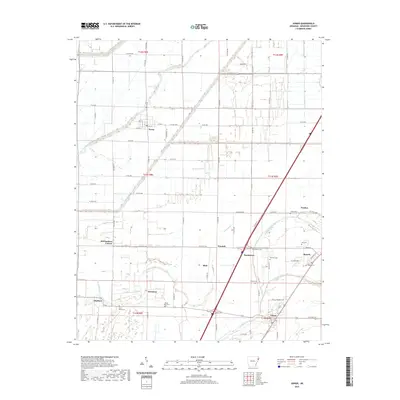 2020 Joiner2020 Print · USGSMississippi County’s agricultural heartland is documented here in the early twenty-first century. Genealogists and historians can trace local family landmarks through sites like Saint Marys Cem, Dyess, and Mount Pisby Cem.
 - 2024 Map of Joiner, 2024 Print
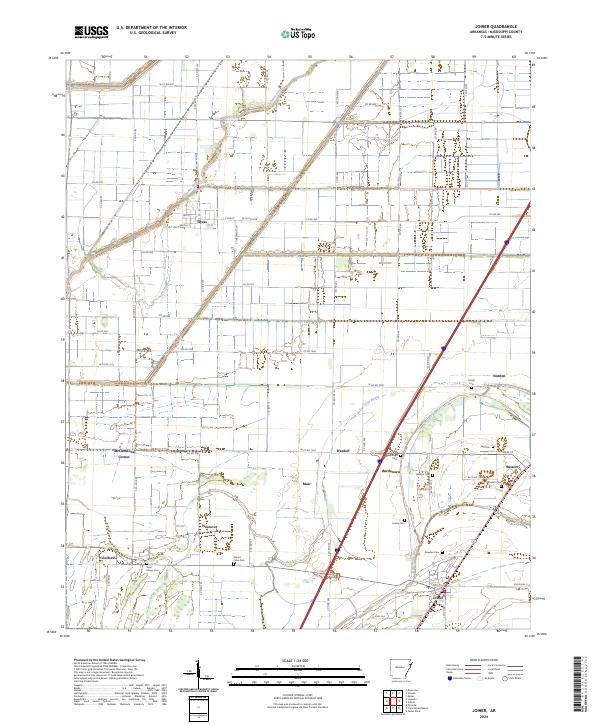 2024 Joiner2024 Print · USGSMississippi County at the modern day continues to reflect its deep agricultural roots and Delta heritage. Genealogists and historians can trace family land and rural communities via landmarks like Mount Pisby Cem, Dyess, and McClendons Corner.
End of results
Showing maps 1-11 of 11
Top cities near Muir
- Osceola historical maps
- Marked Tree historical maps
- Lepanto historical maps
- Caraway historical maps
- Wilson historical maps
- Keiser historical maps
See more
Frequently asked questions
- What are the different types of historical maps available for Muir?
- What is the oldest map of Muir?
- Where can I purchase historical maps of Muir for my home or office?
- Where can I download high-res historical maps of Muir?
- Are there historical topographic maps available for Muir?
- Is there historical aerial imagery available for Muir?
- Where are historical maps of Muir sourced from?