Old Maps of Lay, Colorado
Explore 15 old maps of Lay, spanning from 1916 to today. These high-resolution historic maps reveal how streets, neighborhoods, landmarks, and natural features evolved over time — perfect for genealogy, metal detecting, research, and local history exploration.
What you can do with these maps:
- See how Lay changed over time: Compare historical maps to modern-day views to trace roads, homesites, rail lines & more.
- View detailed metadata: Each map includes creators, publishers, year, scale, and archive source.
- Overlay maps with satellite & LiDAR: Visualize the past alongside modern tools to explore terrain & human change.
- Trusted historical sources: Maps sourced from the USGS, Library of Congress, and other archives.
- Access maps your way: View online, download high-res files, or order prints for personal or research use.
Start exploring old maps of Lay to uncover forgotten places, hidden landmarks, and the deep history beneath your feet.
Lay, CO maps
(15)- 1916 Map of Craig
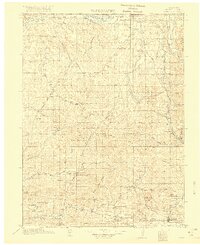 1916 Craig1916 Print · USGSMoffat County ranching and the arrival of the railroad define this era before the Great War. Genealogists can trace homesteads like Blevins Ranch and Seicks Ranch, or locate the Lay Valley School and the early Denver and Salt Lake RR line.2 unique versions available
 - 1954 Map of Craig, 1973 Print
 1954 Craig1973 Print · USGSNorthwest Colorado and the high mountain parks are captured in the mid-fifties, showing the region's ranching, mining, and timber centers. Genealogists and historians can trace rail corridors like the Denver and Rio Grande Western and old towns such as Axial, Milner, and Coalmont.3 unique versions available
 - 1957 Map of Craig
 1957 Craig1957 Print · USGSNorthwest Colorado in the mid-fifties is a landscape of mountain ranching and rail-dependent river towns. Researchers can trace historic coal mining at the Sudduth Mine, follow the Denver and Rio Grande Western tracks, and locate vanished settlements like Pearl.
 - 1958 Map of Craig
 1958 Craig1958 Print · USGSNorthwest Colorado and the High Rockies are captured here in the mid-fifties, showing a landscape of burgeoning water projects and mountain ranching. Genealogists and historians can trace old homesteads and mountain outposts from Grand Lake to Meeker, alongside industrial landmarks like Uranium Mines and the Denver and Rio Grande Western railroad.
 - 1960 Map of Craig
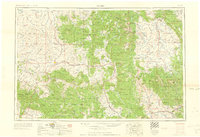 1960 Craig1960 Print · USGSNorthwest Colorado in the 1950s is a landscape of mountain summits and industrial growth at the headwaters of the West. Genealogists and historians can trace rail-town development along the Denver and Salt Lake line, while locating Uranium Mines and settlements like Craig, Meeker, and Steamboat Springs.
 - 1962 Map of Craig
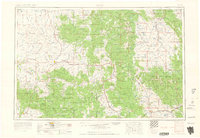 1962 Craig1962 Print · USGSNorthwest Colorado in the early sixties is a land of high-elevation ranching and remote river valleys. Genealogists and historians can trace the Denver and Rio Grande Western rail lines and locate early settlements like Hahns Peak, Meeker, and Juniper Springs.
 - 1964 Map of Craig
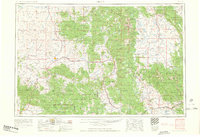 1964 Craig1964 Print · USGSNorthwestern Colorado's high country is captured here during the mid-sixties, from the Yampa River valley to the high peaks of the Park Range. Local researchers can trace the Denver and Rio Grande Western rail line and locate Uranium Mines near Lay.
 - 1965 Map of Craig
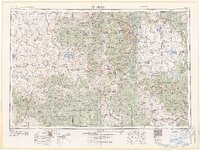 1965 Craig1965 Print · USGSNorthwest Colorado in the mid-sixties is defined by its massive river basins and high mountain ranges flanking the Continental Divide. Trace the routes of the Denver and Rio Grande Western through old settlements like McCoy and Kremmling.
 - 1969 Map of Lay, 1973 Print
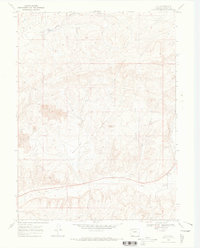 1969 Lay1973 Print · USGSThe community of Lay and its high-plateau surroundings are captured here in the late sixties. Researchers can trace land use through the Strip Mine and water systems like the Aqueduct or find family landmarks like Sugarloaf Peak and Lay Creek.
 - 1979 Map of Craig
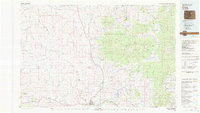 1979 Craig1979 Print · USGSNorthwest Colorado in the late seventies reveals a landscape of industrial expansion and high-country wilderness centered on Craig. Genealogists and historians can trace the legacy of mining and transport through Morgan Creek Mine No 1, the Denver and Rio Grande Western Railroad, and the settlement of Lay.
 - 2010 Map of Lay, 2010 Print
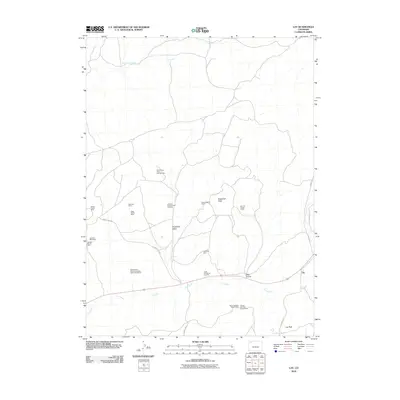 2010 Lay2010 Print · USGSNorthwestern Colorado's high desert reveals a landscape of industrial prospecting and rural settlement near the turn of the decade. Genealogists and historians can trace numerous mineral claims and sites like the Sugarloaf Mine, the Hazel Whetstone Property, and the settlement of Lay.
 - 2013 Map of Lay, 2013 Print
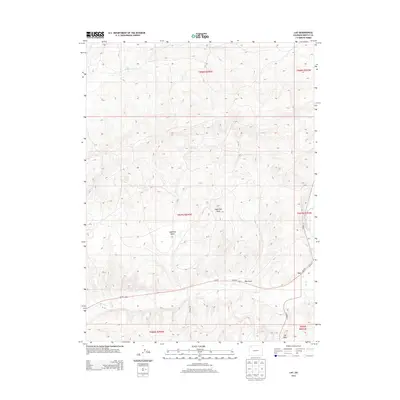 2013 Lay2013 Print · USGSMoffat County's high plains are captured here in the early twenty-first century, centered on the settlement of Lay. Researchers can trace the local geography through landmarks like Sugarloaf Peak, Lay Cr, and the isolated Mud Spring.
 - 2016 Map of Lay, 2016 Print
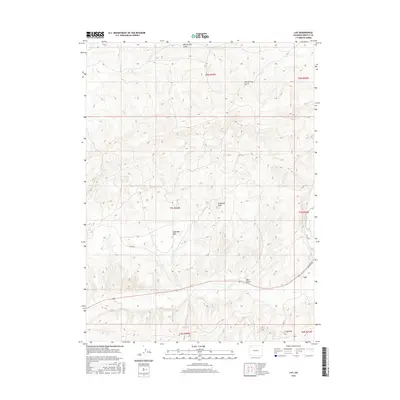 2016 Lay2016 Print · USGSThe settlement of Lay and the surrounding Moffat County terrain are documented here during the mid-2010s. Researchers can trace the high-country landscape from Sugarloaf Peak down to Lay Cr, while identifying local travel routes like CO RD 53 and FRONTAGE RD.
 - 2019 Map of Lay, 2019 Print
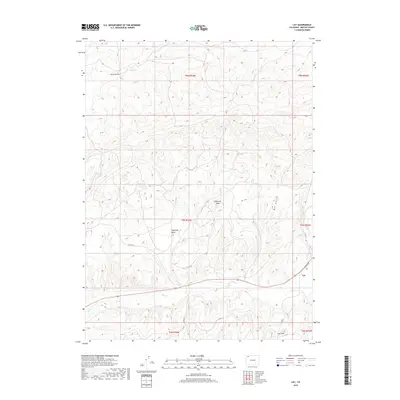 2019 Lay2019 Print · USGSThe high-desert landscape of Moffat County is captured here in the late 2010s, centered on the settlement of Lay. Local historians can trace the rural road network and landmarks like Sugarloaf Peak, Lay Peak, and the waters of Lay Cr.
 - 2022 Map of Lay, 2022 Print
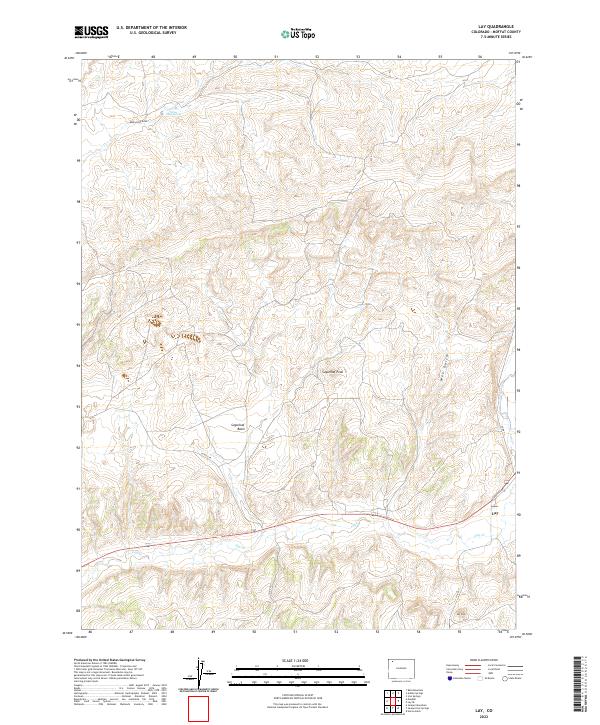 2022 Lay2022 Print · USGSThe community of Lay and the drainage of Lay Cr anchor this high-plains landscape in Moffat County. Genealogists and researchers can trace the rural road networks and family-named landmarks like Sugarloaf Peak and Mud Spring.
End of results
Showing maps 1-15 of 15
Frequently asked questions
- What are the different types of historical maps available for Lay?
- What is the oldest map of Lay?
- Where can I purchase historical maps of Lay for my home or office?
- Where can I download high-res historical maps of Lay?
- Are there historical topographic maps available for Lay?
- Is there historical aerial imagery available for Lay?
- Where are historical maps of Lay sourced from?