Old Maps of Louisa County, Iowa for Academic Research
Study the evolution of Louisa County with 107 high-resolution historic maps. Whether you're teaching, researching, or modeling changes in land use, these maps provide essential visual documentation of urban, environmental, and geographic change.
- Analyze long-term change: Track patterns in development, transportation, and natural features.
- Ideal for environmental or urban studies: Support academic projects with primary historical map data.
- Use in the classroom or lab: Educators and researchers rely on these maps to bring historical context to life.
These maps are a powerful tool for teaching, research, and visualizing how Louisa County has changed over the decades.
Louisa County, IA maps
(107)- 1935 Map of Keithsburg
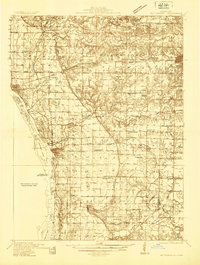 1935 Keithsburg1935 Print · USGSMercer County during the mid-thirties reveals a landscape of river towns and railroad junctions along the Mississippi. Genealogists and local historians can trace rural roots at Peniel Ch, Brick Cem, and numerous schoolhouses like Hazel Dell Sch.4 unique versions available
 - 1941 Map of Keithsburg
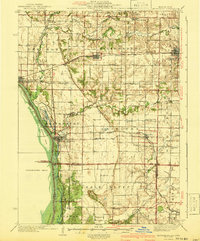 1941 Keithsburg1941 Print · USGSThe Mississippi River front in Mercer County thrived during the early 1940s as a hub of rail and river commerce. Genealogists can trace family footprints through dozens of rural landmarks, from Peniel Ch to schoolhouses like Prouty Sch and Lee Sch.2 unique versions available
 - 1946 Map of Wapello, 1954 Print
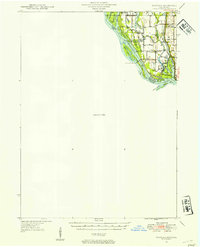 1946 Wapello1954 Print · USGSThe riverfront town of New Boston and the surrounding islands are captured in the mid-1940s as the Mississippi River meets the Iowa River. Researchers can trace the era's local rural life at Swan Lake Sch, Pin Oak Sch, and the engineering at Lock and Dam No 17.2 unique versions available
 - 1948 Map of Muscatine
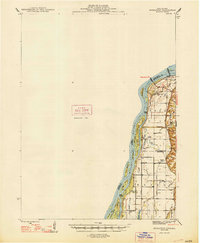 1948 Muscatine1948 Print · USGSThe Mississippi River bottomlands along the Iowa-Illinois border are captured here in the late 1940s, showing a transition from river commerce to intensive drainage agriculture. Researchers can trace rural school districts like Lillibridge Sch and local landmarks such as the Muscatine Bridge and Glancey Lake.2 unique versions available
 - 1949 Map of Wapello
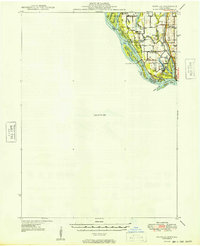 1949 Wapello1949 Print · USGSThe riverfront of Mercer County and the Mississippi border appear here in the late 1940s, just after the war. Local historians can trace the river's path through Lock and Dam No 17, find rural schoolhouses like Bay View Sch, or locate the Ferry at the mouth of the Iowa River.2 unique versions available
 - 1953 Map of Toolesboro, 1958 Print
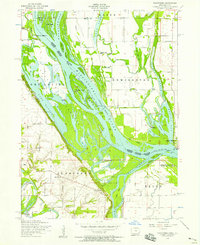 1953 Toolesboro1958 Print · USGSThe Mississippi River valley along the Iowa-Illinois border comes alive in the 1950s, showcasing a landscape of shifting sloughs and river commerce. Genealogists and historians can trace family roots through Mallory Cemetery or locate the site of the New Boston Ferry and local landmarks like Pin Oak School.2 unique versions available
 - 1953 Map of Blanchard Island, 1958 Print
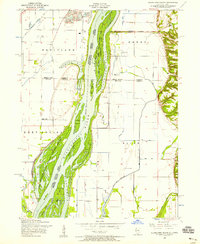 1953 Blanchard Island1958 Print · USGSThe Mississippi River bottomlands between Illinois and Iowa are captured here in the early fifties, showing a landscape of complex chutes and islands. Genealogists can locate rural landmarks like Island Church, Reynolds Cemetery, and several local schools such as Excelsior School.2 unique versions available
 - 1953 Map of Joy, 1958 Print
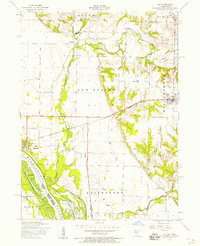 1953 Joy1958 Print · USGSMercer County, Illinois, is captured in the early 1950s as the rail and river landscape of New Boston and Joy continued to evolve. Researchers can locate rural landmarks like Lone Star School, Shields Cemetery, and the path of the dismantled railroad.2 unique versions available
 - 1958 Map of Davenport, 1968 Print
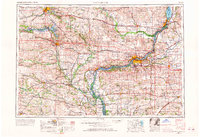 1958 Davenport1968 Print · USGSEastern Iowa and western Illinois thrive along the river during the late fifties, defined by the industrial Quad Cities and a robust rail network. Genealogists can trace family roots through settlements like Oasis and Stanwood or along the Cedar River.2 unique versions available
 - 1961 Map of Davenport
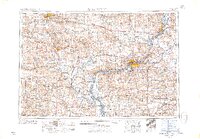 1961 Davenport1961 Print · USGSThe Quad Cities and the eastern Iowa riverlands are captured here in the early sixties, showing the region's transition into a modern industrial and transit hub. Genealogists and historians can trace the paths of major railroads and find river landmarks like Rock Island Arsenal, Huron Island, and the Coralville Reservoir.
 - 1962 Map of Davenport
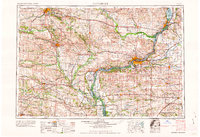 1962 Davenport1962 Print · USGSThe Quad Cities and the Mississippi River corridor are shown at their industrial peak just before the interstate era fully transformed the region. Researchers can trace the sprawling rail networks of the Chicago Rock Island and Pacific and find landmarks like the Rock Island Arsenal and Wild Cat Den State Park.
 - 1965 Map of Mediapolis, 1966 Print
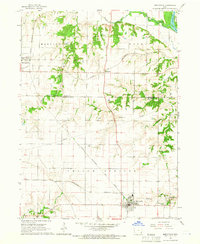 1965 Mediapolis1966 Print · USGSMediapolis and Morning Sun are captured in the mid-1960s as vital rail hubs at the junction of three major railroad lines. Genealogists can locate family sites at Linn Grove Cem & Ch, Bethel Cem, and the small settlement of Kossuth.
 - 1965 Map of Letts, 1966 Print
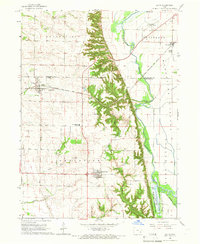 1965 Letts1966 Print · USGSEastern Iowa's riverine border comes into focus in the mid-sixties, where the Muscatine Slough meets the developed farmsteads of the interior. Genealogists and local historians can trace family plots at Lettsville Cem or Thompson Cem and locate landmarks like Gospel Hall Ch.
 - 1965 Map of Oakville, 1967 Print
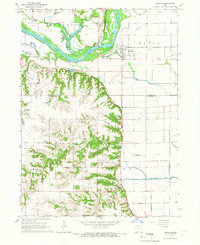 1965 Oakville1967 Print · USGSSoutheast Iowa in the mid-1960s reveals a landscape defined by the river bottomlands and the transition to the southern uplands. Genealogists can trace family landmarks like Parson Cem and Old Swedish Cem, or locate rail junctions at Elrick Junction and Oakville.
 - 1965 Map of Wapello, 1967 Print
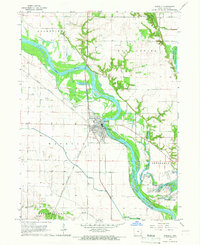 1965 Wapello1967 Print · USGSWapello and the Iowa River valley are captured in the mid-1960s, showing a landscape defined by riverside wetlands and rail corridors. Trace family history at Wapello Cem or Harrison Cem, and follow the Chicago Rock Island and Pacific railroad through town.
 - 1969 Map of Lone Tree, 1972 Print
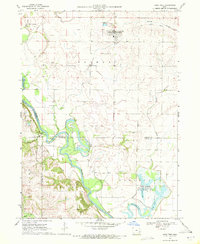 1969 Lone Tree1972 Print · USGSLone Tree and the river bottomlands of Johnson and Louisa Counties are captured here in the late sixties. Genealogists can trace family landmarks like Evans Cem and Swank Ch, while the Old Railroad Grade marks a vanished rail corridor.
 - 1970 Map of Cotter, 1972 Print
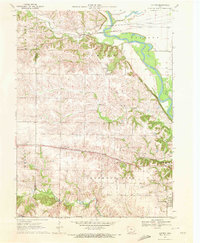 1970 Cotter1972 Print · USGSLouisa County, Iowa, is captured in the early seventies, showing a landscape defined by the convergence of the Iowa River and major rail lines. Genealogists can locate several family burial sites like Bethel Cem and Boston Cem or trace the early town layouts of Cotter and Columbus City.
 - 1970 Map of Columbus Junction, 1972 Print
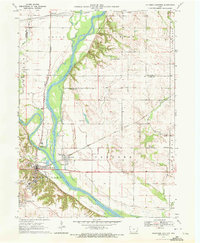 1970 Columbus Junction1972 Print · USGSLouisa and Muscatine Counties are captured here in the early 1970s at the strategic meeting of the rivers. Genealogists can trace rural roots through several local burial grounds like Newell Cem and Concord Cem or the community life at the Fairground.
 - 1970 Map of Nichols, 1972 Print
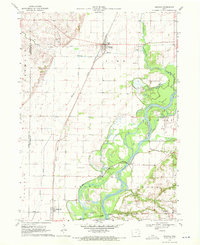 1970 Nichols1972 Print · USGSThe river and rail networks of Muscatine and Louisa counties are meticulously detailed in the early 1970s. Trace family history through numerous burial sites like Lone Tree Cem and Brockway Cem, or follow the legacy of the Chicago Rock Island and Pacific railroad through Nichols.2 unique versions available
 - 1981 Map of Cairo
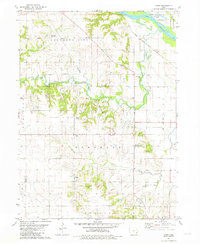 1981 Cairo1981 Print · USGSLouisa County’s agricultural heartland is documented here in the early eighties, centered on the village of Cairo. Researchers can trace old family roots at Cairo Cem or locate former community gathering spots like the Louisa Center Ch and Virginia Grove Park.
 - 1981 Map of Morning Sun
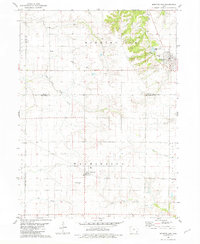 1981 Morning Sun1981 Print · USGSMorning Sun and Yarmouth appear here in the early 1980s, illustrating the agricultural and civic layout of the Louisa and Des Moines county border. Genealogists can locate family sites like Elmwood Cem and Rice Cem or trace the paths of East Fork Crooked Creek and Flint Creek.
 - 1981 Map of Winfield North
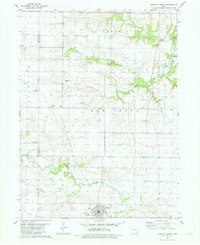 1981 Winfield North1981 Print · USGSWinfield and the townships of Louisa and Henry counties are documented here in the early eighties. Local historians can trace the Old Railroad Grade and locate family burial sites at Covenantor Cem or Cambrian Cem.
 - 1982 Map of Keithsburg, 1983 Print
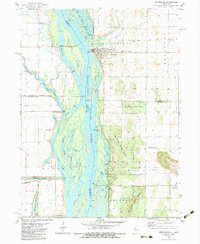 1982 Keithsburg1983 Print · USGSThe riverfront town of Keithsburg and its surrounding Illinois and Iowa bottomlands are captured here in the early eighties. Genealogists and historians can trace the Old Railroad Grade, locate the St Marys Cem, and explore the wetlands of the Mark Twain National Wildlife Refuge.
 - 1984 Map of Muscatine, 1985 Print
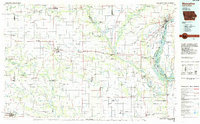 1984 Muscatine1985 Print · USGSThe Mississippi River corridor and Iowa prairie meet in the 1980s, showcasing a landscape of river navigation and agricultural heartland. Genealogists and researchers can locate old schools and landmarks like Maharishi International University, Elm Grove Cem, and Lock & Dam No 16.2 unique versions available
 - 1984 Map of Aledo, 1985 Print
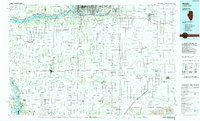 1984 Aledo1985 Print · USGSThe Mississippi River borderlands and Illinois heartland are captured here in the mid-eighties as industry and agriculture overlap. Trace the Hennepin Canal, the historic Swedish colony at Bishop Hill, and the rail corridors of the Burlington Northern.
Showing maps 1-25 of 107
Top cities of Louisa County
- Wapello historical maps
- Columbus Junction historical maps
- Morning Sun historical maps
- Grandview historical maps
- Columbus City historical maps
- Letts historical maps
See more
Frequently asked questions
- What are the different types of historical maps available for Louisa County?
- What is the oldest map of Louisa County?
- Where can I purchase historical maps of Louisa County for my home or office?
- Where can I download high-res historical maps of Louisa County?
- Are there historical topographic maps available for Louisa County?
- Is there historical aerial imagery available for Louisa County?
- Where are historical maps of Louisa County sourced from?