Old Maps of Barber, Kansas
Explore 18 old maps of Barber, spanning from 1884 to today. These high-resolution historic maps reveal how streets, neighborhoods, landmarks, and natural features evolved over time — perfect for genealogy, metal detecting, research, and local history exploration.
What you can do with these maps:
- See how Barber changed over time: Compare historical maps to modern-day views to trace roads, homesites, rail lines & more.
- View detailed metadata: Each map includes creators, publishers, year, scale, and archive source.
- Overlay maps with satellite & LiDAR: Visualize the past alongside modern tools to explore terrain & human change.
- Trusted historical sources: Maps sourced from the USGS, Library of Congress, and other archives.
- Access maps your way: View online, download high-res files, or order prints for personal or research use.
Start exploring old maps of Barber to uncover forgotten places, hidden landmarks, and the deep history beneath your feet.
Barber, KS maps
(18)- 1884 Map of Fort Scott, 1954 Print
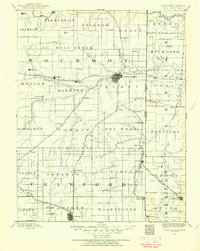 1884 Fort Scott1954 Print · USGSSoutheast Kansas is documented here in the late nineteenth century as a booming railroad hub centered on Fort Scott. Researchers can trace the early townships and rail sidings at Hiattville, Uniontown, and along the banks of the Marmaton River.
 - 1886 Map of Fort Scott
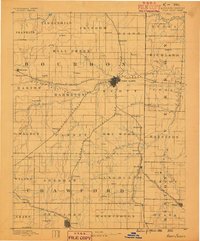 1886 Fort Scott1886 Print · USGSSoutheast Kansas comes alive in the mid-1880s as Fort Scott emerges as a powerful railroad junction connecting the prairie to the world. Genealogists and historians can trace old property boundaries and rail stops like Uniontown, Hiattville, and the remote Timber Hill.
 - 1893 Map of Fort Scott
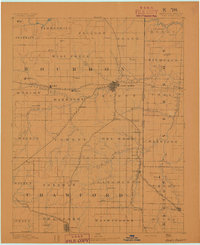 1893 Fort Scott1893 Print · USGSSoutheast Kansas at the end of the nineteenth century was a bustling nexus of competing rail lines and river valley settlements. Genealogists and historians can trace the early footprints of Fort Scott and rural communities like Zenia (Hay) or Cato along the Marmaton River.7 unique versions available
 - 1947 Map of Joplin, 1954 Print
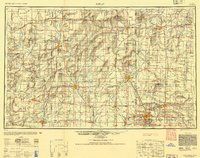 1947 Joplin1954 Print · USGSThe borderlands of Missouri, Kansas, and Oklahoma are shown here during the late 1940s, a period of heavy industrial and military activity. Researchers can trace the extensive Tri-State Mining District, the layout of Camp Crowder, and local landmarks like Mount Hope Cem.
 - 1948 Map of Mulberry, 1954 Print
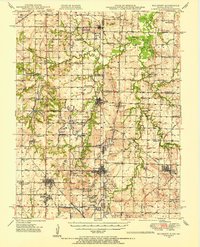 1948 Mulberry1954 Print · USGSThe Kansas-Missouri border was a hive of industrial activity just after the war, marked by extensive coal excavations. Genealogists can trace family roots through dozens of rural schools and small settlements like Arma, Croweburg, and Coalvale.2 unique versions available
 - 1949 Map of Joplin
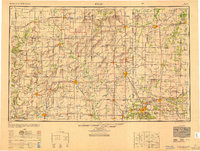 1949 Joplin1949 Print · USGSThe Kansas-Missouri borderlands thrive in the late 1940s, showing a robust network of railroad towns and river valleys. Researchers can trace historic rail lines like the Missouri Pacific RR and locate rural centers such as Chanute, Iola, and Fort Scott.
 - 1950 Map of Mulberry
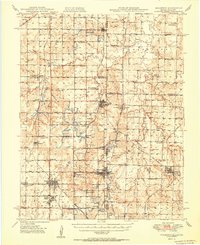 1950 Mulberry1950 Print · USGSThe Kansas-Missouri borderlands at mid-century are defined here by a dense network of coal-mining towns and rail lines. Genealogists can trace family roots through numerous local landmarks like McKill Chapel, the settlement of Red Onion, and the layout of Camp 50.2 unique versions available
 - 1954 Map of Joplin, 1967 Print
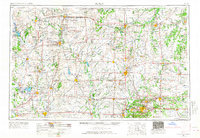 1954 Joplin1967 Print · USGSThe tri-state border region of Kansas, Missouri, and Oklahoma is captured here during a peak era of mid-century industrial and agricultural activity. Researchers can trace family history through dozens of rural cemeteries or locate landmarks like the Kansas Army Ammunition Plant and Pittsburg State University.3 unique versions available
 - 1958 Map of Joplin
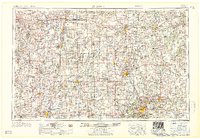 1958 Joplin1958 Print · USGSThe tri-state border region of Missouri, Kansas, and Oklahoma is shown during the late fifties, a time of heavy rail traffic and mining activity. Local historians can trace the industrial landscape through the Joplin & Pittsburg Ry or locate family sites like Zion Ch and Bender Mounds.
 - 1959 Map of Joplin
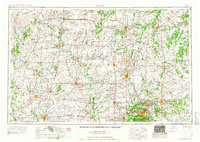 1959 Joplin1959 Print · USGSThe Tri-State region’s mining and rail-driven economy is on full display in the late fifties. Genealogists can locate Lead and Zinc Mines near Joplin, family markers at Oak Hill Cem, and military history at Camp Clark.
 - 1959 Map of Arma, 1960 Print
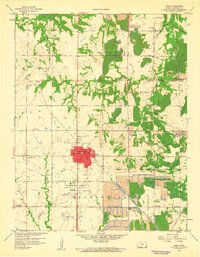 1959 Arma1960 Print · USGSCrawford County's coal mining heartland is captured in the late fifties as heavy industry reshaped the Kansas prairie. Researchers can trace family ties to local hubs like Arma and Franklin or find small company settlements such as Croweburg and Curranville near the Strip Mines.2 unique versions available
 - 1986 Map of Nevada
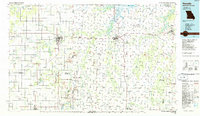 1986 Nevada1986 Print · USGSThe Missouri-Kansas borderlands in the mid-1980s show a landscape of active rail lines and coal mining. Researchers can trace the Old Military Road or locate family plots in the National Cemetery and Deepwood Cemetery.
 - 1991 Map of Nevada
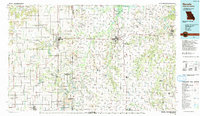 1991 Nevada1991 Print · USGSThis borderland region in the early nineties captures the transition from Kansas plains to Missouri timber. Researchers can trace family history through Bunn Cemetery, locate the Camp Clark Military Reservation, and explore rail towns like Nevada and Fort Scott.
 - 2009 Map of Arma, 2009 Print
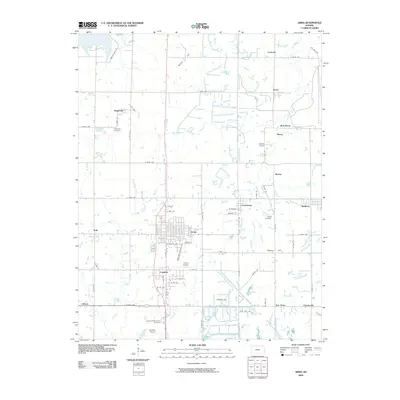 2009 Arma2009 Print · USGSCrawford County at the start of the 21st century reveals a landscape shaped by its coal-mining history and small-town connections. Researchers can trace the layout of early settlements like Arma and Franklin, or locate family sites at Smilie Cemetery and Englevale Cemetery.
 - 2012 Map of Arma, 2012 Print
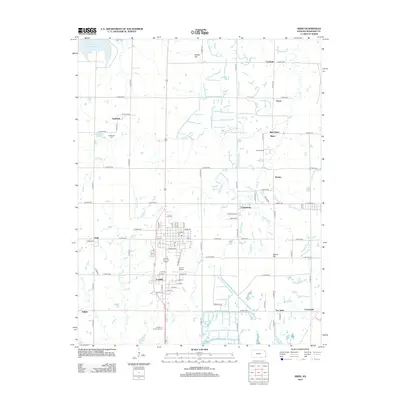 2012 Arma2012 Print · USGSSoutheast Kansas in the early twenty-first century reveals a landscape of enduring small communities and rural roads. Genealogists and historians can trace the footprints of Croweburg, Franklin, and Breezy Hill alongside the Englevale Cem.
 - 2015 Map of Arma, 2015 Print
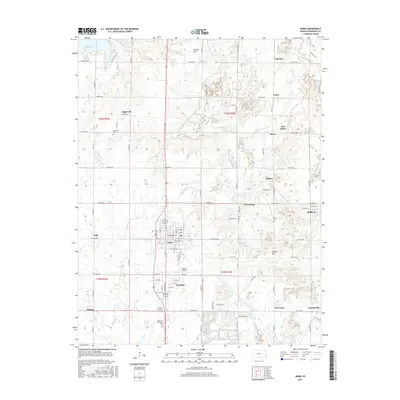 2015 Arma2015 Print · USGSSoutheast Kansas at the turn of the twenty-first century reveals a landscape shaped by local industry and small-town roots. Genealogists and historians can trace numerous community hubs and burial sites like Englevale Cem, Croweburg, and Garden of Memories Cem.
 - 2018 Map of Arma, 2018 Print
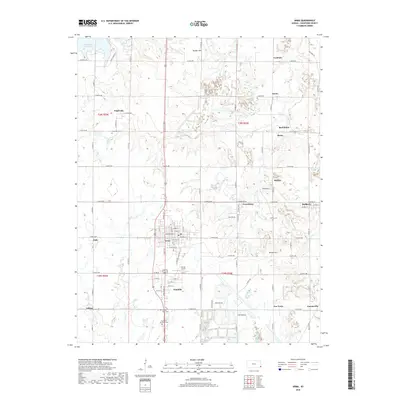 2018 Arma2018 Print · USGSCrawford County, Kansas, is documented here in the modern era, showing the enduring layout of its coal-country towns. Genealogists can locate family burial sites at Smilie Cem and Garden of Memories Cem near Arma and Franklin.
 - 2022 Map of Arma, 2022 Print
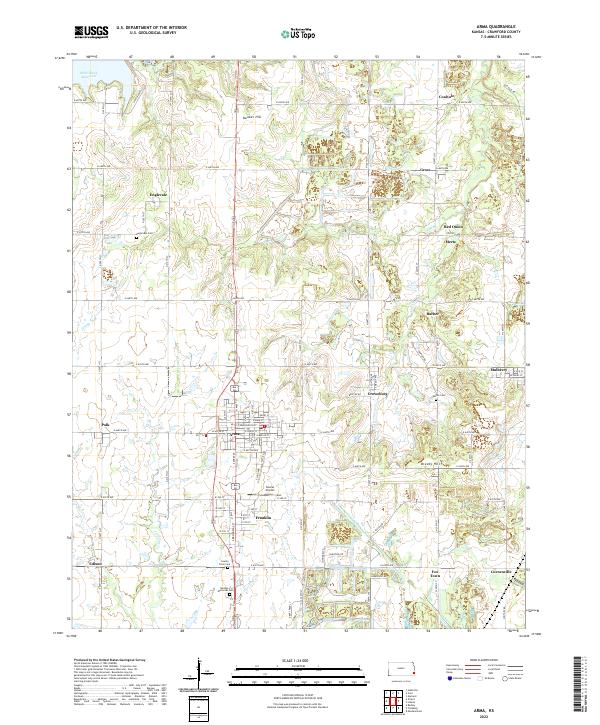 2022 Arma2022 Print · USGSCrawford County's coal-mining heritage is visible across this Kansas landscape, showing the persistent layout of small towns and rural homesteads. Genealogists and historians can locate family landmarks at Englevale Cem or trace the communities of Croweburg and Franklin.
End of results
Showing maps 1-18 of 18
Top cities near Barber
- Pittsburg historical maps
- Fort Scott historical maps
- Frontenac historical maps
- Girard historical maps
- Arma historical maps
- Liberal historical maps
See more
Frequently asked questions
- What are the different types of historical maps available for Barber?
- What is the oldest map of Barber?
- Where can I purchase historical maps of Barber for my home or office?
- Where can I download high-res historical maps of Barber?
- Are there historical topographic maps available for Barber?
- Is there historical aerial imagery available for Barber?
- Where are historical maps of Barber sourced from?