1900s (20th Century) Maps of West Point, Phippsburg
Explore 11 historic maps of West Point from the 1900s (20th Century). These maps offer a rare glimpse into what life looked like during the 1900s — showing old roads, neighborhoods, homes, and landmarks that have changed or disappeared over time.
Whether you're researching your family's past, planning a metal detecting trip, or studying how West Point's landscape evolved across the 1900s, these high-resolution maps are a powerful tool for exploring the history of this region.
- Focus on a specific era: All maps on this page are from the 1900s, giving you a focused view of this time period.
- See what’s changed: Compare century-old streets, trails, and buildings to today's modern landscape using overlays and satellite layers.
- Research with precision: Use these maps for genealogy, historical research, land use analysis, or educational projects.
- View, download, or print: Maps are fully viewable online in high resolution, and can be downloaded or printed for your own records.
Start exploring West Point's history through authentic maps from the 1900s. This is your window into the past.
West Point, Phippsburg maps
(11)- 1919 Map of Small Point
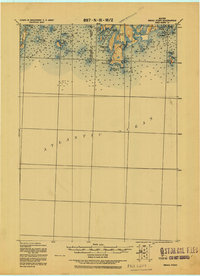 1919 Small Point1919 Print · USGSThe Maine coastline at the mouth of the Kennebec is captured in this era of transition, detailing the rocky islands and harbors of the outer Casco Bay. Genealogists and maritime historians can trace coastal settlements at Popham Beach and Bailey Island, or locate landmarks like Seguin Light and Small Pt Harbor.
 - 1944 Map of Small Point
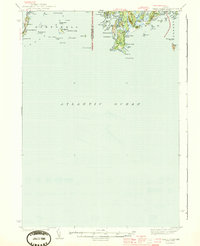 1944 Small Point1944 Print · USGSThe Maine coastline during the early 1940s reveals a maritime landscape of isolated peninsulas and island fishing communities. Genealogists and coastal historians can trace the foundations of Popham Beach, explore the landing at West Point, and locate family landmarks from Bailey Island to Morse Mountain.3 unique versions available
 - 1948 Map of Bath
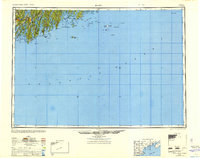 1948 Bath1948 Print · USGSMid-coast Maine’s intricate shoreline and island outposts are captured here just after the war. Researchers can trace historic maritime settlements from Bath to Friendship and locate remote landmarks like Monhegan Island and Pemaquid Point.2 unique versions available
 - 1956 Map of Bath, 1974 Print
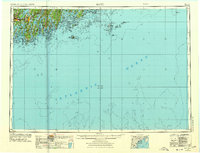 1956 Bath1974 Print · USGSCoastal Maine in the mid-fifties reveals a landscape of deep-water harbors and island outposts as the region transitioned from industrial roots to a summer destination. Genealogists can trace maritime families in Boothbay Harbor, Tenants Harbor, and on remote Monhegan Island.
 - 1957 Map of Bath
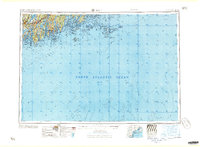 1957 Bath1957 Print · USGSThe Maine coast in the mid-fifties is captured here, from the shipbuilding hubs of Bath and Brunswick to the granite reaches of Rockland. Researchers can trace the Maine Central RR line and remote island outposts like Monhegan Island and Matinicus Isle.
 - 1957 Map of Small Point, 1959 Print
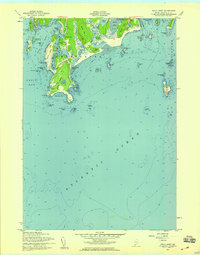 1957 Small Point1959 Print · USGSThe Phippsburg peninsula in the late fifties remains a landscape of military defenses and coastal retreats at the mouth of the Kennebec. Researchers can trace the grounds of Fort Baldwin, find the Lookout Tower at Cape Small, or locate the seasonal settlements at Popham Beach.3 unique versions available
 - 1957 Map of Small Point, 1960 Print
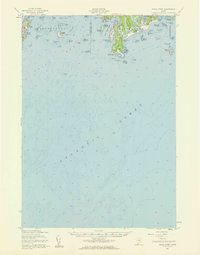 1957 Small Point1960 Print · USGSThe Phippsburg peninsula and Harpswell islands are shown in detail during the late fifties, capturing the area's coastal defense and maritime heritage. Researchers can trace the layout of Fort Baldwin, the summer settlement at Popham Beach, and the landmarks of Bailey Island.4 unique versions available
 - 1958 Map of Bath
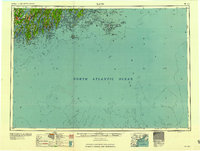 1958 Bath1958 Print · USGSCoastal Maine in the late fifties reveals a landscape of industrial river towns and remote island outposts. Genealogists and historians can trace the Maine Central RR through Bath, explore the islands of Muscongus Bay, or locate seafaring families at Pemaquid Point.
 - 1963 Map of Bath
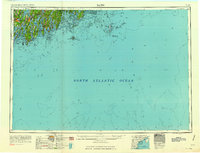 1963 Bath1963 Print · USGSThe Maine Midcoast in the early sixties remains a world of tidal rivers and jagged peninsulas tied to the sea. Genealogy and local history researchers can trace the rail lines of the Maine Central RR and locate offshore communities like Matinicus Island and Monhegan.2 unique versions available
 - 1965 Map of Bath
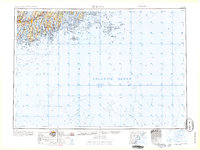 1965 Bath1965 Print · USGSThe Midcoast Maine shoreline and its archipelago come alive in the mid-1960s, showing the region's deep reliance on river and rail. Researchers can trace historic harbor towns like Boothbay Harbor and Damariscotta, and locate coastal landmarks from Pemaquid Point to the Fort Popham Military Res.
 - 1985 Map of Bath, 1986 Print
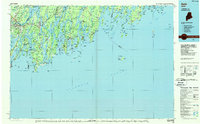 1985 Bath1986 Print · USGSMidcoast Maine in the mid-eighties shows a landscape of deep-water harbors and strategic military installations. Researchers can trace the coastal rail lines of the Maine Central RR and locate landmarks from Popham Beach to the remote Monhegan Plantation.2 unique versions available
End of results
Showing maps 1-11 of 11
Frequently asked questions
- What are the different types of historical maps available for West Point?
- What is the oldest map of West Point?
- Where can I purchase historical maps of West Point for my home or office?
- Where can I download high-res historical maps of West Point?
- Are there historical topographic maps available for West Point?
- Is there historical aerial imagery available for West Point?
- Where are historical maps of West Point sourced from?