Old Maps of Alfred Mills, Alfred
Explore 17 old maps of Alfred Mills, spanning from 1891 to today. These high-resolution historic maps reveal how streets, neighborhoods, landmarks, and natural features evolved over time — perfect for genealogy, metal detecting, research, and local history exploration.
What you can do with these maps:
- See how Alfred Mills changed over time: Compare historical maps to modern-day views to trace roads, homesites, rail lines & more.
- View detailed metadata: Each map includes creators, publishers, year, scale, and archive source.
- Overlay maps with satellite & LiDAR: Visualize the past alongside modern tools to explore terrain & human change.
- Trusted historical sources: Maps sourced from the USGS, Library of Congress, and other archives.
- Access maps your way: View online, download high-res files, or order prints for personal or research use.
Start exploring old maps of Alfred Mills to uncover forgotten places, hidden landmarks, and the deep history beneath your feet.
Alfred Mills, Alfred maps
(17)- 1891 Map of Kennebunk
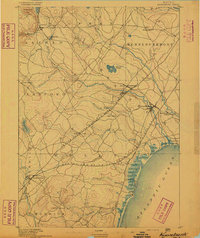 1891 Kennebunk1891 Print · USGSCoastal York County comes alive in the late Victorian era as the railroad network expands through the marshes and timberlands. Researchers can trace the dual tracks of the Boston and Maine Railroad and locate vanished stops like Wells Depot or the early industry at Littlefield's Mills.
 - 1893 Map of Kennebunk
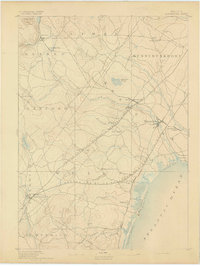 1893 Kennebunk1893 Print · USGSThe coastal and inland reaches of York County are documented here in the final decade of the nineteenth century, showing a landscape defined by river power and rail. Genealogists and historians can trace the early layouts of Littlefield's Mills, the bustling Kennebunk Landing, and the tracks of the Boston and Maine Railroad.
 - 1898 Map of Kennebunk
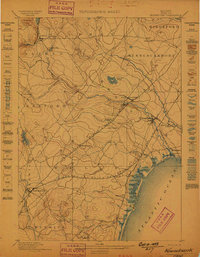 1898 Kennebunk1898 Print · USGSThe York County coastline and inland mill towns thrive in the late nineteenth century as the railroad era reaches its peak. Genealogists and historians can trace old homesteads and depots near Littlefields Mills, Kennebunk Landing, and the seaside reaches of Ogunquit.6 unique versions available
 - 1941 Map of Kennebunk, 1952 Print
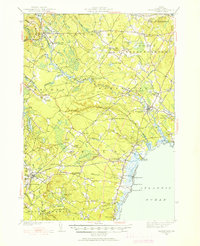 1941 Kennebunk1952 Print · USGSCoastal Maine in the early 1940s reveals a landscape of industrial mill sites and growing seaside resorts connected by the nascent Maine Turnpike. Genealogists can trace family roots through numerous numbered schoolhouses and landmarks like Merriland Ch and Evergreen Cem.2 unique versions available
 - 1944 Map of Kennebunk
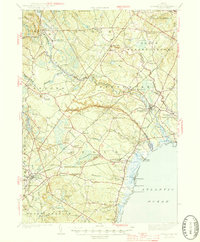 1944 Kennebunk1944 Print · USGSCoastal Maine thrives along the rivers and rails of York County in the early 1940s. Genealogists and historians can trace family roots through numerous local landmarks, from Evergreen Cem and Merriland Ch to the many numbered schoolhouses like School No 10.2 unique versions available
 - 1949 Map of Portland
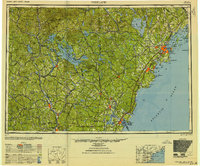 1949 Portland1949 Print · USGSCoastal Maine and the New Hampshire interior are shown in detail during the late forties, from the bustling harbors to the lakeside villages. Researchers can trace historical rail networks like the Boston & Maine RR and locate coastal defenses such as Fort Preble.3 unique versions available
 - 1956 Map of Kennebunk, 1959 Print
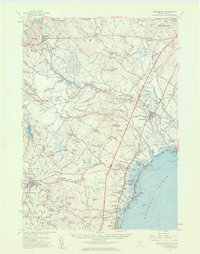 1956 Kennebunk1959 Print · USGSCoastal York County during the mid-fifties shows a fascinating mix of old mill culture and new turnpike development. Researchers can trace family history through dozens of named locations like Hobbs Crossing, Parsonage Corner, and Bartlett Mills.4 unique versions available
 - 1956 Map of Portland, 1963 Print
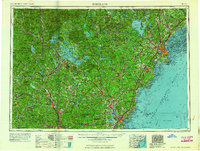 1956 Portland1963 Print · USGSSouthern Maine and eastern New Hampshire are captured here in the mid-fifties, during a time of major highway expansion and military growth. You can trace the path of the Maine Turnpike and locate landmarks like the Portsmouth Naval Shipyard and Sebago Lake.4 unique versions available
 - 1959 Map of Portland
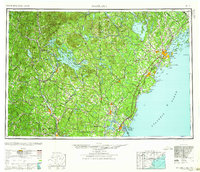 1959 Portland1959 Print · USGSThe Maine and New Hampshire coastlines meet in this mid-century portrait of maritime commerce and inland rail networks. Researchers can trace the legacy of coastal defense at Fort Williams and follow the historic path of the Maine Central RR through the White Mountain National Forest.2 unique versions available
 - 1963 Map of Portland
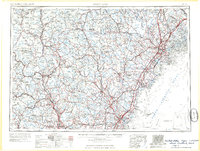 1963 Portland1963 Print · USGSCoastal Maine and New Hampshire thrived as maritime and industrial hubs during the mid-sixties, linked by a dense network of rail and river. Researchers can trace historic transit corridors like the Maine Central RR and locate key sites such as the Portsmouth Naval Shipyard or Pease Air Force Base.3 unique versions available
 - 1983 Map of Alfred, 1984 Print
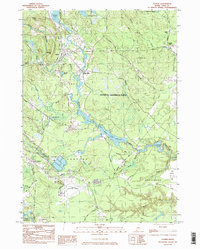 1983 Alfred1984 Print · USGSYork County in the early 1980s reveals a balance of industrial growth and preserved wilderness along the Mousam River. Genealogists and historians can trace family locations near Evergreen Cem, the County Jail in Alfred, or the old mill sites at Spang Mills.2 unique versions available
 - 1985 Map of Kittery, 1986 Print
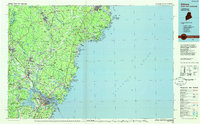 1985 Kittery1986 Print · USGSThe Maine and New Hampshire borderlands are shown here in the mid-eighties, centered on the strategic Piscataqua River harbor. Genealogists and historians can trace the development of coastal towns like York or locate the sprawling Portsmouth Naval Shipyard and Pease Air Force Base.2 unique versions available
 - 2011 Map of Alfred, 2011 Print
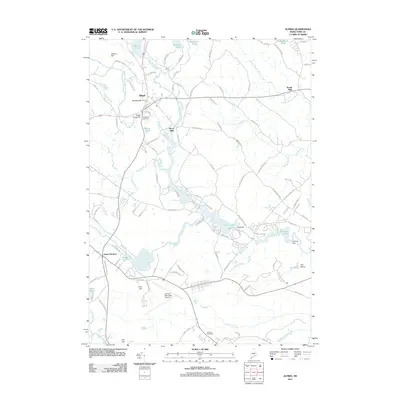 2011 Alfred2011 Print · USGSAlfred and South Sanford are depicted here in the early twenty-first century, showing a mix of historic mill sites and modern transit. Researchers can trace local heritage at Evergreen Cemetery or locate industrial markers like Spang Mills and the Old Falls Dam.
 - 2014 Map of Alfred, 2014 Print
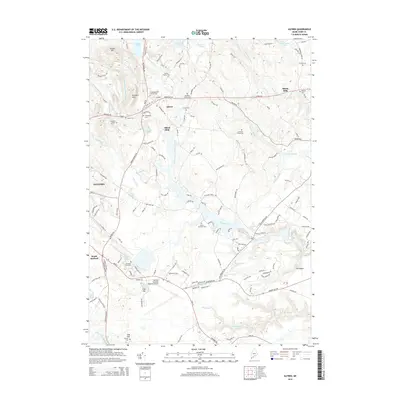 2014 Alfred2014 Print · USGSYork County's river-driven geography comes into focus in this early twenty-first-century study of the Alfred and Sanford area. Researchers can trace family-named lands and burial sites such as the Nutter Family Cem, Davis Getchell Cem, and the Bickford Morse Lot.
 - 2018 Map of Alfred, 2018 Print
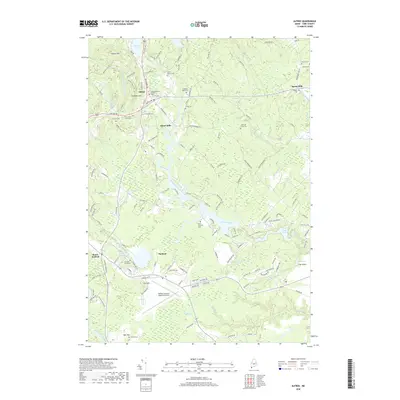 2018 Alfred2018 Print · USGSYork County's interior comes into focus here in the late 2010s, showcasing the development of Alfred and Sanford along the Mousam River. Researchers can trace family history at the Fletcher Graveyard or locate early industrial sites like Alfred Mills.
 - 2021 Map of Alfred, 2021 Print
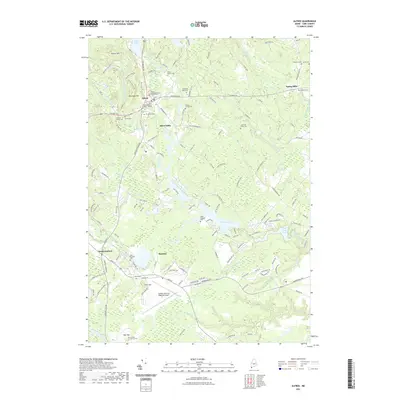 2021 Alfred2021 Print · USGSMaine's York County comes to life in this recent study of the Sanford and Alfred area during a period of modern growth and historical preservation. Genealogists can trace family lineage through numerous private burial plots like the John Fletcher Cem, Roberts Cem, and Friend Family Cem.
 - 2024 Map of Alfred, 2024 Print
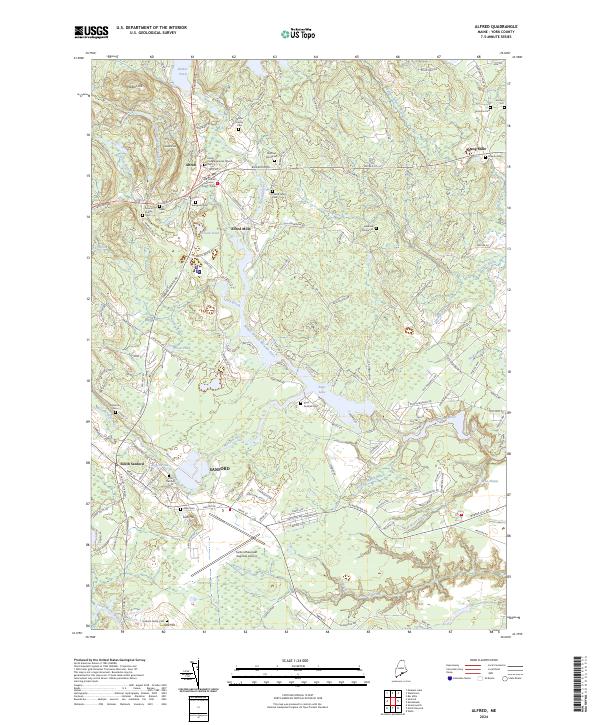 2024 Alfred2024 Print · USGSThe York County landscape in the early twenty-first century shows a mix of civic tradition and modern infrastructure. Genealogists can trace family heritage through numerous burial sites like Evergreen Cem and the Roberts Cem, while exploring the layout of Alfred and Sanford.
End of results
Showing maps 1-17 of 17
Frequently asked questions
- What are the different types of historical maps available for Alfred Mills?
- What is the oldest map of Alfred Mills?
- Where can I purchase historical maps of Alfred Mills for my home or office?
- Where can I download high-res historical maps of Alfred Mills?
- Are there historical topographic maps available for Alfred Mills?
- Is there historical aerial imagery available for Alfred Mills?
- Where are historical maps of Alfred Mills sourced from?