Old Maps of Morse Village, New Salem for Academic Research
Study the evolution of Morse Village with 23 high-resolution historic maps. Whether you're teaching, researching, or modeling changes in land use, these maps provide essential visual documentation of urban, environmental, and geographic change.
- Analyze long-term change: Track patterns in development, transportation, and natural features.
- Ideal for environmental or urban studies: Support academic projects with primary historical map data.
- Use in the classroom or lab: Educators and researchers rely on these maps to bring historical context to life.
These maps are a powerful tool for teaching, research, and visualizing how Morse Village has changed over the decades.
Morse Village, New Salem maps
(23)- 1887 Map of Warwick
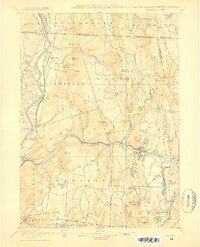 1887 Warwick1887 Print · USGSUpper Massachusetts and the New Hampshire border at the close of the nineteenth century reveal a landscape of river-powered industry and rail-connected villages. Researchers can trace the path of the Fitchburg R.R. through Millers Falls or locate early river crossings like Munns Ferry.
 - 1889 Map of Warwick
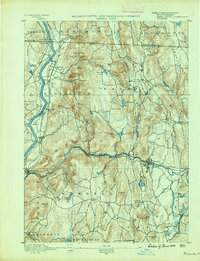 1889 Warwick1889 Print · USGSFranklin County in the late 1880s was defined by its busy rail junctions and river valleys. Genealogists and historians can trace the development of Orange and Northfield, or locate vanished rail stops like Gill Station and Wendell Depot along the Fitchburg Railroad.
 - 1894 Map of Warwick
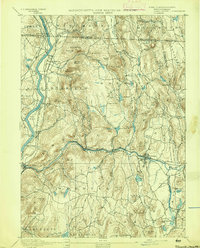 1894 Warwick1894 Print · USGSNorthern Massachusetts and New Hampshire borderlands are captured here in the late nineteenth century, showing a landscape shaped by the Millers River. Researchers can trace the path of the Central Vermont Railroad and find early settlements like Wendell Depot and Northfield.6 unique versions available
 - 1935 Map of Warwick
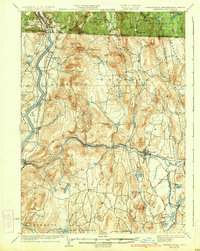 1935 Warwick1935 Print · USGSUpper Massachusetts and the Tri-State borderlands thrive during the mid-thirties as rail corridors and river valleys connect mountain villages. Researchers can trace the Central Vermont Ry through Northfield or locate family landmarks like Barrows Cem and Barber Sch.2 unique versions available
 - 1937 Map of Orange
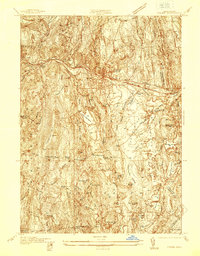 1937 Orange1937 Print · USGSThe Millers River valley and the Franklin-Worcester county line are captured here in the late thirties. Researchers can trace the Boston and Maine Railroad through Orange or locate family sites like Wilbur Cem and Morse Village Sch.
 - 1941 Map of Orange
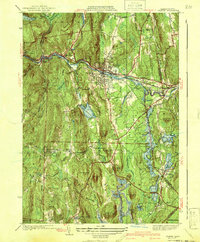 1941 Orange1941 Print · USGSFranklin County in the early 1940s reveals a transition from the industrial Millers River valley to the rural highlands above the Quabbin Reservoir. Local researchers can trace family landmarks like the Morse Village Sch, Jones Cem, and the old rail siding at Wendell Depot.3 unique versions available
 - 1942 Map of Keene
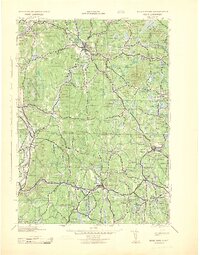 1942 Keene1942 Print · USGSCheshire County at the start of the war shows a landscape of busy river valleys and upland farms. You can trace the path of the Boston & Maine RR through towns like Westmoreland and find old district landmarks like Sch No 10 or the Rand Cem.
 - 1948 Map of Albany, 1951 Print
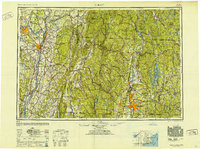 1948 Albany1951 Print · USGSThe Hudson and Connecticut River valleys are captured here in the late 1940s, showing the vital rail and water corridors of the Northeast. You can trace the Boston and Maine tracks past Mt Greylock or locate early settlements like Great Barrington and Bennington.
 - 1948 Map of Orange, 1958 Print
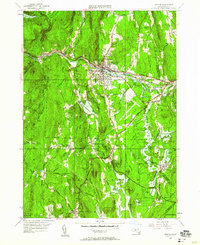 1948 Orange1958 Print · USGSThe Millers River valley and the emerging shoreline of the Quabbin Reservoir define this central Massachusetts landscape in the late nineteen-forties. Researchers can trace the Boston and Maine rail line through Orange or locate family sites near North New Salem and South Athol.2 unique versions available
 - 1956 Map of Albany, 1968 Print
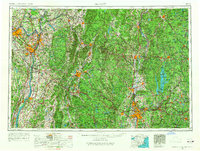 1956 Albany1968 Print · USGSThe industrial heart of the Northeast is revealed in the mid-1950s, from the Hudson Valley to the Connecticut River. Researchers can trace the legacy of the Quabbin Reservoir, locate Westover Air Force Base, or follow the Rutland RR through the Green Mountains.2 unique versions available
 - 1957 Map of Albany
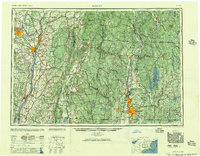 1957 Albany1957 Print · USGSThe Tri-State region and Connecticut River Valley are captured here during a period of significant postwar growth and infrastructure expansion. Genealogists and historians can trace the rail-and-river economy through landmarks like the Boston and Maine railroad, Quabbin Reservoir, and Westover Air Force Base.
 - 1959 Map of Albany
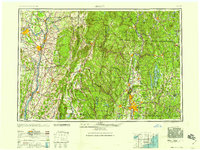 1959 Albany1959 Print · USGSThe Hudson and Connecticut River valleys are captured here during the late fifties, showing the region's dense rail networks and massive water projects. Researchers can trace the New York State Thruway or locate local landmarks like Mt Greylock and the Quabbin Reservoir.
 - 1961 Map of Orange, 1963 Print
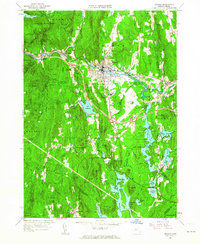 1961 Orange1963 Print · USGSOrange and the Millers River valley are captured here in the early sixties as industrial rail hubs transitioned into a landscape of sprawling state forests. Trace historic village sites like Morse Village and Wendell Depot, or locate family landmarks near Lake Mattawa.2 unique versions available
 - 1962 Map of Albany
 1962 Albany1962 Print · USGSThe Hudson and Connecticut River valleys meet the Green Mountains and Berkshires in this mid-century overview of the Northeast. Genealogists and historians can trace the industrial hearts of Albany and Springfield or locate features like Quabbin Reservoir and Westover Air Force Base.
 - 1975 Map of Orange, 1981 Print
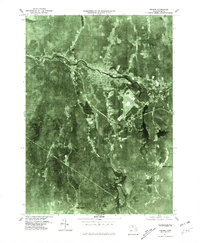 1975 Orange1981 Print · USGSFranklin County's industrial and rural landscape is seen from above in the mid-seventies, centered on the river-front town of Orange. Researchers can trace the layout of Orange, the northern reaches of the Quabbin Reservoir, and the airfield at The Plains.
 - 1977 Map of Orange, 1978 Print
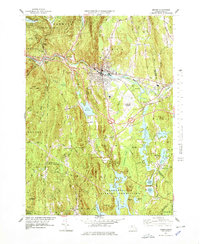 1977 Orange1978 Print · USGSThe Millers River valley in the 1970s shows a landscape of dense state forests and small railroad hamlets. Researchers can trace family sites from Wendell Depot to South Athol, including the Village Ch and the waters of Lake Mattawa.
 - 1986 Map of Keene
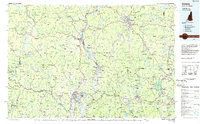 1986 Keene1986 Print · USGSThe tri-state borderlands of the Connecticut River Valley come alive in this mid-eighties survey of southern Vermont, New Hampshire, and Massachusetts. Genealogists and historians can trace rail-era villages like Ashuelot and Millers Falls alongside landmarks like Marlboro College and Monadnock Mountain.3 unique versions available
 - 1990 Map of Orange
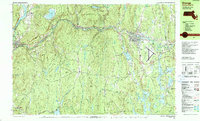 1990 Orange1990 Print · USGSFranklin County's river valleys and state forests are meticulously detailed in the late twentieth century, showing the intersection of industry and nature. Genealogists can locate family burial sites at Dry Hill Cem and Wilbur Cem or trace the path of the Boston and Maine RR.2 unique versions available
 - 2012 Map of Orange, 2012 Print
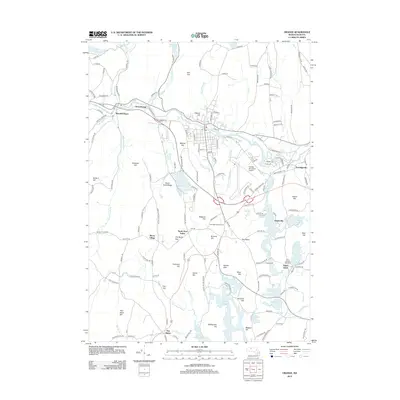 2012 Orange2012 Print · USGSIn this 2012 survey, the Millers River valley and the northern banks of the Quabbin Reservoir reveal the complex history of these central Massachusetts towns. Researchers can trace family history through locations like Morse Village, South Athol, and the Branch Cem.
 - 2015 Map of Orange, 2015 Print
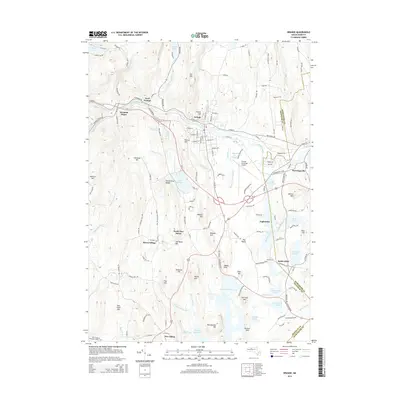 2015 Orange2015 Print · USGSSpanning the Franklin and Worcester county lines, this study captures the industrial valley of Orange and the rural uplands of New Salem. Researchers can trace the path of the B & M RR or locate family sites near Morse Village and the Branch Cem.
 - 2018 Map of Orange, 2018 Print
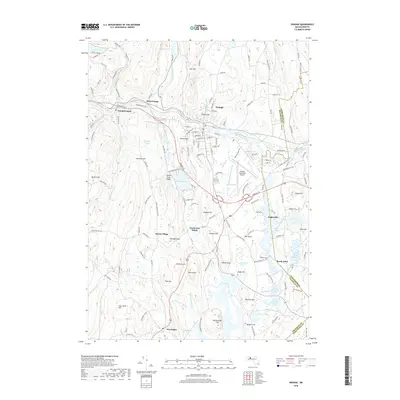 2018 Orange2018 Print · USGSSettled along the Millers River in the early twenty-first century, this Massachusetts landscape is a mix of industrial river towns and upland hamlets. Genealogists can locate family-named sites like Morse Village and Branch Cemetery or trace the geography of Lake Mattawa and South Athol.
 - 2021 Map of Orange, 2021 Print
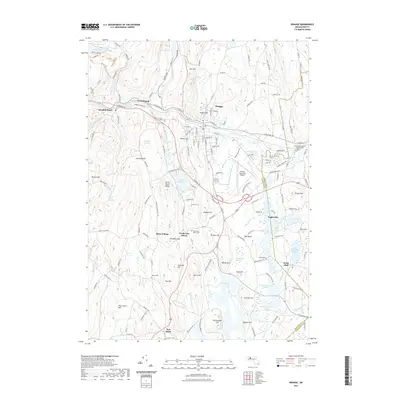 2021 Orange2021 Print · USGSThis part of central Massachusetts shows a landscape defined by the Millers River valley and the northern reaches of the Quabbin Reservoir in recent years. Researchers can locate family-named hills and historic burial sites such as Wilber Cem and the North New Salem Cem.
 - 2024 Map of Orange, 2024 Print
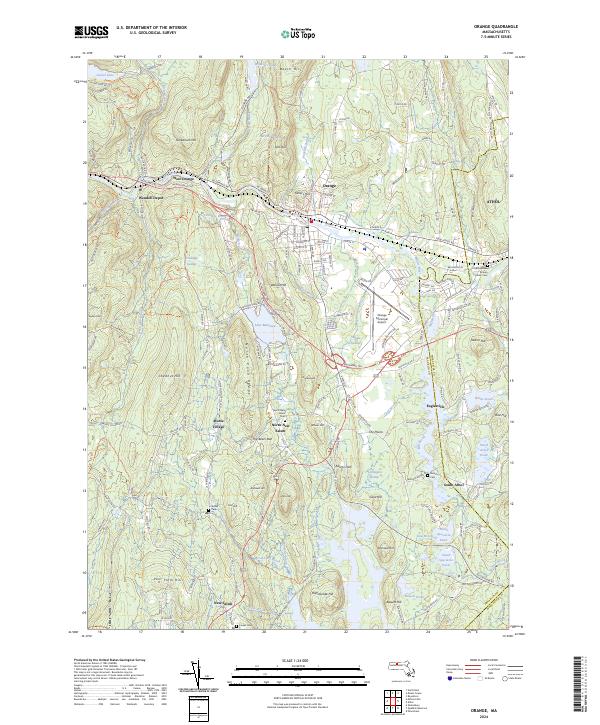 2024 Orange2024 Print · USGSThe Millers River valley in the 2020s remains a hub of activity between the ridges of Franklin and Worcester counties. Researchers can locate ancestral sites like North New Salem Cem or trace the geography of Wendell Depot and Morse Village.
End of results
Showing maps 1-23 of 23
Top cities near Morse Village
- Amherst historical maps
- Greenfield historical maps
- Belchertown historical maps
- Athol historical maps
- Winchendon historical maps
- Ware historical maps
See more
Frequently asked questions
- What are the different types of historical maps available for Morse Village?
- What is the oldest map of Morse Village?
- Where can I purchase historical maps of Morse Village for my home or office?
- Where can I download high-res historical maps of Morse Village?
- Are there historical topographic maps available for Morse Village?
- Is there historical aerial imagery available for Morse Village?
- Where are historical maps of Morse Village sourced from?