Old Maps of Texa Tonka, Saint Louis Park
Explore 20 old maps of Texa Tonka, spanning from 1896 to today. These high-resolution historic maps reveal how streets, neighborhoods, landmarks, and natural features evolved over time — perfect for genealogy, metal detecting, research, and local history exploration.
What you can do with these maps:
- See how Texa Tonka changed over time: Compare historical maps to modern-day views to trace roads, homesites, rail lines & more.
- View detailed metadata: Each map includes creators, publishers, year, scale, and archive source.
- Overlay maps with satellite & LiDAR: Visualize the past alongside modern tools to explore terrain & human change.
- Trusted historical sources: Maps sourced from the USGS, Library of Congress, and other archives.
- Access maps your way: View online, download high-res files, or order prints for personal or research use.
Start exploring old maps of Texa Tonka to uncover forgotten places, hidden landmarks, and the deep history beneath your feet.
Texa Tonka, Saint Louis Park maps
(20)- 1896 Map of Minneapolis
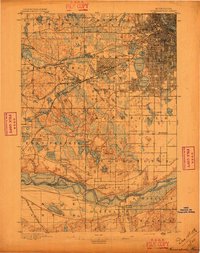 1896 Minneapolis1896 Print · USGSHennepin County and the Minnesota River valley appear here in the mid-1890s, when the region was a mix of lakeside retreats and rail-side settlements. Genealogists and local historians can locate early landmarks like Edina Mills, the Washburn Home, and the Bloomington Ferry crossing.
 - 1901 Map of Minneapolis
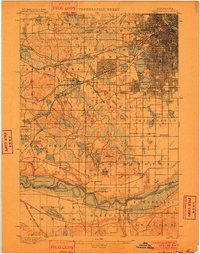 1901 Minneapolis1901 Print · USGSThe Twin Cities suburbs begin to take shape in the late nineteenth century as rail lines weave through lake-studded prairies. Trace the origins of local industry and transit at Edina Mills, the Bloomington Ferry, and the St. Louis Park rail junction.8 unique versions available
 - 1952 Map of Minneapolis South, 1954 Print
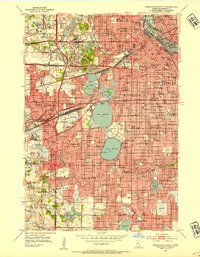 1952 Minneapolis South1954 Print · USGSMid-century Minneapolis and its growing western suburbs are documented here during a period of significant post-war expansion. Genealogists and local historians can trace the development of Edina and St Louis Park or locate family sites near Lakewood Cemetery and St Marys Cemetery.2 unique versions available
 - 1953 Map of Saint Paul, 1964 Print
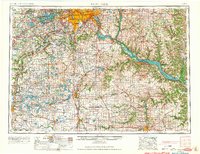 1953 Saint Paul1964 Print · USGSThe Twin Cities and the Mississippi River valley are captured here at a mid-century turning point. Trace the early growth of Minneapolis and Saint Paul alongside landmarks like Lake Minnetonka and the St Croix River.4 unique versions available
 - 1954 Map of Hopkins, 1956 Print
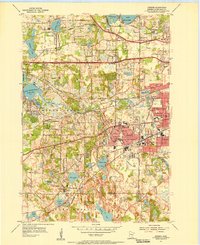 1954 Hopkins1956 Print · USGSThe Western Minneapolis suburbs are shown here in the mid-1950s as they transitioned from rural outposts to established communities. Genealogists and historians can trace institutional sites like the Glen Lake Sanatorium, the Minneapolis Penal Institution, and the Shady Oak Sch (Abandoned).2 unique versions available
 - 1954 Map of Minneapolis, 1959 Print
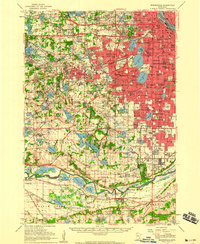 1954 Minneapolis1959 Print · USGSThe Twin Cities suburbs were in the midst of a post-war transformation during the early fifties as the urban grid expanded into the surrounding lake country. Researchers can find many lost local landmarks, from the Glen Lake Sanatorium and Flying Cloud Airport to the rural Eden Prairie Ch and Bloomington Cem.
 - 1959 Map of Saint Paul
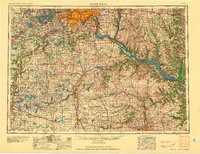 1959 Saint Paul1959 Print · USGSThe Twin Cities and southeastern Minnesota appear here in the late fifties, showing the peak of the rail era and post-war suburban growth. Genealogists can trace family footprints near Lake Minnetonka, the Univ Of Minn Rosemount Research Center, or the growing neighborhoods of Richfield.2 unique versions available
 - 1967 Map of Minneapolis South, 1969 Print
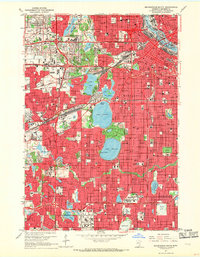 1967 Minneapolis South1969 Print · USGSThe Twin Cities suburbs and urban core are seen here during the late sixties, as the region's lakefronts and parkways matured. Researchers can trace the development of Southdale, locate family plots in Lakewood Cemetery, or study the rail corridors of the Great Northern.6 unique versions available
 - 1967 Map of Hopkins, 1969 Print
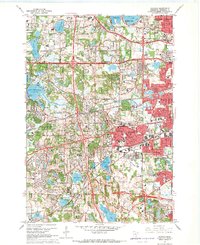 1967 Hopkins1969 Print · USGSSuburban expansion and civic institutions define this Hennepin County landscape during the late sixties. Genealogists and local historians can trace legacy sites like the Glen Lake State Sanatorium, Minnetonka Mills, and the Grand View Park Cemetery.5 unique versions available
 - 1985 Map of Saint Paul
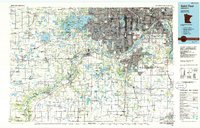 1985 Saint Paul1985 Print · USGSThe Twin Cities metropolitan area and its southern suburbs are captured here in the mid-eighties as the urban landscape expanded toward the Minnesota River. Researchers can trace the layout of the Fort Snelling Military Reservation, find local landmarks like St Benedict Church, and study the rail routes of the Soo Line.2 unique versions available
 - 2010 Map of Hopkins, 2010 Print
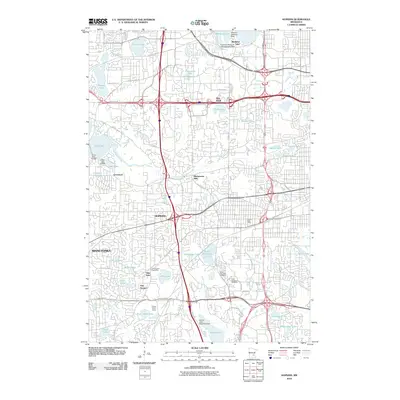 2010 Hopkins2010 Print · USGSHennepin County’s western suburbs are captured here at the start of the decade, showing a landscape defined by interconnected lakes and major transit corridors. You can trace local history through the Minnetonka Mills settlement, the Indian Chief Camp, and several specialized landing sites like the Peterson Seaplane Base.
 - 2010 Map of Minneapolis South, 2010 Print
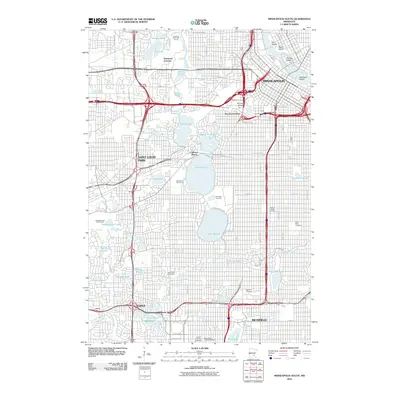 2010 Minneapolis South2010 Print · USGSThe Twin Cities area is shown here in the early twenty-first century, featuring the dense residential grids and iconic lake systems of southern Minneapolis. Genealogists and researchers can trace local landmarks like Lakewood Cemetery, the river islands including Nicollet Island, and suburban developments in Edina.
 - 2013 Map of Minneapolis South, 2013 Print
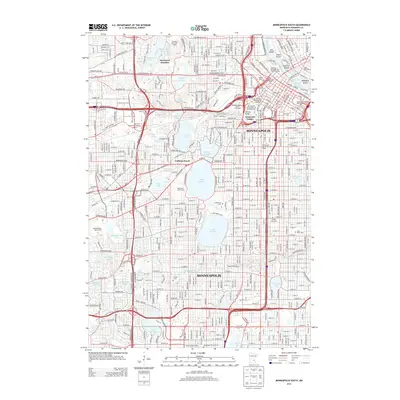 2013 Minneapolis South2013 Print · USGSMinneapolis in the early 2010s is showcased here through its iconic Chain of Lakes and the riverfront that fueled its earliest industry. Researchers can trace historic neighborhoods like Kenwood Gables, local landmarks like the Hubert H Humphrey Metrodome, and burial records at Lakewood Cem or Saint Marys Cem.
 - 2013 Map of Hopkins, 2013 Print
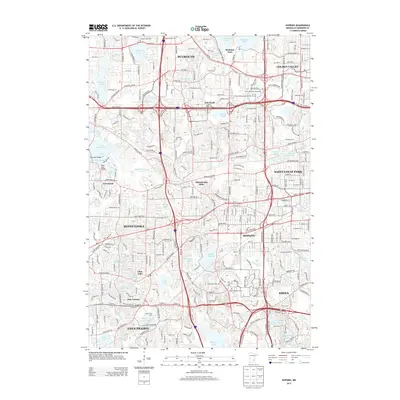 2013 Hopkins2013 Print · USGSHennepin County suburbs are shown in a moment of dense growth during the early 2010s, with a heavy emphasis on the region's complex lake and creek systems. Genealogists and local historians can locate Parkers Lake Cemetery, the historic Minnetonka Mills, and the Indian Chief Camp near Birch Island Lake.
 - 2016 Map of Hopkins, 2016 Print
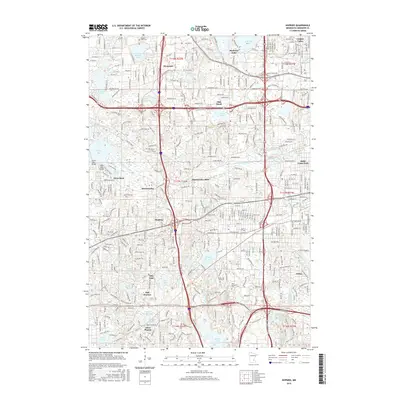 2016 Hopkins2016 Print · USGSHennepin County suburbs are shown in high detail during the early 2010s, capturing the transition from historic mill sites to modern residential hubs. Researchers can trace local heritage through Minnetonka Mills, Parkers Lake Cem, and the CP Rail corridor.
 - 2016 Map of Minneapolis South, 2016 Print
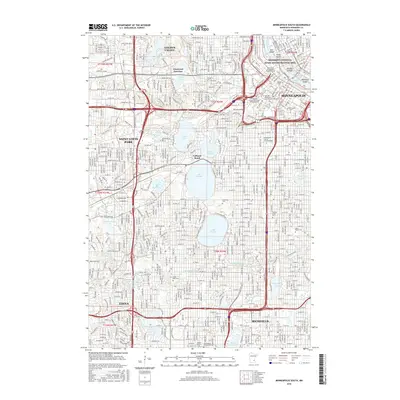 2016 Minneapolis South2016 Print · USGSMinneapolis and its western suburbs appear here in a modern era of dense urban integration and expansive park systems. Researchers can trace historic boundaries and land use through numerous burial sites like Lakewood Cem or the industrial corridors near Glenwood Junction.
 - 2019 Map of Minneapolis South, 2019 Print
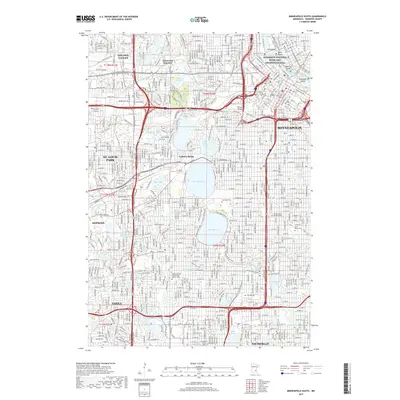 2019 Minneapolis South2019 Print · USGSModern Minneapolis and its western suburbs are detailed here at the end of the 2010s. Researchers can trace historic cemeteries like Lakewood Cem or follow the shoreline of Bde Maka Ska and the industry near Nicollet Island.
 - 2019 Map of Hopkins, 2019 Print
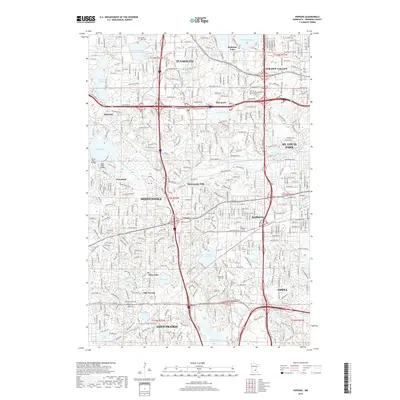 2019 Hopkins2019 Print · USGSHennepin County’s western suburbs are captured here in the late twenty-tens, showing a landscape where modern development meets historic glacial lakes. Trace the growth of Hopkins and Plymouth, or locate local landmarks like Minnetonka Mills and Parkers Lake Cem.
 - 2022 Map of Minneapolis South, 2022 Print
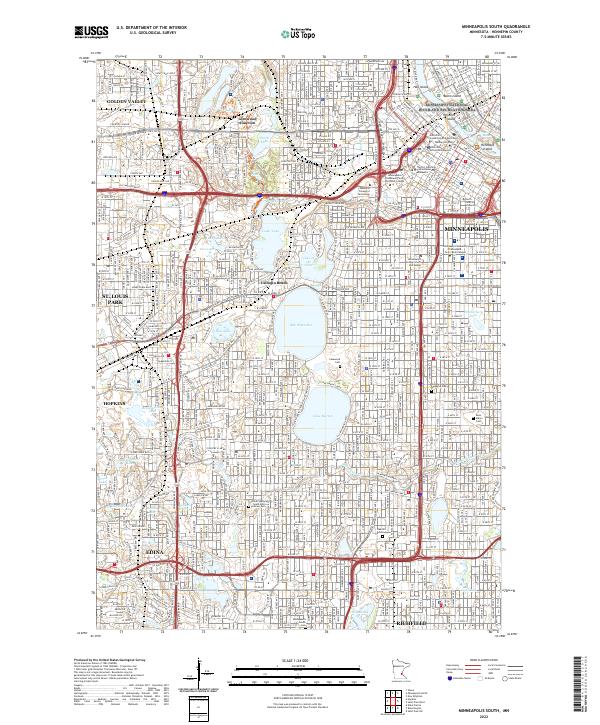 2022 Minneapolis South2022 Print · USGSThe Minneapolis lake district and Mississippi riverfront are captured here in the early 2020s, showing a densely developed urban core and its southern suburbs. Researchers can locate significant burial grounds like Lakewood Cemetery and trace the shores of Bde Maka Ska and Lake Harriet.
 - 2022 Map of Hopkins, 2022 Print
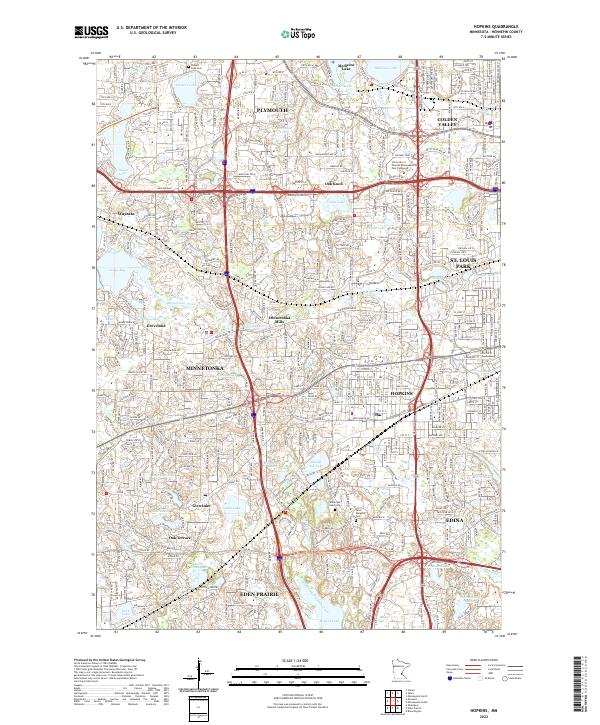 2022 Hopkins2022 Print · USGSHennepin County’s western suburbs are captured in high detail during the early 2020s, showing the dense residential and commercial growth around historic water bodies. Researchers can trace local landmarks like Minnetonka Mills, Parkers Lake Cem, and the path of Minnehaha Creek.
End of results
Showing maps 1-20 of 20
Frequently asked questions
- What are the different types of historical maps available for Texa Tonka?
- What is the oldest map of Texa Tonka?
- Where can I purchase historical maps of Texa Tonka for my home or office?
- Where can I download high-res historical maps of Texa Tonka?
- Are there historical topographic maps available for Texa Tonka?
- Is there historical aerial imagery available for Texa Tonka?
- Where are historical maps of Texa Tonka sourced from?