Old Maps of Wright County, Minnesota for Genealogy
Trace your family roots with 198 historic maps of Wright County. These high-res maps reveal old neighborhoods, homesites, landmarks, and streets — helping you uncover where your ancestors lived and how the area evolved over time.
- Explore historic neighborhoods: Identify where your relatives may have lived in the 1800s or 1900s.
- Compare maps over time: Trace the changes in streets, buildings, and landmarks for multi-generational research.
- Perfect for genealogy & ancestry research: Used by family historians and researchers to map out lineage and migration.
These maps are an incredible resource for exploring your personal connection to Wright County's past.
Wright County, MN maps
(198)- 1909 Map of Rockford
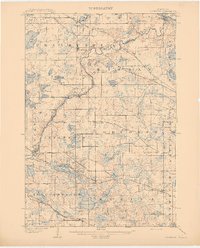 1909 Rockford1909 Print · USGSWright and Hennepin counties are shown here in the first decade of the twentieth century as the railroads transformed rural Minnesota. Genealogists can locate family-named features like Berning Mill, Salem Church, and early schools in Burschville or Hassan.2 unique versions available
 - 1951 Map of Annandale, 1953 Print
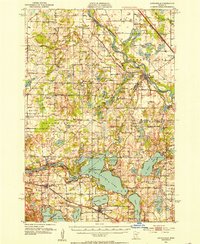 1951 Annandale1953 Print · USGSCentral Minnesota's lake country is captured here in the early fifties, showing the rural communities of Wright and Stearns Counties. Researchers can locate numerous family landmarks, from Silver Creek Ch to numbered schoolhouses and Bungalow Island on Clearwater Lake.2 unique versions available
 - 1953 Map of Saint Paul, 1964 Print
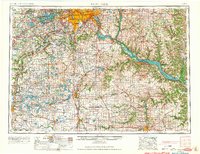 1953 Saint Paul1964 Print · USGSThe Twin Cities and the Mississippi River valley are captured here at a mid-century turning point. Trace the early growth of Minneapolis and Saint Paul alongside landmarks like Lake Minnetonka and the St Croix River.4 unique versions available
 - 1953 Map of New Ulm, 1968 Print
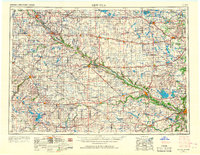 1953 New Ulm1968 Print · USGSSouthern Minnesota in the mid-1950s is defined by its deep river valleys and the expanding reach of the Great Northern and Chicago and North Western railroads. Researchers can trace rural lineages through landmarks like the Milford State Monument, St. John's Ch, and the Upper Sioux Indian Res.3 unique versions available
 - 1953 Map of Saint Cloud, 1968 Print
 1953 Saint Cloud1968 Print · USGSCentral Minnesota's lake country and the Mississippi River valley are caught in a period of steady mid-century growth. Researchers can trace historic rail lines, old granite works, and local landmarks like St. Johns University, Camp Ripley, and the shores of Lake Minnewaska.3 unique versions available
 - 1953 Map of Stillwater, 1980 Print
 1953 Stillwater1980 Print · USGSThe Twin Cities and the St. Croix Valley are captured in this mid-century survey as the interstate era began to transform the Upper Midwest. Genealogists and historians can trace the rail-and-river geography of Stillwater, locate landmarks in Anoka, or explore the sprawling St Croix State Park.
 - 1955 Map of Stillwater, 1965 Print
 1955 Stillwater1965 Print · USGSThe Upper St. Croix Valley and the growing Twin Cities area are shown here during the mid-fifties, before the interstate era transformed the regional commute. You can trace the lines of the Northern Pacific RR through towns like Rush City or locate the Saint Croix Indian Reservation.
 - 1957 Map of Saint Cloud
 1957 Saint Cloud1957 Print · USGSCentral Minnesota's lake country and rail corridors are meticulously detailed in the mid-1950s. Genealogists and researchers can trace the growth of towns like Alexandria, Willmar, and Saint Cloud along the Great Northern railroad line.
 - 1957 Map of New Ulm
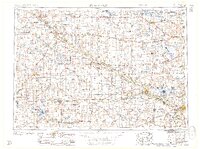 1957 New Ulm1957 Print · USGSCentral Minnesota in the mid-fifties remains a landscape of river-valley commerce and prairie agriculture defined by its historic mission sites and rail towns. Genealogists and local historians can trace the development of New Ulm and Montevideo, or locate specific landmarks like the Milford State Monument and Minnesota Falls.
 - 1957 Map of Waconia, 1959 Print
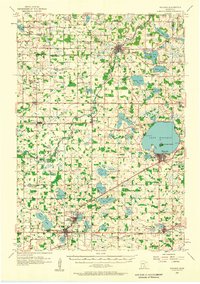 1957 Waconia1959 Print · USGSCarver County and parts of Wright County are captured in the late fifties, showing a rural landscape in transition. Genealogists can trace family roots through numerous small schools and cemeteries, including St Mark Cem, Oakland Cem, and the Hydes Lake Sch.2 unique versions available
 - 1958 Map of New Ulm
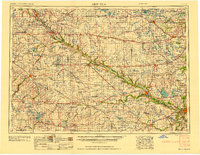 1958 New Ulm1958 Print · USGSSouth-central Minnesota’s river valleys and prairie towns are captured here in the mid-fifties, during the height of the region's rail-and-river economy. Genealogists and historians can trace the legacy of the Upper Sioux Indian Mission or locate early rail stops along the Chicago and North Western Ry in towns like Redwood Falls and Glencoe.
 - 1958 Map of Stillwater
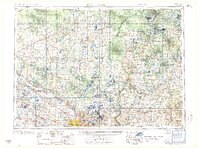 1958 Stillwater1958 Print · USGSThe Upper Mississippi and St. Croix River valleys appear in the mid-fifties as the Twin Cities expanded north. Genealogists can locate family landmarks like Oak Park Cem, Saint Michael Church, and the Soo Line RR rail corridors.2 unique versions available
 - 1958 Map of Saint Cloud
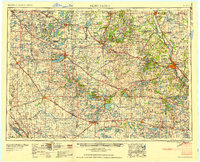 1958 Saint Cloud1958 Print · USGSCentral Minnesota in the mid-1950s shows a landscape of growing regional hubs and hundreds of glacial lakes connected by an extensive rail network. Genealogists and historians can trace the early footprints of Saint Cloud, Alexandria, and Willmar along the Great Northern Railway.
 - 1958 Map of Glencoe, 1959 Print
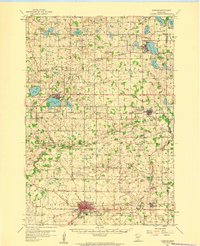 1958 Glencoe1959 Print · USGSMcLeod County is shown here in the late fifties as a bustling agricultural and rail corridor. Genealogists and local historians can locate early schools and burial sites like Baker School, the Bohemian Cemetery, and St. Johns School and Church.
 - 1958 Map of Rockford, 1959 Print
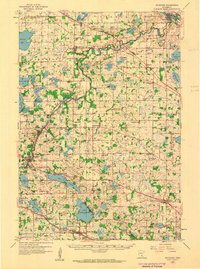 1958 Rockford1959 Print · USGSWright and Hennepin counties are shown here in the late fifties, during a period of steady rural growth and agricultural stability. Researchers can trace ancestral roots at Berning Mill, find small country schoolhouses like Oakdale School, or locate parish centers such as St Michael Church.2 unique versions available
 - 1958 Map of Dassel, 1959 Print
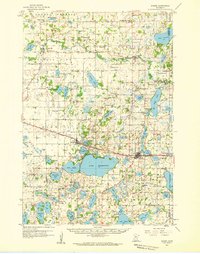 1958 Dassel1959 Print · USGSMeeker and Wright counties are shown here in the late 1950s, a period when rural schoolhouses and family churches still dotted the prairie. You can trace the Great Northern rail line through Dassel or find old family sites at Ostmark Ch and Maynard Lake Sch.2 unique versions available
 - 1958 Map of Buffalo, 1959 Print
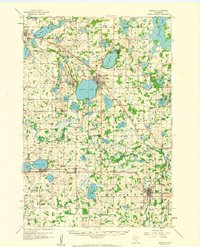 1958 Buffalo1959 Print · USGSWright County in the late fifties was a landscape of deep-set lakes and small farming villages connected by the Great Northern rail line. Genealogists and historians can trace local family roots through sites like Swedesburg Ch, St Timothy Cem, and East Maple Lake Sch.2 unique versions available
 - 1958 Map of Cokato, 1959 Print
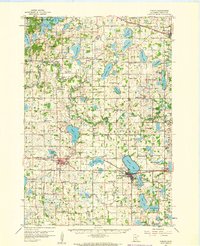 1958 Cokato1959 Print · USGSWright County at the end of the fifties is a landscape of established rail towns and rural parishes. Genealogists can trace family footprints through numerous small institutions like the Finnish Ch, Cokato Cem, and Ojampera Sch.2 unique versions available
 - 1958 Map of Hutchinson, 1959 Print
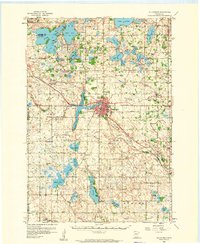 1958 Hutchinson1959 Print · USGSHutchinson and the surrounding McLeod County townships are captured here in the late fifties at a height of rail-driven agricultural activity. Genealogists can trace family footprints through numerous rural landmarks like Zion Ch, Stahl Lake Sch, and the Immanuel Sch Cem.
 - 1959 Map of Saint Paul
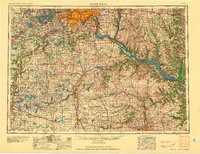 1959 Saint Paul1959 Print · USGSThe Twin Cities and southeastern Minnesota appear here in the late fifties, showing the peak of the rail era and post-war suburban growth. Genealogists can trace family footprints near Lake Minnetonka, the Univ Of Minn Rosemount Research Center, or the growing neighborhoods of Richfield.2 unique versions available
 - 1961 Map of Clear Lake, 1963 Print
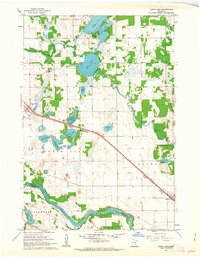 1961 Clear Lake1963 Print · USGSIn the early 1960s, this area of central Minnesota was defined by its glacial lakes and the rail corridor connecting Clear Lake and Becker. Researchers can trace family history through the Cem and local landmarks like the Aqueduct or Mosford Lake.3 unique versions available
 - 1961 Map of Big Lake, 1963 Print
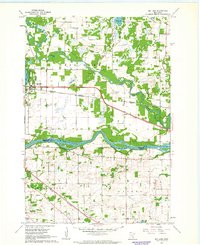 1961 Big Lake1963 Print · USGSSherburne County and the upper Mississippi corridor are shown here in the early sixties as a network of rail and river commerce. Genealogists and local historians can trace the town of Big Lake, the settlement of Bailey, and the old Great Northern rail lines.2 unique versions available
 - 1961 Map of Silver Creek, 1963 Print
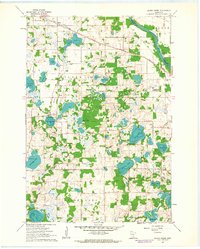 1961 Silver Creek1963 Print · USGSWright County in the early 1960s was a landscape of glacial lakes and small rail-side settlements. Researchers can locate family landmarks like Highland Cem, the Carter Sch, and the local Silver Creek Ch along the Great Northern line.2 unique versions available
 - 1961 Map of Elk River, 1963 Print
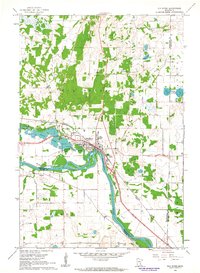 1961 Elk River1963 Print · USGSElk River and the banks of the Mississippi River are captured here in the early sixties as the region's rail and water network defined local life. Genealogists and local historians can trace landmarks like St Andrews Cem, St Johns Sch, and the riverside powerplant.3 unique versions available
 - 1961 Map of Monticello, 1963 Print
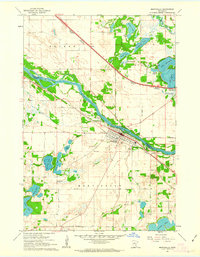 1961 Monticello1963 Print · USGSThe riverfront communities of Monticello and Big Lake are captured in the early sixties as they developed along the Mississippi River. Researchers can trace old family plots at Hillside Cemetery and Helm Cemetery or locate the historic Great Northern rail lines.3 unique versions available
Showing maps 1-25 of 198
Top cities of Wright County
- St. Michael historical maps
- Buffalo historical maps
- Otsego historical maps
- Monticello historical maps
- Delano historical maps
- Rockford historical maps
See more
Frequently asked questions
- What are the different types of historical maps available for Wright County?
- What is the oldest map of Wright County?
- Where can I purchase historical maps of Wright County for my home or office?
- Where can I download high-res historical maps of Wright County?
- Are there historical topographic maps available for Wright County?
- Is there historical aerial imagery available for Wright County?
- Where are historical maps of Wright County sourced from?