Old Maps of Miner, Missouri
Explore 16 old maps of Miner, spanning from 1931 to today. These high-resolution historic maps reveal how streets, neighborhoods, landmarks, and natural features evolved over time — perfect for genealogy, metal detecting, research, and local history exploration.
What you can do with these maps:
- See how Miner changed over time: Compare historical maps to modern-day views to trace roads, homesites, rail lines & more.
- View detailed metadata: Each map includes creators, publishers, year, scale, and archive source.
- Overlay maps with satellite & LiDAR: Visualize the past alongside modern tools to explore terrain & human change.
- Trusted historical sources: Maps sourced from the USGS, Library of Congress, and other archives.
- Access maps your way: View online, download high-res files, or order prints for personal or research use.
Start exploring old maps of Miner to uncover forgotten places, hidden landmarks, and the deep history beneath your feet.
Miner, MO maps
(16)- 1931 Map of Sikeston
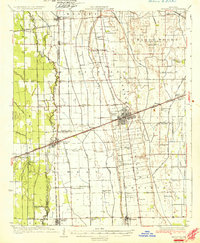 1931 Sikeston1931 Print · USGSSikeston and the surrounding Bootheel lowlands are captured here in the early 1930s as a massive drainage network transformed the landscape into fertile farmland. Researchers can trace the development of small rail towns like Morehouse and Canalou alongside old country schools like Stringer Sch and Hale Sch.2 unique versions available
 - 1934 Map of Sikeston
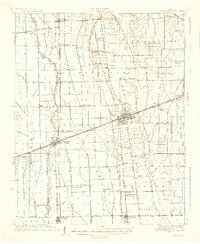 1934 Sikeston1934 Print · USGSSikeston and the surrounding Scott County lowlands are captured here in the 1930s as a thriving rail and drainage network. Genealogists can trace family roots through dozens of rural sites like Carpenter Cem, Silent Hill Ch, and the Warner Sch.2 unique versions available
 - 1939 Map of Sikeston
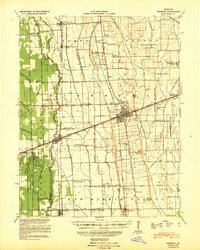 1939 Sikeston1939 Print · USGSIn the 1930s, the Missouri Bootheel was a landscape defined by industrial-scale drainage and a dense rail network. Trace the legacy of rural education and faith at Silent Hill Ch, Landers Ridge Sch, and the community of Morehouse.
 - 1956 Map of Dyersburg, 1960 Print
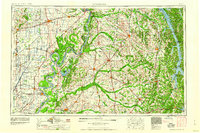 1956 Dyersburg1960 Print · USGSThe Four Rivers region comes alive in the mid-fifties, capturing the intricate borderlands of Tennessee, Kentucky, and Missouri. Genealogists and historians can trace the rail-and-river networks connecting Dyersburg, Caruthersville, and the shoreline of Reelfoot Lake.4 unique versions available
 - 1963 Map of Sikeston North, 1964 Print
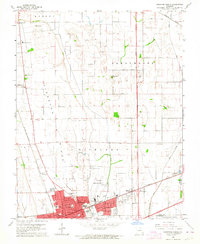 1963 Sikeston North1964 Print · USGSSikeston was a growing hub of the Missouri bootheel in the early 1960s, centered at the crossing of major rail lines. Family historians can trace numerous rural burial grounds like Hunter Cem and Gobb Cem, or find local landmarks like the Drive-in Theater.2 unique versions available
 - 1963 Map of Sikeston South, 1964 Print
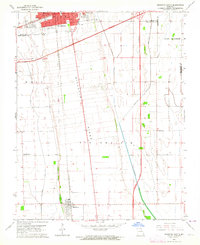 1963 Sikeston South1964 Print · USGSThe Missouri Bootheel was undergoing significant growth in the 1960s as Sikeston expanded across the high ground of Sikeston Ridge. Genealogists and researchers can trace local landmarks like Little Vine Ch, Matthews Sch, and the St Louis - San Francisco rail corridor.3 unique versions available
 - 1963 Map of Sikeston, 1968 Print
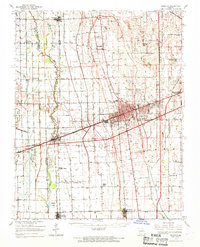 1963 Sikeston1968 Print · USGSSikeston and the surrounding Missouri lowlands are captured here in the mid-sixties, showcasing a landscape shaped by drainage engineering and railroads. Researchers can trace family sites at Silent Hill Cem, find the Pharris Ridge Sch, or locate the old Drive-in Theater.
 - 1985 Map of Sikeston, 1986 Print
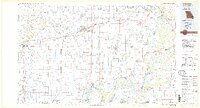 1985 Sikeston1986 Print · USGSThe Missouri Bootheel and the four-state river convergence are captured in the mid-eighties as the modern agricultural and rail networks matured. Researchers can locate regional landmarks like the Towosahgy State Historic Site, Oak Grove Cem, and towns along the St Louis Southwestern Railroad.2 unique versions available
 - 2012 Map of Sikeston North, 2012 Print
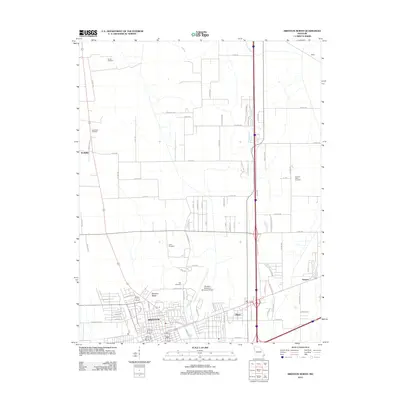 2012 Sikeston North2012 Print · USGSSikeston and the northern Scott County plains are captured here in the early twenty-first century as urban growth meets traditional farmland. Researchers can locate family heritage sites like Cobb Cemetery or trace the layout of small communities like McMullin and Miner.
 - 2012 Map of Sikeston South, 2012 Print
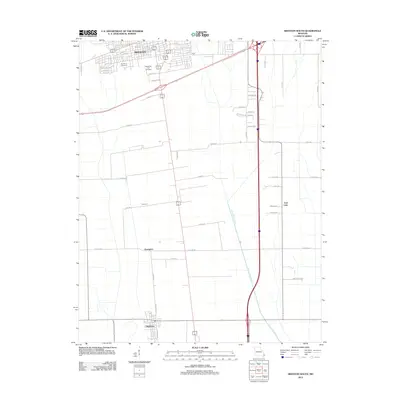 2012 Sikeston South2012 Print · USGSThe Missouri Bootheel near Sikeston is shown here in the early twenty-first century, revealing a landscape of managed waterways and agricultural hubs. Trace the development of Matthews and smaller locales like Champion alongside Saint Johns Ditch.
 - 2015 Map of Sikeston South, 2015 Print
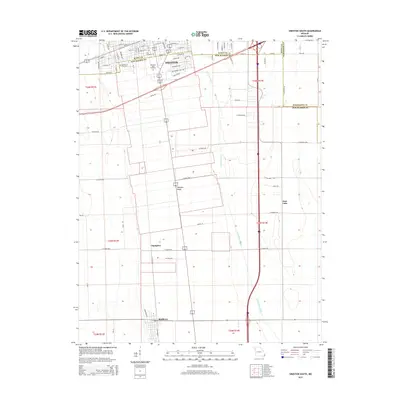 2015 Sikeston South2015 Print · USGSSikeston and the fertile plains of the Missouri Bootheel are captured here during the mid-2010s. Researchers can locate family sites at the City Cemetery, trace drainage through Saint Johns Ditch, or explore the small community of Matthews.
 - 2015 Map of Sikeston North, 2015 Print
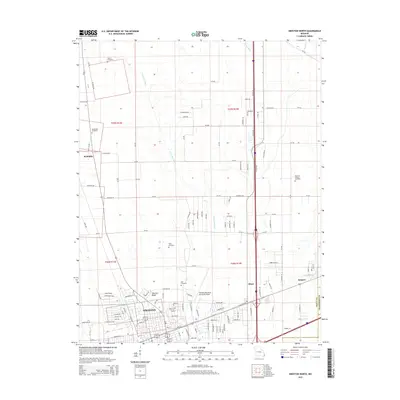 2015 Sikeston North2015 Print · USGSSikeston and the surrounding Scott County farmland are captured here in the mid-2010s, revealing a landscape defined by industrial agriculture and historic drainage. Researchers can trace family roots at Hunter Cemetery and Cobb Cemetery or locate old rail and road hubs near McMullin and Sargent.
 - 2017 Map of Sikeston North, 2017 Print
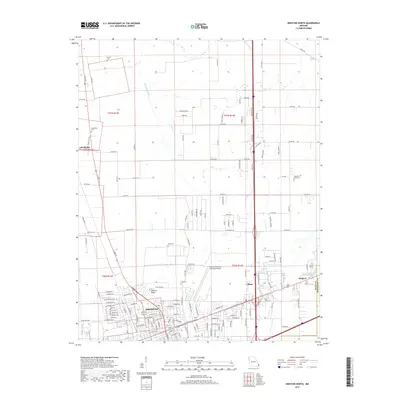 2017 Sikeston North2017 Print · USGSThe northern reaches of the Missouri Bootheel come into focus in the mid-2010s, showing the intersection of industrial drainage and rural settlements. Researchers can trace family history at Bennifield Cem or Pleasant Valley Cem, and locate the sites of McMullin and Sargent.
 - 2017 Map of Sikeston South, 2017 Print
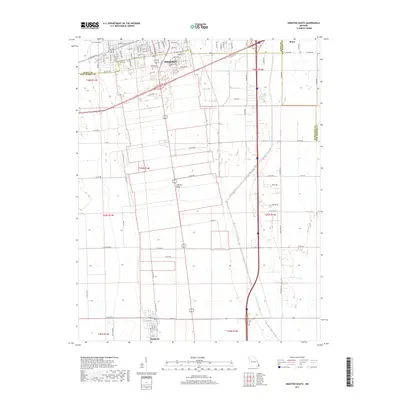 2017 Sikeston South2017 Print · USGSSikeston and the fertile Missouri bootheel are captured here during a period of modern growth and agricultural stability. Researchers can trace family history at City Cem and Memorial Park Cem, or follow the industrial corridor of the S RR through Matthews.
 - 2021 Map of Sikeston North, 2021 Print
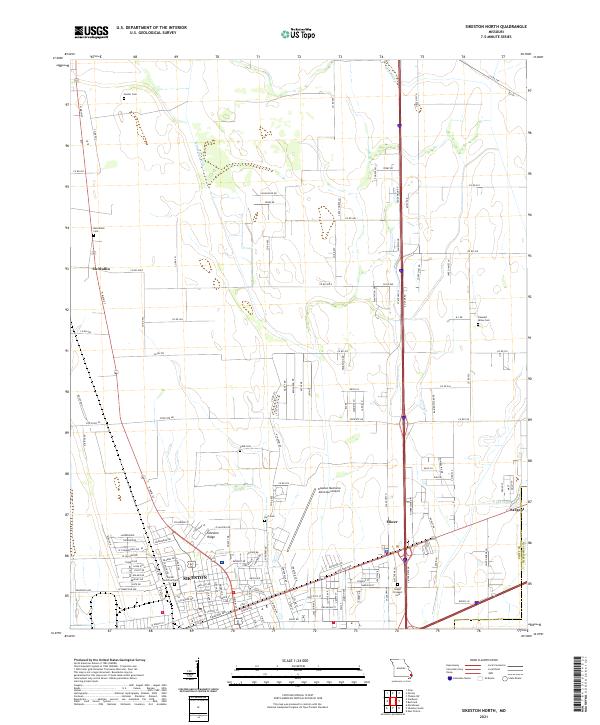 2021 Sikeston North2021 Print · USGSThe northern edge of Sikeston and the fertile fields of Scott County come alive in this recent survey. Researchers can trace family history through numerous rural burial sites like Hunter Cem and Bright Prospect Cem or locate the small siding at Sargent.
 - 2021 Map of Sikeston South, 2021 Print
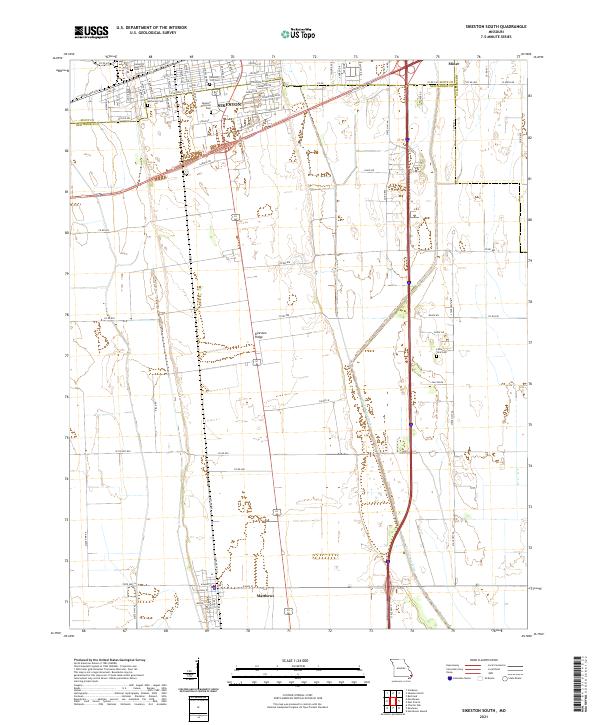 2021 Sikeston South2021 Print · USGSSikeston and the surrounding Bootheel plains are captured here in the early twenty-first century as the region continues its legacy of agriculture and transport. Researchers can trace local burial sites like Little Vine Cem or follow the path of Saint Johns Ditch through Matthews.
End of results
Showing maps 1-16 of 16
Top cities near Miner
- Sikeston historical maps
- Charleston historical maps
- East Prairie historical maps
- Oran historical maps
- Morehouse historical maps
- Morley historical maps
See more
Top neighborhoods of Miner
Frequently asked questions
- What are the different types of historical maps available for Miner?
- What is the oldest map of Miner?
- Where can I purchase historical maps of Miner for my home or office?
- Where can I download high-res historical maps of Miner?
- Are there historical topographic maps available for Miner?
- Is there historical aerial imagery available for Miner?
- Where are historical maps of Miner sourced from?