Old Maps of Winona, Missouri
Explore 31 old maps of Winona, spanning from 1915 to today. These high-resolution historic maps reveal how streets, neighborhoods, landmarks, and natural features evolved over time — perfect for genealogy, metal detecting, research, and local history exploration.
What you can do with these maps:
- See how Winona changed over time: Compare historical maps to modern-day views to trace roads, homesites, rail lines & more.
- View detailed metadata: Each map includes creators, publishers, year, scale, and archive source.
- Overlay maps with satellite & LiDAR: Visualize the past alongside modern tools to explore terrain & human change.
- Trusted historical sources: Maps sourced from the USGS, Library of Congress, and other archives.
- Access maps your way: View online, download high-res files, or order prints for personal or research use.
Start exploring old maps of Winona to uncover forgotten places, hidden landmarks, and the deep history beneath your feet.
Winona, MO maps
(31)- 1915 Map of Eminence, 1956 Print
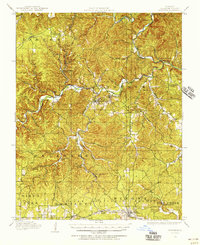 1915 Eminence1956 Print · USGSShannon County at the height of the early twentieth-century timber era shows a landscape defined by deep hollows and the winding Current River. Genealogists can trace family roots through numerous rural landmarks like Angeline P.O., West Eminence, and over a dozen country schools including Shawnee School.2 unique versions available
 - 1917 Map of Eminence
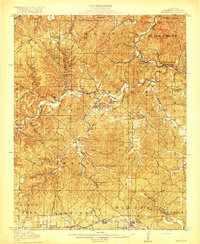 1917 Eminence1917 Print · USGSThe Ozark highlands of Shannon County are captured here just as the timber industry and river-based commerce shaped local life. Researchers can trace the footprints of lost rural communities at Horse Hollow Angeline P.O., Delaware, and West Eminence.4 unique versions available
 - 1931 Map of Bandyville
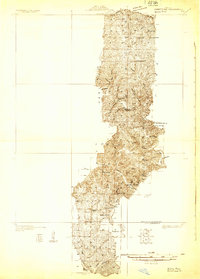 1931 Bandyville1931 Print · USGSThe Eleven Point River valley in the early 1930s remains a landscape of isolated rural townships and crossroads schools. Genealogists can trace family roots through sites like Falling Springs Cemetery, Hickory Grove Ch, and Bildad Sch.
 - 1944 Map of Birch Tree, 1962 Print
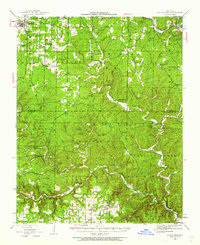 1944 Birch Tree1962 Print · USGSShannon and Oregon Counties are shown in the mid-1940s, a landscape defined by the winding Eleven Point River and isolated Ozark settlements. Genealogists and historians can trace family roots through sites like Oak Forest Cem, Fair Grove Sch, and New Liberty.2 unique versions available
 - 1948 Map of Birch Tree
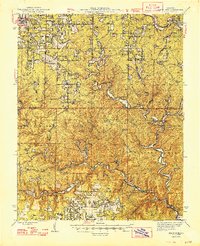 1948 Birch Tree1948 Print · USGSThe Missouri Ozarks are documented here in the late 1940s, showing a landscape of state forests and spring-fed rivers. Local historians can trace family locations near New Liberty, Oak Forest Cem, and numerous rural schoolhouses like Spring Creek Sch.2 unique versions available
 - 1949 Map of Rolla, 1950 Print
 1949 Rolla1950 Print · USGSThe Missouri Ozarks are captured here just after the war, showing a landscape of deep river valleys and emerging reservoir projects. Genealogists and historians can trace the mining towns of Bonne Terre and Potosi or follow the early route of U.S. Highway 66.
 - 1953 Map of Rolla
 1953 Rolla1953 Print · USGSSoutheast Missouri’s mining towns and timberlands are seen here at the start of the 1950s. Genealogists and historians can trace the rail-and-river economy through local hubs like Fredericktown and the lead-mining heritage of Potosi and Desloge.
 - 1954 Map of Rolla, 1970 Print
 1954 Rolla1970 Print · USGSThe Missouri Ozarks and the historic Lead Belt are captured in the late sixties, showing a landscape of deep river hollows and industrial mines. Researchers can trace the routes of the Missouri Pacific RR to extraction sites like the Iron Mountain Mine or Pea Ridge Mine.2 unique versions available
 - 1957 Map of Poplar Bluff, 1968 Print
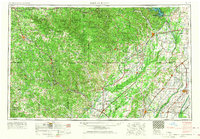 1957 Poplar Bluff1968 Print · USGSThe Missouri-Arkansas border region is captured here as the timber and rail industries shaped the Ozark foothills. Genealogists and historians can trace the Missouri Pacific Railroad through river towns like Pocahontas, Greenville, and Van Buren.3 unique versions available
 - 1958 Map of Rolla
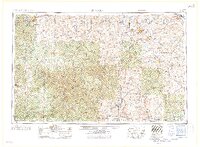 1958 Rolla1958 Print · USGSThe Missouri Ozarks and the lead-rich hills of the southeast are captured here in the late fifties as timber and mining shaped the local economy. Researchers can locate family landmarks like the Rolla Cemetery or trace old rail lines including the Missouri-Illinois RR and St Louis-San Francisco RR.
 - 1959 Map of Poplar Bluff
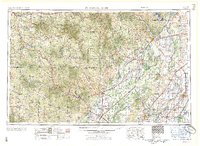 1959 Poplar Bluff1959 Print · USGSThe Missouri Ozarks and Arkansas borderlands meet in this late 1950s study of the region's diverse terrain and rail-fed towns. Researchers can trace the path of the Missouri Pacific Railroad through Poplar Bluff or locate smaller settlements like Birch Tree and Myrtle.
 - 1959 Map of Rolla
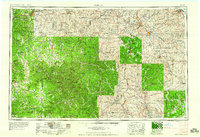 1959 Rolla1959 Print · USGSMid-century Missouri is defined here by the deep forests of the Ozarks and the industrial peaks of the St Francois Mountains. Genealogists and historians can trace the development of towns like Potosi and Fredericktown or locate rural landmarks like Dry Fork Church and the Phelps County Courthouse.
 - 1960 Map of Poplar Bluff
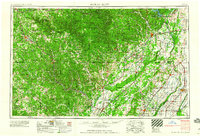 1960 Poplar Bluff1960 Print · USGSSoutheast Missouri and Northeast Arkansas are captured here during the post-war era, showing the transition from the Ozark highlands to the Delta. Genealogists and historians can trace rail corridors like the St. Louis Southwestern RR and remote settlements such as Birch Tree and Warm Springs.
 - 1960 Map of Rolla
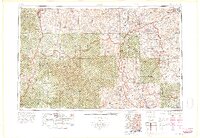 1960 Rolla1960 Print · USGSThe Ozark Highlands in the mid-twentieth century reveal a landscape of deep timber and heavy industry. Researchers can trace the rail-and-mine economy through the St Louis-San Francisco RR and the Iron Mountain Mine, alongside the growth of Fort Leonard Wood.
 - 1965 Map of Winona, 1966 Print
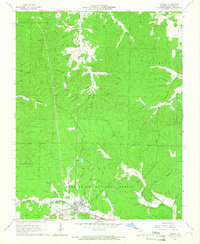 1965 Winona1966 Print · USGSWinona and the surrounding Ozark woodlands are captured here in the mid-1960s as the rail and road networks shaped Shannon County life. Researchers can trace local genealogy at Pine Lawn Cemetery or locate old industrial sites like the Sutton Mine and the St Louis-San Francisco rail line.3 unique versions available
 - 1966 Map of Rolla
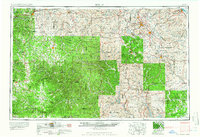 1966 Rolla1966 Print · USGSThe Missouri Ozarks are revealed here in the mid-1960s, showing the intersection of heavy industry and sprawling national forests. Trace the development of the Lead Belt near Flat River or locate family roots in vanished hamlets like Enough and Howes Mill.
 - 1971 Map of Rolla
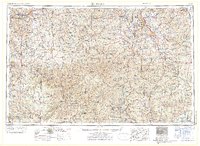 1971 Rolla1971 Print · USGSThe Missouri Ozarks are captured here during the early seventies, showing a landscape of deep river valleys and industrial mining towns. Researchers can trace historic lead mining operations at St Joseph Mines and locate rural landmarks like Viburnum and the Galveston Trail.
 - 1983 Map of Low Wassie, 1984 Print
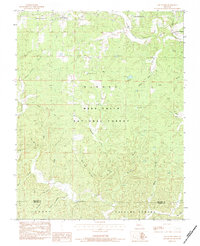 1983 Low Wassie1984 Print · USGSThe Missouri Ozarks near Winona and Low Wassie come into focus during the early 1980s, showcasing a landscape defined by timber and transport. Trace local history along the Old Pike Railroad Grade and locate family landmarks like Mt Zion Cem.
 - 1984 Map of West Plains
 1984 West Plains1984 Print · USGSThe Missouri Ozarks are mapped here in the mid-1980s, centered on the regional hub of West Plains and the river corridors of the Eleven Point River. Trace the old rail lines and timber towns of Willow Springs, Mountain View, and Birch Tree through the Mark Twain National Forest.2 unique versions available
 - 1986 Map of Spring Valley
 1986 Spring Valley1986 Print · USGSThe Missouri Ozarks are showcased in the mid-1980s, revealing a landscape defined by state forests and the protected waters of the Current River. Researchers can trace local heritage through landmarks like Oakside Ch, Fletcher Mine, and Summersville Cem.2 unique versions available
 - 1989 Map of Rolla
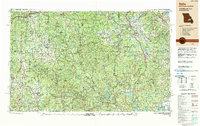 1989 Rolla1989 Print · USGSThe Missouri Ozarks are captured in the late eighties as a landscape of national forests and historic mining towns. Researchers can trace the rail lines of the Missouri Pacific RR or locate landmarks like Taum Sauk Mtn and Elephant Rocks State Park.
 - 1997 Map of Winona, 1999 Print
 1997 Winona1999 Print · USGSShannon County near the end of the century reveals a landscape where the town of Winona meets the sprawling Mark Twain National Forest. Researchers can trace old family sites and local history at Sutton Mine, Munsell, and the Williams Cemetery.
 - 1997 Map of Low Wassie, 2000 Print
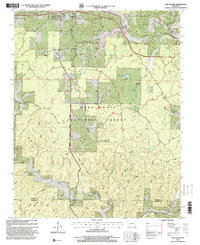 1997 Low Wassie2000 Print · USGSShannon County in the late nineties is documented here as the timber and water of the Missouri Ozarks meet at Winona. Researchers can trace the legacy of local industry and community via the Charcoal Kilns, Mount Zion Cemetery, and the Old Tram Road.
 - 2011 Map of Winona, 2011 Print
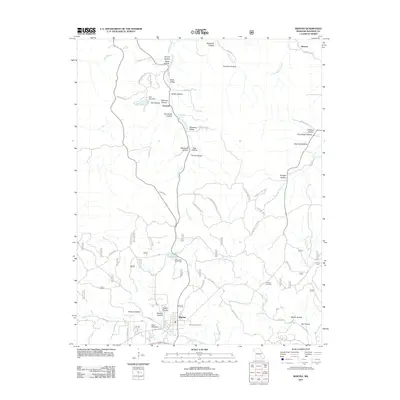 2011 Winona2011 Print · USGSWinona and the surrounding Shannon County hollows are captured here in the early twenty-first century. Genealogists and local historians can trace family-named sites like Williams Cemetery, Munsell Spring, and the small settlement of Shawne.
 - 2012 Map of Low Wassie, 2012 Print
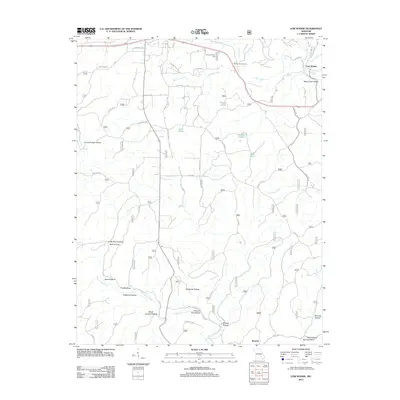 2012 Low Wassie2012 Print · USGSShannon County's timber and creek country is captured here during the early twenty-first century. Genealogists and local historians can trace family locations near Mount Zion Cemetery or follow historical routes like Old Tram Rd through Low Wassie.
Showing maps 1-25 of 31
Top cities near Winona
Frequently asked questions
- What are the different types of historical maps available for Winona?
- What is the oldest map of Winona?
- Where can I purchase historical maps of Winona for my home or office?
- Where can I download high-res historical maps of Winona?
- Are there historical topographic maps available for Winona?
- Is there historical aerial imagery available for Winona?
- Where are historical maps of Winona sourced from?