Old Maps of Paxton, Nebraska for Metal Detecting
Plan your next treasure hunt with 17 historic maps of Paxton. Find old homesites, ghost towns, trails, and gathering spots that may be lost to time — perfect for identifying promising metal detecting locations.
- Locate forgotten sites: Uncover places like long-lost settlements, abandoned rail lines, or gathering spots.
- Plan better hunts: Use map overlays combined with LiDAR or satellite views to narrow in on historically rich areas.
- Made for detectorists: Thousands of hobbyists use these maps to discover relics, coins, and hidden history.
Use these historic maps to boost your research and find new opportunities beneath the surface of Paxton.
Paxton, NE maps
(17)- 1898 Map of Paxton, 1960 Print
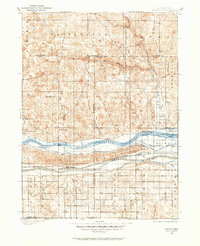 1898 Paxton1960 Print · USGSWestern Nebraska at the end of the nineteenth century reveals a landscape defined by the convergence of the Platte rivers and the arrival of the railroad. Researchers can trace early ranching sites like Duck Brand Ranch and the vital canal network including the Paxton and Hershey Canal.
 - 1901 Map of Paxton
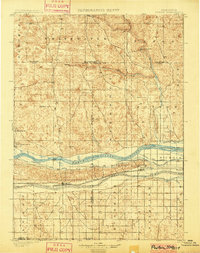 1901 Paxton1901 Print · USGSThe confluence of the Platte Rivers in western Nebraska appears here at a pivotal moment for irrigation and rail expansion. Researchers can trace early water rights through the Sutherland Canal and locate historic livestock operations like Duck Brand Ranch and Knights Ranch.4 unique versions available
 - 1954 Map of North Platte, 1968 Print
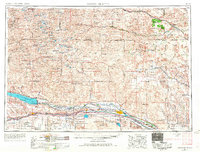 1954 North Platte1968 Print · USGSThe Nebraska Sand Hills and the Platte River valley are captured here during a period of mid-century growth and agricultural expansion. Trace the vast irrigation network of the Sutherland Canal, locate old rural schoolhouses like Rose Hill School, and find family holdings such as Conrey Ranch.3 unique versions available
 - 1956 Map of North Platte
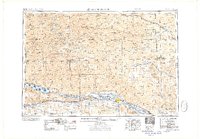 1956 North Platte1956 Print · USGSThe Nebraska Sand Hills meet the high plains river valleys in the mid-1950s, a period of intensive water management and rail commerce. Genealogists and historians can trace early prairie settlements like Stapleton and Tryon, or follow the industrial corridor of the Union Pacific through North Platte.
 - 1957 Map of North Platte
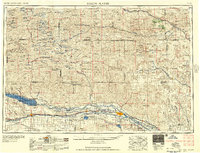 1957 North Platte1957 Print · USGSThe Nebraska Sand Hills and the Platte River valley are captured here in the mid-fifties as the ranching and irrigation economy matured. Genealogists and historians can locate family-named schoolhouses like Maire School or trace the railroad hubs at North Platte and the Fort McPherson National Cemetery.
 - 1967 Map of North Platte
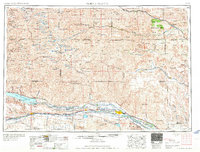 1967 North Platte1967 Print · USGSThe Nebraska Sand Hills and the Platte River valley meet in the 1960s, showing a landscape shaped by water management and rail. Genealogists can trace rural school districts like the Prairie Dell School or find landmarks like the Scott Lookout Tower and Geo P Kingsley Dam.
 - 1971 Map of Paxton South, 1974 Print
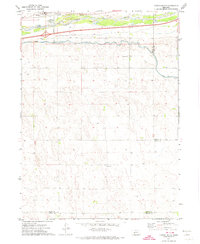 1971 Paxton South1974 Print · USGSThe South Platte River corridor near Paxton is shown in the early seventies as a hub of Nebraska rail and water infrastructure. Researchers can trace the path of the Union Pacific and find local landmarks like School No 16 and the Paxton Cem.
 - 1971 Map of Paxton North, 1974 Print
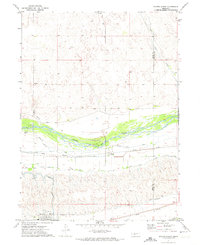 1971 Paxton North1974 Print · USGSKeith County and the Nebraska Sandhills are captured here in the early 1970s as the river and railroad defined local life. Trace the industrial landscape from the Diversion Dam to the small communities of Paxton and Sarben along the Union Pacific tracks.
 - 1985 Map of Ogallala
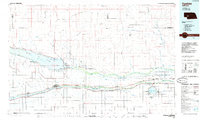 1985 Ogallala1985 Print · USGSThe Platte River valleys in the mid-eighties show a landscape defined by massive water projects and the Union Pacific corridor. Trace the development of Lake Mc Conaughy and irrigation networks near Ogallala, Paxton, and Sutherland.2 unique versions available
 - 2011 Map of Paxton South, 2011 Print
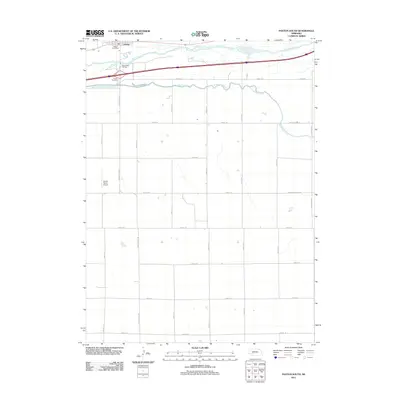 2011 Paxton South2011 Print · USGSThe Nebraska plains south of the Platte are captured here in the early twenty-first century, showing the intersection of vital water infrastructure and rural life. Genealogists and local historians can locate the Paxton Cemetery, Oles Lodge RV Park, and the vital Sutherland Canal.
 - 2011 Map of Paxton North, 2011 Print
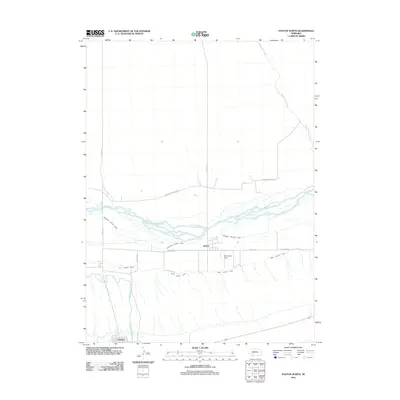 2011 Paxton North2011 Print · USGSKeith County in the early 2000s reveals a highly engineered agricultural landscape along the Platte valley. Researchers can trace the paths of the Sheridan Wilson Canal and Sutherland Canal near the settlements of Sarben and Paxton.
 - 2014 Map of Paxton North, 2014 Print
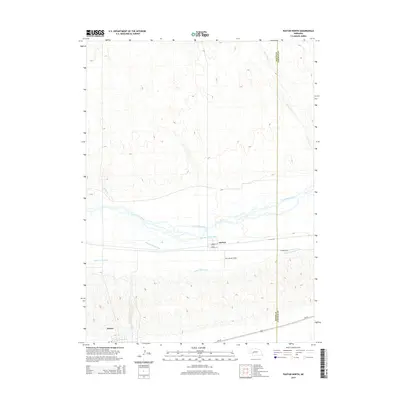 2014 Paxton North2014 Print · USGSWestern Nebraska irrigation and river systems take center stage in the decade before 2020. Researchers can trace the path of the North Platte River and find local landmarks like Mc Connell Field and the community of Sarben.
 - 2014 Map of Paxton South, 2014 Print
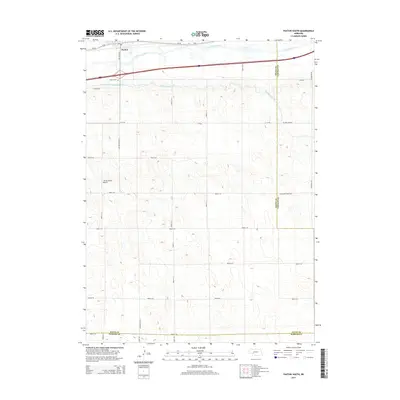 2014 Paxton South2014 Print · USGSThe high plains south of Paxton are shown here as they appeared in 2014, defined by the irrigation network of the Sutherland Canal. Genealogists and local historians can locate the Paxton Cem and family-named landmarks like Lierley Farms Airport.
 - 2017 Map of Paxton North, 2017 Print
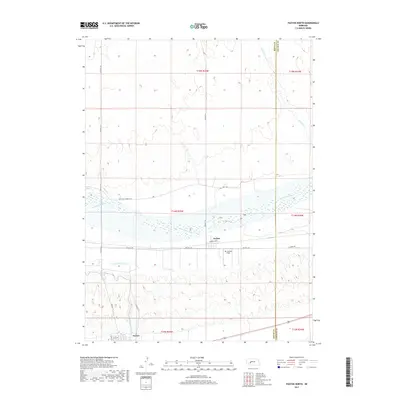 2017 Paxton North2017 Print · USGSThe braided channels of the North Platte River dominate this Keith County landscape during the late twenty-tens. Genealogists and local historians can trace the irrigation networks of the Keith Lincoln Canal and Sutherland Canal near Paxton and Sarben.
 - 2017 Map of Paxton South, 2017 Print
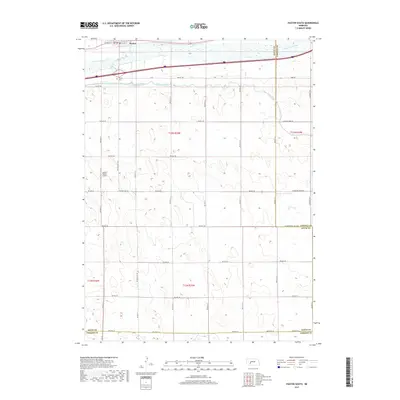 2017 Paxton South2017 Print · USGSThe northern edge of the Nebraska sandhills meets the Platte valley in the twenty-first century, showing a landscape defined by irrigation and infrastructure. Researchers can trace the South Platte River Supply Canal, locate the Paxton Cem, or find the Lierley Farms Airport.
 - 2021 Map of Paxton South, 2021 Print
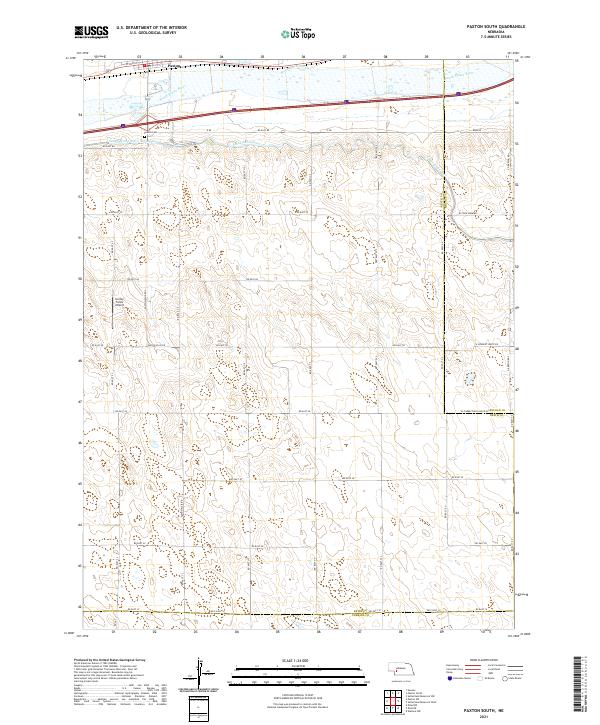 2021 Paxton South2021 Print · USGSThe agricultural plains south of Paxton are meticulously documented in this recent survey, showcasing the vital water systems of the Nebraska sandhills. Researchers can trace family history at Paxton Cem or follow the paths of the Sutherland Canal and the South Platte River.
 - 2021 Map of Paxton North, 2021 Print
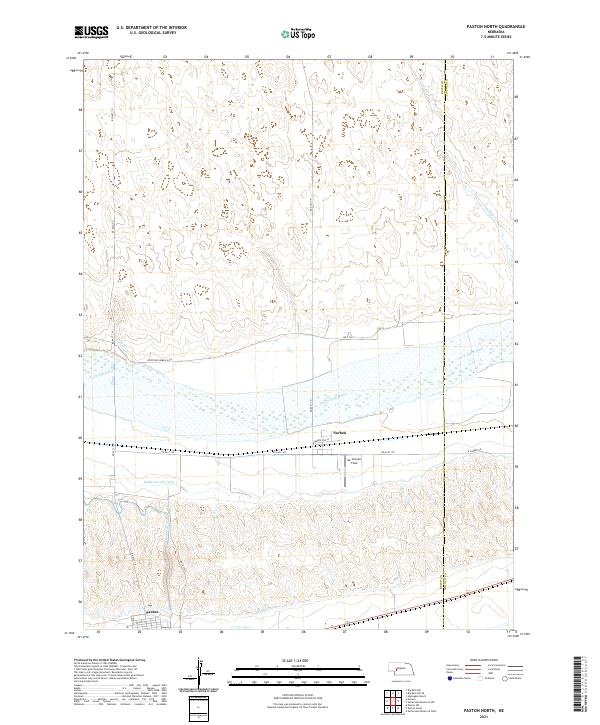 2021 Paxton North2021 Print · USGSKeith County and the Lincoln County line meet along the North Platte River in this 2021 study of Nebraska agricultural land. Trace the intricate canal systems through Paxton and Sarben, or locate local landmarks like Mc Connell Field.
End of results
Showing maps 1-17 of 17
Top cities near Paxton
Frequently asked questions
- What are the different types of historical maps available for Paxton?
- What is the oldest map of Paxton?
- Where can I purchase historical maps of Paxton for my home or office?
- Where can I download high-res historical maps of Paxton?
- Are there historical topographic maps available for Paxton?
- Is there historical aerial imagery available for Paxton?
- Where are historical maps of Paxton sourced from?