Old Maps of Papillion, Nebraska for Academic Research
Study the evolution of Papillion with 37 high-resolution historic maps. Whether you're teaching, researching, or modeling changes in land use, these maps provide essential visual documentation of urban, environmental, and geographic change.
- Analyze long-term change: Track patterns in development, transportation, and natural features.
- Ideal for environmental or urban studies: Support academic projects with primary historical map data.
- Use in the classroom or lab: Educators and researchers rely on these maps to bring historical context to life.
These maps are a powerful tool for teaching, research, and visualizing how Papillion has changed over the decades.
Papillion, NE maps
(37)- 1893 Map of Fremont, 1960 Print
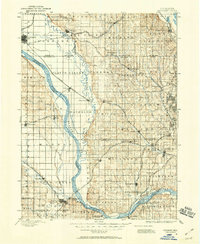 1893 Fremont1960 Print · USGSEastern Nebraska was a nexus of river navigation and rail expansion in the 1890s as the prairie gave way to organized township grids. Genealogists and historians can trace early settlements and transportation corridors through Fort Calhoun, the growth of Fremont, and the junctions of the Union Pacific R.R..
 - 1896 Map of Fremont
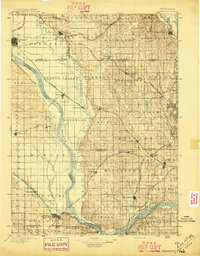 1896 Fremont1896 Print · USGSThe rail-driven growth of eastern Nebraska is captured here in the late nineteenth century as steam power connected the prairie. Researchers can trace ancestral roots through dozens of established settlements like Fontanelle, Gretna, and Papillion, or follow the historic routes of the Union Pacific R.R. and the Elkhorn River.5 unique versions available
 - 1954 Map of Omaha, 1967 Print
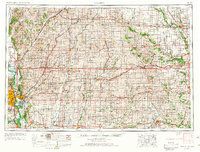 1954 Omaha1967 Print · USGSMid-century development radiates from the river bluffs into the agricultural heartland during this period of post-war growth. Genealogists and historians can trace rail-connected towns like Atlantic and Red Oak or locate the sprawling grounds of Offutt Air Force Base and Manawa Lake.3 unique versions available
 - 1955 Map of Fremont, 1966 Print
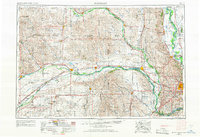 1955 Fremont1966 Print · USGSEastern Nebraska and the Missouri River border are captured during the mid-fifties, just as the interstate system began to emerge. Researchers can trace the development of Omaha, locate the sprawling Offutt Air Force Base, or study the river-bound ecology of the De Soto National Wildlife Refuge.3 unique versions available
 - 1956 Map of Gretna, 1957 Print
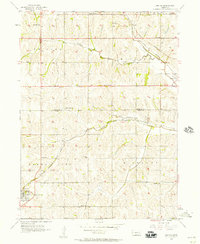 1956 Gretna1957 Print · USGSEastern Nebraska farming communities and rail stops are captured here in the mid-fifties, showing the landscape before the expansion of the Omaha metro area. Genealogists can locate family burial sites at Mt Auburn Cem and trace dozens of local school districts like LaBelle Sch and Stender Sch.6 unique versions available
 - 1956 Map of Cedar Creek, 1957 Print
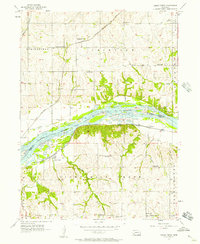 1956 Cedar Creek1957 Print · USGSThe braided channels of the Platte River dominate this mid-century landscape on the Sarpy and Cass county line. Researchers can locate many small rural schoolhouses and rail stops, including Richfield, Cullom Sch, and the Glendale Cem near the riverbanks.5 unique versions available
 - 1956 Map of Ralston, 1957 Print
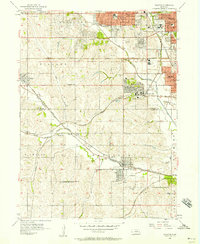 1956 Ralston1957 Print · USGSThe western outskirts of Omaha and Sarpy County undergo a mid-century transition from family farms to suburban neighborhoods. Researchers can trace the grounds of Boys Town, find local burial sites like Portal Cem, and locate long-standing schools including Bloomfield Sch and Ireland Sch.5 unique versions available
 - 1956 Map of Springfield, 1957 Print
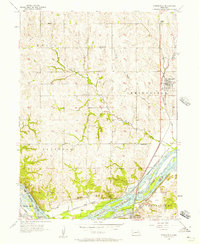 1956 Springfield1957 Print · USGSThe banks of the Platte River and the bustling rail lines of Sarpy County are captured here in the mid-fifties. Researchers can trace numerous rural schoolhouses like Stringtown Sch and Sanborn Sch or explore the riverfront near Meadow.4 unique versions available
 - 1956 Map of Omaha South, 1958 Print
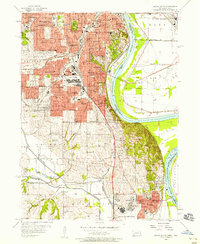 1956 Omaha South1958 Print · USGSThe mid-century expansion of Omaha and Bellevue is captured here as neighborhoods pushed toward the Missouri River and massive rail yards. Researchers can trace family sites among dozens of landmarks like West Lawn Cemetery, Offutt Air Force Base, and South Omaha schools.6 unique versions available
 - 1957 Map of Fremont
 1957 Fremont1957 Print · USGSEastern Nebraska and western Iowa thrive along the Platte and Missouri rivers during the mid-fifties. Genealogists can locate small rural schools like Fairview School and tracing the paths of the Union Pacific through towns like Albion and Humphrey.
 - 1957 Map of Omaha
 1957 Omaha1957 Print · USGSWestern Iowa and the Missouri River valley are seen here in the mid-fifties during the height of the rail-and-road era. Researchers can trace the sprawling rail lines of the Chicago And North Western or locate Cold War landmarks like Offutt Air Force Base.
 - 1958 Map of Omaha
 1958 Omaha1958 Print · USGSOmaha and Council Bluffs stand at the center of this mid-fifties landscape, where the Missouri River splits the urban plains of Nebraska from the rolling hills of western Iowa. Genealogists can trace the rail lines of the Wabash RR and Illinois Central RR to rural settlements like Missouri Valley and Red Oak.2 unique versions available
 - 1958 Map of Fremont
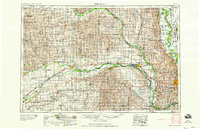 1958 Fremont1958 Print · USGSEastern Nebraska in the late fifties is captured here as a thriving corridor of river-valley commerce and rail transport. Researchers can trace the development of Omaha and Fremont or locate local landmarks like Midland College and Offutt Air Force Base.
 - 1982 Map of Fremont
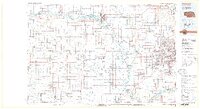 1982 Fremont1982 Print · USGSEastern Nebraska in the early eighties exhibits a landscape of industrious rail towns and river-fed agriculture. Genealogists and historians can trace the development of Fremont, locate the National Cem, and find landmarks like the Todd Valley.2 unique versions available
 - 1985 Map of Omaha
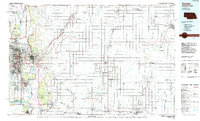 1985 Omaha1985 Print · USGSMid-century development and heavy rail infrastructure define the Missouri River corridor between Nebraska and Iowa. Genealogists and local historians can trace the footprints of Offutt Air Force Base, Forest Lawn Cemetery, and the Iowa School for the Deaf.2 unique versions available
 - 1994 Map of Omaha South, 1995 Print
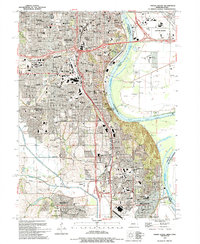 1994 Omaha South1995 Print · USGSOmaha and Bellevue thrive along the Missouri River in the mid-nineties, showing a landscape defined by military aviation and dense neighborhood history. Researchers can trace local roots through numerous sites like St Johns Cem, Rosenblatt Stadium, and the extensive grounds of Offutt Air Force Base.
 - 2010 Map of Omaha South, 2010 Print
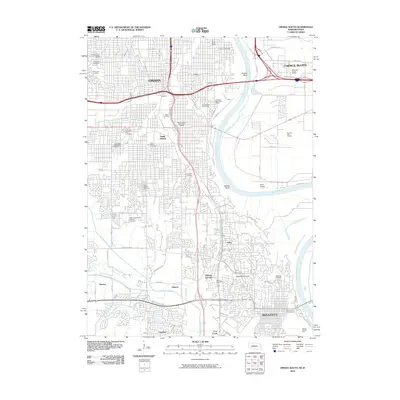 2010 Omaha South2010 Print · USGSThe Missouri River corridor between Omaha and Bellevue comes alive in this 2010 survey of eastern Nebraska and western Iowa. Researchers can trace the heritage of local neighborhoods through sites like Bohemian Cemetery, Sarpys Trading Post, and the campus of Bellevue University.
 - 2011 Map of Omaha South, 2011 Print
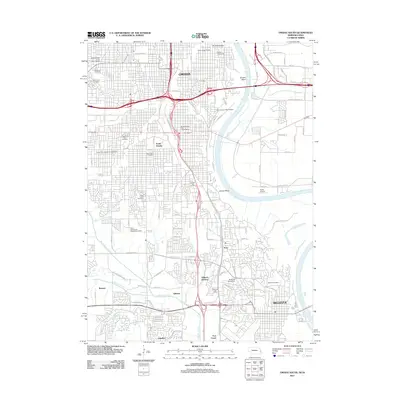 2011 Omaha South2011 Print · USGSGreater Omaha and Bellevue are captured in detail during this period of 21st-century growth along the Missouri River. Researchers can trace historic family burial sites at Bohemian Cemetery and Saint Mary Magdalene Cemetery or locate landmarks like Pierce Street Station.
 - 2011 Map of Gretna, 2011 Print
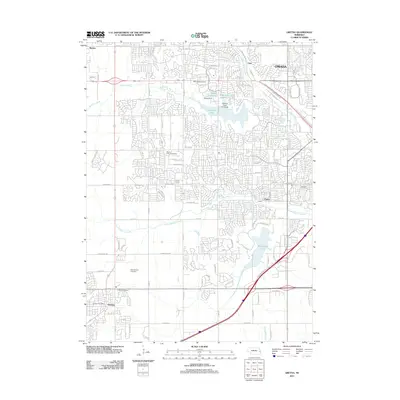 2011 Gretna2011 Print · USGSThe western edge of Omaha transitions from city to suburb in the early twenty-first century as new neighborhoods surround major water projects. Researchers can trace family history at Mount Auburn Cemetery or locate landmarks like the Gretna Post Office and Willowood Airport.
 - 2011 Map of Cedar Creek, 2011 Print
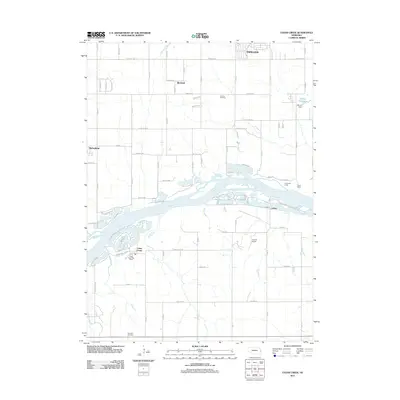 2011 Cedar Creek2011 Print · USGSThe braided channels of the Platte River dominate this early 21st-century landscape south of Papillion. Local historians and genealogists can trace the rural layout of Richfield and Cullom, or locate family sites near Fairview Cemetery and the Cedar Creek Post Office.
 - 2011 Map of Springfield, 2011 Print
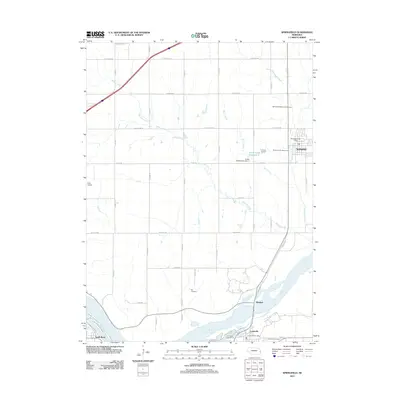 2011 Springfield2011 Print · USGSSarpy County at the start of the 2010s shows a well-organized agricultural landscape shaped by the Platte River and its many creeks. Genealogists and researchers can trace local family landmarks through sites like Ball Cemetery, Springfield Memorial Cemetery, and the Sarpy County Fairgrounds.
 - 2011 Map of Ralston, 2011 Print
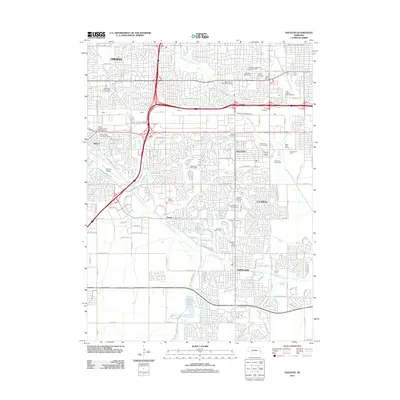 2011 Ralston2011 Print · USGSThe suburbs south of Omaha are shown in detail during a period of significant residential growth. Genealogists and local historians can trace family plots at Calvary Cemetery or locate landmarks like the Millard Airport and Ralston Post Office.
 - 2014 Map of Omaha South, 2014 Print
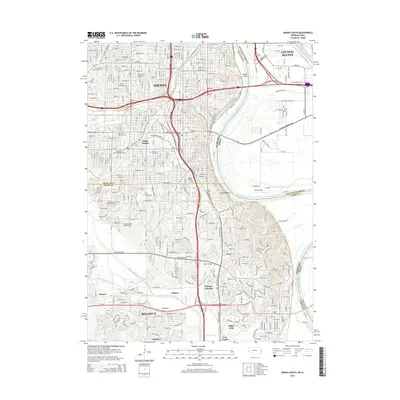 2014 Omaha South2014 Print · USGSThe Omaha-Bellevue corridor along the Missouri River shows its modern urban density and military importance in this 2014 survey. Researchers can trace family history through a high concentration of sites like Bohemian Cem, Laurel Hill Cem, and the grounds of Offutt AFB.
 - 2014 Map of Ralston, 2014 Print
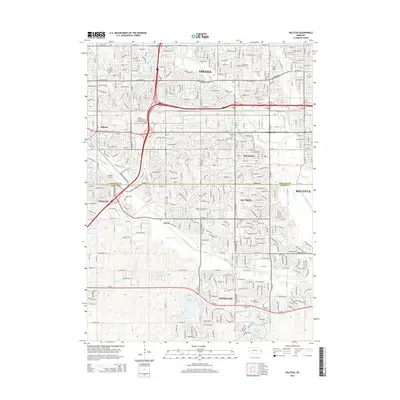 2014 Ralston2014 Print · USGSSuburban growth south of Omaha reached a peak of connectivity between RALSTON and PAPILLION by the mid-2010s. Local researchers can trace old community landmarks and cemeteries like Portal Cem and Evergreen Memorial Park Cem.
 - 2014 Map of Cedar Creek, 2014 Print
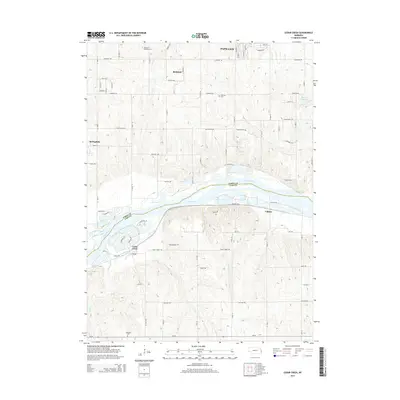 2014 Cedar Creek2014 Print · USGSThe Platte River valley in eastern Nebraska serves as a focal point for these riverfront communities in the early twenty-first century. Genealogists and local researchers can trace family landmarks and sites such as Fairview Cemetery, Glendale Cemetery, and the settlement of Richfield.
Showing maps 1-25 of 37
Top cities near Papillion
- Omaha historical maps
- Council Bluffs historical maps
- Bellevue historical maps
- La Vista historical maps
- Plattsmouth historical maps
- Ralston historical maps
See more
Frequently asked questions
- What are the different types of historical maps available for Papillion?
- What is the oldest map of Papillion?
- Where can I purchase historical maps of Papillion for my home or office?
- Where can I download high-res historical maps of Papillion?
- Are there historical topographic maps available for Papillion?
- Is there historical aerial imagery available for Papillion?
- Where are historical maps of Papillion sourced from?