Old Maps of Armstrong, Frankford Township for Academic Research
Study the evolution of Armstrong with 18 high-resolution historic maps. Whether you're teaching, researching, or modeling changes in land use, these maps provide essential visual documentation of urban, environmental, and geographic change.
- Analyze long-term change: Track patterns in development, transportation, and natural features.
- Ideal for environmental or urban studies: Support academic projects with primary historical map data.
- Use in the classroom or lab: Educators and researchers rely on these maps to bring historical context to life.
These maps are a powerful tool for teaching, research, and visualizing how Armstrong has changed over the decades.
Armstrong, Frankford Township maps
(18)- 1888 Map of Franklin
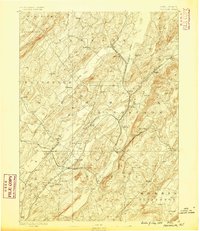 1888 Franklin1888 Print · USGSSussex County was a thriving hub of iron mining and rail commerce in the late nineteenth century. Genealogists and historians can trace the early industrial layout of Franklin Furnace, the remote Ogden Mine, and rural junctions like Branchville Junction.
 - 1894 Map of Franklin
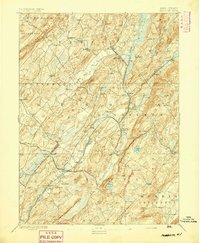 1894 Franklin1894 Print · USGSSussex County was a thriving industrial hub in the late nineteenth century, driven by the iron and zinc deposits of the Highlands. Genealogists and historians can trace the rail-to-mine connections between Franklin Furnace, Ogden Mine, and Deckertown.
 - 1897 Map of Franklin
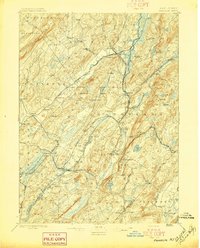 1897 Franklin1897 Print · USGSSussex County’s industrial and agricultural heartlands are captured in the late 1890s, centered on the vital mining district and its complex rail network. Genealogists and historians can trace the footprint of early iron and zinc works at Franklin Furnace or locate family homesteads near Branchville and Papakating.
 - 1903 Map of Franklin Furnace
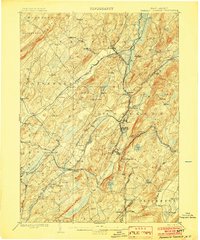 1903 Franklin Furnace1903 Print · USGSSussex County at the turn of the century is a landscape shaped by iron mining and a bustling rail network. Genealogists and historians can trace the early industrial roots of Franklin Furnace, locate rural landmarks like North Church, and follow the path of the Lehigh and Hudson River Railroad.4 unique versions available
 - 1943 Map of Branchville
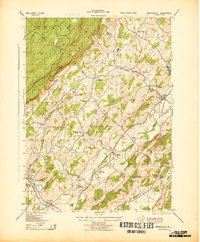 1943 Branchville1943 Print · USGSSussex County agriculture and rail networks are caught at a peak during the early 1940s. Genealogists can locate family landmarks like Maple Grove Farm and rural schoolhouses such as the Augusta School and Wykertown School.
 - 1950 Map of Scranton, 1952 Print
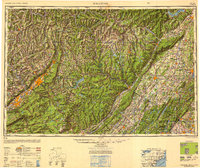 1950 Scranton1952 Print · USGSMid-century Northeast Pennsylvania and the Hudson Valley come alive in this survey of the tri-state region. Genealogists and historians can trace the dense rail networks of the Erie RR and DL&W RR between industrial hubs like Scranton and Wilkes-Barre.
 - 1953 Map of Scranton
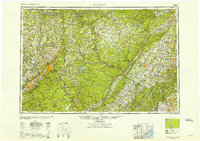 1953 Scranton1953 Print · USGSNortheastern Pennsylvania and the Catskills are shown in great detail during the early fifties, a time when rail lines and river valleys dictated the region's growth. Genealogists and historians can trace the industrial hearts of Scranton and Wilkes-Barre or locate remote landmarks like High Point and Lake Wallenpaupack.
 - 1954 Map of Branchville, 1955 Print
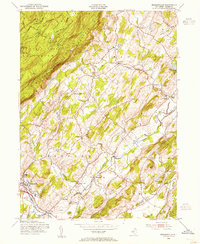 1954 Branchville1955 Print · USGSSussex County's rural character is preserved in this mid-century survey of the ridges and valleys between Branchville and Libertyville. Genealogists and local historians can trace family locations near Frankford Plains Ch, Augusta, and the Sussex Airport.6 unique versions available
 - 1959 Map of Scranton
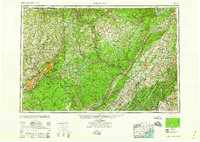 1959 Scranton1959 Print · USGSThe northern coalfields and the Hudson Valley meet in this mid-century survey of the Pennsylvania and New York borderlands. Genealogists and historians can trace the intricate rail networks of the Erie Railroad and the vast waters of Lake Wallenpaupack.2 unique versions available
 - 1962 Map of Scranton, 1977 Print
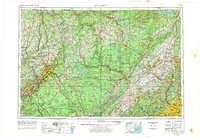 1962 Scranton1977 Print · USGSThe industrial heart of eastern Pennsylvania and the New York Catskills are captured here in the early sixties. Genealogists and historians can trace the dense valley settlements from Scranton to Wilkes-Barre and the rail lines of the Erie Lackawanna Railroad.2 unique versions available
 - 1965 Map of Scranton
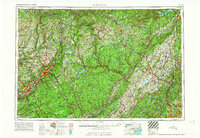 1965 Scranton1965 Print · USGSThe tri-state highlands of Pennsylvania, New York, and New Jersey come alive in the mid-sixties as industry and recreation converge. Trace the intricate rail lines of the Erie Lackawanna RR or locate landmarks like the U S Military Academy.2 unique versions available
 - 1986 Map of Middletown
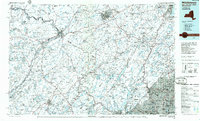 1986 Middletown1986 Print · USGSThe Tri-State region comes alive in the mid-1980s, documenting the corridor from the Hudson River to the Delaware Water Gap. Researchers can trace the sprawling grounds of West Point, the extensive Conrail rail network, and early suburban growth around Middletown and Suffern.2 unique versions available
 - 1995 Map of Branchville, 1999 Print
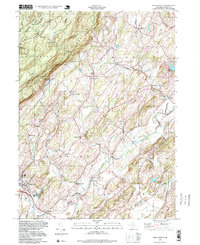 1995 Branchville1999 Print · USGSSussex County during the late twentieth century maintains its rural character along the ridgeline of the Kittatinny Mountains. Researchers can locate historic rural sites like Frankford Plains Ch and the State School of Conservation near Beemerville.
 - 2011 Map of Branchville, 2011 Print
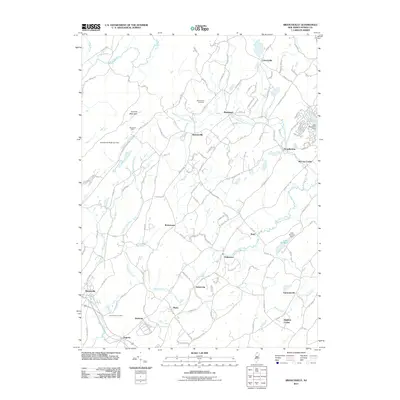 2011 Branchville2011 Print · USGSSussex County's agricultural and rural landscape is shown in the early twenty-first century, centering on the borough of Branchville. Researchers can trace the layout of local roads and water bodies from Sunrise Mountain down to Beemerville Orchards and Branchville Cemetery.
 - 2014 Map of Branchville, 2014 Print
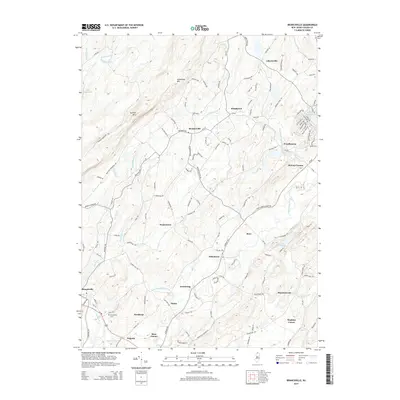 2014 Branchville2014 Print · USGSSussex County’s rural valleys and prominent ridges are documented here in the early twenty-first century. Genealogists and local historians can trace family locations near Beemerville, Branchville Cem, and the historic crossroads of Pellettown.
 - 2016 Map of Branchville, 2016 Print
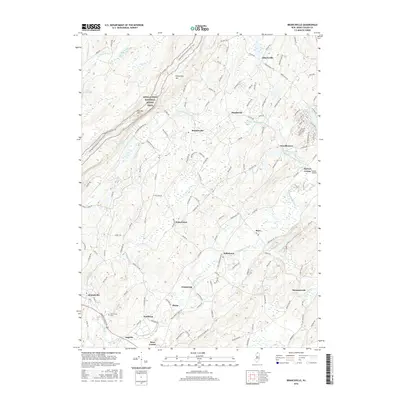 2016 Branchville2016 Print · USGSSussex County’s ridge-and-valley landscape is captured here in the early twenty-first century, from the high peaks of Kittatinny Mtn to the Papakating Creek valley. Local historians can trace the roads connecting Beemerville, Pellettown, and the Branchville Cem.
 - 2019 Map of Branchville, 2019 Print
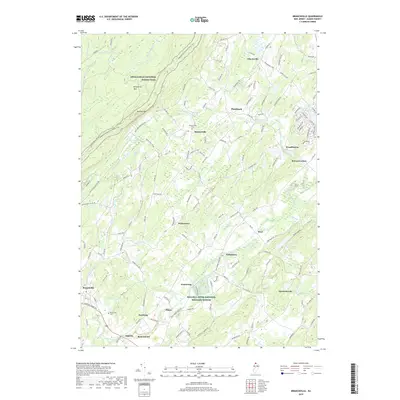 2019 Branchville2019 Print · USGSSussex County's rural character is on full display in this modern survey of the Kittatinny Valley. Genealogists and local historians can locate legacy settlements like Wykertown and Pellettown, or trace family roots at the Beemerville Cem.
 - 2023 Map of Branchville, 2023 Print
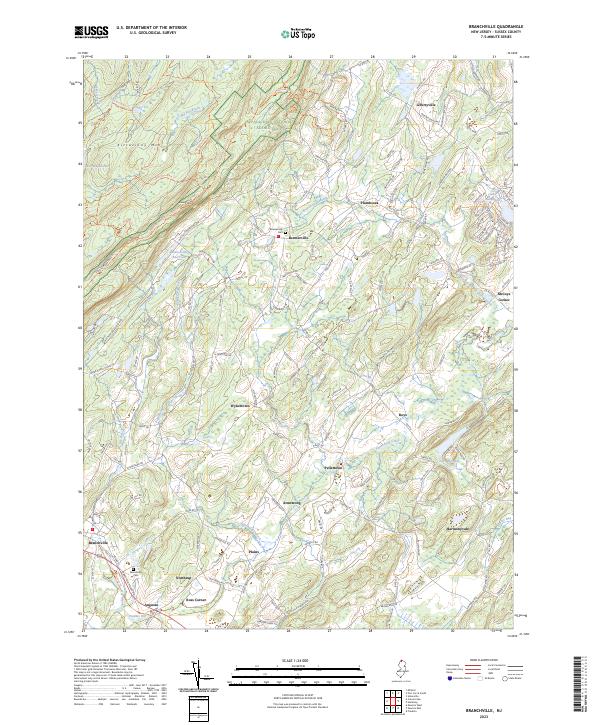 2023 Branchville2023 Print · USGSSussex County highlands and the Wallkill River valley meet in this modern survey of the New Jersey backcountry. Local historians can trace family locations near Beemerville Cem, the crossroads at Ross Corner, and the headwaters of the Papakating Creek.
End of results
Showing maps 1-18 of 18
Top cities near Armstrong
- Warwick historical maps
- West Milford historical maps
- Vernon Township historical maps
- Rockaway Township historical maps
- Roxbury Township historical maps
- Sparta Township historical maps
See more
Frequently asked questions
- What are the different types of historical maps available for Armstrong?
- What is the oldest map of Armstrong?
- Where can I purchase historical maps of Armstrong for my home or office?
- Where can I download high-res historical maps of Armstrong?
- Are there historical topographic maps available for Armstrong?
- Is there historical aerial imagery available for Armstrong?
- Where are historical maps of Armstrong sourced from?