Old Maps of Port Orange, Deerpark for Genealogy
Trace your family roots with 16 historic maps of Port Orange. These high-res maps reveal old neighborhoods, homesites, landmarks, and streets — helping you uncover where your ancestors lived and how the area evolved over time.
- Explore historic neighborhoods: Identify where your relatives may have lived in the 1800s or 1900s.
- Compare maps over time: Trace the changes in streets, buildings, and landmarks for multi-generational research.
- Perfect for genealogy & ancestry research: Used by family historians and researchers to map out lineage and migration.
These maps are an incredible resource for exploring your personal connection to Port Orange's past.
Port Orange, Deerpark maps
(16)- 1906 Map of Port Jervis, 1956 Print
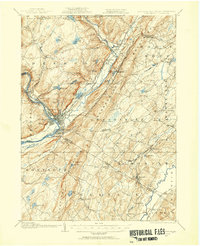 1906 Port Jervis1956 Print · USGSPort Jervis sits at the confluence of the Delaware and Neversink rivers during the height of the railroad era. Genealogists and local historians can trace the paths of the Erie RR, find vanished hamlets like Logtown, and locate the Old Bolton Basin along the river.
 - 1908 Map of Port Jervis
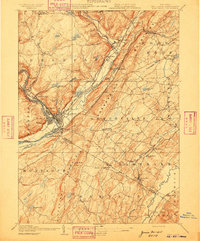 1908 Port Jervis1908 Print · USGSThe tri-state border region comes alive at the start of the twentieth century, focused on the rail-and-river hub of Port Jervis. Genealogists and historians can trace family locations across Matamoras, Unionville, and Westtown, or locate landmarks like Tristate Rock and Old Bolton Basin.4 unique versions available
 - 1942 Map of Otisville, 1959 Print
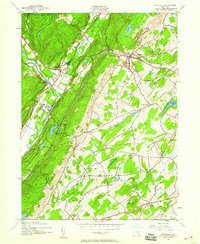 1942 Otisville1959 Print · USGSWestern Orange County during the early 1940s shows a landscape shaped by mountain ridges and the intersecting lines of the Erie RR and the New York Ontario and Western RR. Genealogists can locate family landmarks such as Mount Hope Cem or the local Godeffroy Sch.
 - 1943 Map of Otisville
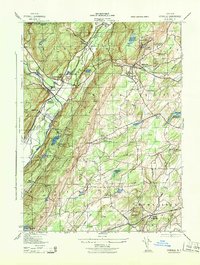 1943 Otisville1943 Print · USGSOrange and Sullivan Counties are shown in the 1940s as a hub of rail infrastructure and public health institutions. Researchers can trace the legacy of the N Y City Municipal Sanatorium, the Erie RR corridor, and local landmarks like Mount Hope Cemetery.
 - 1950 Map of Scranton, 1952 Print
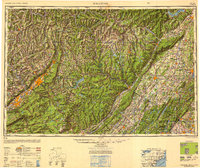 1950 Scranton1952 Print · USGSMid-century Northeast Pennsylvania and the Hudson Valley come alive in this survey of the tri-state region. Genealogists and historians can trace the dense rail networks of the Erie RR and DL&W RR between industrial hubs like Scranton and Wilkes-Barre.
 - 1953 Map of Scranton
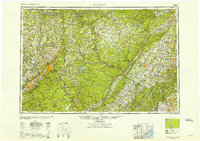 1953 Scranton1953 Print · USGSNortheastern Pennsylvania and the Catskills are shown in great detail during the early fifties, a time when rail lines and river valleys dictated the region's growth. Genealogists and historians can trace the industrial hearts of Scranton and Wilkes-Barre or locate remote landmarks like High Point and Lake Wallenpaupack.
 - 1959 Map of Scranton
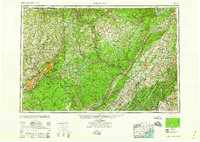 1959 Scranton1959 Print · USGSThe northern coalfields and the Hudson Valley meet in this mid-century survey of the Pennsylvania and New York borderlands. Genealogists and historians can trace the intricate rail networks of the Erie Railroad and the vast waters of Lake Wallenpaupack.2 unique versions available
 - 1962 Map of Scranton, 1977 Print
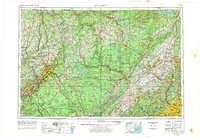 1962 Scranton1977 Print · USGSThe industrial heart of eastern Pennsylvania and the New York Catskills are captured here in the early sixties. Genealogists and historians can trace the dense valley settlements from Scranton to Wilkes-Barre and the rail lines of the Erie Lackawanna Railroad.2 unique versions available
 - 1965 Map of Scranton
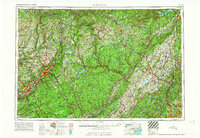 1965 Scranton1965 Print · USGSThe tri-state highlands of Pennsylvania, New York, and New Jersey come alive in the mid-sixties as industry and recreation converge. Trace the intricate rail lines of the Erie Lackawanna RR or locate landmarks like the U S Military Academy.2 unique versions available
 - 1969 Map of Otisville, 1971 Print
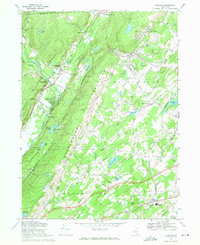 1969 Otisville1971 Print · USGSOrange and Sullivan Counties are shown in the late sixties as the ridge of the Shawangunk Mountains separates the Neversink and Shawangunk valleys. Genealogists and historians can locate the State Training School for Boys, Mount Hope Cem, and several old hamlets along the Erie Lackawanna Railroad.2 unique versions available
 - 1986 Map of Middletown
 1986 Middletown1986 Print · USGSThe Tri-State region comes alive in the mid-1980s, documenting the corridor from the Hudson River to the Delaware Water Gap. Researchers can trace the sprawling grounds of West Point, the extensive Conrail rail network, and early suburban growth around Middletown and Suffern.2 unique versions available
 - 2010 Map of Otisville, 2010 Print
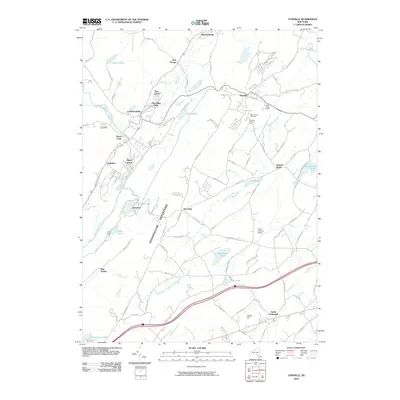 2010 Otisville2010 Print · USGSOrange County's western ridges and valleys are caught in detail here at the start of the 2010s. Genealogists and local historians can trace the communities of Otisville, Cuddebackville, and Godeffroy or locate local landmarks like Mount Hope Cemetery and the Otisville Country Fair.
 - 2013 Map of Otisville, 2013 Print
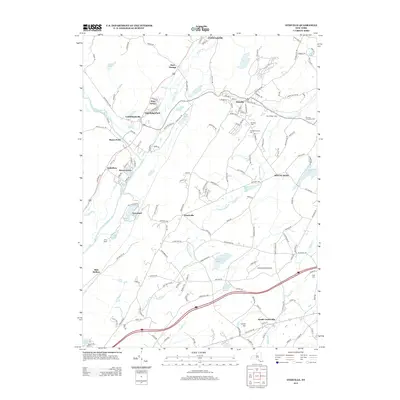 2013 Otisville2013 Print · USGSThe valleys and ridges of Orange County are shown in great detail during the early twenty-first century, highlighting the area's rural character and river networks. Researchers can trace local heritage at Mt Hope Cem or locate old settlements like Guymard and Shin Hollow.
 - 2016 Map of Otisville, 2016 Print
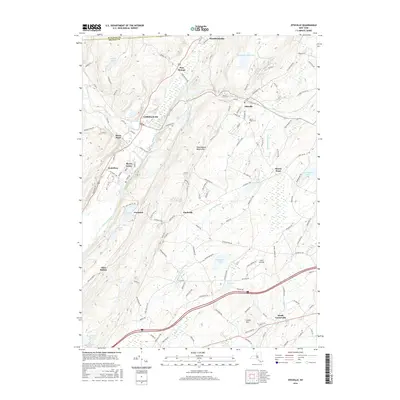 2016 Otisville2016 Print · USGSOrange County near the Sullivan County border is captured here in the mid-2010s, showcasing a landscape of ridge-top forests and valley settlements. Researchers can trace local lineage through Mount Hope Cem or explore the geography of Cuddebackville and Otisville.
 - 2019 Map of Otisville, 2019 Print
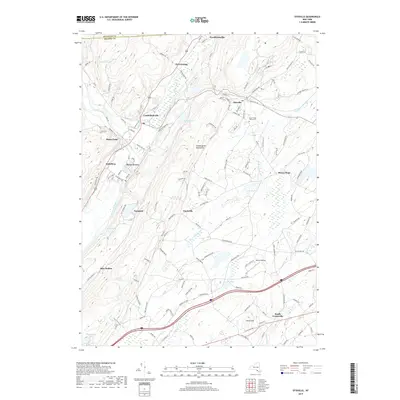 2019 Otisville2019 Print · USGSThe Orange County highlands come into focus during the late 2010s, showing a landscape defined by the Shawangunk ridge and rail corridors. Researchers can trace historic hamlets like Cuddebackville, the METRO-NORTH RAILROAD line, and Mount Hope Plains Cem.
 - 2023 Map of Otisville, 2023 Print
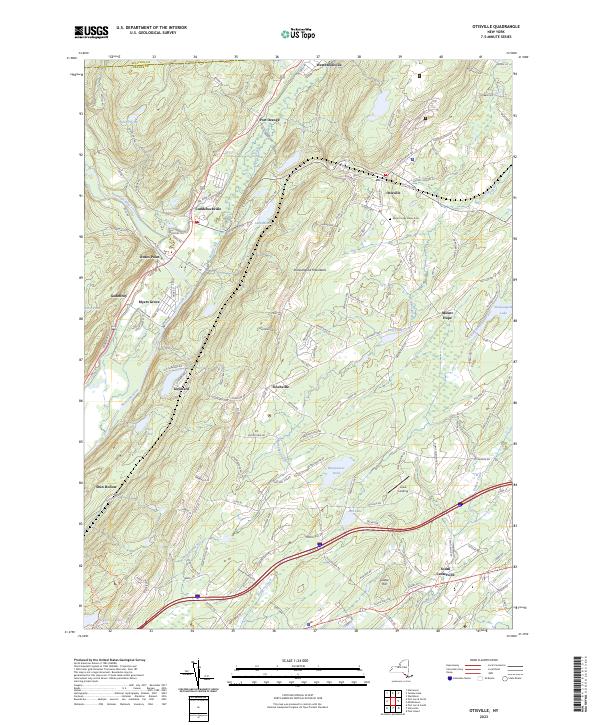 2023 Otisville2023 Print · USGSThe Orange and Sullivan county borderlands are shown here in the 2020s, dominated by the long ridge of the Shawangunk Mountains. Local historians can trace established settlements from Otisville to Cuddebackville, alongside landmarks like Mount Hope Plains Cem and the Basher Kill wetlands.
End of results
Showing maps 1-16 of 16
Top cities near Port Orange
- Warwick historical maps
- Wallkill historical maps
- Middletown historical maps
- Vernon Township historical maps
- Thompson historical maps
- Goshen historical maps
See more
Frequently asked questions
- What are the different types of historical maps available for Port Orange?
- What is the oldest map of Port Orange?
- Where can I purchase historical maps of Port Orange for my home or office?
- Where can I download high-res historical maps of Port Orange?
- Are there historical topographic maps available for Port Orange?
- Is there historical aerial imagery available for Port Orange?
- Where are historical maps of Port Orange sourced from?