Old Maps of Johnson's Landing, Angier
Explore 19 old maps of Johnson's Landing, spanning from 1953 to today. These high-resolution historic maps reveal how streets, neighborhoods, landmarks, and natural features evolved over time — perfect for genealogy, metal detecting, research, and local history exploration.
What you can do with these maps:
- See how Johnson's Landing changed over time: Compare historical maps to modern-day views to trace roads, homesites, rail lines & more.
- View detailed metadata: Each map includes creators, publishers, year, scale, and archive source.
- Overlay maps with satellite & LiDAR: Visualize the past alongside modern tools to explore terrain & human change.
- Trusted historical sources: Maps sourced from the USGS, Library of Congress, and other archives.
- Access maps your way: View online, download high-res files, or order prints for personal or research use.
Start exploring old maps of Johnson's Landing to uncover forgotten places, hidden landmarks, and the deep history beneath your feet.
Johnson's Landing, Angier maps
(19)- 1953 Map of Raleigh, 1965 Print
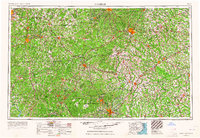 1953 Raleigh1965 Print · USGSCentral North Carolina in the early sixties shows a landscape of growing towns and military hubs before the full expansion of the interstate system. Genealogists can trace family footprints across the Piedmont through Wake Forest, Siler City, and the large Fort Bragg Military Reservation.4 unique versions available
 - 1954 Map of Raleigh
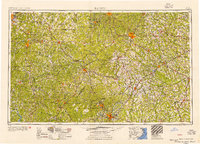 1954 Raleigh1954 Print · USGSThe North Carolina Piedmont and Sandhills are captured in the mid-fifties during a period of steady regional growth. Genealogists and historians can trace the development of towns like Siler City or locate landmarks such as Falls of Neuse and Camp Mackall.
 - 1964 Map of Angier, 1965 Print
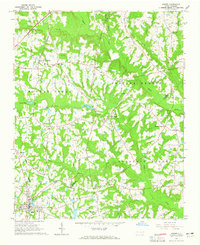 1964 Angier1965 Print · USGSAngier and the surrounding tobacco-farming country appear here in the mid-1960s at the junction of three counties. Genealogists and researchers can trace local family roots through numerous cemeteries and country churches like St Ann Ch, Fellowship Ch, and Ogburn Crossroads.3 unique versions available
 - 1964 Map of Garner, 1965 Print
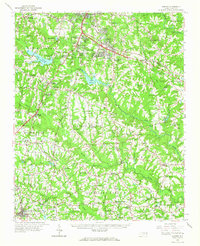 1964 Garner1965 Print · USGSThe rural landscapes south of Raleigh were transitioning from farm to suburb in the mid-sixties. Researchers can trace family roots at numerous country churches like Wooten Chapel Ch or locate sites such as McCullers, Willow Springs, and the historic McGee Mill.
 - 1974 Map of Fuquay-Varina, 1977 Print
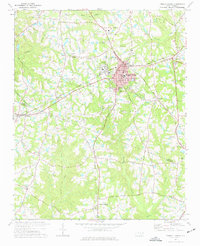 1974 Fuquay-Varina1977 Print · USGSThe intersection of the Durham and Norfolk Southern rail lines defines the Wake and Harnett county border in the mid-1970s. Local historians can trace the foundations of Fuquay-Varina and outlying communities like Chalybeate Springs, Wilbon, and Rawls.3 unique versions available
 - 1984 Map of Raleigh, 1985 Print
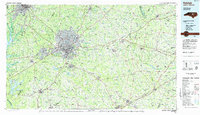 1984 Raleigh1985 Print · USGSThe North Carolina Research Triangle is shown during a decade of rapid growth, from the sprawl of Raleigh to the expanding waters of Falls Lake. Genealogists and historians can trace rail lines like the Seaboard Coast Line or locate landmark sites like Dorothea Dix State Hospital and Fuquay-Varina.
 - 1990 Map of Raleigh, 1991 Print
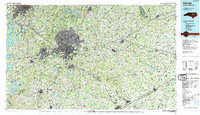 1990 Raleigh1991 Print · USGSGreater Raleigh and the Research Triangle entered a period of significant suburban growth during the 1990s. Researchers can trace the development of towns like Fuquay-Varina and Wake Forest or locate landmarks such as the State Prison and Harris Reservoir.2 unique versions available
 - 1993 Map of Angier, 1998 Print
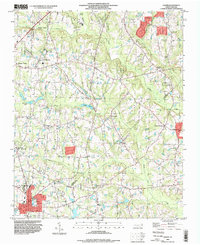 1993 Angier1998 Print · USGSThe borderlands of Wake, Johnston, and Harnett counties are shown here in the 1990s as the area transition toward modern growth. Genealogists can locate family landmarks like Wooten Chapel Cem, Sandy Grove Ch, and the Triple W Air Park.
 - 1993 Map of Fuquay-Varina, 1999 Print
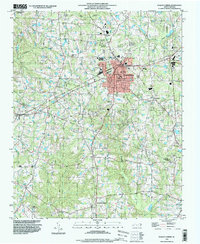 1993 Fuquay-Varina1999 Print · USGSSouthern Wake County is captured in the early nineties as the communities of Fuquay-Varina and Holly Springs began their modern expansion. Genealogists and local historians can locate rural landmarks like Chalybeate Springs, Rawls, and Greenlawn Memorial Gardens.
 - 2010 Map of Angier, 2010 Print
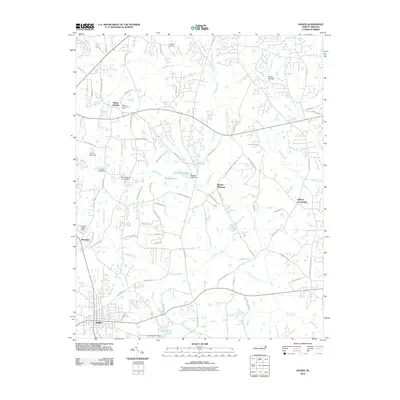 2010 Angier2010 Print · USGSThe crossroads and creeks between Fuquay-Varina and Angier are captured here during a period of steady rural growth. Researchers can trace family-named landmarks and small communities like Willow Springs, Ogburn Crossroads, and the aviation history at Triple W Air Park.
 - 2010 Map of Fuquay-Varina, 2010 Print
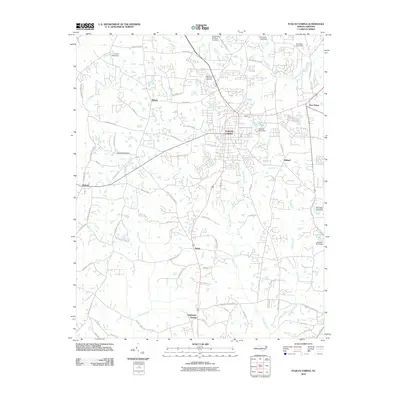 2010 Fuquay-Varina2010 Print · USGSWake and Harnett Counties at the start of the 21st century show a landscape of expanding communities and persistent rural hamlets. Researchers can trace the development of Fuquay-Varina and find historic sites like Chalybeate Springs and Greenlawn Memorial Gardens.
 - 2013 Map of Angier, 2013 Print
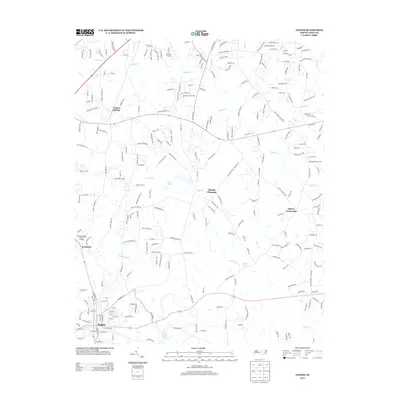 2013 Angier2013 Print · USGSThe crossroads and rural communities of southern Wake County are captured here in the early twenty-first century. Researchers can trace historic routes like Old Stage Rd and locate family landmarks near Willow Springs, Mount Pleasant, and Holts Pond.
 - 2013 Map of Fuquay-Varina, 2013 Print
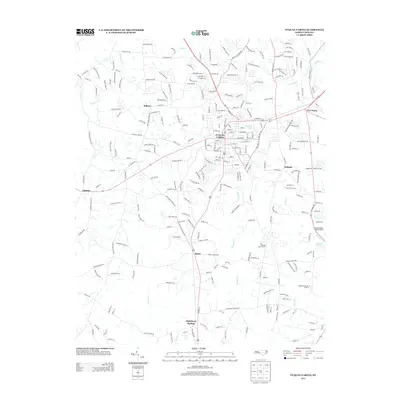 2013 Fuquay-Varina2013 Print · USGSWake County's southern corridor comes into focus in this early twenty-first-century survey of the growing Fuquay-Varina area. Genealogists and local historians can trace modern developments back to established rural hubs like Wilbon, Rawls, and Chalybeate Springs.
 - 2016 Map of Fuquay-Varina, 2016 Print
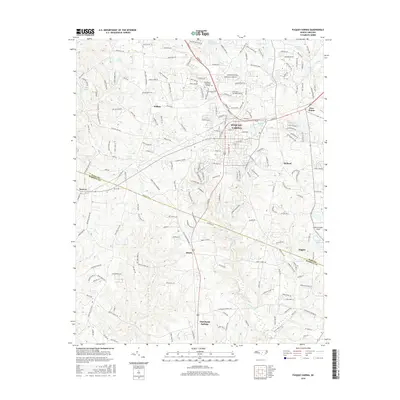 2016 Fuquay-Varina2016 Print · USGSThe transition from rural agriculture to modern residential expansion in the Piedmont is clear in this survey of the mid-2010s. Researchers can trace the development of Fuquay-Varina and Angier alongside local landmarks like Greenlawn Memorial Gardens and Ballentine Dairy.
 - 2016 Map of Angier, 2016 Print
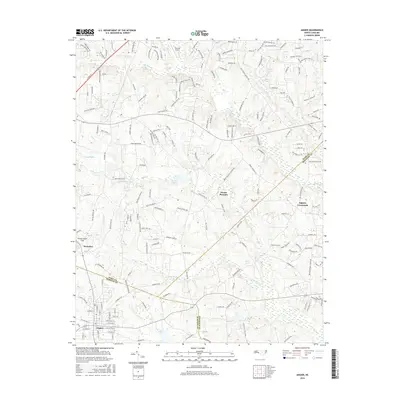 2016 Angier2016 Print · USGSThe crossroads and county lines of the Research Triangle’s southern fringe are captured here during a period of rapid residential growth. Local researchers can trace family lands near Angier or locate landmarks like Triple W Airport and Ogburn Crossroads.
 - 2019 Map of Fuquay-Varina, 2019 Print
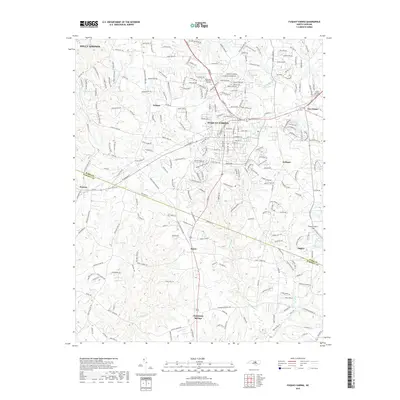 2019 Fuquay-Varina2019 Print · USGSThe growing corridor south of the state capital is captured here in the late 2010s. Trace the expansion of FUQUAY-VARINA and HOLLY SPRINGS alongside historic locales like Chalybeate Springs and Rawls.
 - 2019 Map of Angier, 2019 Print
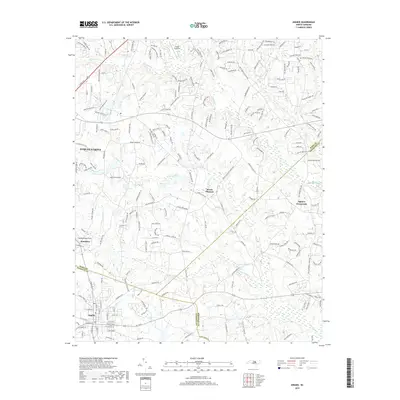 2019 Angier2019 Print · USGSThe borderlands of Wake, Harnett, and Johnston counties are captured here in the late twenty-teens as modern growth meets rural North Carolina tradition. Researchers can trace the layout of Fuquay-Varina and Angier alongside local landmarks like Ogburn Crossroads and Holts Pond.
 - 2022 Map of Fuquay-Varina, 2022 Print
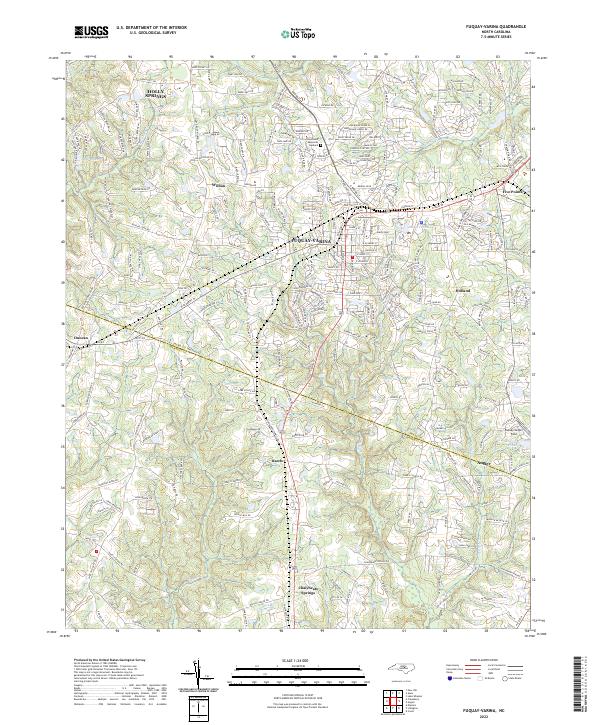 2022 Fuquay-Varina2022 Print · USGSFuquay-Varina and the surrounding Tobacco Road country are captured in this recent survey during a period of rapid suburban growth. Researchers can trace the boundaries of older communities like Chalybeate Springs and Rawls or locate landmarks such as Fuquay-Angier Field.
 - 2022 Map of Angier, 2022 Print
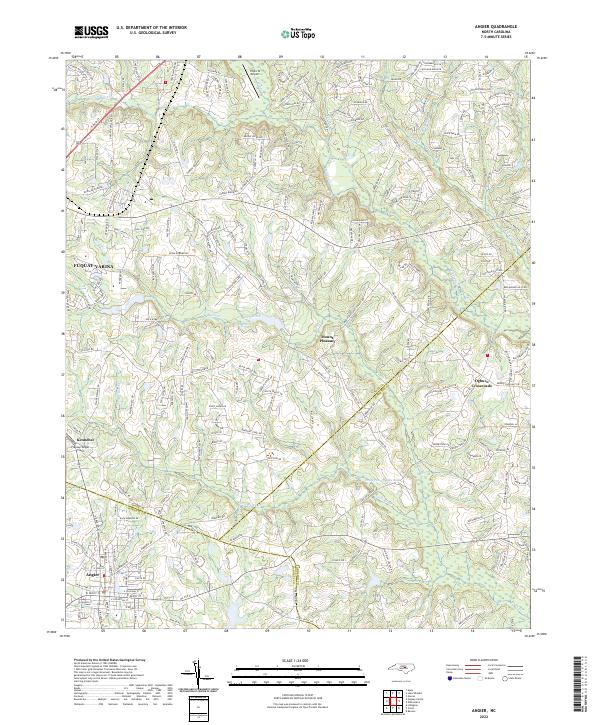 2022 Angier2022 Print · USGSThe intersection of Wake, Harnett, and Johnston counties comes alive in this modern survey of the North Carolina coastal plain. Local researchers can trace the growth of Angier and Fuquay-Varina while identifying long-standing rural points like Ogburn Crossroads and Kennebec.
End of results
Showing maps 1-19 of 19
Frequently asked questions
- What are the different types of historical maps available for Johnson's Landing?
- What is the oldest map of Johnson's Landing?
- Where can I purchase historical maps of Johnson's Landing for my home or office?
- Where can I download high-res historical maps of Johnson's Landing?
- Are there historical topographic maps available for Johnson's Landing?
- Is there historical aerial imagery available for Johnson's Landing?
- Where are historical maps of Johnson's Landing sourced from?