Old Maps of Hayden Island, Oregon
Explore 27 old maps of Hayden Island, spanning from 1897 to today. These high-resolution historic maps reveal how streets, neighborhoods, landmarks, and natural features evolved over time — perfect for genealogy, metal detecting, research, and local history exploration.
What you can do with these maps:
- See how Hayden Island changed over time: Compare historical maps to modern-day views to trace roads, homesites, rail lines & more.
- View detailed metadata: Each map includes creators, publishers, year, scale, and archive source.
- Overlay maps with satellite & LiDAR: Visualize the past alongside modern tools to explore terrain & human change.
- Trusted historical sources: Maps sourced from the USGS, Library of Congress, and other archives.
- Access maps your way: View online, download high-res files, or order prints for personal or research use.
Start exploring old maps of Hayden Island to uncover forgotten places, hidden landmarks, and the deep history beneath your feet.
Hayden Island, OR maps
(27)- 1897 Map of Portland
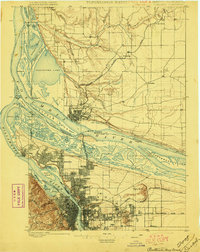 1897 Portland1897 Print · USGSThe Portland and Vancouver riverfronts appear here at a pivotal moment in the 1890s. Trace the early city street grids and rail terminals alongside landmark sites like Vancouver Barracks, Portland University, and Swan Island.2 unique versions available
 - 1905 Map of Portland
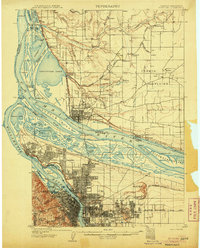 1905 Portland1905 Print · USGSGreater Portland and Vancouver are seen here during the era of the Lewis and Clark Exposition, when river traffic and early electric rail lines defined the region. Researchers can locate the Lewis and Clark Centennial Exposition, the historic Vancouver Barracks, and Munday's Ferry.8 unique versions available
 - 1940 Map of Portland
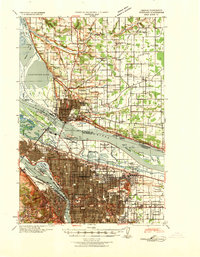 1940 Portland1940 Print · USGSThe Portland and Vancouver riverfronts are captured here just before the massive industrial shifts of the mid-century. Genealogists and historians can locate early landmarks like Vancouver Barracks, the University of Portland, and Mundays Ferry.4 unique versions available
 - 1948 Map of Vancouver, 1957 Print
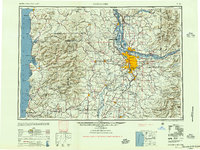 1948 Vancouver1957 Print · USGSPost-war growth transforms the river valleys of the Pacific Northwest as the timber and rail economy thrives. Trace family roots in Tillamook or Oregon City, and locate vanished landmarks like the spit at Bayocean or the Skamania Mine.
 - 1950 Map of Vancouver
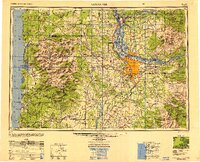 1950 Vancouver1950 Print · USGSCoastal Oregon and the lower Columbia River valley are captured in detail just after the war. Researchers can trace historic rail routes like the Southern Pacific or locate early settlements such as Vernonia, Gaston, and the Grand Ronde Indian Reservation.
 - 1950 Map of Vancouver, 1951 Print
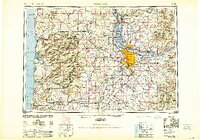 1950 Vancouver1951 Print · USGSThe Pacific Northwest urban corridor meets the rugged coast in the years following the war, showing the expansion of Portland and Vancouver. Genealogists and historians can trace the reach of the Southern Pacific RR and locate coastal communities like Tillamook, Seaside, and Tolovana Park.
 - 1954 Map of Portland, 1956 Print
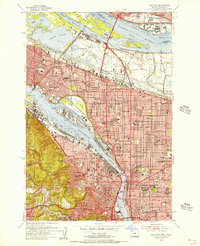 1954 Portland1956 Print · USGSMid-century Portland and Vancouver appear in high detail during an era of significant post-war industrial and urban transition. Genealogists and researchers can locate the Vanport City (Site), the Swan Island Shipyard, and many parish schools such as St Andrews Sch.
 - 1954 Map of Vancouver, 1957 Print
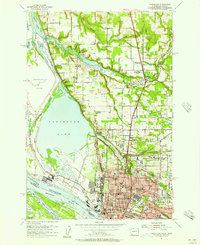 1954 Vancouver1957 Print · USGSMid-century Vancouver and the Columbia River lowlands are captured here as the region's industrial and institutional footprint expanded. Genealogists and local historians can trace the foundations of the city at Providence Academy, Barnes Gen Hosp, and the Salmon Creek Cemetery.
 - 1958 Map of Vancouver, 1968 Print
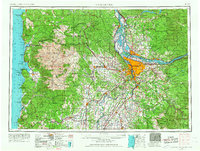 1958 Vancouver1968 Print · USGSThe Lower Columbia and Willamette valleys thrive in the late sixties as major rail and river hubs. Genealogists and historians can trace the development of Portland, identify the grounds of Camp Withycombe, and locate coastal landmarks from Tillamook Head to Garibaldi.3 unique versions available
 - 1961 Map of Portland, 1962 Print
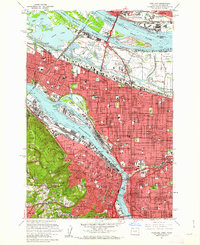 1961 Portland1962 Print · USGSPortland and Vancouver are captured during a season of rapid postwar change, showing the city's growth along the river before modern freeway expansions. Researchers can trace family roots at Mt Calvary Cemetery or locate the historic Vanport City site.3 unique versions available
 - 1961 Map of Vancouver, 1962 Print
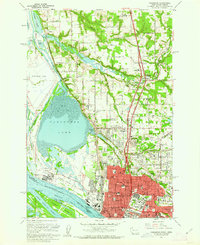 1961 Vancouver1962 Print · USGSThe riverfront and educational heart of Vancouver are captured here in the early sixties, as the city expanded northward from the Columbia. Genealogists can trace family landmarks like Salmon Creek Cem, Providence Academy, and the Washington Sch for the Deaf.5 unique versions available
 - 1961 Map of Portland, 1963 Print
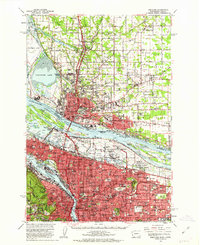 1961 Portland1963 Print · USGSThe Columbia River waterfront and the growing suburbs of the early sixties come to life in this detailed survey of the Oregon-Washington border. Researchers can trace the legacy of Vanport City, find the St. Johns Cemetery, or locate the Fort Vancouver National Monument.3 unique versions available
 - 1964 Map of Vancouver
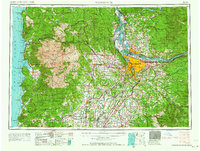 1964 Vancouver1964 Print · USGSThe Pacific Northwest interior and coast are shown here in the 1960s, from the Portland metropolitan hub to the rugged Pacific shoreline. Researchers can trace the legacy of the Grand Ronde Indian Reservation, the early layout of McMinnville, and the maritime approaches near Tillamook Head.
 - 1975 Map of Portland, 1979 Print
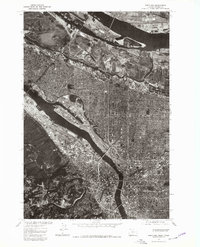 1975 Portland1979 Print · USGSGreater Portland and Vancouver are captured mid-decade in this detailed 1970s aerial survey. Trace the industrial waterfronts, residential grids, and the distinct elevation of Sylvan as they appeared just before years of modern redevelopment.2 unique versions available
 - 1979 Map of Vancouver, 1980 Print
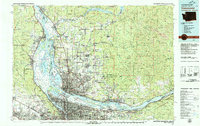 1979 Vancouver1980 Print · USGSThe Portland and Vancouver metropolitan area is captured here in the late seventies, showing the dense nexus of river, rail, and air transit. Genealogists and local historians can trace the footprints of Vancouver Barracks, Lincoln Memorial Park Cem, and the old rail lines of the Burlington Northern.2 unique versions available
 - 1990 Map of Portland, 1995 Print
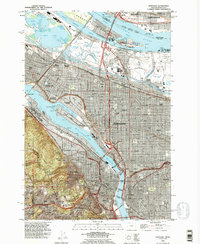 1990 Portland1995 Print · USGSPortland and Vancouver are captured at a point of high urban density and industrial maturity in the 1990s. Genealogists and historians can trace neighborhood evolutions through landmarks like Lone Fir Cemetery, Albina, and the historic Fort Vancouver National Historic Site.
 - 1990 Map of Vancouver, 1995 Print
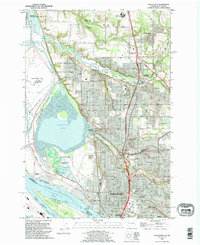 1990 Vancouver1995 Print · USGSVancouver and its Columbia River waterfront are captured here in the 1990s as the city expanded northward toward Salmon Creek. Researchers can locate family plots at Salmon Creek Cem, explore the grounds of Clark College, or trace the rail lines through Vancouver Junction.
 - 2011 Map of Vancouver, 2011 Print
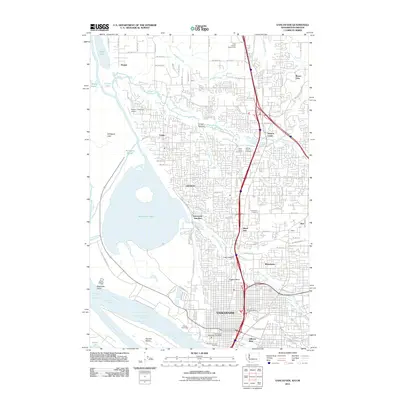 2011 Vancouver2011 Print · USGSThe northern bank of the Columbia River comes to life here during the early 2010s, showing a mix of urban density and vast riverfront wetlands. Researchers can locate landmarks like Officers Row, the industrial Port of Vancouver, and several burial grounds including Saint James Cemetery.
 - 2011 Map of Portland, 2011 Print
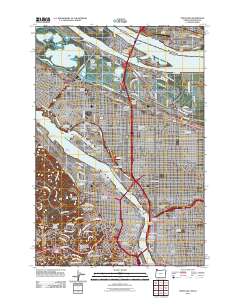 2011 Portland2011 Print · USGSPortland and Vancouver at the start of the 2010s show a mature urban landscape defined by river industry and historic neighborhoods. Researchers can trace local heritage through sites like Lone Fir Cemetery, Albina Yard, and the iconic Pittock Block.
 - 2014 Map of Vancouver, 2014 Print
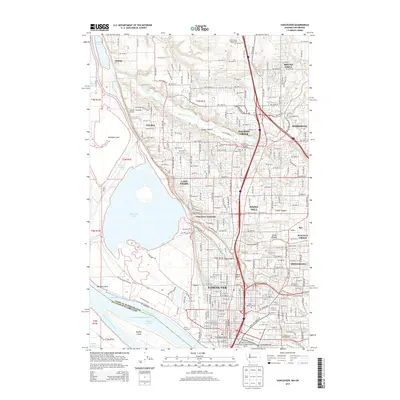 2014 Vancouver2014 Print · USGSThe Columbia River waterfront and the burgeoning suburbs of Clark County are captured here in the early twenty-first century. Researchers can trace family roots through Saint James Cem, explore the grounds of the Fort Vancouver National Historical Site, or locate the Robert L Delanoy Airport.
 - 2014 Map of Portland, 2014 Print
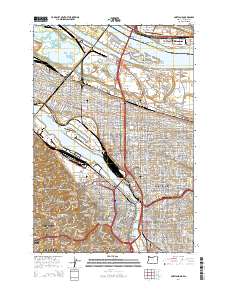 2014 Portland2014 Print · USGSThe Portland and Vancouver metro area is captured here during a period of dense urban development and complex river infrastructure. Researchers can trace the layout of historic neighborhoods like Irvington, locate Union Station, or explore the grounds of the Fort Vancouver National Historical Site.
 - 2017 Map of Vancouver, 2017 Print
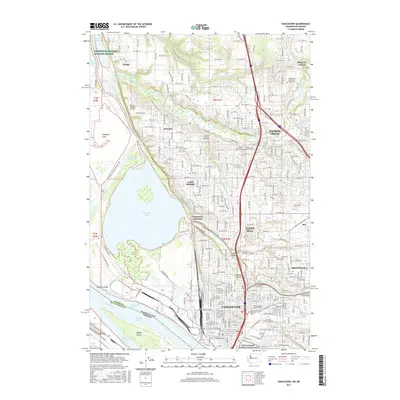 2017 Vancouver2017 Print · USGSThe Vancouver area near the turn of the 21st century showcases a blend of deep historical roots and modern suburban growth along the Columbia River. Researchers can trace early regional history through the Fort Vancouver National Historic Site and several local landmarks like Saint Johns Cem or the Vancouver Junction rail hub.
 - 2017 Map of Portland, 2017 Print
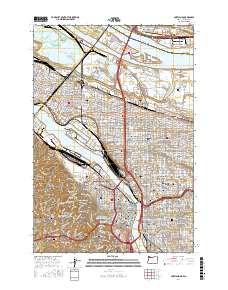 2017 Portland2017 Print · USGSGreater Portland and Vancouver appear at a modern peak of urban density where the Willamette and Columbia rivers meet. Researchers can locate significant genealogical sites like Historic Columbian Cem or explore industrial landmarks like the Swan Island Basin and Pearson Field.
 - 2020 Map of Vancouver, 2020 Print
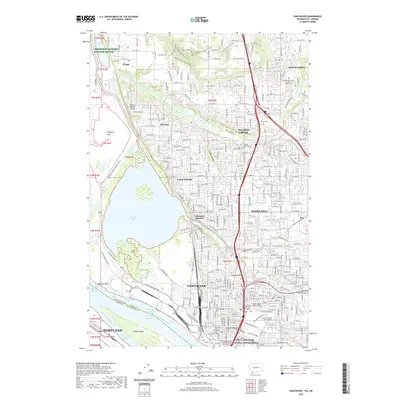 2020 Vancouver2020 Print · USGSVancouver and the Columbia River riverfront are shown here during a period of significant suburban and academic expansion. Researchers can find deep history at the Fort Vancouver National Historic Site and trace family roots through sites like Salmon Creek Cem or Mother Joseph Catholic Cem.
 - 2020 Map of Portland, 2020 Print
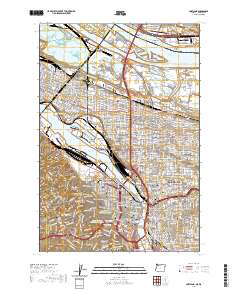 2020 Portland2020 Print · USGSPortland and Vancouver are shown during a period of modern urban density, highlighting the vital bridges and riverfront industry of the Willamette. Researchers can trace historic neighborhood boundaries from Saint Johns to Laurelhurst or locate ancestors at Lone Fir Cem.
Showing maps 1-25 of 27
Frequently asked questions
- What are the different types of historical maps available for Hayden Island?
- What is the oldest map of Hayden Island?
- Where can I purchase historical maps of Hayden Island for my home or office?
- Where can I download high-res historical maps of Hayden Island?
- Are there historical topographic maps available for Hayden Island?
- Is there historical aerial imagery available for Hayden Island?
- Where are historical maps of Hayden Island sourced from?