Old Maps of Richland Township, Pennsylvania
Explore 40 old maps of Richland Township, spanning from 1904 to today. These high-resolution historic maps reveal how streets, neighborhoods, landmarks, and natural features evolved over time — perfect for genealogy, metal detecting, research, and local history exploration.
What you can do with these maps:
- See how Richland Township changed over time: Compare historical maps to modern-day views to trace roads, homesites, rail lines & more.
- View detailed metadata: Each map includes creators, publishers, year, scale, and archive source.
- Overlay maps with satellite & LiDAR: Visualize the past alongside modern tools to explore terrain & human change.
- Trusted historical sources: Maps sourced from the USGS, Library of Congress, and other archives.
- Access maps your way: View online, download high-res files, or order prints for personal or research use.
Start exploring old maps of Richland Township to uncover forgotten places, hidden landmarks, and the deep history beneath your feet.
Richland Township, PA maps
(40)- 1904 Map of Johnstown, 1954 Print
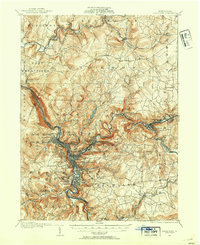 1904 Johnstown1954 Print · USGSJohnstown and the Cambria County coalfields are shown in detail during their industrial peak in the early twentieth century. Researchers can trace ancestral neighborhoods like Morrellville and Franklin, or locate historic landmarks such as the Old Portage RR Tunnel and Grandview Cemetery.2 unique versions available
 - 1907 Map of Johnstown
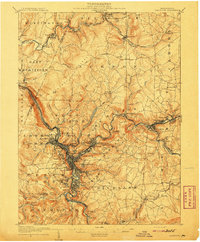 1907 Johnstown1907 Print · USGSJohnstown and the surrounding coal valleys are captured here at the height of their industrial expansion in the early twentieth century. Researchers can trace the path of the Pennsylvania RR and find vanished local landmarks like Expedit PO and the Old Portage RR Tunnel.6 unique versions available
 - 1914 Map of Windber, 1955 Print
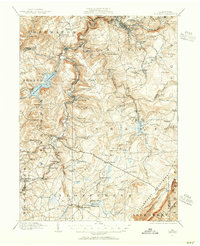 1914 Windber1955 Print · USGSSomerset County coal and rail towns thrive along the Allegheny front during the height of the early industrial era. Genealogists and historians can trace the foundations of Windber, locate the Old Shade Furnace, and map family-named schools like Keafer School.3 unique versions available
 - 1916 Map of Windber
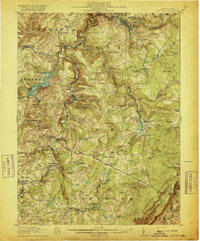 1916 Windber1916 Print · USGSSomerset County coal country and the Laurel Highlands come alive in the decade before the Great War. Genealogists and historians can trace family locations through dozens of named sites like Old Shade Furnace, Stauffer Mine No 3, and Walkers Mill.4 unique versions available
 - 1944 Map of Windber
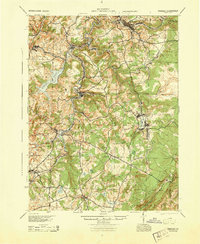 1944 Windber1944 Print · USGSSomerset County's coal and rail corridors are captured here during the 1940s, showing the region's industrial peak. Genealogists can locate family landmarks like Kaufman Ch, Stoystown Sta, and numerous country schools such as Breastwork Sch.
 - 1953 Map of Pittsburgh
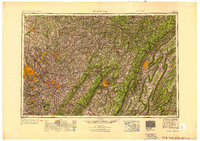 1953 Pittsburgh1953 Print · USGSWestern Pennsylvania's industrial landscape at the start of the fifties shows the steel and rail corridors between Pittsburgh and Altoona. Trace family roots in river towns like Tarentum or follow the Pennsylvania Turnpike across Laurel Hill.
 - 1954 Map of Pittsburgh
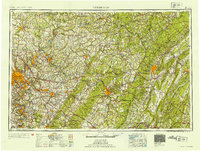 1954 Pittsburgh1954 Print · USGSWestern Pennsylvania in the early fifties remains a powerhouse of heavy industry and vital transit corridors. Genealogists and historians can trace the rail-and-river network connecting Pittsburgh, Johnstown, and Altoona via the Pennsylvania RR and the Lincoln Highway.2 unique versions available
 - 1958 Map of Pittsburgh
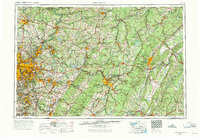 1958 Pittsburgh1958 Print · USGSWestern Pennsylvania in the late fifties shows an industrial heartland defined by the confluence of the Allegheny River and Monongahela River. Researchers can trace the sprawling rail networks of the Pennsylvania RR and find established towns like Butler, Latrobe, and Windber.5 unique versions available
 - 1959 Map of Pittsburgh
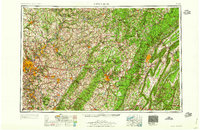 1959 Pittsburgh1959 Print · USGSWestern Pennsylvania in the late fifties is captured here at the height of its industrial era. Genealogists and historians can trace the riverfront growth of Pittsburgh, the rail works at Altoona, and the mountain gaps of Laurel Hill.
 - 1964 Map of Pittsburgh
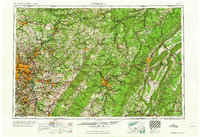 1964 Pittsburgh1964 Print · USGSWestern Pennsylvania in the late fifties and early sixties shows a landscape of powerful river industries and expanding highways. Genealogists and historians can trace the rail corridors of the Pennsylvania RR through industrial hubs like Johnstown, Altoona, and Nanty Glo.
 - 1964 Map of Geistown, 1965 Print
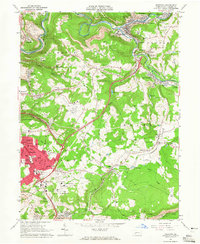 1964 Geistown1965 Print · USGSCambria County in the mid-sixties reveals an industrial landscape defined by river-valley mining and growing suburban centers. Genealogists can trace family names through local landmarks like St Anthony Cem, Sidman (Lovett Sta), and Locust Grove Ch.5 unique versions available
 - 1964 Map of Johnstown, 1966 Print
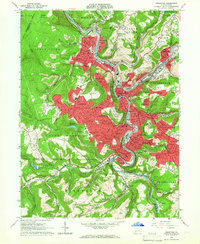 1964 Johnstown1966 Print · USGSThe Conemaugh River valley is captured in the mid-1960s as a dense industrial and rail hub. Genealogists can trace family roots through neighborhood landmarks like Grandview Cemetery, St Nicholas Ch, and the many schools of Westmont and Southmont.6 unique versions available
 - 1971 Map of Hooversville, 1973 Print
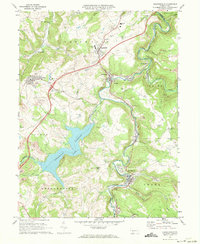 1971 Hooversville1973 Print · USGSSomerset County in the early seventies shows a landscape shaped by coal and water, from the banks of Stony Creek to the hilltop mines. Genealogists and historians can trace family locations near Hooversville, Thomas Mill, and Kaufman Cem.3 unique versions available
 - 1971 Map of Windber, 1973 Print
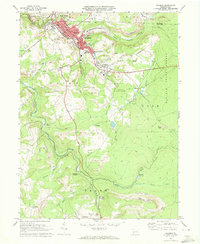 1971 Windber1973 Print · USGSWindber and the surrounding coal country are captured in the early seventies, showing a landscape of active strip mines and tight-knit company towns. Genealogists can locate family landmarks like Maple Grove Sch, Old Shade Furnace, and the community of Cairnbrook.4 unique versions available
 - 1977 Map of Windber, 1979 Print
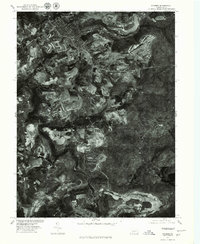 1977 Windber1979 Print · USGSThe coal-mining landscapes of Somerset County are seen with photographic precision in the late seventies. Researchers can trace the industrial footprints of Windber and Paint or locate smaller company settlements like Cairnbrook and Reitz.
 - 1977 Map of Hooversville, 1979 Print
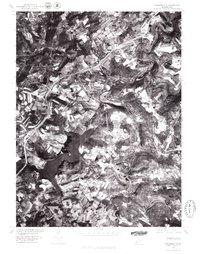 1977 Hooversville1979 Print · USGSSomerset County's landscape appears in sharp relief during the late seventies, showing the industrial and agricultural patterns of the Allegheny Plateau. Trace the development of Hooversville and Jerome alongside the Quemahoning Reservoir.
 - 1977 Map of Johnstown, 1979 Print
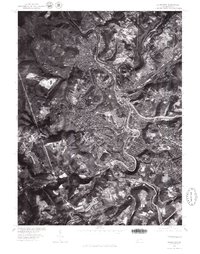 1977 Johnstown1979 Print · USGSThe industrial heart of Pennsylvania is seen from above in the late seventies, showing the dense development at the confluence of Stony Creek and the Conemaugh River. Genealogists and local historians can trace the urban layout of Johnstown and the hillside neighborhoods of Westmont and Lorain.
 - 1981 Map of Johnstown, 1983 Print
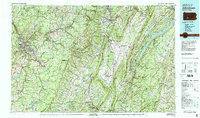 1981 Johnstown1983 Print · USGSSouth Central Pennsylvania is captured here in the early eighties, from the industrial heart of the Conemaugh Valley to the ridges of the Allegheny Front. Local historians can trace the rail corridors of Conrail and the growth of mountain communities like Ebensburg, Nanty Glo, and Windber.
 - 1993 Map of Geistown, 1999 Print
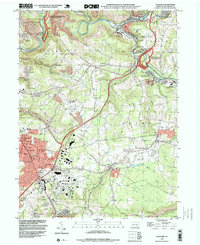 1993 Geistown1999 Print · USGSCambria County in the early nineties reveals a landscape defined by industrial history and the legacy of the Great Flood. Trace family roots at Richland Cemetery or explore landmarks like the Staple Bend Tunnel and South Fork.
 - 1998 Map of Windber, 1999 Print
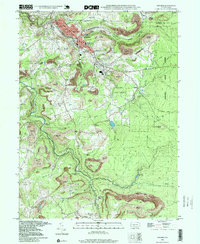 1998 Windber1999 Print · USGSThe coal country of Somerset and Cambria counties is shown here during a period of landscape reclamation in the late nineties. Genealogists and historians can locate family landmarks like the Spaulding Sch, the Old Shade Furnace, and numerous local parishes including St Anthony Ch.
 - 2010 Map of Windber, 2010 Print
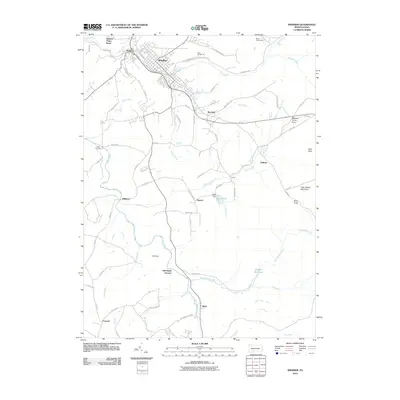 2010 Windber2010 Print · USGSCovers Richland Township, including Windber, Paint, and other nearby areas
 - 2010 Map of Hooversville, 2010 Print
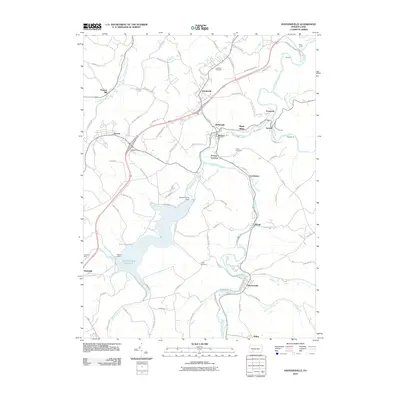 2010 Hooversville2010 Print · USGSCovers Richland Township, including Hooversville, Benson, and other nearby areas
 - 2010 Map of Johnstown, 2010 Print
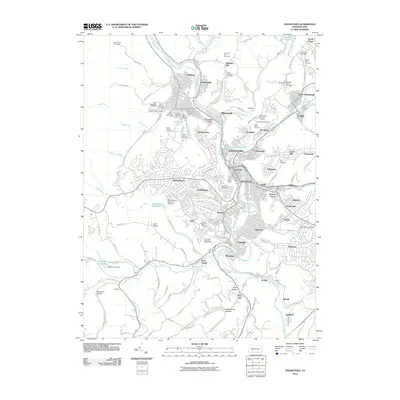 2010 Johnstown2010 Print · USGSCovers Richland Township, including Johnstown, Franklin, and other nearby areas
 - 2010 Map of Geistown, 2010 Print
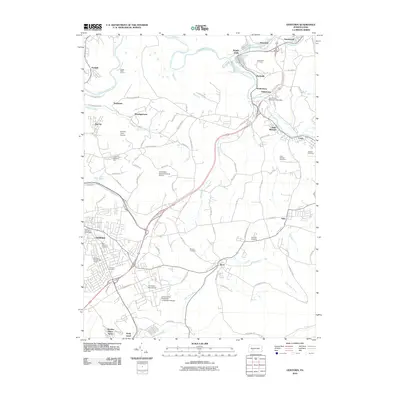 2010 Geistown2010 Print · USGSCovers Richland Township, including Stonycreek Township, Geistown, and other nearby areas
 - 2013 Map of Hooversville, 2013 Print
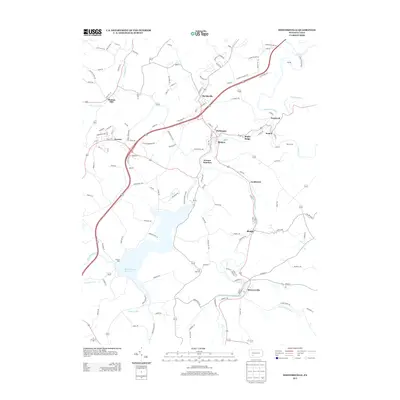 2013 Hooversville2013 Print · USGSCovers Richland Township, including Hooversville, Benson, and other nearby areas
Showing maps 1-25 of 40
Top cities near Richland Township
- Johnstown historical maps
- Franklin historical maps
- Westmont historical maps
- Windber historical maps
- Ebensburg historical maps
- Stonycreek Township historical maps
See more
Top neighborhoods of Richland Township
Frequently asked questions
- What are the different types of historical maps available for Richland Township?
- What is the oldest map of Richland Township?
- Where can I purchase historical maps of Richland Township for my home or office?
- Where can I download high-res historical maps of Richland Township?
- Are there historical topographic maps available for Richland Township?
- Is there historical aerial imagery available for Richland Township?
- Where are historical maps of Richland Township sourced from?