Old Maps of Shipoke, Harrisburg for Genealogy
Trace your family roots with 27 historic maps of Shipoke. These high-res maps reveal old neighborhoods, homesites, landmarks, and streets — helping you uncover where your ancestors lived and how the area evolved over time.
- Explore historic neighborhoods: Identify where your relatives may have lived in the 1800s or 1900s.
- Compare maps over time: Trace the changes in streets, buildings, and landmarks for multi-generational research.
- Perfect for genealogy & ancestry research: Used by family historians and researchers to map out lineage and migration.
These maps are an incredible resource for exploring your personal connection to Shipoke's past.
Shipoke, Harrisburg maps
(27)- 1892 Map of Harrisburg
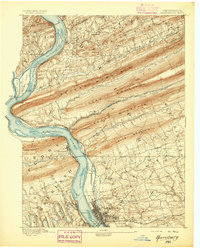 1892 Harrisburg1892 Print · USGSThe Pennsylvania capital and the Susquehanna River corridor are captured here in the 1890s, revealing a landscape of mountain gaps and canal-era infrastructure. Genealogists can trace family roots through settlements like Wormleysburg, Linglestown, and the grounds of the State Lunatic Asylum.2 unique versions available
 - 1899 Map of Harrisburg
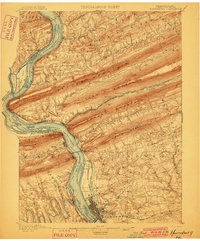 1899 Harrisburg1899 Print · USGSHarrisburg and the Susquehanna River valley are captured here in the 1890s as the railroad era reached its height alongside older waterways. Genealogists and historians can trace the paths of the Pennsylvania Canal and find local landmarks like Heckton Mills and the State Lunatic Asylum.15 unique versions available
 - 1924 Map of Harrisburg
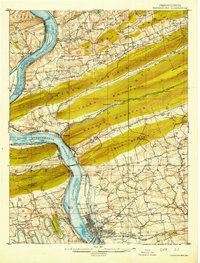 1924 Harrisburg1924 Print · USGSThe Susquehanna River corridor at the state capital reveals a landscape of industrial river gaps and ridge-line valleys in the 1920s. Genealogists and historians can trace the paths of the Pennsylvania Canal and find landmarks like the State Lunatic Asylum and Fort Hunter.
 - 1943 Map of Harrisburg
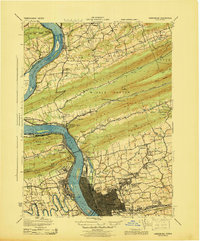 1943 Harrisburg1943 Print · USGSThe Pennsylvania capital and its surrounding Susquehanna riverfront are seen here during the war years. Researchers can trace the extensive rail networks and find local landmarks like Fort Hunter, Good Hope Mills, and Wenrichs Ch.3 unique versions available
 - 1947 Map of Harrisburg West
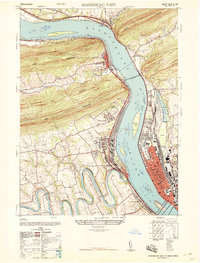 1947 Harrisburg West1947 Print · USGSThe Susquehanna River corridor near Harrisburg is captured here just after the war, showing the massive rail infrastructure and mountain gaps that define the region. Genealogists and local historians can locate the Enola yards, Good Hope Mills, and family burial sites like Chestnut Grove Cemetery.3 unique versions available
 - 1947 Map of Harrisburg East
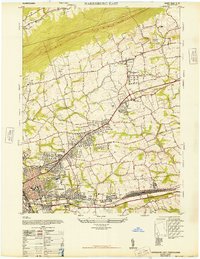 1947 Harrisburg East1947 Print · USGSDauphin County expansion is evident in the late 1940s as suburban communities like Progress and Paxtang grow alongside critical rail lines. Genealogists and historians can trace Prospect Hill Cemetery, the Abandoned Race Track, and early aviation at Penn-Harris Airport.4 unique versions available
 - 1950 Map of Harrisburg, 1952 Print
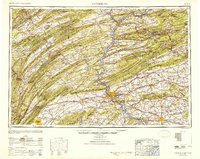 1950 Harrisburg1952 Print · USGSMid-century Central Pennsylvania comes alive through its dense rail networks and river valley settlements during the post-war industrial era. Genealogists and historians can trace family roots through hubs like Harrisburg, locate Carlisle Barracks, or follow the Pennsylvania RR through the Lebanon Valley.
 - 1956 Map of Harrisburg, 1958 Print
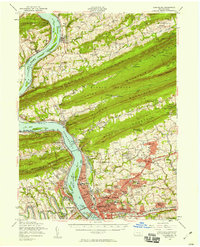 1956 Harrisburg1958 Print · USGSThe Pennsylvania state capital and its surrounding mountain gaps are captured here in the mid-1950s as suburban expansion met the Susquehanna's industrial riverfront. Trace the path of the Stony Creek Railroad or locate family roots at Good Hope Mills and the Rutter Sch.6 unique versions available
 - 1957 Map of Harrisburg
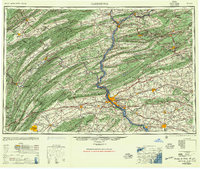 1957 Harrisburg1957 Print · USGSMid-century Central Pennsylvania comes into focus as a bustling network of rail, river, and mountain ridges. Genealogists and historians can trace the development of the State Capitol and surrounding hubs like Middletown, Columbia, and Pottsville.7 unique versions available
 - 1961 Map of Harrisburg
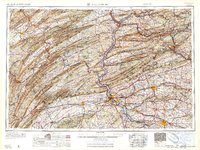 1961 Harrisburg1961 Print · USGSCentral Pennsylvania is shown at a mid-century peak of industrial and military activity, from the Susquehanna water gaps to the fertile Dutch Country. Genealogists and historians can trace the rail corridors of the Pennsylvania RR and find landmarks like Carlisle Barracks or the Anthracite Coal Fields.2 unique versions available
 - 1963 Map of Harrisburg West
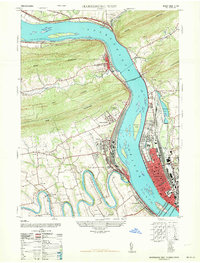 1963 Harrisburg West1963 Print · USGSThe Susquehanna River valley and Pennsylvania's capital region appear here in the early 1960s, showing the intersection of ridge-top wilderness and industrial growth. Genealogists and historians can trace family sites at Mt Zion Church & Cemetery, the Enola rail yards, and Good Hope Mills.
 - 1964 Map of Harrisburg
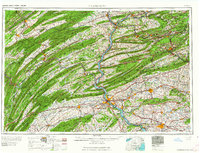 1964 Harrisburg1964 Print · USGSCentral Pennsylvania in the mid-fifties reveals a landscape shaped by ridge-and-valley geology and critical Cold War infrastructure. Researchers can trace the massive Indiantown Gap Military Reservation or the rail corridors of the Pennsylvania RR and Reading RR.
 - 1969 Map of Harrisburg East, 1972 Print
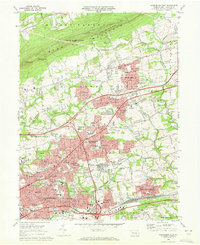 1969 Harrisburg East1972 Print · USGSDauphin County’s eastern suburbs were in a period of rapid mid-century growth as the interstate system reached the area. Researchers can trace the development of Colonial Park and Progress, locating family sites near Shoops Cemetery or the Reading rail line.3 unique versions available
 - 1969 Map of Harrisburg West, 1972 Print
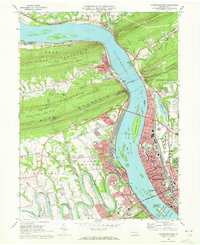 1969 Harrisburg West1972 Print · USGSThe Susquehanna River and its massive rail crossings define the Harrisburg area in the late sixties. Genealogists and historians can trace the development of riverfront boroughs like Wormleysburg and find local landmarks such as Good Hope Mill or the Heckton Ch.4 unique versions available
 - 1984 Map of Harrisburg, 1985 Print
 1984 Harrisburg1985 Print · USGSCentral Pennsylvania in the mid-eighties shows a landscape defined by the winding Susquehanna River and the industrial growth of its river towns. Researchers can trace the rail corridors of Amtrak and Conrail or explore the bounds of Fort Indiantown Gap Military Reservation.2 unique versions available
 - 1993 Map of Harrisburg West, 1999 Print
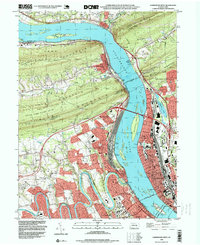 1993 Harrisburg West1999 Print · USGSThe Susquehanna River valley in the early 1990s shows a landscape defined by massive rail infrastructure and urban expansion. Genealogists and historians can trace family roots through Enola and Wormleysburg or locate historic sites like Good Hope Mill and the Rockville Bridge.
 - 1993 Map of Harrisburg East, 1999 Print
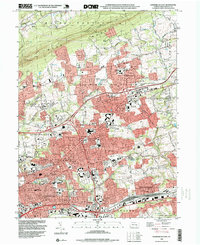 1993 Harrisburg East1999 Print · USGSDauphin County's eastern suburban corridor is captured here in the early nineties as residential growth expanded toward the base of BLUE MOUNTAIN. Researchers can trace family history through local landmarks like Shoops Cemetery, Harrisburg State Hospital, and the old CONRAIL rail lines.
 - 2010 Map of Harrisburg East, 2010 Print
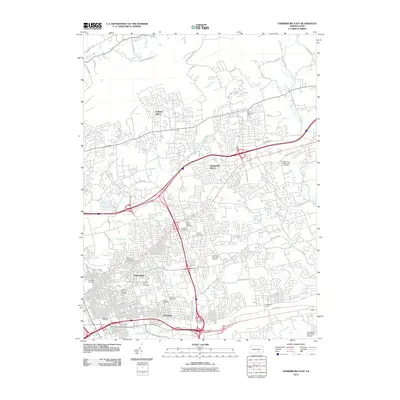 2010 Harrisburg East2010 Print · USGSDauphin County’s suburban expansion is in full view here during the early 2010s, revealing a landscape where modern interstates intersect with deep-rooted local history. Genealogists can trace family legacies at East Harrisburg Cemetery or Shoops Cemetery, while historians examine the industrial scale of Rutherford Yards.
 - 2010 Map of Harrisburg West, 2010 Print
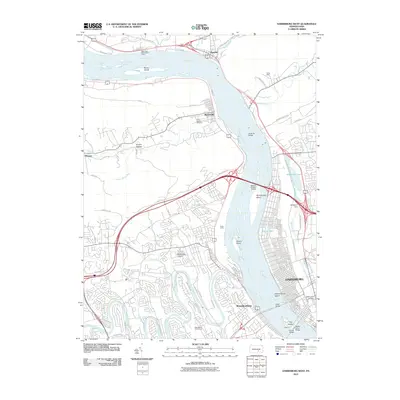 2010 Harrisburg West2010 Print · USGSThe Susquehanna River valley around Harrisburg was a bustling hub of rail and river commerce in the early twenty-first century. Genealogists and historians can trace the expansive Enola Yards, locate the Perry Heights Cemetery, or explore landmarks like the Rockville Bridge.
 - 2013 Map of Harrisburg East, 2013 Print
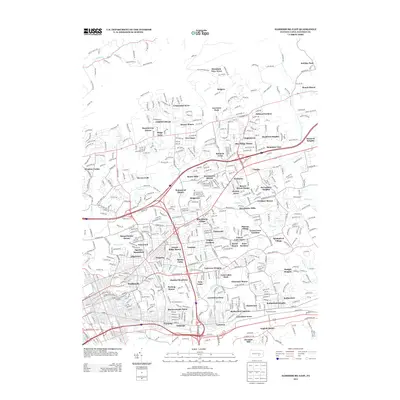 2013 Harrisburg East2013 Print · USGSThe suburbs east of the Pennsylvania capital are shown at a peak of residential density during the early 2010s. Genealogists and historians can trace thousands of street names across neighborhoods like Linglestown and Paxtonia or locate major infrastructure like the Rutherford Yards.
 - 2013 Map of Harrisburg West, 2013 Print
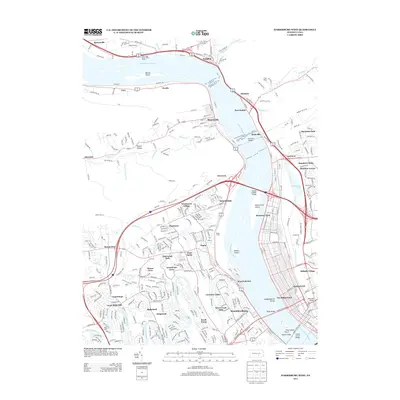 2013 Harrisburg West2013 Print · USGSThe Susquehanna riverfront north of Harrisburg is shown here at a time when massive rail and road infrastructure defined the valley. Genealogists and local historians can trace the neighborhoods of Enola and Marysville or locate Good Hope Mill and the Enola Yards.
 - 2016 Map of Harrisburg East, 2016 Print
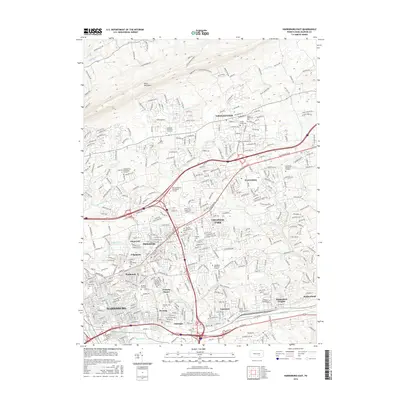 2016 Harrisburg East2016 Print · USGSThe eastern suburbs of Dauphin County are captured here during a period of significant growth at the state capital. Genealogists and local historians can trace legacy sites like the Harrisburg Cem, Shoops Cem, and the old settlement at Linglestown.
 - 2016 Map of Harrisburg West, 2016 Print
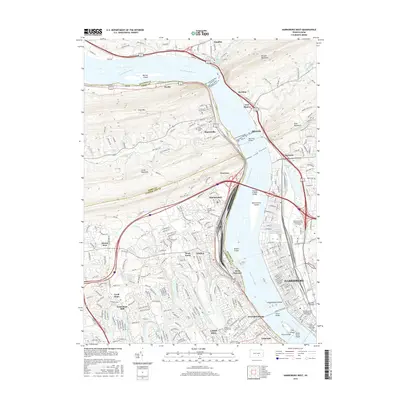 2016 Harrisburg West2016 Print · USGSThe Pennsylvania capital and its western suburbs are shown in great detail during the mid-2010s as the Susquehanna valley expands. Trace the footprint of local industry and transit from the Rockville Bridge to the rail hubs of ENOLA and the historic Fort Hunter.
 - 2019 Map of Harrisburg East, 2019 Print
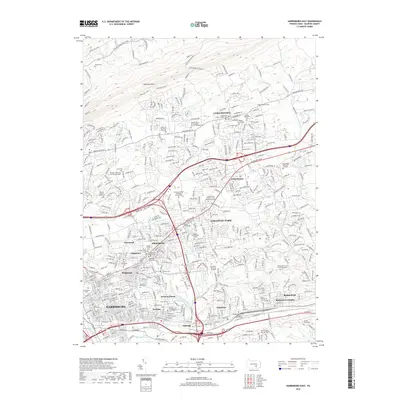 2019 Harrisburg East2019 Print · USGSEastern Harrisburg and its surrounding suburbs are shown in detail at the close of the 2010s, revealing a landscape shaped by rapid growth and long-held history. Genealogists can trace family names across a remarkable concentration of burial grounds, including Shoops Cem, East Harrisburg Cem, and Lincoln Cem.
 - 2019 Map of Harrisburg West, 2019 Print
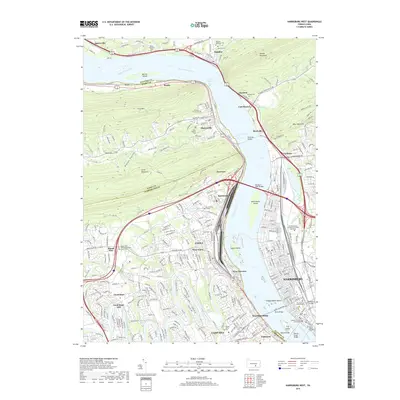 2019 Harrisburg West2019 Print · USGSThe riverfront communities near Harrisburg are captured here in the late twenty-tens, showing the complex intersection of the Susquehanna and the Appalachian ridgelines. Genealogists and local historians can trace legacy sites like Harris Burial Ground, Good Hope Mill, and Enola Cem.
Showing maps 1-25 of 27
Frequently asked questions
- What are the different types of historical maps available for Shipoke?
- What is the oldest map of Shipoke?
- Where can I purchase historical maps of Shipoke for my home or office?
- Where can I download high-res historical maps of Shipoke?
- Are there historical topographic maps available for Shipoke?
- Is there historical aerial imagery available for Shipoke?
- Where are historical maps of Shipoke sourced from?