Old Maps of Hickory Hill, South Carolina
Explore 15 old maps of Hickory Hill, spanning from 1918 to today. These high-resolution historic maps reveal how streets, neighborhoods, landmarks, and natural features evolved over time — perfect for genealogy, metal detecting, research, and local history exploration.
What you can do with these maps:
- See how Hickory Hill changed over time: Compare historical maps to modern-day views to trace roads, homesites, rail lines & more.
- View detailed metadata: Each map includes creators, publishers, year, scale, and archive source.
- Overlay maps with satellite & LiDAR: Visualize the past alongside modern tools to explore terrain & human change.
- Trusted historical sources: Maps sourced from the USGS, Library of Congress, and other archives.
- Access maps your way: View online, download high-res files, or order prints for personal or research use.
Start exploring old maps of Hickory Hill to uncover forgotten places, hidden landmarks, and the deep history beneath your feet.
Hickory Hill, SC maps
(15)- 1918 Map of Green Pond
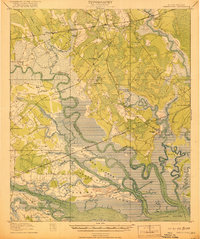 1918 Green Pond1918 Print · USGSThe South Carolina Lowcountry is captured here just as the First World War ended, showing a landscape defined by the winding Combahee and Ashepoo rivers. Researchers can trace historic family routes along the Old Savannah and Charleston Road and locate rural landmarks like Combahee Ferry and First African Church.4 unique versions available
 - 1943 Map of Green Pond
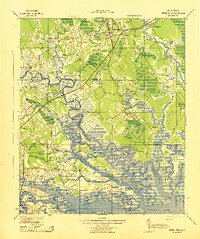 1943 Green Pond1943 Print · USGSThe Lowcountry river systems of South Carolina are captured here in the 1940s as they wind toward the Atlantic. Genealogists and historians can trace old community ties at First African Ch or locate the Old Fort and rail stops at Ashepoo Siding.2 unique versions available
 - 1947 Map of Savannah
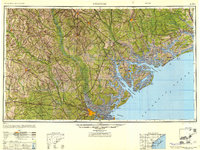 1947 Savannah1947 Print · USGSCoastal Georgia and South Carolina are captured here in the mid-forties, showing the rail-and-river networks of the Lowcountry. Genealogists and researchers can trace old crossroads and river towns from Statesboro to Beaufort, alongside military sites like Camp Stewart and Parris Island.
 - 1948 Map of Savannah
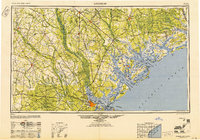 1948 Savannah1948 Print · USGSThe Georgia and South Carolina Lowcountry comes alive in this post-war survey of the coast and its river-fed hinterlands. Genealogists and historians can trace rail lines like the Central of Georgia RR and find established settlements such as Isle of Hope and Sylvania.
 - 1957 Map of Savannah, 1967 Print
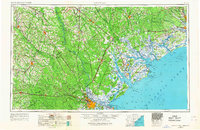 1957 Savannah1967 Print · USGSThe Lowcountry and Georgia coastal plain are shown here in the late fifties, prior to modern expansion. Researchers can trace the rail-and-river economy through the Central of Georgia lines and the Ogeechee River wetlands.4 unique versions available
 - 1960 Map of Savannah
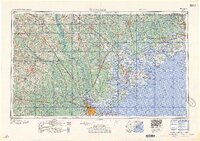 1960 Savannah1960 Print · USGSCoastal Georgia and the South Carolina Lowcountry are captured in the late fifties, showcasing the intricate web of islands and tidal rivers before modern expansion. Researchers can trace the rail lines of the Atlantic Coast Line or locate sites like Parris Island, Beaufort, and the Tybee Lighthouse.
 - 1961 Map of Savannah
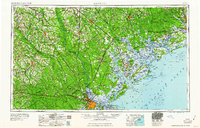 1961 Savannah1961 Print · USGSThe Georgia and South Carolina Lowcountry comes alive in this mid-century survey of coastal marshes, barrier islands, and river networks. Genealogists and historians can trace the paths of the Seaboard Air Line RR, locate family sites near Isle of Hope, or study the grounds of Fort Stewart Military Reservation.2 unique versions available
 - 1986 Map of Walterboro
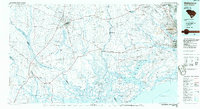 1986 Walterboro1986 Print · USGSThe South Carolina Lowcountry in the mid-eighties remains a world of expansive wetlands and historic river crossings. Genealogists and historians can trace the rural communities and landmarks of Colleton and Charleston counties, from the Baptist Church at Adams Run to the coastal reaches of Edisto Beach State Park.
 - 1988 Map of White Hall
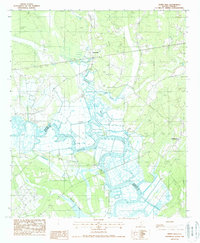 1988 White Hall1988 Print · USGSThe Lowcountry riverfront of South Carolina is captured here in the late 1980s as it winds through the Colleton and Beaufort county line. Researchers can trace the extensive Levee systems and riverfront sites like Bonny Hall, White Hall, and Hickory Hill.
 - 1990 Map of Walterboro
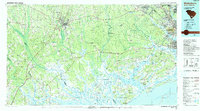 1990 Walterboro1990 Print · USGSCoastal South Carolina and its dense river networks are documented here in the early nineties as the Charleston suburbs expanded westward. Genealogists and historians can trace old community hubs like Clubhouse Crossroads, the site of Givhans Ferry, and several Strip Mines north of the Stono River.
 - 2011 Map of White Hall, 2011 Print
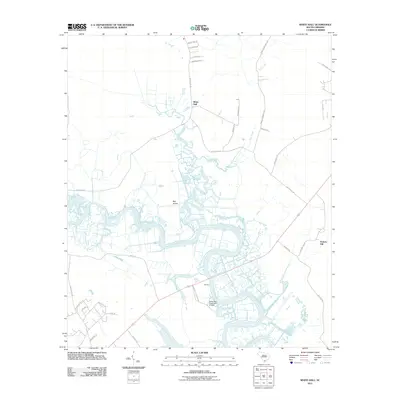 2011 White Hall2011 Print · USGSColleton County's Lowcountry riverfront comes into focus here in the early twenty-first century, showcasing the winding Combahee River and its surrounding wetlands. Genealogists and local historians can trace the roads connecting White Hall, Old Fort, and Hickory Hill, alongside landmarks like Snipe Bog Pond Dam D-2935.
 - 2014 Map of White Hall, 2014 Print
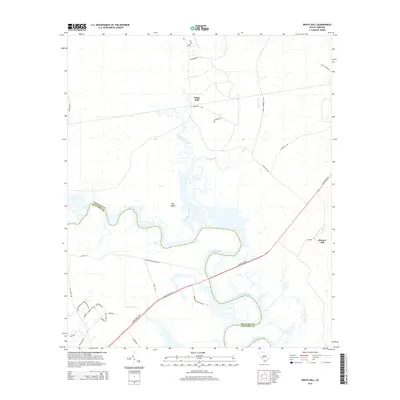 2014 White Hall2014 Print · USGSThe Lowcountry marshes of Colleton and Beaufort counties are shown here in the early twenty-first century as the Combahee River snakes through the landscape. Researchers can trace the legacy of coastal estates via Nemours Plantation Dr and find community landmarks like White Hall and African Baptist Rd.
 - 2017 Map of White Hall, 2017 Print
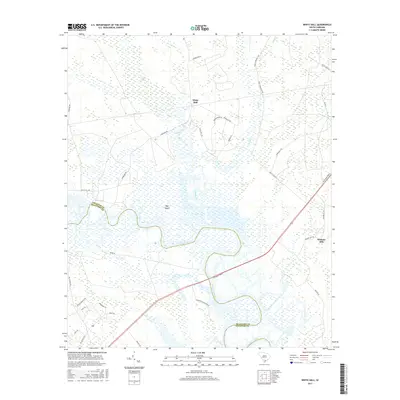 2017 White Hall2017 Print · USGSThe marshlands of the Carolina Lowcountry appear in high detail during the late 2010s, centered on the winding Combahee River. Researchers can trace local history through named routes like Nemours Plantation Dr and find the small settlements of White Hall and Hickory Hill.
 - 2020 Map of White Hall, 2020 Print
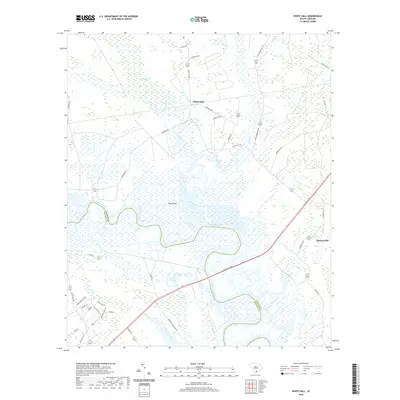 2020 White Hall2020 Print · USGSThe Lowcountry riverfront near the Colleton and Beaufort county line is captured here in recent years. Genealogists and historians can trace local landmarks and property access via White Hall Rd, Nemours Plantation Dr, and the community of Hickory Hill.
 - 2024 Map of White Hall, 2024 Print
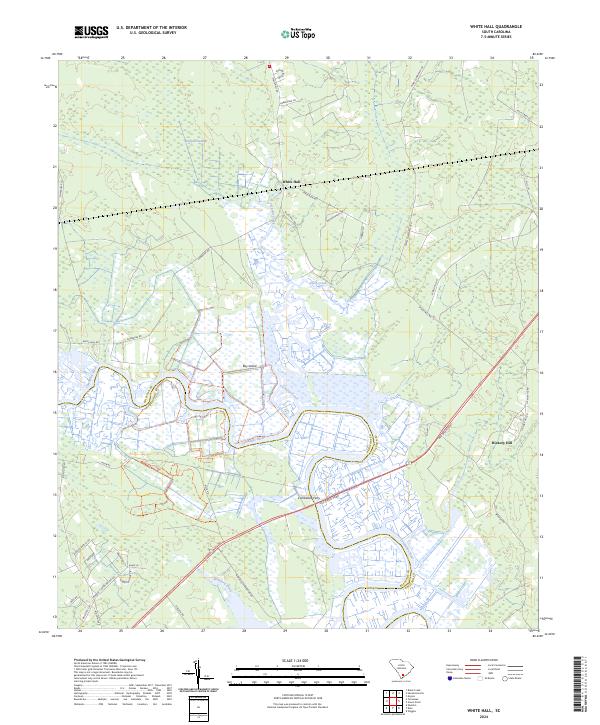 2024 White Hall2024 Print · USGSIn this modern survey of the South Carolina Lowcountry, the Combahee River remains the central artery for a landscape preserved within the Ernest F Hollings Ace Basin National Wildlife Refuge. Trace local heritage through the settlement at White Hall and historic landmarks like the Combahee Ferry.
End of results
Showing maps 1-15 of 15
Top cities near Hickory Hill
- Beaufort historical maps
- Walterboro historical maps
- Yemassee historical maps
- Blountville historical maps
Frequently asked questions
- What are the different types of historical maps available for Hickory Hill?
- What is the oldest map of Hickory Hill?
- Where can I purchase historical maps of Hickory Hill for my home or office?
- Where can I download high-res historical maps of Hickory Hill?
- Are there historical topographic maps available for Hickory Hill?
- Is there historical aerial imagery available for Hickory Hill?
- Where are historical maps of Hickory Hill sourced from?