Old Maps of Wateree, South Carolina
Explore 14 old maps of Wateree, spanning from 1943 to today. These high-resolution historic maps reveal how streets, neighborhoods, landmarks, and natural features evolved over time — perfect for genealogy, metal detecting, research, and local history exploration.
What you can do with these maps:
- See how Wateree changed over time: Compare historical maps to modern-day views to trace roads, homesites, rail lines & more.
- View detailed metadata: Each map includes creators, publishers, year, scale, and archive source.
- Overlay maps with satellite & LiDAR: Visualize the past alongside modern tools to explore terrain & human change.
- Trusted historical sources: Maps sourced from the USGS, Library of Congress, and other archives.
- Access maps your way: View online, download high-res files, or order prints for personal or research use.
Start exploring old maps of Wateree to uncover forgotten places, hidden landmarks, and the deep history beneath your feet.
Wateree, SC maps
(14)- 1943 Map of Eastover, 1953 Print
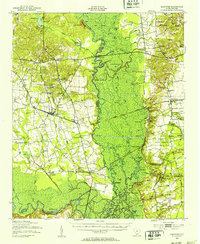 1943 Eastover1953 Print · USGSIn the early 1940s, the rural landscapes of Richland and Sumter counties centered on the river junctions and thriving rail lines. Genealogists can trace family landmarks like Good Hope Ch and Bethel Sch or follow the path of the Kings Highway.
 - 1953 Map of Wateree, 1957 Print
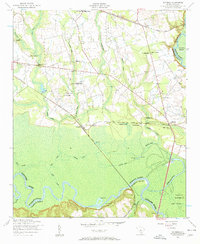 1953 Wateree1957 Print · USGSRichland and Calhoun counties meet here in the early fifties at the confluence of the Congaree and Wateree rivers. Trace the old rail junctions at Kingville and find local history at Joyner Cemetery, Stoney Hill School, and Mount Olive Church.4 unique versions available
 - 1954 Map of Augusta
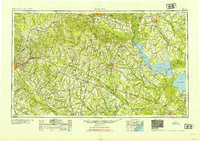 1954 Augusta1954 Print · USGSThe Savannah River valley and South Carolina Midlands are captured here during a period of post-war growth. Researchers can trace the rail-and-river economy through the Southern RR corridor and locate historic settlements like Aiken, Orangeburg, and Sumter.
 - 1957 Map of Augusta, 1966 Print
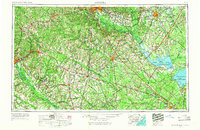 1957 Augusta1966 Print · USGSThe Savannah River and Santee basins are captured here during a period of massive military and industrial expansion in the late fifties. Genealogists can trace family footprints across Four Hole Swamp or near the Savannah River Plant.3 unique versions available
 - 1958 Map of Augusta
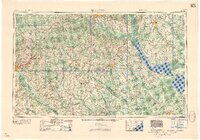 1958 Augusta1958 Print · USGSThe borderlands between Georgia and South Carolina come alive in the 1950s, showing the early footprint of the Savannah River Plant. Genealogists and historians can trace rail-dependent towns and rural landmarks from Orangeburg to the Fort Jackson Military Reservation.
 - 1961 Map of Augusta
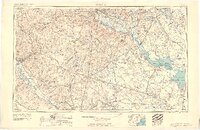 1961 Augusta1961 Print · USGSThe South Carolina lowcountry and CSRA appear here in the early sixties, during a period of massive military and industrial growth. Researchers can trace the development of the Savannah River Plant or locate legacy landmarks like Nelson Ferry and Magnolia Cemetery.2 unique versions available
 - 1962 Map of Augusta
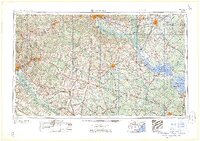 1962 Augusta1962 Print · USGSThe South Carolina and Georgia borderlands are seen here in the early sixties, showing the rise of the Savannah River Plant and the expansion of Fort Jackson. Researchers can trace old rail lines like the Southern Railway and find landmarks such as St. Pauls Church or the Santee Canal.
 - 1986 Map of Sumter
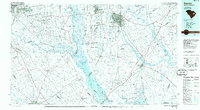 1986 Sumter1986 Print · USGSMid-South Carolina in the mid-eighties reveals a landscape of massive river bottomlands and significant military installations. Genealogists and historians can trace the rural networks around Fort Motte, Lone Star, and Sardinia alongside Lake Marion.
 - 1990 Map of Sumter
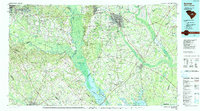 1990 Sumter1990 Print · USGSCentral South Carolina's river systems and military landscapes are captured here during the late twentieth century. Genealogists and historians can trace the growth of Sumter or locate rural communities such as Wedgefield and Kingville near the Congaree River.
 - 2012 Map of Wateree, 2012 Print
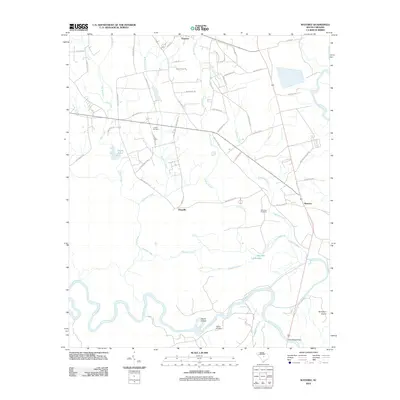 2012 Wateree2012 Print · USGSRichland County's river-bottom country comes into focus in this recent survey of the lands between Eastover and the Congaree River. Genealogists and local historians can trace family ties at Joyner Cemetery, Goodin Cemetery, and the old rail-and-river hub of Kingville.
 - 2014 Map of Wateree, 2014 Print
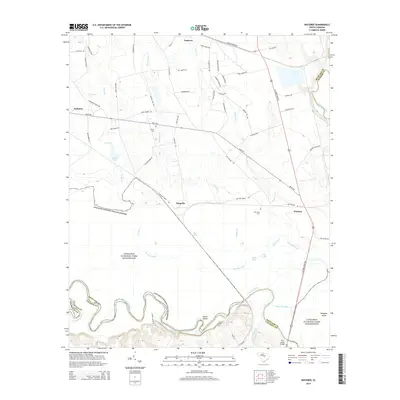 2014 Wateree2014 Print · USGSRichland County's river-bottom wilderness and upland communities are detailed here in the early 2010s. Researchers can locate family landmarks like Joyner Cem and Goodin Cem or trace the winding waters of the Congaree River through Devils Elbow.
 - 2017 Map of Wateree, 2017 Print
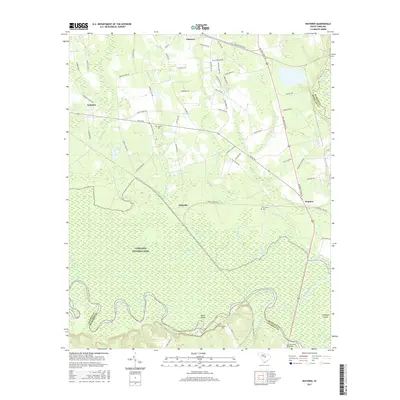 2017 Wateree2017 Print · USGSThe Congaree and Wateree Rivers meet here in the Richland County wetlands during the late twenty-tens. Researchers can trace the rural communities of Eastover and Kingville or locate family history at Joyner Cem and Tom Seay Cem near the Congaree National Park.
 - 2020 Map of Wateree, 2020 Print
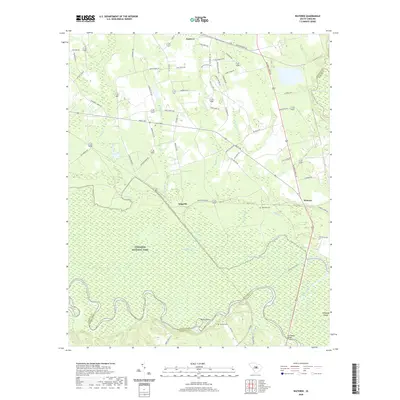 2020 Wateree2020 Print · USGSRichland County's river-bottom forests and rural uplands are shown here in the contemporary era. Researchers can locate family burial sites like Tom Seay Cem and trace the winding waters of Devils Elbow near the historic crossing at Kingville.
 - 2024 Map of Wateree, 2024 Print
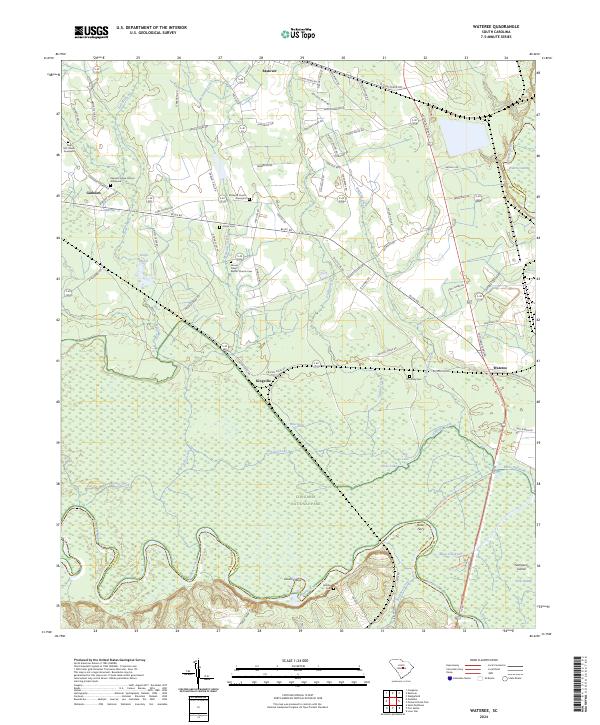 2024 Wateree2024 Print · USGSThe Congaree and Wateree Rivers meet in this 2024 survey of the South Carolina lowlands. Genealogists and researchers can trace local family history through sites like Richland Church Graveyard, Bates Ferry, and Kingville.
End of results
Showing maps 1-14 of 14
Top cities near Wateree
- Columbia historical maps
- Sumter historical maps
- Saint Matthews historical maps
- Eastover historical maps
- Pinewood historical maps
Frequently asked questions
- What are the different types of historical maps available for Wateree?
- What is the oldest map of Wateree?
- Where can I purchase historical maps of Wateree for my home or office?
- Where can I download high-res historical maps of Wateree?
- Are there historical topographic maps available for Wateree?
- Is there historical aerial imagery available for Wateree?
- Where are historical maps of Wateree sourced from?