Old Maps of Chance, Virginia for Genealogy
Trace your family roots with 16 historic maps of Chance. These high-res maps reveal old neighborhoods, homesites, landmarks, and streets — helping you uncover where your ancestors lived and how the area evolved over time.
- Explore historic neighborhoods: Identify where your relatives may have lived in the 1800s or 1900s.
- Compare maps over time: Trace the changes in streets, buildings, and landmarks for multi-generational research.
- Perfect for genealogy & ancestry research: Used by family historians and researchers to map out lineage and migration.
These maps are an incredible resource for exploring your personal connection to Chance's past.
Chance, VA maps
(16)- 1889 Map of Fredericksburg
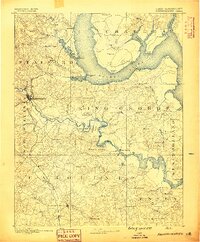 1889 Fredericksburg1889 Print · USGSThe Tidewater region of Virginia and Maryland comes into focus in the late 1880s, centered on the river-and-rail hub of Fredericksburg. Genealogists can trace early landmarks like Rappahannock Academy, Bull Church, and Saunders Wharf.
 - 1892 Map of Fredericksburg
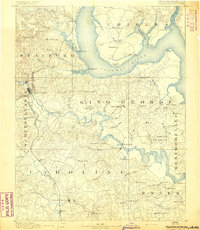 1892 Fredericksburg1892 Print · USGSCoastal Virginia and Maryland are captured here in the late nineteenth century, showing a landscape of river-port towns and historic crossroads. Researchers can locate vanished landmarks and family sites like Rappahannock Academy, Whites Mill, and the riverside Port Royal.
 - 1894 Map of Fredericksburg
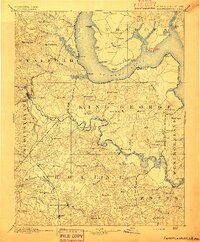 1894 Fredericksburg1894 Print · USGSThe Tidewater and Piedmont regions of Virginia meet in the late nineteenth century at the head of the Rappahannock River. Local historians can trace early inland commerce through rural centers like Nindes Store, the Rappahannock Academy, and Stafford.10 unique versions available
 - 1942 Map of Occupacia
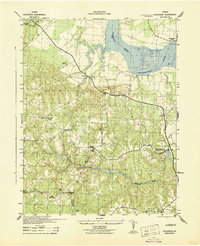 1942 Occupacia1942 Print · USGSEssex County's riverfront and rural interior are documented here during the early 1940s, showing a landscape of crossroads settlements and timber resources. Genealogists and historians can trace family locations near Vauters Church, Bethlehem Fork, and the Lumber Mill near Iraville.
 - 1948 Map of Washington
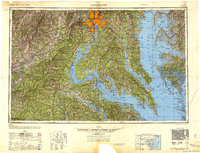 1948 Washington1948 Print · USGSThe Potomac and Chesapeake regions in the late 1940s reveal a landscape of expanding military reach and deep-rooted Tidewater settlements. Trace old rail corridors like the Richmond Fredericksburg & Potomac RR or locate landmarks like the Wakefield Washington Monument and St. Marys College.2 unique versions available
 - 1949 Map of Occupacia, 1961 Print
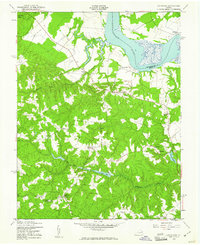 1949 Occupacia1961 Print · USGSCoastal Virginia near the Rappahannock River is captured here in the late 1940s, showing a traditional landscape of millponds and rural parishes. Researchers can locate historic landmarks such as Vauters Ch and Hunters Millpond alongside crossroads like Hustle.
 - 1957 Map of Washington, 1966 Print
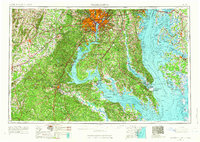 1957 Washington1966 Print · USGSThe mid-Atlantic region during the mid-fifties and early sixties reveals a landscape of growing suburbs and vital military outposts. Researchers can trace historic river towns and shorelines from Alexandria to the Hooper Islands and St Clements Island.5 unique versions available
 - 1961 Map of Washington
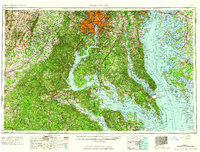 1961 Washington1961 Print · USGSThe mid-Atlantic region in the late fifties is presented in remarkable detail, from the Blue Ridge foothills to the Chesapeake Eastern Shore. Researchers can trace historic river landings and military sites like Mount Vernon, Fort Belvoir, and Point Lookout.2 unique versions available
 - 1968 Map of Loretto, 1972 Print
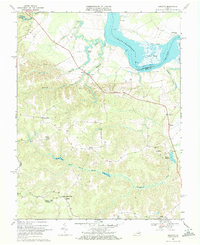 1968 Loretto1972 Print · USGSThe Rappahannock River and the rural crossroads of Essex County are captured here in the late sixties. Researchers can trace ancestral locations near Vauters Ch, locate the riverside landing at Saunders Wharf, or explore the reaches of Black Water Swamp.4 unique versions available
 - 1983 Map of Fredericksburg, 1984 Print
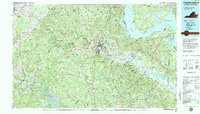 1983 Fredericksburg1984 Print · USGSThe Virginia and Maryland tidewater region comes into sharp focus during the early 1980s, centered on the historic Rappahannock and Potomac river valleys. Researchers can trace the boundaries of the Fredericksburg-Spotsylvania National Military Park alongside growing residential areas and military sites like Fort A.P. Hill Military Reservation.2 unique versions available
 - 1989 Map of Washington
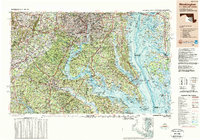 1989 Washington1989 Print · USGSThe Potomac River valley and Chesapeake Bay are shown in comprehensive detail during the late 1980s. Genealogists and historians can trace the transition from urban Alexandria to the rural Northern Neck, locating landmarks like Mount Vernon and Stratford Hall.
 - 2010 Map of Loretto, 2010 Print
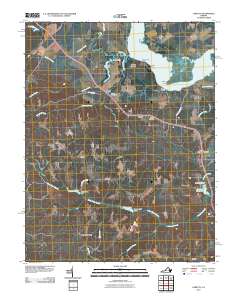 2010 Loretto2010 Print · USGSCoastal Essex County and the banks of the Rappahannock River are captured here in the early twenty-first century. Researchers can trace land use around historic river landings and rural crossroads like Hustle, Vauters Churchyard, and Saunders Wharf.
 - 2013 Map of Loretto, 2013 Print
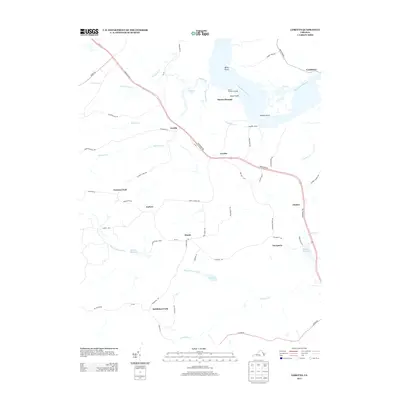 2013 Loretto2013 Print · USGSThe Rappahannock River waterfront and its surrounding farm country are captured here in the early twenty-first century. Researchers can trace land use through local landmarks like Saunders Wharf, Spindles Millpond, and the historic crossing at Bethlehem Fork.
 - 2016 Map of Loretto, 2016 Print
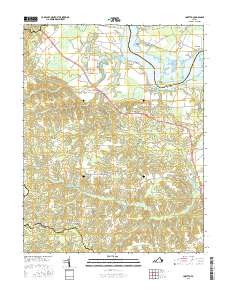 2016 Loretto2016 Print · USGSThe Virginia Tidewater comes alive in this study of Essex and Caroline counties during the mid-2010s. Researchers can trace historical crossroads like Hustle and Occupacia or find family landmarks such as Vauters Churchyard and Carmel Cem.
 - 2019 Map of Loretto, 2019 Print
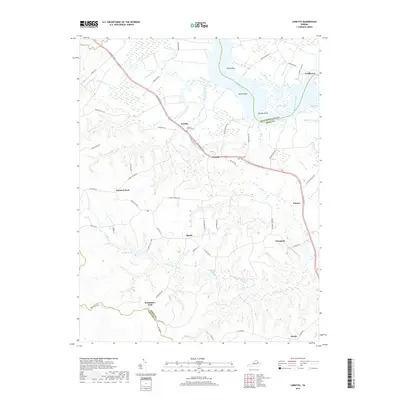 2019 Loretto2019 Print · USGSCoastal Virginia's riverfront and agricultural interior are documented here during the early twenty-first century. Genealogists and local historians can trace the roads connecting Iraville, Hustle, and Chance, or locate sites like Vauters Churchyard and Carmel Cem.
 - 2022 Map of Loretto, 2022 Print
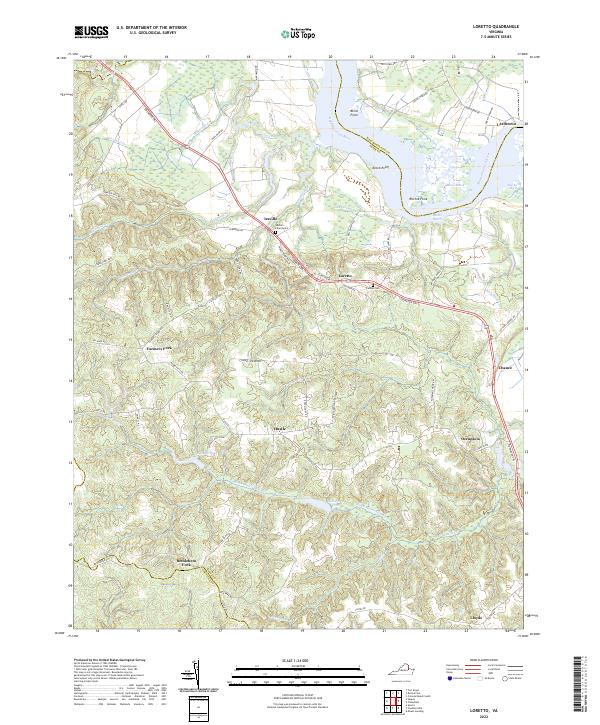 2022 Loretto2022 Print · USGSThe Rappahannock River defines this corner of the Northern Neck, where rural crossroads and marshlands meet. Researchers can trace land tracts and community history through Vauters Churchyard, the Carmel Cem, and established points like Leedstown and Bethlehem Fork.
End of results
Showing maps 1-16 of 16
Top cities near Chance
- King George historical maps
- Colonial Beach historical maps
- Tappahannock historical maps
- Warsaw historical maps
- Cobb Island historical maps
- Montross historical maps
See more
Frequently asked questions
- What are the different types of historical maps available for Chance?
- What is the oldest map of Chance?
- Where can I purchase historical maps of Chance for my home or office?
- Where can I download high-res historical maps of Chance?
- Are there historical topographic maps available for Chance?
- Is there historical aerial imagery available for Chance?
- Where are historical maps of Chance sourced from?