1900s (20th Century) Maps of Hatch, Washington
Explore 7 historic maps of Hatch from the 1900s (20th Century). These maps offer a rare glimpse into what life looked like during the 1900s — showing old roads, neighborhoods, homes, and landmarks that have changed or disappeared over time.
Whether you're researching your family's past, planning a metal detecting trip, or studying how Hatch's landscape evolved across the 1900s, these high-resolution maps are a powerful tool for exploring the history of this region.
- Focus on a specific era: All maps on this page are from the 1900s, giving you a focused view of this time period.
- See what’s changed: Compare century-old streets, trails, and buildings to today's modern landscape using overlays and satellite layers.
- Research with precision: Use these maps for genealogy, historical research, land use analysis, or educational projects.
- View, download, or print: Maps are fully viewable online in high resolution, and can be downloaded or printed for your own records.
Start exploring Hatch's history through authentic maps from the 1900s. This is your window into the past.
Hatch, WA maps
(7)- 1915 Map of Wallulah
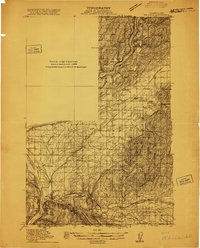 1915 Wallulah1915 Print · USGSThe convergence of the Snake and Columbia rivers in the mid-1910s reveals a landscape defined by steam power and irrigation. Genealogists and rail historians can trace early settlements like Attalia and Two Rivers alongside the path of the Oregon-Washington RR & Nav Co.
 - 1918 Map of Wallula, 1942 Print
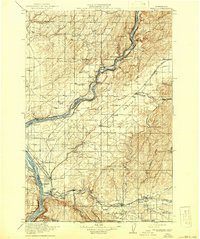 1918 Wallula1942 Print · USGSThe river-and-rail hubs of the Walla Walla Valley are captured here as they appeared between the world wars. Researchers can trace the path of the Wallula Ferry, locate early country schools like Frog Hallow School, and follow the complex rail lines through Eureka.2 unique versions available
 - 1953 Map of Walla Walla, 1964 Print
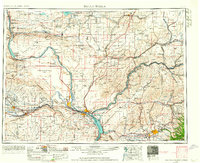 1953 Walla Walla1964 Print · USGSSoutheast Washington enters the atomic and hydroelectric age in the mid-twentieth century as new dams reshape the desert landscape. You can trace the development of the Hanford Works, identify remote rail stops like Novara Siding, and locate the historic Dry Creek Cem.3 unique versions available
 - 1958 Map of Walla Walla
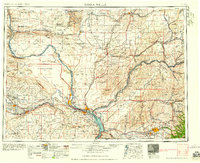 1958 Walla Walla1958 Print · USGSThe Tri-Cities and Walla Walla region are captured here during the mid-century expansion of atomic energy and river infrastructure. Genealogists and historians can trace the early layout of Richland (AEC), the rural Hatton and Washtucna settlements, and landmarks like Palouse Falls State Park.
 - 1966 Map of Page, 1967 Print
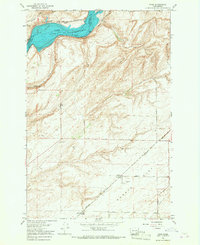 1966 Page1967 Print · USGSIn the mid-1960s, this portion of Walla Walla County shows the vital rail-and-river network of the Columbia Basin. Researchers can trace the legacy of grain transport through Grain Elevators at Hatch and small settlements like Adkins and Votaw.
 - 1980 Map of Walla Walla
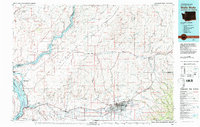 1980 Walla Walla1980 Print · USGSThe Walla Walla Valley in the early eighties shows a landscape of deep-rooted agriculture and massive hydroelectric development. Researchers can trace the rail junctions at Wallula Junction, visit the historic Fort Walla Walla, or locate old landmarks like the Mountain View Cem.2 unique versions available
 - 1991 Map of Page, 1992 Print
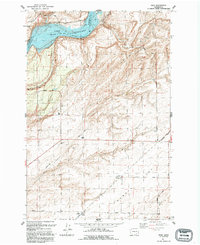 1991 Page1992 Print · USGSWalla Walla County agriculture and the Snake River corridor meet in this early 1990s survey of the Washington interior. Genealogists and local historians can trace the Old RR Grade and find rural infrastructure like Grain Elevators at Hatch and Adkins.
End of results
Showing maps 1-7 of 7
Frequently asked questions
- What are the different types of historical maps available for Hatch?
- What is the oldest map of Hatch?
- Where can I purchase historical maps of Hatch for my home or office?
- Where can I download high-res historical maps of Hatch?
- Are there historical topographic maps available for Hatch?
- Is there historical aerial imagery available for Hatch?
- Where are historical maps of Hatch sourced from?