Old Maps of Brownsburg, West Virginia
Explore 17 old maps of Brownsburg, spanning from 1891 to today. These high-resolution historic maps reveal how streets, neighborhoods, landmarks, and natural features evolved over time — perfect for genealogy, metal detecting, research, and local history exploration.
What you can do with these maps:
- See how Brownsburg changed over time: Compare historical maps to modern-day views to trace roads, homesites, rail lines & more.
- View detailed metadata: Each map includes creators, publishers, year, scale, and archive source.
- Overlay maps with satellite & LiDAR: Visualize the past alongside modern tools to explore terrain & human change.
- Trusted historical sources: Maps sourced from the USGS, Library of Congress, and other archives.
- Access maps your way: View online, download high-res files, or order prints for personal or research use.
Start exploring old maps of Brownsburg to uncover forgotten places, hidden landmarks, and the deep history beneath your feet.
Brownsburg, WV maps
(17)- 1891 Map of Huntersville
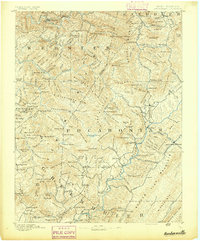 1891 Huntersville1891 Print · USGSPocahontas County in the 1890s is a land of steep ridges and early river settlements before the arrival of modern highways. Researchers can trace ancestral locations along the Greenbrier River, identifying early sites like Hillsboro Academy P.O. and Marlinton.
 - 1894 Map of Huntersville
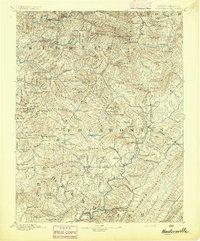 1894 Huntersville1894 Print · USGSPocahontas and Webster counties are captured in the late nineteenth century as a network of mountain settlements and river headwaters. Researchers can trace old mountain homesteads and community sites like Hillsboro Academy, Hunter Place, and Aylmer.5 unique versions available
 - 1923 Map of Mingo
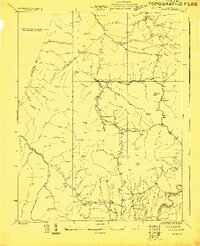 1923 Mingo1923 Print · USGSThe West Virginia highlands are shown in detail during the early twenties, highlighting the region's timber-driven economy and remote mountain enclaves. Genealogists can locate family-named schools and churches like Hannah School, Marys Chapel, and West Union Church along the winding Lumber RR.2 unique versions available
 - 1925 Map of Mingo
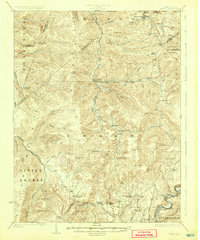 1925 Mingo1925 Print · USGSPocahontas County at the headwaters of the Greenbrier is seen here in the mid-twenties, a landscape of high ridges and isolated mountain valleys. Researchers can locate dozens of early rural schools like Yewglade School and churches such as Marys Chapel or Poage Chapel.4 unique versions available
 - 1954 Map of Charleston
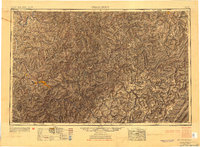 1954 Charleston1954 Print · USGSWest Virginia’s industrial heart and mountain highlands are captured here during the mid-fifties, centered on the capital city. Researchers can trace historic river-and-rail corridors along the Kanawha River and locate remote peaks within the Monongahela National Forest.
 - 1957 Map of Charleston, 1966 Print
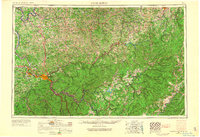 1957 Charleston1966 Print · USGSMid-century West Virginia unfolds along the industrial Kanawha River valley and into the high Allegheny Mountains. Genealogists and historians can trace the vital rail lines of the Chesapeake and Ohio and locate riverside settlements from Saint Albans to Buckhannon.3 unique versions available
 - 1958 Map of Charleston
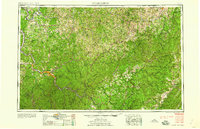 1958 Charleston1958 Print · USGSMid-century West Virginia is defined here by the industrial corridor of the Kanawha River and the high ridges of the Allegheny Mountains. Researchers can trace the rail networks of the New York Central or locate remote highland communities like Pickens and Hillsboro.
 - 1961 Map of Charleston
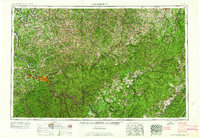 1961 Charleston1961 Print · USGSWest Virginia's capital region and the highlands to the east are shown in detail during the early sixties. Genealogists and historians can trace rail networks like the Baltimore and Ohio RR and find early state parks such as Watoga State Park.
 - 1974 Map of Edray, 1989 Print
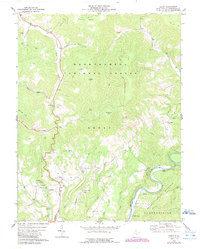 1974 Edray1989 Print · USGSPocahontas County is shown in the mid-1970s as a landscape of deep national forest and quiet valley settlements. Genealogists and local historians can locate several family-named landmarks and rural churches, including Gibson Cem, Woods-Poage Chapel, and the community of Onoto.
 - 1977 Map of Edray, 1978 Print
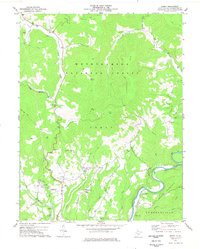 1977 Edray1978 Print · USGSPocahontas County's steep ridges and river valleys are captured here in the mid-seventies, showing the intersection of mountain wilderness and small-town settlement. Genealogists can locate family landmarks like Gibson Cem and Marys Chapel, or trace the rail route of the Chesapeake and Ohio.
 - 1979 Map of Marlinton, 1982 Print
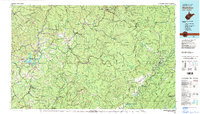 1979 Marlinton1982 Print · USGSThe West Virginia highlands are shown in detail during the late seventies, featuring the dense rail networks and mountain towns of the Allegheny range. Researchers can trace family roots through sites like Buckeye Cem, Mount Nebo Ch, and the lumber and coal hubs of Richwood and Rainelle.
 - 1995 Map of Edray, 1998 Print
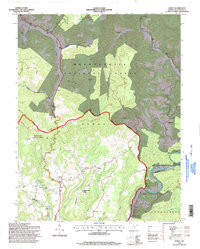 1995 Edray1998 Print · USGSPocahontas County is shown during the mid-1990s, revealing a landscape of forested ridges and river valleys east of the Greenbrier River. Researchers can locate historic rural centers like Edray and Brownsburg or trace family sites such as Gibson Cem and Woods-Poage Chapel.
 - 2011 Map of Edray, 2011 Print
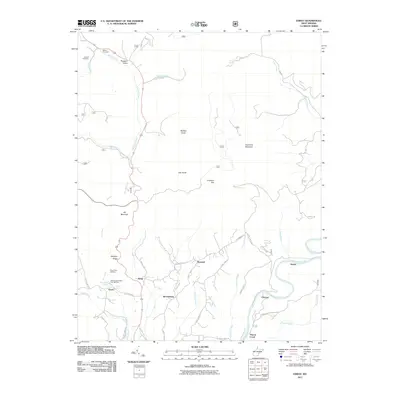 2011 Edray2011 Print · USGSPocahontas County highlands and the Greenbrier River valley are revealed in detail during the early 2010s. Local history researchers can trace family names at Hannah Cemetery or locate the Edray Trout Hatchery and settlements like Warwick and Brownsburg.
 - 2014 Map of Edray, 2014 Print
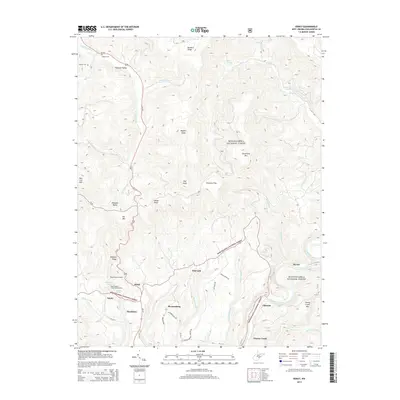 2014 Edray2014 Print · USGSPocahontas County in the mid-2010s shows a landscape where mountain ridges and deep river valleys dictate the pace of life. Genealogists and hikers can trace the geography of Marlinton, the winding Greenbrier River, and local landmarks like Gibson Cem or the Edray Trout Hatchery.
 - 2016 Map of Edray, 2016 Print
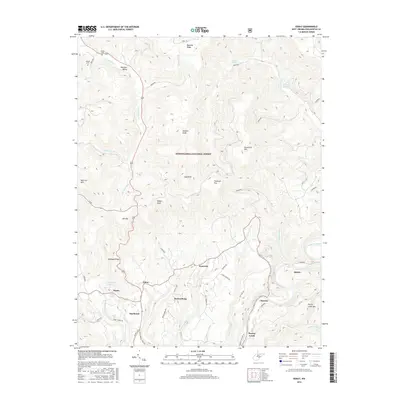 2016 Edray2016 Print · USGSPocahontas County in 2016 reveals a landscape of high ridges and narrow valleys centered on Marlinton and the Greenbrier River. Researchers can trace family history at the Hannah Cem or locate old settlements like Edray and Clawson.
 - 2019 Map of Edray, 2019 Print
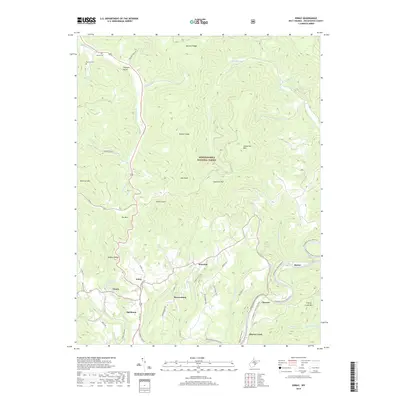 2019 Edray2019 Print · USGSPocahontas County is shown in this contemporary study as the river-and-rail economy transitioned toward recreation. Genealogists and hikers can trace the Greenbrier River Rail-Trail past small settlements like Clawson, Warwick, and the Hannah Cem cemetery.
 - 2023 Map of Edray, 2023 Print
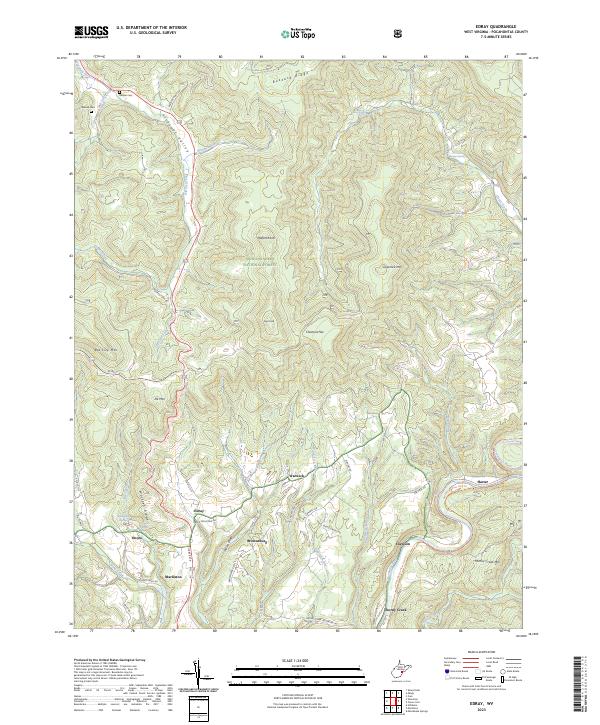 2023 Edray2023 Print · USGSPocahontas County's highland valleys and river corridors are meticulously detailed in this recent survey. Local historians can trace the paths between Marlinton and Edray or locate family sites like Hannah Cem and the settlement of Brownsburg.
End of results
Showing maps 1-17 of 17
Top cities near Brownsburg
Frequently asked questions
- What are the different types of historical maps available for Brownsburg?
- What is the oldest map of Brownsburg?
- Where can I purchase historical maps of Brownsburg for my home or office?
- Where can I download high-res historical maps of Brownsburg?
- Are there historical topographic maps available for Brownsburg?
- Is there historical aerial imagery available for Brownsburg?
- Where are historical maps of Brownsburg sourced from?