1900s (20th Century) Maps of Upshur County, West Virginia
Explore 41 historic maps of Upshur County from the 1900s (20th Century). These maps offer a rare glimpse into what life looked like during the 1900s — showing old roads, neighborhoods, homes, and landmarks that have changed or disappeared over time.
Whether you're researching your family's past, planning a metal detecting trip, or studying how Upshur County's landscape evolved across the 1900s, these high-resolution maps are a powerful tool for exploring the history of this region.
- Focus on a specific era: All maps on this page are from the 1900s, giving you a focused view of this time period.
- See what’s changed: Compare century-old streets, trails, and buildings to today's modern landscape using overlays and satellite layers.
- Research with precision: Use these maps for genealogy, historical research, land use analysis, or educational projects.
- View, download, or print: Maps are fully viewable online in high resolution, and can be downloaded or printed for your own records.
Start exploring Upshur County's history through authentic maps from the 1900s. This is your window into the past.
Upshur County, WV maps
(41)- 1904 Map of Philippi
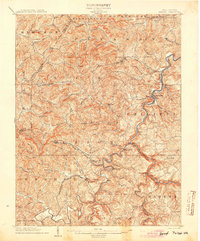 1904 Philippi1904 Print · USGSBarbour and Upshur counties are shown during a period of coal-driven growth and rural stability just after the turn of the century. Trace the early industrial footprints of Berryburg and Century, or locate family landmarks like Peter's Mill and the Burnersville Volga P.O..2 unique versions available
 - 1904 Map of Weston
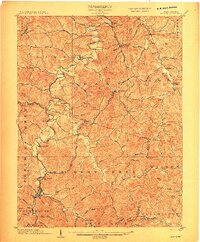 1904 Weston1904 Print · USGSWest Virginia's Lewis and Harrison counties at the start of the century show a region shaped by coal and steam. Genealogists and historians can trace family roots through early settlements like Jane Lew, identify operations at Lynch Mines, and locate the Dovener P.O. Dean.2 unique versions available
 - 1912 Map of Sago
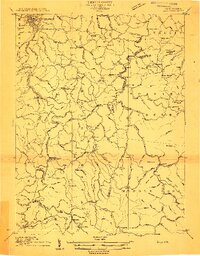 1912 Sago1912 Print · USGSThe Buckhannon River valley was a bustling corridor for the Baltimore and Ohio Railroad in the early twentieth century. Genealogists can trace family names and remote post offices at Beans Mill Indian Camp PO, Sago, and Kingsville PO.4 unique versions available
 - 1912 Map of Crawford
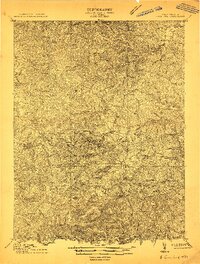 1912 Crawford1912 Print · USGSUpshur County’s rugged interior is captured here in the early twentieth century, showing a landscape shaped by narrow river valleys and high ridges. Genealogists can trace a remarkable network of country schoolhouses like Jewel School and early post offices at Rock Cave PO and Frenchton.2 unique versions available
 - 1913 Map of Hacker Valley
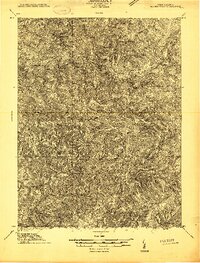 1913 Hacker Valley1913 Print · USGSWest Virginia's high-country settlements come to life in this early twentieth-century survey of the rugged Elk River headwaters. Researchers can trace the original locations of rural landmarks like Buckwheat Church, Windy Gap School, and the remote Salt Lick Settlement.2 unique versions available
 - 1913 Map of Pickens
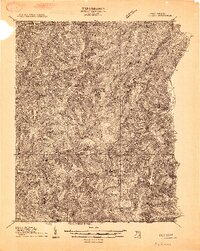 1913 Pickens1913 Print · USGSRandolph and Webster counties are shown here just before the Great War, during a peak era for mountain logging and rail expansion. Researchers can trace the routes of the Pickens and Hacker Valley RR and find local landmarks like Palace Valley, Lewis School, and Big Laurel Thicket.4 unique versions available
 - 1914 Map of Sago
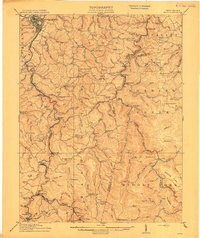 1914 Sago1914 Print · USGSUpshur and Randolph counties thrive as centers of the timber and rail trade during the early twentieth century. Genealogists can trace family names through dozens of rural landmarks like Beans Mill Indian Camp, Tallmansville, and the Hanging Run School.4 unique versions available
 - 1914 Map of Crawford
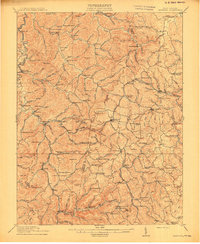 1914 Crawford1914 Print · USGSUpshur and Lewis Counties are shown here just before the First World War, when remote mountain hollows were filled with small schoolhouses and family farms. Trace early rail travel at Roanville Sta or locate family roots near Alkires Mills and the Handkerchief Union School.3 unique versions available
 - 1915 Map of Hacker Valley
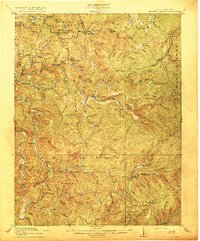 1915 Hacker Valley1915 Print · USGSThe high ridges of Webster and Lewis counties are captured here in the years before the Great War, showing a landscape of isolated mountain settlements and rail-driven timber hubs. Genealogists can trace family footprints at Salisbury Sta Removal PO, Cleveland, and nearly a dozen rural schoolhouses like Snuffville School.4 unique versions available
 - 1915 Map of Pickens
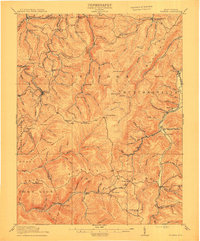 1915 Pickens1915 Print · USGSWest Virginia's highland timber country comes into focus during the early twentieth century as logging railroads began to penetrate the deep hollows. Trace the history of mountain settlements and schools like Helvetia, Pickens, and the Haslebacher School amidst the ridges of Beech Mountain.4 unique versions available
 - 1925 Map of Philippi, 1954 Print
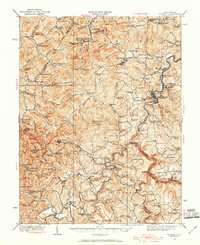 1925 Philippi1954 Print · USGSIn the mid-1920s, the Tygart River valley was a busy corridor of coal settlements and river commerce. Genealogists can locate family homesteads near vanished landmarks like Brownton PO, Pigtail School, and the Electric Line near Galloway.
 - 1926 Map of Weston
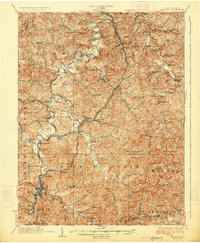 1926 Weston1926 Print · USGSWeston and the West Fork River valley are captured in the mid-twenties as the rail-and-river economy flourished. Genealogists and researchers can trace family-named sites like Jackson Mill, Romines Mills, and the Broad Run Church.4 unique versions available
 - 1928 Map of Philippi
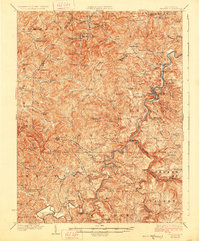 1928 Philippi1928 Print · USGSBarbour County is shown here in the mid-twenties as the Baltimore and Ohio railroad connected river towns and coal camps. Researchers can trace ancestral roots through dozens of local landmarks like Adaland, Rangoon PO, and the Pleasant Grove Church.2 unique versions available
 - 1949 Map of Clarksburg
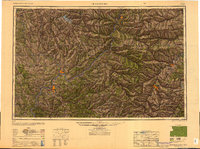 1949 Clarksburg1949 Print · USGSThe upper Ohio River valley and the industrial heart of West Virginia come into focus during this post-war period. Genealogists and researchers can trace the rail corridors of the Baltimore and Ohio and locate centers like Fairmont, Grafton, and Waynesburg.
 - 1954 Map of Charleston
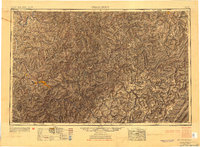 1954 Charleston1954 Print · USGSWest Virginia’s industrial heart and mountain highlands are captured here during the mid-fifties, centered on the capital city. Researchers can trace historic river-and-rail corridors along the Kanawha River and locate remote peaks within the Monongahela National Forest.
 - 1956 Map of Clarksburg, 1966 Print
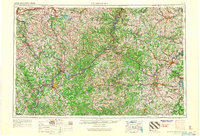 1956 Clarksburg1966 Print · USGSThe Ohio River valley and the industrial heart of West Virginia are seen here in the mid-1950s as rail and river commerce thrived. Researchers can trace historic transport lines like the Baltimore and Ohio RR and locate ancestral homes in Clarksburg, Moundsville, or Parkersburg.2 unique versions available
 - 1957 Map of Charleston, 1966 Print
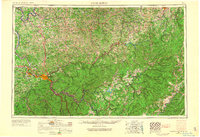 1957 Charleston1966 Print · USGSMid-century West Virginia unfolds along the industrial Kanawha River valley and into the high Allegheny Mountains. Genealogists and historians can trace the vital rail lines of the Chesapeake and Ohio and locate riverside settlements from Saint Albans to Buckhannon.3 unique versions available
 - 1958 Map of Charleston
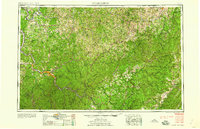 1958 Charleston1958 Print · USGSMid-century West Virginia is defined here by the industrial corridor of the Kanawha River and the high ridges of the Allegheny Mountains. Researchers can trace the rail networks of the New York Central or locate remote highland communities like Pickens and Hillsboro.
 - 1960 Map of Century, 1961 Print
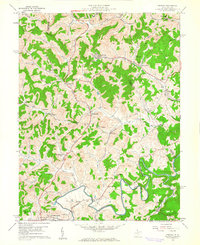 1960 Century1961 Print · USGSBarbour and Upshur counties are shown here at the height of the mid-century coal era. Genealogists can locate family sites like the Rohrbough Cem, rural schoolhouses such as Kesling Sch, and coal company towns like Century No 2.3 unique versions available
 - 1960 Map of Audra, 1962 Print
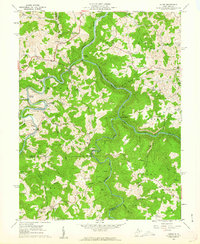 1960 Audra1962 Print · USGSBarbour and Upshur Counties are shown here during the early sixties, a period when mountain rail and river life still defined the region. Genealogists can trace family names through landmarks like Jerusalem Cem, Booth Cem, and the old Mt Hebron Sch.3 unique versions available
 - 1961 Map of Clarksburg
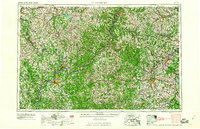 1961 Clarksburg1961 Print · USGSThe mid-century industrial and river landscapes of West Virginia and Ohio are detailed here, centered on the Ohio River. Researchers can trace the Baltimore and Ohio rail lines connecting towns like Parkersburg, Clarksburg, and Monongah.
 - 1961 Map of Charleston
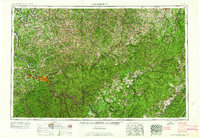 1961 Charleston1961 Print · USGSWest Virginia's capital region and the highlands to the east are shown in detail during the early sixties. Genealogists and historians can trace rail networks like the Baltimore and Ohio RR and find early state parks such as Watoga State Park.
 - 1961 Map of Berlin, 1962 Print
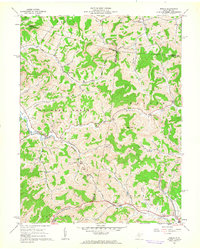 1961 Berlin1962 Print · USGSWest Virginia's Lewis County uplands come alive in this early 1960s survey, showing the deep-cut valleys and ridgeline settlements of the era. Genealogists and historians can trace family locations near Berlin, the Reger Cem, and rural centers like the Buckhannon Run Ch.2 unique versions available
 - 1966 Map of Adrian, 1967 Print
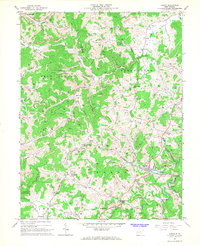 1966 Adrian1967 Print · USGSIn the mid-1960s, this area of Upshur and Lewis counties centered on the Baltimore and Ohio rail line and the gas-producing hills of Skin Creek. Genealogists and historians can trace numerous family-named landmarks, from Collins Settlement and McCue Town to country churches like Reger Chapel.2 unique versions available
 - 1966 Map of Rock Cave, 1967 Print
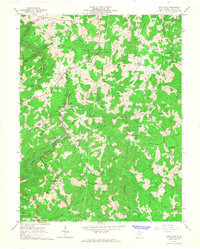 1966 Rock Cave1967 Print · USGSUpshur County in the mid-1960s reveals a landscape of high ridges and river valleys before modern development. Genealogists can trace family names through sites like Kanawha Run Cem, Arlington, and Center Chapel.
Showing maps 1-25 of 41
Top cities of Upshur County
Frequently asked questions
- What are the different types of historical maps available for Upshur County?
- What is the oldest map of Upshur County?
- Where can I purchase historical maps of Upshur County for my home or office?
- Where can I download high-res historical maps of Upshur County?
- Are there historical topographic maps available for Upshur County?
- Is there historical aerial imagery available for Upshur County?
- Where are historical maps of Upshur County sourced from?