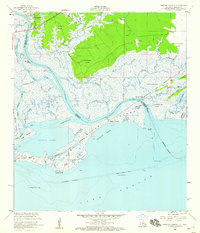
1956 Map of English Lookout
USGS Topo · Published 1960About this map
The low-lying estuarine marshes where the Pearl River meets the Mississippi Sound are defined here by a complex network of bayous and historical land claims. Several large tracts, including the John B Doby Claim and L Boisdore Claim, mark the early colonial-era property patterns that persisted into the mid-20th century. At the heart of the marsh, the Louisville and Nashville rail line cuts a straight path across the wetlands, serving as the primary transport corridor through this watery landscape. Near the border of Louisiana and Mississippi, settlements such as Pearlington and English Lookout are oriented toward the river and rail, while an Old Railroad Grade to the south indicates the shifting infrastructure of the coastal marsh. The map details a transition from the wooded uplands north of Mulatto Bayou to the expansive Grand Plains and the open waters of Little Lake.
Find a feature on this map
69 named features on this map. Tap any name to fly to it.
Don’t see what you’re looking for? This feature index may not catch every label — zoom into the map to look around manually.
Map Details
Editions of this 1956 English Lookout Map
2 editions found
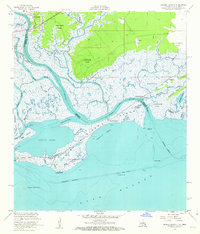
Other maps of this area
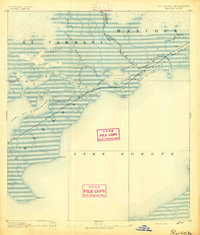
1893 · Rigolets
USGS Topo · 1:62,500
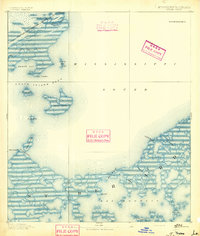
1893 · Toulme
USGS Topo · 1:62,500
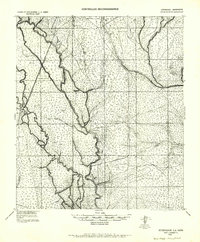
1914 · Nicholson
USGS Topo · 1:62,500
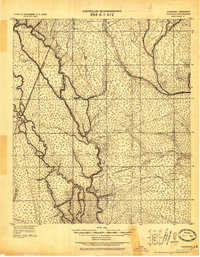
1921 · Nicholson
USGS Topo · 1:62,500
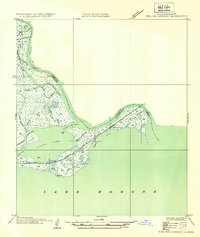
1935 · English Lookout
USGS Topo · 1:31,680
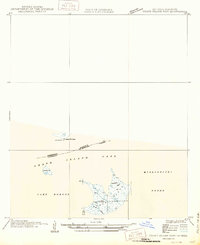
1935 · Grand Island Pass
USGS Topo · 1:31,680
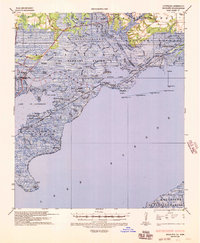
1936 · Rigolets
USGS Topo · 1:62,500
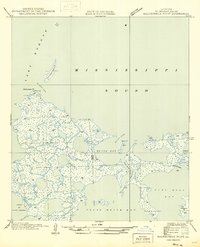
1946 · Malheureux Point
USGS Topo · 1:31,680
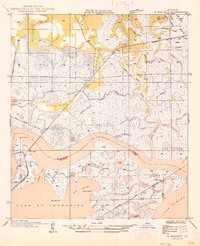
1946 · Rigolets
USGS Topo · 1:31,680
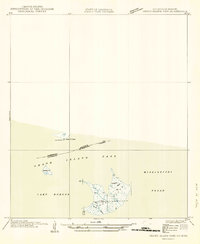
1949 · Grand Island Pass
USGS Topo · 1:31,680