Old Maps of Coolreagh or Cloghanhill, County Offaly for Genealogy
Trace your family roots with 2 historic maps of Coolreagh or Cloghanhill. These high-res maps reveal old neighborhoods, homesites, landmarks, and streets — helping you uncover where your ancestors lived and how the area evolved over time.
- Explore historic neighborhoods: Identify where your relatives may have lived in the 1800s or 1900s.
- Compare maps over time: Trace the changes in streets, buildings, and landmarks for multi-generational research.
- Perfect for genealogy & ancestry research: Used by family historians and researchers to map out lineage and migration.
These maps are an incredible resource for exploring your personal connection to Coolreagh or Cloghanhill's past.
Coolreagh or Cloghanhill, County Offaly maps
(2)- 1838 Map of Kings County - Sheet 22, 1840 Print
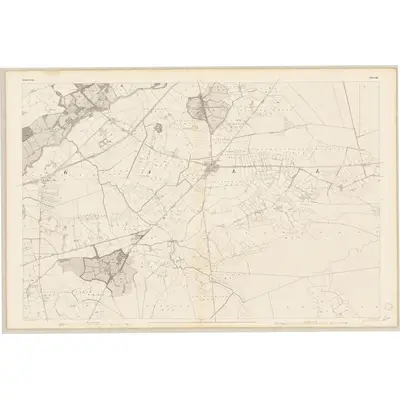 1838 Kings County - Sheet 221840 Print · Ordnance SurveyCovers Coolreagh or Cloghanhill, including Cloghan, Griffith Bridge, and other nearby areas2 unique versions available
 - 1909 Map of Kings County - Sheet 22, 1912 Print
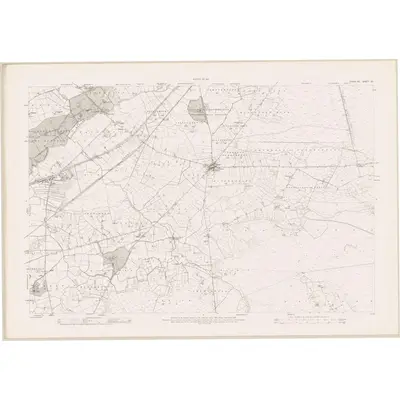 1909 Kings County - Sheet 221912 Print · Ordnance SurveyCovers Coolreagh or Cloghanhill, including Cloghan, Griffith Bridge, and other nearby areas
End of results
Showing maps 1-2 of 2
Frequently asked questions
- What are the different types of historical maps available for Coolreagh or Cloghanhill?
- What is the oldest map of Coolreagh or Cloghanhill?
- Where can I purchase historical maps of Coolreagh or Cloghanhill for my home or office?
- Where can I download high-res historical maps of Coolreagh or Cloghanhill?
- Are there historical topographic maps available for Coolreagh or Cloghanhill?
- Is there historical aerial imagery available for Coolreagh or Cloghanhill?
- Where are historical maps of Coolreagh or Cloghanhill sourced from?