1940s Maps of Comerío
Explore 12 historic maps of Comerío from the 1940s. These maps offer a rare glimpse into what life looked like during the 1940s — showing old roads, neighborhoods, homes, and landmarks that have changed or disappeared over time.
Whether you're researching your family's past, planning a metal detecting trip, or studying how Comerío's landscape evolved across the 1940s, these high-resolution maps are a powerful tool for exploring the history of this region.
- Focus on a specific era: All maps on this page are from the 1940s, giving you a focused view of this time period.
- See what’s changed: Compare century-old streets, trails, and buildings to today's modern landscape using overlays and satellite layers.
- Research with precision: Use these maps for genealogy, historical research, land use analysis, or educational projects.
- View, download, or print: Maps are fully viewable online in high resolution, and can be downloaded or printed for your own records.
Start exploring Comerío's history through authentic maps from the 1940s. This is your window into the past.
Comerío maps
(12)- 1946 Map of Corozal
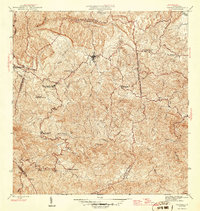 1946 Corozal1946 Print · USGSCorozal and the central highlands of Puerto Rico are captured here in the mid-forties, showing a landscape of steep ridges and deep river valleys. Genealogists and local historians can trace the foundations of local education and faith at sites like Escuela Segunda Unidad de Palmarejo and Iglesia La Milagrosa.3 unique versions available
 - 1946 Map of Barranquitas
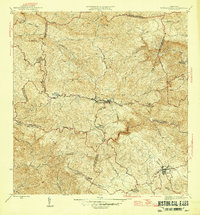 1946 Barranquitas1946 Print · USGSCentral Puerto Rico during the mid-1940s reveals a landscape of high-elevation settlements and mountain agriculture. Trace rural family roots at Hacienda Córcega or through numerous local schools like Escuela Segunda Unidad de Botijas No 2.3 unique versions available
 - 1946 Map of Comerio
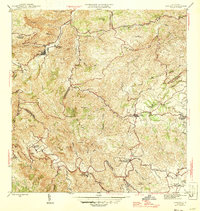 1946 Comerio1946 Print · USGSThe Puerto Rican interior in the mid-forties shows a landscape of steep coffee-country peaks and river-valley towns. Genealogists can trace family footprints at Cidra, Centro Comunal Nogueras, and the Escuela Segunda Unidad de Toita.3 unique versions available
 - 1946 Map of Naranjito
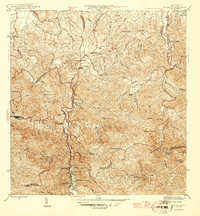 1946 Naranjito1946 Print · USGSNaranjito and the surrounding mountains of central Puerto Rico appear in the mid-1940s as a landscape of agricultural colonias and emerging utilities. Researchers can locate numerous rural chapels like the Iglesia Guadiana and trace the path of the Acueducto de San Juan through the hills.3 unique versions available
 - 1947 Map of Naranjito SO
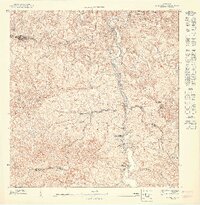 1947 Naranjito SO1947 Print · USGSNaranjito and the central highlands of Puerto Rico appear here in the 1940s, revealing a landscape shaped by the Rio de la Plata. Genealogists and local historians can trace parish sites like Iglesia Parroquial Corazon de Jesus and industrial sites like the Represa de Comerio.
 - 1947 Map of Naranjito SE
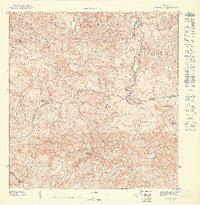 1947 Naranjito SE1947 Print · USGSThe rural interior of Puerto Rico comes into focus during the late 1940s, showing a landscape defined by sharp ridges and winding river valleys. Genealogists and researchers can trace local congregations and infrastructure including the Iglesia Juan Ascencio and the Acueducto de San Juan.
 - 1947 Map of Corozal SE
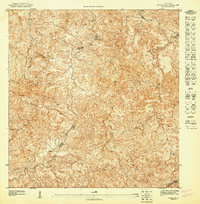 1947 Corozal SE1947 Print · USGSThe interior highlands of Puerto Rico are rendered in exceptional detail in this mid-century preliminary survey. Researchers can trace municipal boundaries through the Montañas de Corozal and follow the headwaters of the Río Grande de Manatí and Rio de los Negros.
 - 1947 Map of Barranquitas NE
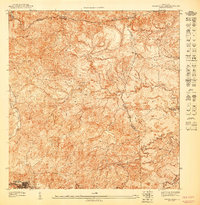 1947 Barranquitas NE1947 Print · USGSThe mountain interior of Puerto Rico in the late 1940s reveals a landscape of steep ridges and municipal crossroads. You can trace the rural school system at Escuela Segunda Unidad de Río Hondo and follow the headwaters of the Río Grande de Manatí.
 - 1947 Map of Barranquitas SE
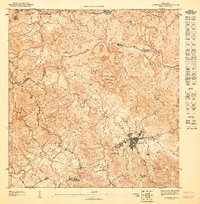 1947 Barranquitas SE1947 Print · USGSThe highlands of central Puerto Rico are captured here in the late 1940s, centered on the growing town of Aibonito. Researchers can trace old mountain roads and rural school sites like Escuela Segunda Unidad del Asomante or landmarks such as Piedra de Degetau.
 - 1947 Map of Comerio SO
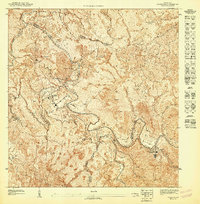 1947 Comerio SO1947 Print · USGSThe central mountains of Puerto Rico are detailed during the late 1940s, showing the early infrastructure of the island's interior. Genealogists and historians can trace local development near Proyecto La Plata and the Escuela Segunda Unidad de Toita.
 - 1947 Map of Comerio NO, 1948 Print
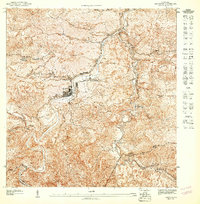 1947 Comerio NO1948 Print · USGSThe mountain interior of Puerto Rico in the late forties reveals a community built along the sharp bends of the Rio de la Plata. Genealogists and historians can trace local homesteads and schools like the Escuela Superior de Comerio and Escuela Segunda Unidad de Palomas.
 - 1947 Map of Comerio NE, 1948 Print
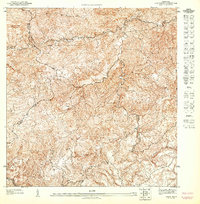 1947 Comerio NE1948 Print · USGSThe Puerto Rican interior highlands come into focus in the mid-1940s, showing a landscape defined by ridge-top trails and mountain agriculture. Local historians can trace the steep drainage of the Río La Plata and find early dwellings near Cerro Santa Bárbara and Quebrada Ceiba.
End of results
Showing maps 1-12 of 12
Frequently asked questions
- What are the different types of historical maps available for Comerío?
- What is the oldest map of Comerío?
- Where can I purchase historical maps of Comerío for my home or office?
- Where can I download high-res historical maps of Comerío?
- Are there historical topographic maps available for Comerío?
- Is there historical aerial imagery available for Comerío?
- Where are historical maps of Comerío sourced from?