Old Maps of Humacao for Academic Research
Study the evolution of Humacao with 41 high-resolution historic maps. Whether you're teaching, researching, or modeling changes in land use, these maps provide essential visual documentation of urban, environmental, and geographic change.
- Analyze long-term change: Track patterns in development, transportation, and natural features.
- Ideal for environmental or urban studies: Support academic projects with primary historical map data.
- Use in the classroom or lab: Educators and researchers rely on these maps to bring historical context to life.
These maps are a powerful tool for teaching, research, and visualizing how Humacao has changed over the decades.
Humacao maps
(41)- 1946 Map of Humacao
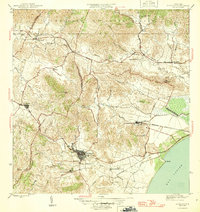 1946 Humacao1946 Print · USGSCoastal Puerto Rico in the mid-forties was a landscape defined by the sugar industry and its specialized rail networks. Genealogists and historians can trace the worker colonias and railroads like the Ferrocarril de Pasto Viejo and Central Ejemplo.4 unique versions available
 - 1946 Map of Punta Guayanes
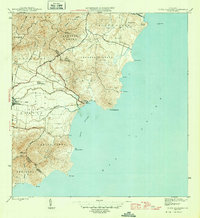 1946 Punta Guayanes1946 Print · USGSThe coastal sugar and rail landscape of eastern Puerto Rico is captured here in the mid-1940s. Genealogists and historians can trace the industrial footprint of Central Roig and find old settlements like Colonia Monserrate and Playa de Guayanes.3 unique versions available
 - 1946 Map of Juncos
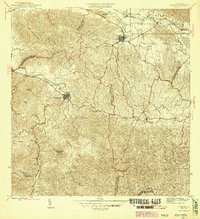 1946 Juncos1946 Print · USGSEastern Puerto Rico’s agricultural heartland is documented here in the mid-1940s, centered on the growing municipalities of Juncos and San Lorenzo. Genealogists and researchers can trace local family lands near the Escuela Segunda Unidad de Quebrada Honda and the fields of Eastern Sugar Associates.3 unique versions available
 - 1946 Map of Yabucoa
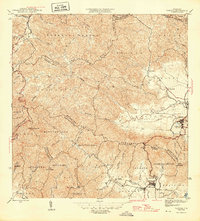 1946 Yabucoa1946 Print · USGSSoutheastern Puerto Rico during the mid-forties reveals a landscape defined by its sugar industry and coastal mountains. Genealogists and historians can trace the social geography of the era through the locations of Central Roig, Colonia Laura, and the heights of Cerro La Pandura.3 unique versions available
 - 1946 Map of Naguabo
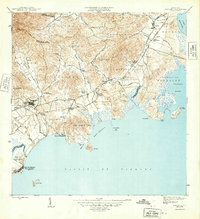 1946 Naguabo1946 Print · USGSEastern Puerto Rico in the mid-forties reveals a landscape shaped by sugar plantation rail lines and coastal navigation. Genealogists can trace family connections to industrial sites like Colonia San Cristóbal or the coastal village of Shanghai.4 unique versions available
 - 1947 Map of Humacao SO
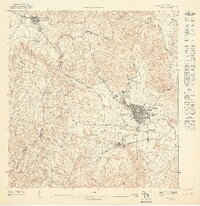 1947 Humacao SO1947 Print · USGSSoutheast Puerto Rico in the late 1940s reveals a landscape driven by sugar and steam. Genealogists and historians can trace the rail lines of the Ferrocarriles and locate early residential areas like Colonia Electra, Patagonia, and Collores.
 - 1947 Map of Punta Guayanes NE
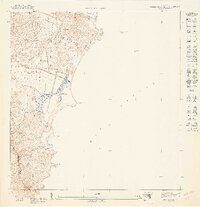 1947 Punta Guayanes NE1947 Print · USGSCoastal Humacao and the Yabucoa border are captured here just after the war, showing a landscape of coastal marshes and isolated estates. Trace early property footprints in Buena Vista or study the shoreline near Pta Candelero and Morro de Humacao.
 - 1947 Map of Punta Guayanes NO
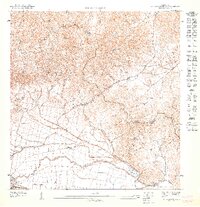 1947 Punta Guayanes NO1947 Print · USGSCoastal Yabucoa and the surrounding valleys are captured here in the late Forties, showing a landscape defined by the sugar industry. Researchers can trace the narrow-gauge Central Roig railroad and locate old settlements like Colonia Monserrate.
 - 1947 Map of Humacao SE
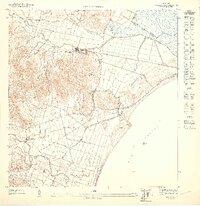 1947 Humacao SE1947 Print · USGSSoutheastern Puerto Rico appears here during the mid-forties, showing a landscape shaped by coastal sugar production and rail transport. Genealogists and researchers can trace the locations of family-named agricultural sites like Colonia Mayo, Colonia Santa Teresa, and the rail junction at Pueblito de los Perros.
 - 1947 Map of Humacao NE
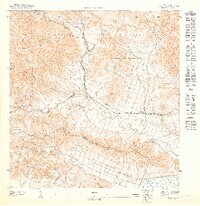 1947 Humacao NE1947 Print · USGSEastern Puerto Rico in the late 1940s reveals a landscape of hydroelectric power and sugarcane colonies. Trace the industrial footprint of the Planta Hidroelectrica de Rio Blanco and the rail lines of Ferrocarriles del Este.
 - 1947 Map of Juncos SE
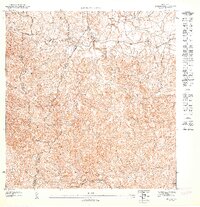 1947 Juncos SE1947 Print · USGSThe interior of Las Piedras in the late 1940s reveals a network of mountain trails and municipal boundaries centered on Cerro Vistazo. Genealogists and historians can trace the headwaters of the Río Valenciano and Río Humacao through several municipal jurisdictions.
 - 1947 Map of Yabucoa NE
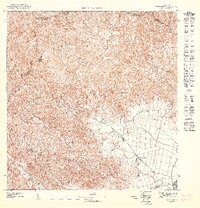 1947 Yabucoa NE1947 Print · USGSSoutheastern Puerto Rico's sugar country and mountain barrios are documented in detail during the late 1940s. Genealogists and historians can trace local family life near the Escuela Calabaza Arriba or industrial roots at Central Roig.
 - 1947 Map of Humacao NO
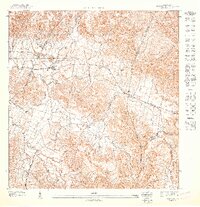 1947 Humacao NO1947 Print · USGSEastern Puerto Rico in the late 1940s reveals a landscape defined by the sugar industry and the mountains of the Caribbean National Forest. Genealogists and historians can trace the early footprints of settlements like Pueblito del Rio and Melillas along the banks of the Rio Gurabo.
 - 1952 Map of Humacao, 1953 Print
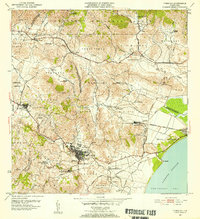 1952 Humacao1953 Print · USGSSoutheast Puerto Rico in the early fifties shows a bustling agricultural landscape defined by the sugar industry and coastal rail. Genealogists and historians can locate numerous workforce settlements and family-named landmarks like Central El Ejemplo, Colonia Santa Teresa, and Pueblito del Rio.2 unique versions available
 - 1952 Map of Yabucoa, 1953 Print
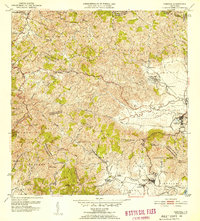 1952 Yabucoa1953 Print · USGSSoutheastern Puerto Rico is documented here in the early fifties, showing the vibrant sugar-mill economy and coastal settlements of the era. Genealogists and researchers can trace local families through sites like Central Roig, Parcelas Martorell, and the Escuela C S Ridley.2 unique versions available
 - 1952 Map of Punta Guayanes, 1953 Print
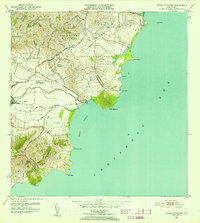 1952 Punta Guayanes1953 Print · USGSSoutheast Puerto Rico’s coastline in the early fifties shows a vibrant agricultural and maritime landscape centered around the sugar industry. Genealogists and historians can trace family locations in Colonia Monserrate, Playa de Guayanes, and near the industrial site of Central Roig.2 unique versions available
 - 1952 Map of Juncos, 1953 Print
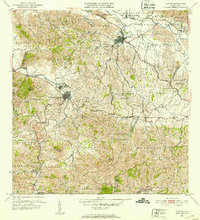 1952 Juncos1953 Print · USGSEastern Puerto Rico in the early fifties reveals a landscape of sugar production and mountain mining. Genealogists and historians can trace family roots through the barrio sectors of Juncos and San Lorenzo or locate the Mina de Hierro and Central Juncos.2 unique versions available
 - 1952 Map of Naguabo, 1953 Print
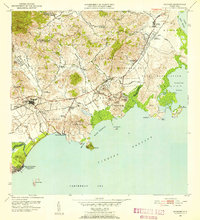 1952 Naguabo1953 Print · USGSIn the early fifties, eastern Puerto Rico was a landscape of coastal military outposts and sugar colonies. Researchers can trace the FERROCARRILES DEL ESTE rail line as it connects Naguabo to rural centers like Hacienda Grande and Fort Bundy.2 unique versions available
 - 1957 Map of Naguabo, 1960 Print
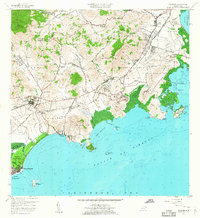 1957 Naguabo1960 Print · USGSCoastal Puerto Rico in the late fifties shows a landscape of military expansion and sugar rail networks. Genealogists and historians can locate family landmarks like Escuela Mariana and Hacienda Grande, or trace the tracks of the Fajardo Eastern Sugar Associates.
 - 1958 Map of Juncos, 1960 Print
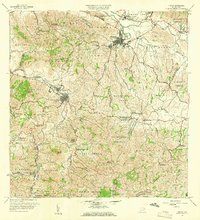 1958 Juncos1960 Print · USGSJuncos and San Lorenzo are captured here during a period of industrial sugar production and rural educational growth. Genealogists can locate family landmarks like Escuela Fraternidad Humana, the Central Juncos mill, and the inactive mine near Gurabo Arriba.
 - 1958 Map of Humacao, 1960 Print
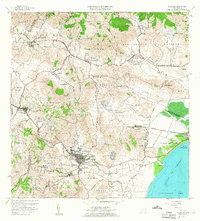 1958 Humacao1960 Print · USGSSoutheastern Puerto Rico is mapped here in the late fifties, showing the coastal sugar economy and mountain utility developments. Trace family roots in Humacao neighborhoods or find rural landmarks like Central El Ejemplo and the Planta Hidroeléctrica de Río Blanco.
 - 1960 Map of Yabucoa, 1961 Print
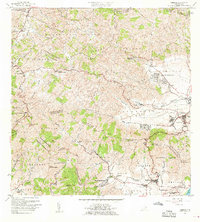 1960 Yabucoa1961 Print · USGSSoutheastern Puerto Rico is mapped here in the early sixties, showing the vital sugar industry and mountain settlements before modern expansion. Genealogists can locate family sites like Laura and Columbia, or local institutions such as Escuela Matías Sánchez and Central Roig.3 unique versions available
 - 1960 Map of Punta Guayanes, 1962 Print
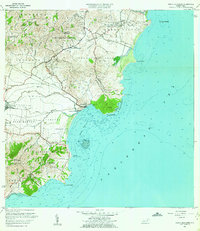 1960 Punta Guayanes1962 Print · USGSThe Yabucoa coastline in the early sixties reveals a landscape shaped by sugar production and rural commerce. Genealogists and historians can locate former schools like Escuela Asunción Lopez and trace the sugar infrastructure of Central Roig.6 unique versions available
 - 1967 Map of Humacao, 1969 Print
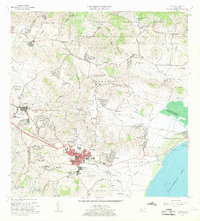 1967 Humacao1969 Print · USGSSoutheast Puerto Rico during the late sixties shows a landscape of growing towns and industrial sites near the coast. Genealogists can locate numerous local schools like Escuela Dra Isidra Vidal and trace historical transport lines like the Via del Ferrocarril.3 unique versions available
 - 1967 Map of Juncos, 1969 Print
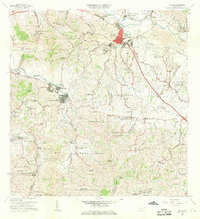 1967 Juncos1969 Print · USGSJuncos and the surrounding valley are captured in the late sixties, showcasing the intersection of industrial sites and dozens of rural schools. Researchers can trace the layout of Central Juncos, locate the Iglesia de la Placita, or find family-named sites like Escuela Manuel Torres.5 unique versions available
Showing maps 1-25 of 41
Frequently asked questions
- What are the different types of historical maps available for Humacao?
- What is the oldest map of Humacao?
- Where can I purchase historical maps of Humacao for my home or office?
- Where can I download high-res historical maps of Humacao?
- Are there historical topographic maps available for Humacao?
- Is there historical aerial imagery available for Humacao?
- Where are historical maps of Humacao sourced from?