1870s Maps of Cryers Hill, England
Explore 1 historic maps of Cryers Hill from the 1870s. These maps offer a rare glimpse into what life looked like during the 1870s — showing old roads, neighborhoods, homes, and landmarks that have changed or disappeared over time.
Whether you're researching your family's past, planning a metal detecting trip, or studying how Cryers Hill's landscape evolved across the 1870s, these high-resolution maps are a powerful tool for exploring the history of this region.
- Focus on a specific era: All maps on this page are from the 1870s, giving you a focused view of this time period.
- See what’s changed: Compare century-old streets, trails, and buildings to today's modern landscape using overlays and satellite layers.
- Research with precision: Use these maps for genealogy, historical research, land use analysis, or educational projects.
- View, download, or print: Maps are fully viewable online in high resolution, and can be downloaded or printed for your own records.
Start exploring Cryers Hill's history through authentic maps from the 1870s. This is your window into the past.
Cryers Hill, England maps
(1)- 1874 Map of Buckinghamshire XLII, 1883 Print
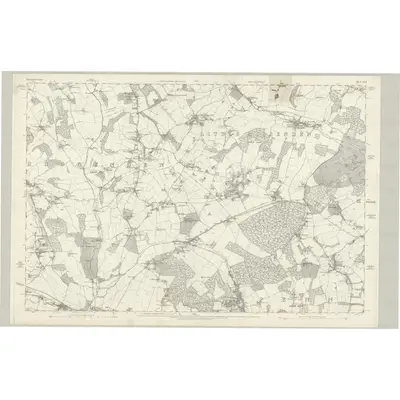 1874 Buckinghamshire XLII1883 Print · Ordnance SurveyCovers Cryers Hill, including High Wycombe, Beaconsfield, and other nearby areas
End of results
Showing maps 1-1 of 1
Top cities near Cryers Hill
- Slough historical maps
- High Wycombe historical maps
- Maidenhead historical maps
- Windsor historical maps
- Woodley historical maps
- Houghton Regis historical maps
See more
Frequently asked questions
- What are the different types of historical maps available for Cryers Hill?
- What is the oldest map of Cryers Hill?
- Where can I purchase historical maps of Cryers Hill for my home or office?
- Where can I download high-res historical maps of Cryers Hill?
- Are there historical topographic maps available for Cryers Hill?
- Is there historical aerial imagery available for Cryers Hill?
- Where are historical maps of Cryers Hill sourced from?