Old Maps of Charlestown, Ancaster for Academic Research
Study the evolution of Charlestown with 3 high-resolution historic maps. Whether you're teaching, researching, or modeling changes in land use, these maps provide essential visual documentation of urban, environmental, and geographic change.
- Analyze long-term change: Track patterns in development, transportation, and natural features.
- Ideal for environmental or urban studies: Support academic projects with primary historical map data.
- Use in the classroom or lab: Educators and researchers rely on these maps to bring historical context to life.
These maps are a powerful tool for teaching, research, and visualizing how Charlestown has changed over the decades.
Charlestown, Ancaster maps
(3)- 1887 Map of Lincolnshire CV.SE, 1888 Print
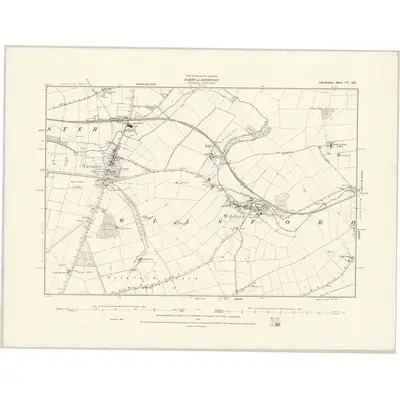 1887 Lincolnshire CV.SE1888 Print · Ordnance SurveyCovers Charlestown, including South Rauceby, Wilsford, and other nearby areas
 - 1903 Map of Lincolnshire CV.SE, 1905 Print
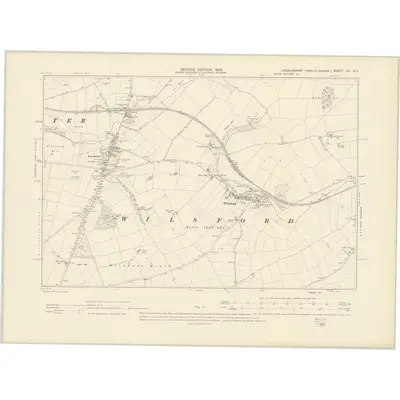 1903 Lincolnshire CV.SE1905 Print · Ordnance SurveyCovers Charlestown, including South Rauceby, Wilsford, and other nearby areas
 - 1947 Map of Lincolnshire CV.SE, 1951 Print
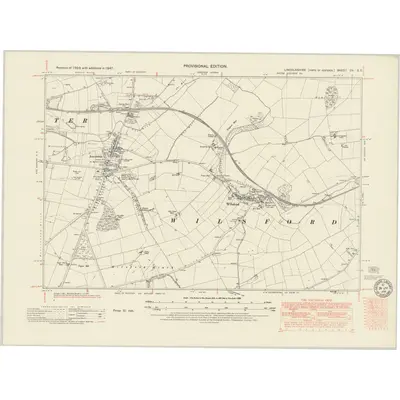 1947 Lincolnshire CV.SE1951 Print · Ordnance SurveyCovers Charlestown, including South Rauceby, Wilsford, and other nearby areas
End of results
Showing maps 1-3 of 3
Frequently asked questions
- What are the different types of historical maps available for Charlestown?
- What is the oldest map of Charlestown?
- Where can I purchase historical maps of Charlestown for my home or office?
- Where can I download high-res historical maps of Charlestown?
- Are there historical topographic maps available for Charlestown?
- Is there historical aerial imagery available for Charlestown?
- Where are historical maps of Charlestown sourced from?