Old Maps of Pine Apple, Alabama
Explore 28 old maps of Pine Apple, spanning from 1953 to today. These high-resolution historic maps reveal how streets, neighborhoods, landmarks, and natural features evolved over time — perfect for genealogy, metal detecting, research, and local history exploration.
What you can do with these maps:
- See how Pine Apple changed over time: Compare historical maps to modern-day views to trace roads, homesites, rail lines & more.
- View detailed metadata: Each map includes creators, publishers, year, scale, and archive source.
- Overlay maps with satellite & LiDAR: Visualize the past alongside modern tools to explore terrain & human change.
- Trusted historical sources: Maps sourced from the USGS, Library of Congress, and other archives.
- Access maps your way: View online, download high-res files, or order prints for personal or research use.
Start exploring old maps of Pine Apple to uncover forgotten places, hidden landmarks, and the deep history beneath your feet.
Pine Apple, AL maps
(28)- 1953 Map of Andalusia, 1965 Print
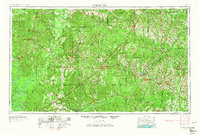 1953 Andalusia1965 Print · USGSSouth Alabama in the mid-twentieth century remains a land of pine forests and river-fed settlements. You can trace the vital rail corridors of the Louisville & Nashville and locate regional centers such as Andalusia, Brewton, and Monroeville.3 unique versions available
 - 1957 Map of Andalusia
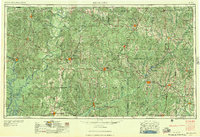 1957 Andalusia1957 Print · USGSSouthern Alabama in the mid-1950s was a landscape defined by timbered stretches and the rhythmic flow of the Alabama River. Researchers can trace the legacy of the rail era through the Central of Georgia tracks and the storied river bluffs at Choctaw Bluff.
 - 1981 Map of Oak Hill
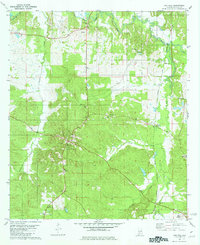 1981 Oak Hill1981 Print · USGSWilcox County's rural character remains evident in the early 1980s, centered on the historic rail corridor of the Louisville and Nashville. Genealogists can trace family footprints through numerous country congregations and cemeteries like The Bear Creek Ch, McConico Cem, and St Paul Ch.
 - 1981 Map of Pine Apple North
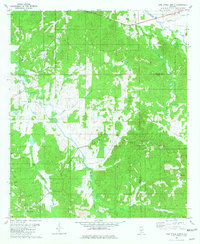 1981 Pine Apple North1981 Print · USGSWilcox and Butler counties are captured here in the early 1980s, showing a rural landscape of timber and traditional crossroads. Trace community roots at Arkadelphia Ch, Jones High Sch, and the old settlement at Monterey.
 - 1981 Map of Mc Williams
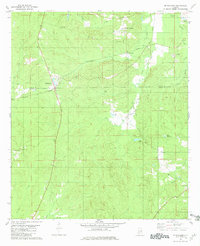 1981 Mc Williams1981 Print · USGSMonroe and Wilcox counties in the mid-seventies remain defined by timberlands and the legacy of the rail. You can trace early cemetery locations like Hopewell Cem, the path of the Louisville and Nashville Railroad Grade, and small communities like McWilliams and Schuster Springs.
 - 1981 Map of Pine Apple South
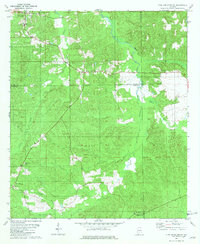 1981 Pine Apple South1981 Print · USGSMonroe and Wilcox Counties appear here in the early eighties as the L & N railroad still shaped the rural landscape. Genealogists can locate family landmarks like Solomon Cem, Old Texas, and country churches such as Mount Zion Ch or Hopkins Chapel Cem.
 - 1986 Map of Monroeville
 1986 Monroeville1986 Print · USGSMonroe and Clarke counties are captured here in the mid-eighties, centered on the river valleys of the Alabama River and Tombigbee River. Genealogists and local historians can trace legacy settlements like Burnt Corn, Whatley, and the river site of Claiborne.2 unique versions available
 - 1986 Map of Greenville
 1986 Greenville1986 Print · USGSMid-century South Central Alabama comes alive in this survey of the creek-laced timberlands and rail-dependent towns between the Gulf Coastal Plain and the Piedmont. Researchers can trace family roots through numerous country landmarks like Magnolia Cem, Spring Hill Ch, and the Butler County State Wildlife Management Area.2 unique versions available
 - 2011 Map of McWilliams, 2011 Print
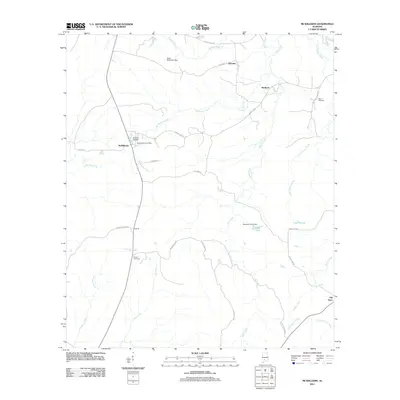 2011 McWilliams2011 Print · USGSWilcox County's rural communities and creek-side settlements are mapped here in the early 2000s. Genealogists can trace family landmarks and burial sites including Beard Cemetery, Pineview Cemetery, and the McWilliams Post Office.
 - 2011 Map of Oak Hill, 2011 Print
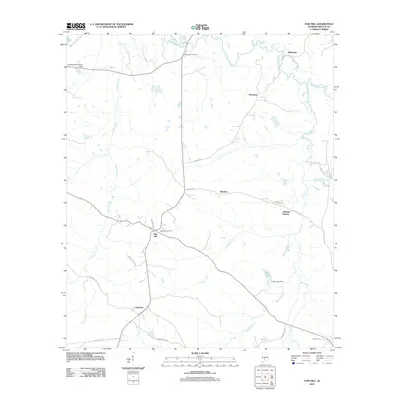 2011 Oak Hill2011 Print · USGSWilcox County at the start of the 2010s reveals a landscape of enduring rural settlements and winding Alabama waterways. Researchers can trace family roots at the McConico Cemetery or explore the corridor between Oak Hill, Allenton, and Caledonia.
 - 2011 Map of Pine Apple South, 2011 Print
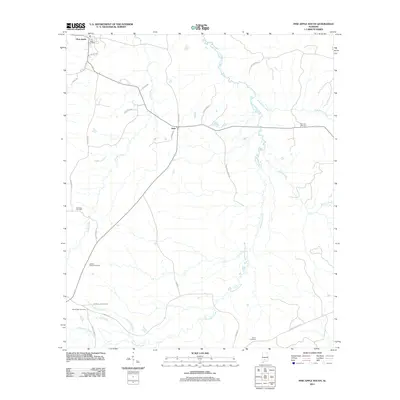 2011 Pine Apple South2011 Print · USGSPine Apple and Awin are captured here in the early twenty-first century, showcasing the rural character and family history of this Wilcox County landscape. Genealogists can trace family connections through numerous burial sites like Jenkins Chapel Cemetery, Pine Flat Cemetery, and Bethlehem Cemetery.
 - 2011 Map of Pine Apple North, 2011 Print
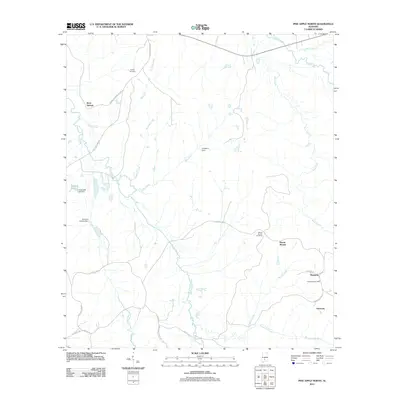 2011 Pine Apple North2011 Print · USGSWilcox County's rural landscape at the start of the decade reveals a tapestry of small settlements and family-named landmarks. Genealogists can trace local roots at Mount Moriah Cemetery, the settlement of Monterey, and along Ward and Grimes Mill Rd.
 - 2014 Map of Pine Apple North, 2014 Print
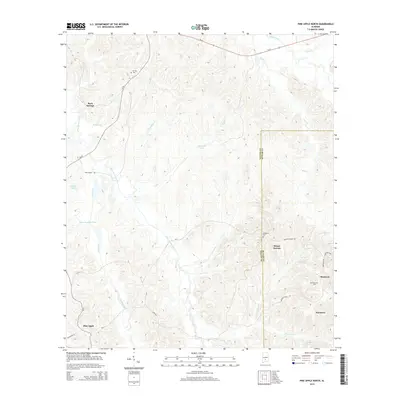 2014 Pine Apple North2014 Print · USGSWilcox and Butler Counties are shown here during the early twenty-first century, featuring a landscape defined by creek drainages and rural crossroads. Genealogists can trace family connections through sites like Palmer Cem, Rock Springs, and the community of Monterey.
 - 2014 Map of Oak Hill, 2014 Print
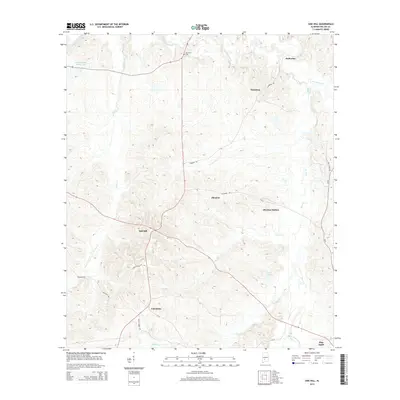 2014 Oak Hill2014 Print · USGSWilcox County's rural heartland is preserved here in the early twenty-first century, showing the established communities and watercourses of the Alabama Black Belt. Researchers can trace family ties at McConico Cem and locate old homesteads near Oak Hill, Allenton, and Caledonia.
 - 2014 Map of McWilliams, 2014 Print
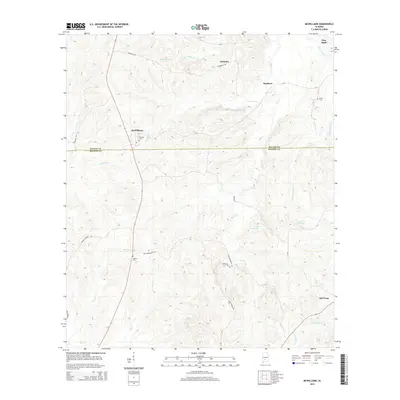 2014 McWilliams2014 Print · USGSWilcox and Monroe counties come together in this South Alabama survey from the early twenty-first century. Genealogists and local historians can trace family sites at Pineview Cem and Beard Cem or locate the rural crossroads of Schuster and McWilliams.
 - 2014 Map of Pine Apple South, 2014 Print
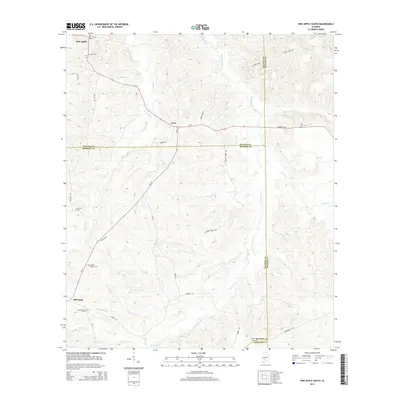 2014 Pine Apple South2014 Print · USGSThe rural borderlands of Wilcox and Monroe counties are captured here in the early 2010s, showing a landscape of timber and traditional settlements. Genealogists can locate several historic burial sites, including Bethlehem Cem and Jenkins Chapel Cem, near Old Texas.
 - 2018 Map of Pine Apple North, 2018 Print
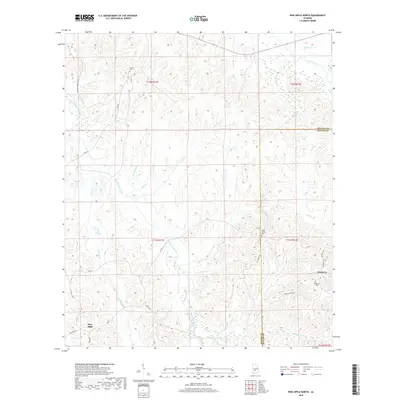 2018 Pine Apple North2018 Print · USGSWilcox and Butler counties are captured in this recent survey during a period of quiet rural stability in South Alabama. Genealogists and researchers can trace local family landmarks and old roads near Pine Apple and Monterey, including Palmer Cem and Mount Moriah Cem.
 - 2018 Map of Pine Apple South, 2018 Print
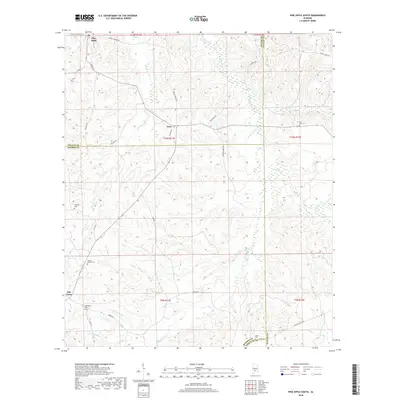 2018 Pine Apple South2018 Print · USGSSouthern Wilcox and Monroe counties are shown here as they appeared recently, centered on the historic crossroads of Pine Apple and Awin. Genealogists and local historians can trace rural community life through landmarks like Bethlehem Ch, Old Texas, and the Jenkins Chapel Cem.
 - 2018 Map of McWilliams, 2018 Print
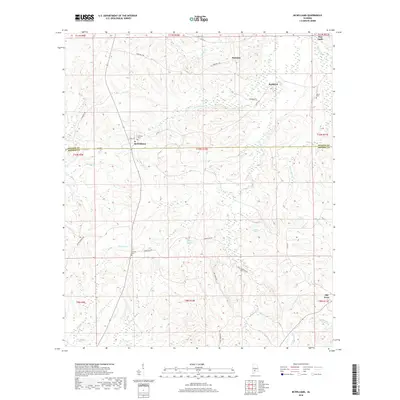 2018 McWilliams2018 Print · USGSWilcox and Monroe Counties are captured in this contemporary view of South Alabama's rural townships and creek-fed valleys. Genealogists and historians can trace local family landmarks and burial sites like Pineview Cem, Beard Cem, and the old settlement at McWilliams.
 - 2018 Map of Oak Hill, 2018 Print
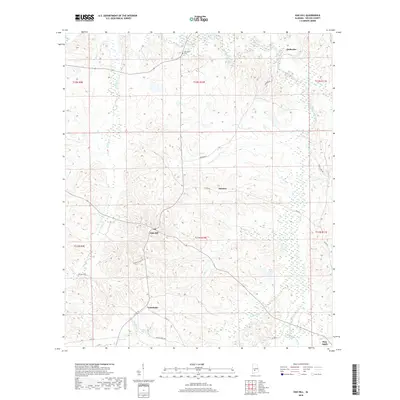 2018 Oak Hill2018 Print · USGSWilcox County at the end of the 2010s reveals a rural Alabama landscape defined by its creek-fed valleys and historic crossroads. Genealogists and local historians can trace family land near Caledonia, Allenton, and the McConico Cem.
 - 2020 Map of McWilliams, 2020 Print
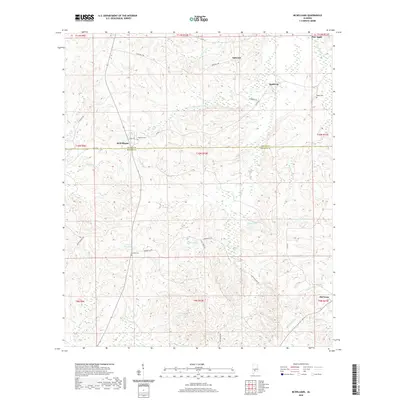 2020 McWilliams2020 Print · USGSPine Apple and the Wilcox-Monroe county border are shown in this recent survey of Alabama's timberlands. Researchers can trace local heritage through the locations of Pineview Cem and Grimes Cem or locate the rural crossroads at McWilliams and Old Texas.
 - 2020 Map of Oak Hill, 2020 Print
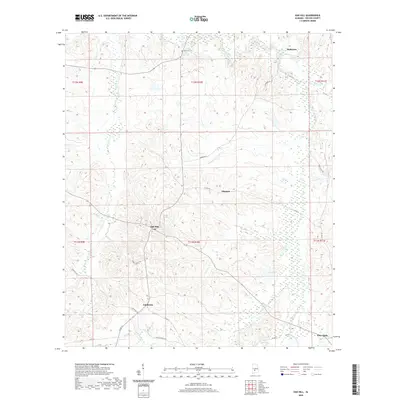 2020 Oak Hill2020 Print · USGSWilcox County is documented here in the early twenty-first century, showing a landscape shaped by the Pine Barren Creek and Bear Creek drainages. Researchers can trace the layout of rural communities like Oak Hill, Pine Apple, and the historic McConico Cem.
 - 2020 Map of Pine Apple North, 2020 Print
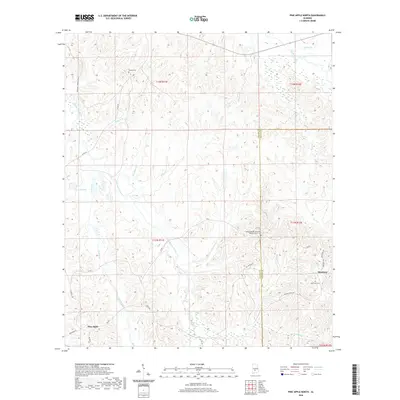 2020 Pine Apple North2020 Print · USGSWilcox and Butler counties are captured here in the contemporary era, showing a landscape defined by traditional settlements and winding creek valleys. Researchers can trace family sites at Monterey Cem, Palmer Cem, and the Mount Moriah Fellowship Baptist Church Cem.
 - 2020 Map of Pine Apple South, 2020 Print
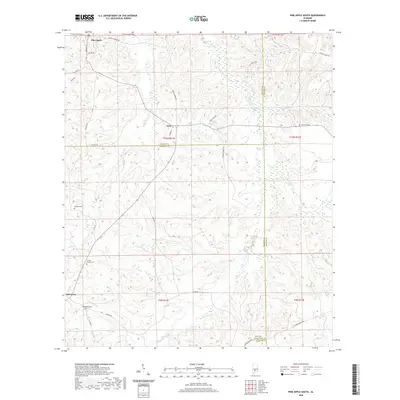 2020 Pine Apple South2020 Print · USGSWilcox, Monroe, and Butler counties meet in this rural Alabama landscape as it appeared in recent years. Researchers can locate several historical burial sites and crossroads including Old Texas, Bethlehem Cem, and Jenkins Chapel Cem.
 - 2024 Map of Pine Apple North, 2024 Print
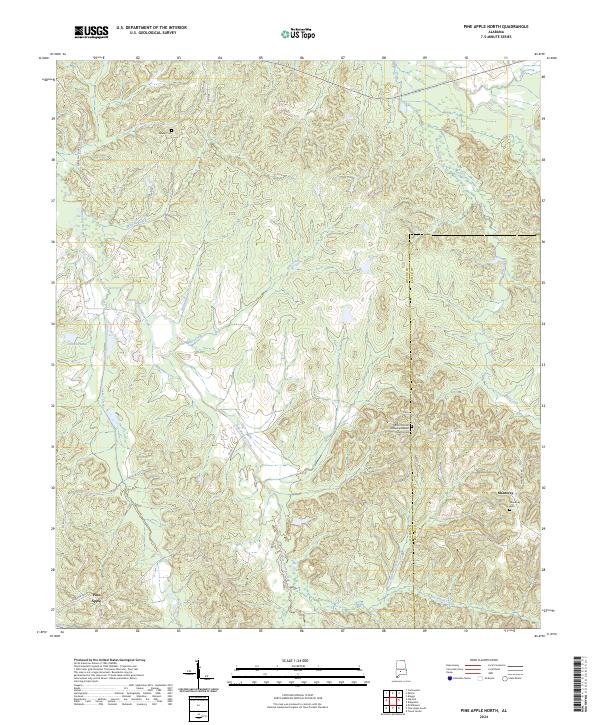 2024 Pine Apple North2024 Print · USGSWilcox County is documented here in its contemporary rural state, showing the persistent settlement patterns of south Alabama. Researchers can locate family landmarks such as Mount Moriah Fellowship Baptist Church Cem, Palmer Cem, and the community of Monterey.
Showing maps 1-25 of 28
Top cities near Pine Apple
Frequently asked questions
- What are the different types of historical maps available for Pine Apple?
- What is the oldest map of Pine Apple?
- Where can I purchase historical maps of Pine Apple for my home or office?
- Where can I download high-res historical maps of Pine Apple?
- Are there historical topographic maps available for Pine Apple?
- Is there historical aerial imagery available for Pine Apple?
- Where are historical maps of Pine Apple sourced from?