1900s (20th Century) Maps of Double Adobe, Arizona
Explore 13 historic maps of Double Adobe from the 1900s (20th Century). These maps offer a rare glimpse into what life looked like during the 1900s — showing old roads, neighborhoods, homes, and landmarks that have changed or disappeared over time.
Whether you're researching your family's past, planning a metal detecting trip, or studying how Double Adobe's landscape evolved across the 1900s, these high-resolution maps are a powerful tool for exploring the history of this region.
- Focus on a specific era: All maps on this page are from the 1900s, giving you a focused view of this time period.
- See what’s changed: Compare century-old streets, trails, and buildings to today's modern landscape using overlays and satellite layers.
- Research with precision: Use these maps for genealogy, historical research, land use analysis, or educational projects.
- View, download, or print: Maps are fully viewable online in high resolution, and can be downloaded or printed for your own records.
Start exploring Double Adobe's history through authentic maps from the 1900s. This is your window into the past.
Double Adobe, AZ maps
(13)- 1914 Map of Douglas
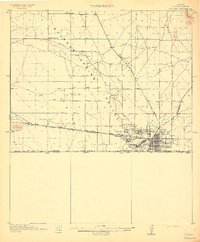 1914 Douglas1914 Print · USGSThe copper-smelting industry dominates the landscape near the international border just before the Great War. Genealogists and historians can trace the early foundations of Douglas, the grid of Pirtleville, and rural landmarks like Carey Ranch and Valley School.3 unique versions available
 - 1916 Map of Douglas
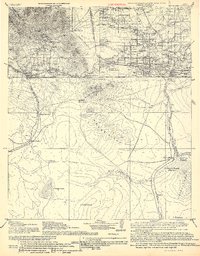 1916 Douglas1916 Print · USGSThe Arizona-Mexico border comes alive in the mid-1910s, showcasing the height of the copper mining era around Bisbee and Douglas. Genealogists and historians can trace family land like Forrests Ranch and local institutions like the Double Adobe Valley School.
 - 1919 Map of Douglas
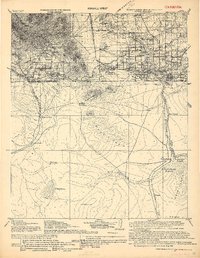 1919 Douglas1919 Print · USGSThe Arizona-Mexico borderlands come alive in the decade following the turn of the century, showing the dense mining and rail networks around the Mule Mountains. Trace early ranching footprints at Forrest's Ranch, the industrial layout of Tin Town, and cross-border landmarks like Mina de Oro.
 - 1925 Map of Douglas
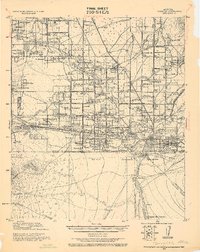 1925 Douglas1925 Print · USGSThe Arizona-Mexico borderlands in the mid-twenties were a mosaic of family-named ranches and early motor routes. Genealogists can trace individual homesteads like the Cross U Bar R. (Stephenson) or the Lakes Ranch alongside the historic Nacozari Railroad.
 - 1933 Map of Douglas
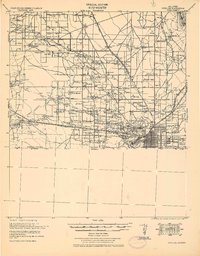 1933 Douglas1933 Print · USGSThe borderlands of Cochise County come alive in the early thirties, showcasing a landscape defined by massive copper smelters and the bustling town of Douglas. Genealogists can trace family holdings from the Copper Queen Ranch to Valley School and identify early landmarks like Camp Harry J Jones.
 - 1955 Map of Douglas
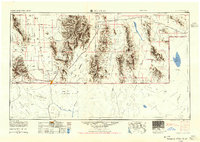 1955 Douglas1955 Print · USGSThe Arizona and New Mexico borderlands come into focus in the mid-1950s, highlighting the mining and ranching hubs of the Desert Southwest. Genealogists and historians can trace the foundations of Bisbee, the operations at Hachita Mine, and rural landmarks like the Double Adobe School.2 unique versions available
 - 1958 Map of Double Adobe, 1959 Print
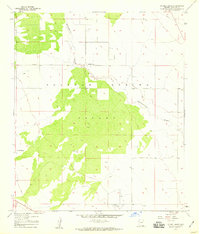 1958 Double Adobe1959 Print · USGSSoutheast Arizona ranching country is captured here during the late fifties, centered on the high-desert basins of Cochise County. Researchers can trace the homesteads and local infrastructure of Double Adobe and locate landmarks like Forrest Airport and Lazy KJ Ranch.3 unique versions available
 - 1958 Map of Douglas, 1959 Print
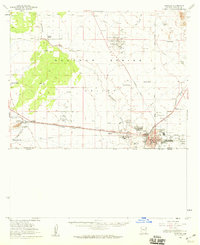 1958 Douglas1959 Print · USGSThe Arizona-Mexico border landscape comes alive in this late 1950s survey of the Sulphur Springs Valley during a peak era for the copper industry. Genealogists and historians can trace the foundations of Pirtleville, the massive Copper Queen Smelter, and family sites like Stewart Ranch.2 unique versions available
 - 1959 Map of Douglas, 1968 Print
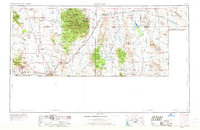 1959 Douglas1968 Print · USGSSoutheast Arizona and southwest New Mexico meet at the border in the late fifties, showcasing a high-desert landscape defined by industrial copper mining and ranching. Genealogists and historians can trace the foundations of Bisbee, locate the Lavender Pit, and follow the Southern Pacific line through Douglas.4 unique versions available
 - 1961 Map of Douglas
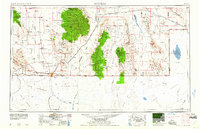 1961 Douglas1961 Print · USGSThe Arizona-Mexico borderlands come into focus at mid-century, detailing the vital mining and ranching hubs of Cochise County and southwest New Mexico. Genealogists and historians can trace the Southern Pacific Railroad through Bisbee and Douglas, or locate early sites like the Old Hachita Mine and Rucker School.
 - 1964 Map of Douglas
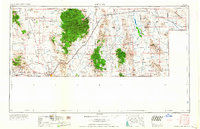 1964 Douglas1964 Print · USGSThe Arizona-New Mexico borderlands in the early sixties reveal a landscape of deep-rooted copper mining and high-desert ranching. Genealogists and researchers can trace the legacy of settlements like Pirtleville, the industrial site of the Copper Smelter, and remnants of the Cochise Mines.
 - 1994 Map of Douglas
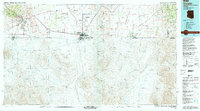 1994 Douglas1994 Print · USGSThe copper mining heart of Cochise County and the international border are captured here in the mid-nineties. Researchers can trace the massive Lavender Pit at Bisbee or locate rural landmarks like Paul Spur and the San Bernardino National Wildlife Refuge.2 unique versions available
 - 1996 Map of Double Adobe, 2003 Print
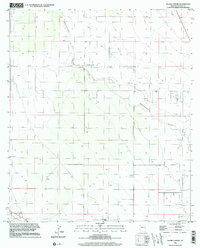 1996 Double Adobe2003 Print · USGSIn the high desert of Cochise County during the late nineties, the landscape reflects a transition from traditional ranching to modern institutional development. Trace the local geography through Double Adobe, Whitewater Draw, and the grounds of Cochise College.
End of results
Showing maps 1-13 of 13
Top cities near Double Adobe
Frequently asked questions
- What are the different types of historical maps available for Double Adobe?
- What is the oldest map of Double Adobe?
- Where can I purchase historical maps of Double Adobe for my home or office?
- Where can I download high-res historical maps of Double Adobe?
- Are there historical topographic maps available for Double Adobe?
- Is there historical aerial imagery available for Double Adobe?
- Where are historical maps of Double Adobe sourced from?