Old Maps of Greenehaven, Arizona for Academic Research
Study the evolution of Greenehaven with 14 high-resolution historic maps. Whether you're teaching, researching, or modeling changes in land use, these maps provide essential visual documentation of urban, environmental, and geographic change.
- Analyze long-term change: Track patterns in development, transportation, and natural features.
- Ideal for environmental or urban studies: Support academic projects with primary historical map data.
- Use in the classroom or lab: Educators and researchers rely on these maps to bring historical context to life.
These maps are a powerful tool for teaching, research, and visualizing how Greenehaven has changed over the decades.
Greenehaven, AZ maps
(14)- 1886 Map of Echo Cliffs
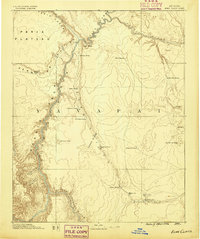 1886 Echo Cliffs1886 Print · USGSArizona's northern frontier remains a rugged expanse of high plateaus and deep river canyons during the late nineteenth century. Researchers can trace early travel routes through Lee Ferry and locate vital water stops like Jacobs Pools and Bitter Spring.2 unique versions available
 - 1891 Map of Echo Cliffs
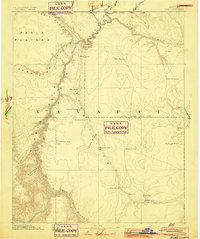 1891 Echo Cliffs1891 Print · USGSNorthern Arizona's river corridors and canyonlands appear here in the late nineteenth century, centered on the vital river crossing at Lee Ferry. Trace early frontier settlements like Tuba City and remote watering holes such as Navajo Spring and Jacobs Pools.8 unique versions available
 - 1951 Map of Lees Ferry NE, 1955 Print
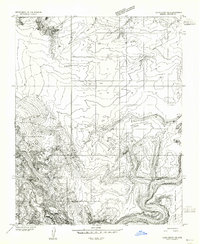 1951 Lees Ferry NE1955 Print · USGSCoconino County was a landscape of primitive tracks and deep canyons in the mid-1950s. Researchers can trace the winding Jeep Trail and the boundaries of the Navajo Indian Reservation along the banks of the Colorado River.
 - 1954 Map of Lees Ferry, 1956 Print
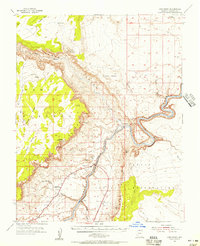 1954 Lees Ferry1956 Print · USGSThe Colorado River corridor near the Utah state line is captured here in the mid-fifties, showing the vital crossing at the Lees Ferry site. Researchers can trace early roads and river access points like the Landing Strip, Ferry Swale, and Vermilion Cliffs Lodge.4 unique versions available
 - 1956 Map of Marble Canyon, 1964 Print
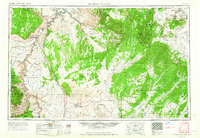 1956 Marble Canyon1964 Print · USGSNorthern Arizona and the borderlands of Utah are mapped here in the mid-fifties, showing a landscape defined by traditional trading posts and early uranium mining. Trace old routes between Tuba City and Kayenta, and locate historic sites like Lees Ferry and Inscription House Trading Post.4 unique versions available
 - 1959 Map of Marble Canyon
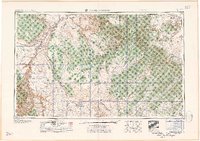 1959 Marble Canyon1959 Print · USGSNorthern Arizona in the late fifties is a vast landscape of tribal lands and desert plateaus defined by the carving of the Colorado River. Trace family roots and regional history at Tuba City, the Chilchinbito Trading Post, or the ancient Inscription House Ruin.
 - 1961 Map of Marble Canyon
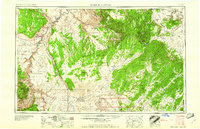 1961 Marble Canyon1961 Print · USGSThe northern Arizona desert in the early sixties reveals a landscape of tribal lands and canyon crossings. Trace the old river life at Lees Ferry, find the Uranium mill at Tuba City, and locate the iconic Elephant Feet landmarks.
 - 1984 Map of Glen Canyon Dam
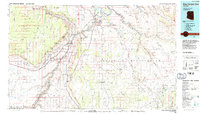 1984 Glen Canyon Dam1984 Print · USGSThe Colorado River corridor near the Utah border is captured here in the mid-eighties, centered on the rise of modern infrastructure in the desert. Researchers can trace the development of Page alongside historic sites like Lees Ferry and the Copper Mine Trading Post.2 unique versions available
 - 1985 Map of Ferry Swale
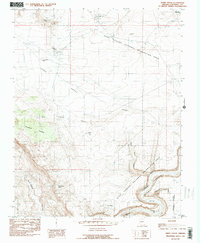 1985 Ferry Swale1985 Print · USGSThe high desert canyons north of the Colorado River are captured here in the mid-eighties as recreation and ranching converged. Researchers can trace the rugged topography of Thousand Pockets or locate desert water sources like Wildcat Tank and Hackberry Tank.2 unique versions available
 - 1997 Map of Ferry Swale, 2003 Print
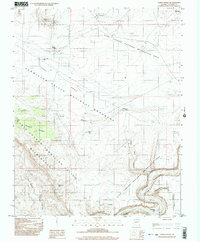 1997 Ferry Swale2003 Print · USGSCoconino County’s high-desert canyons and plateaus are captured here in the late twentieth century. Researchers can trace historic water sources like Bishops Tank and explore geographic landmarks including Thousand Pockets and Ferry Swale.
 - 2011 Map of Ferry Swale, 2011 Print
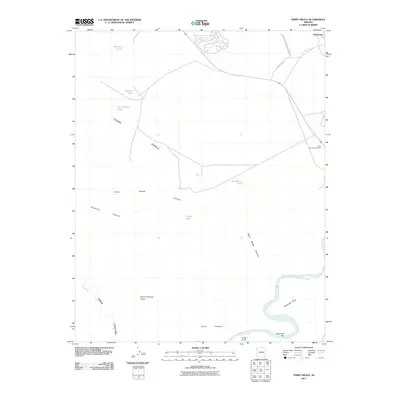 2011 Ferry Swale2011 Print · USGSCovers Greenehaven, including Page, Coconino County, and other nearby areas2 unique versions available
 - 2014 Map of Ferry Swale, 2014 Print
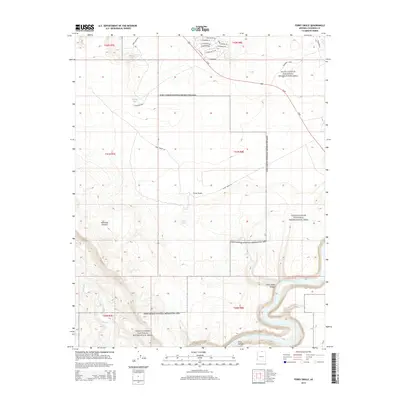 2014 Ferry Swale2014 Print · USGSCovers Greenehaven, including Page, Coconino County, and other nearby areas
 - 2018 Map of Ferry Swale, 2018 Print
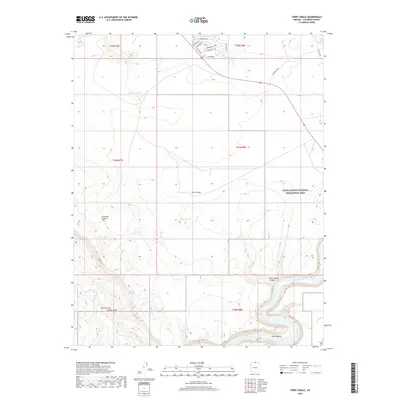 2018 Ferry Swale2018 Print · USGSCovers Greenehaven, including Page, Coconino County, and other nearby areas
 - 2021 Map of Ferry Swale, 2021 Print
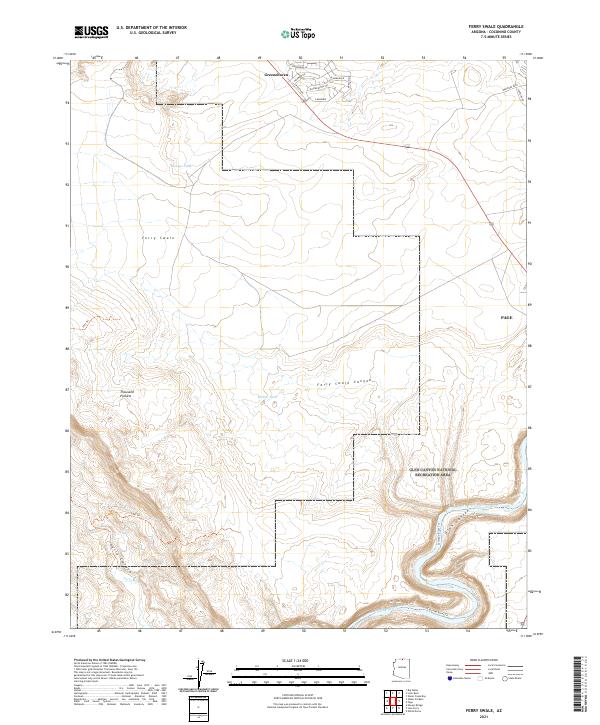 2021 Ferry Swale2021 Print · USGSThe Colorado River corridor near Page and Greenehaven is documented here in the early twenty-first century. Researchers can trace the winding paths of the Colorado River Trl and Paria River, or locate natural landmarks like Thousand Pockets and Ferry Swale.
End of results
Showing maps 1-14 of 14
Top cities near Greenehaven
Frequently asked questions
- What are the different types of historical maps available for Greenehaven?
- What is the oldest map of Greenehaven?
- Where can I purchase historical maps of Greenehaven for my home or office?
- Where can I download high-res historical maps of Greenehaven?
- Are there historical topographic maps available for Greenehaven?
- Is there historical aerial imagery available for Greenehaven?
- Where are historical maps of Greenehaven sourced from?