Old Maps of Pisinimo, Pisinemo District for Metal Detecting
Plan your next treasure hunt with 15 historic maps of Pisinimo. Find old homesites, ghost towns, trails, and gathering spots that may be lost to time — perfect for identifying promising metal detecting locations.
- Locate forgotten sites: Uncover places like long-lost settlements, abandoned rail lines, or gathering spots.
- Plan better hunts: Use map overlays combined with LiDAR or satellite views to narrow in on historically rich areas.
- Made for detectorists: Thousands of hobbyists use these maps to discover relics, coins, and hidden history.
Use these historic maps to boost your research and find new opportunities beneath the surface of Pisinimo.
Pisinimo, Pisinemo District maps
(15)- 1953 Map of Ajo, 1971 Print
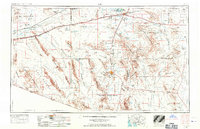 1953 Ajo1971 Print · USGSThe Arizona desert at mid-century reveals a landscape of massive copper mines, tribal reservations, and military testing grounds. Genealogists and historians can trace rail stopovers like Dateland and Mohawk or locate remote sites like the Reward Mine and Gu Achi (Santa Rosa).2 unique versions available
 - 1957 Map of Ajo
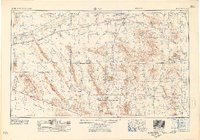 1957 Ajo1957 Print · USGSSouthern Arizona in the fifties reveals a landscape of massive copper mines, remote desert wells, and tribal reservations. Genealogists and historians can trace old cattle outposts like Whitewing Ranch, the Tracy's Trading Post, and the copper works at Ajo.
 - 1958 Map of Ajo
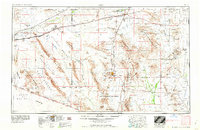 1958 Ajo1958 Print · USGSThe high desert of Pima and Yuma Counties during the late fifties shows a landscape of remote copper mines and military flight paths. Researchers can trace the Southern Pacific Railroad through Gila Bend and find heritage sites like O'Neills Grave or the Christmas Gift Mine.2 unique versions available
 - 1962 Map of Ajo
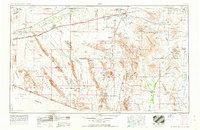 1962 Ajo1962 Print · USGSSouthern Arizona in the early sixties was a landscape of deep-desert mining, military airfields, and tribal lands. Researchers can trace the Cornelia Mine near Ajo, remote outposts like Trays Trading Post, and the path of the Devils Highway.
 - 1963 Map of Ajo
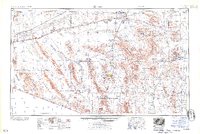 1963 Ajo1963 Print · USGSSouthwestern Arizona in the early sixties reveals a landscape of desert ranches and remote mining outposts. Trace the historic Southern Pacific line or locate isolated landmarks like O'Neils Grave and Tracy's Trading Post.
 - 1963 Map of Pisinimo, 1964 Print
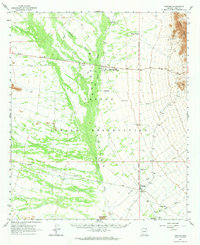 1963 Pisinimo1964 Print · USGSThe Papago Indian Reservation in the early sixties is captured here as a landscape of desert washes and remote O'odham villages. Genealogists and historians can trace traditional settlements and vital water sources like Pisinimo, Wahak Hotrontk, and Schuk Cowlik.2 unique versions available
 - 1967 Map of Ajo
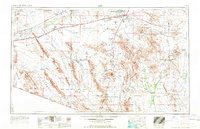 1967 Ajo1967 Print · USGSSouthern Arizona in the mid-1960s is depicted here as a landscape of military aviation and deep-desert ranching. Trace the historical mining operations at Vekol Mine or follow the Southern Pacific rail line through Gila Bend and Dateland.
 - 1980 Map of Ajo, 1996 Print
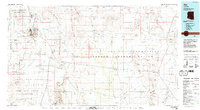 1980 Ajo1996 Print · USGSIn the Sonoran Desert during the early 1980s, mining operations and tribal lands shaped the landscape of Pima County. Researchers can trace the development of Ajo and Why, locate desert outposts like San Simon Well, and identify old workings at the Bluebird Mine.
 - 1982 Map of Ajo
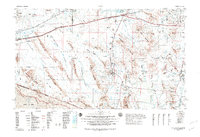 1982 Ajo1982 Print · USGSThe Arizona-Sonora borderlands come into focus in the early eighties, showcasing a landscape of desert mining towns and expansive tribal lands. Trace the Southern Pacific rail line through Gila Bend or explore the remote settlements of Ajo and Lukeville.
 - 1990 Map of Pisinimo
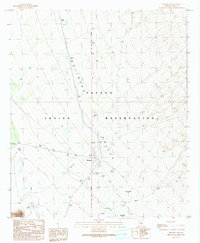 1990 Pisinimo1990 Print · USGSThe Papago Indian Reservation in the 1990s reveals a desert landscape defined by traditional settlements and clever water management. Researchers can trace the layout of Pisinimo, locate the Cem, and find historical locations such as Viason Chin (Site) and Peach Pu.
 - 1996 Map of Pisinimo, 2001 Print
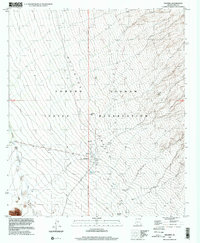 1996 Pisinimo2001 Print · USGSThe Tohono O'odham nation in the mid-nineties is documented here across a landscape of desert washes and traditional sites. Genealogists and historians can trace local landmarks like Pisinimo, the San Antonio Well, and the historic Vlason Chin (Site).
 - 2011 Map of Pisinimo, 2011 Print
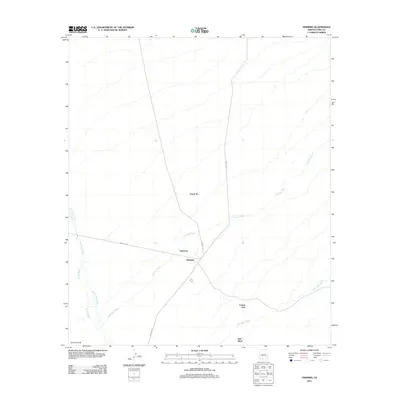 2011 Pisinimo2011 Print · USGSThe Tohono O'odham Nation in the early twenty-first century is documented here through its small settlements and vast desert washes. Researchers can trace the road networks connecting Pisinemo, Peach Pu, and Viason Chin across the San Simon Wash.
 - 2014 Map of Pisinimo, 2014 Print
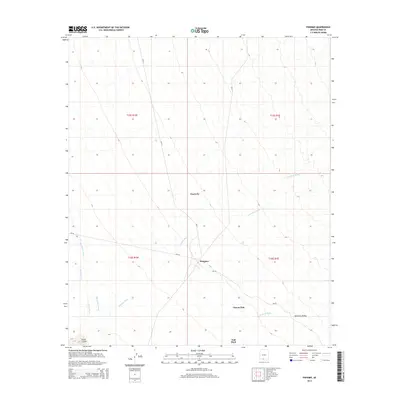 2014 Pisinimo2014 Print · USGSThe Pisinemo District of Pima County is shown in detail during the early 21st century, centered on the Quijotoa Valley. Researchers can trace the layout of desert communities like Pisinimo and Peach Pu along the Pisinimo Wash.
 - 2018 Map of Pisinimo, 2018 Print
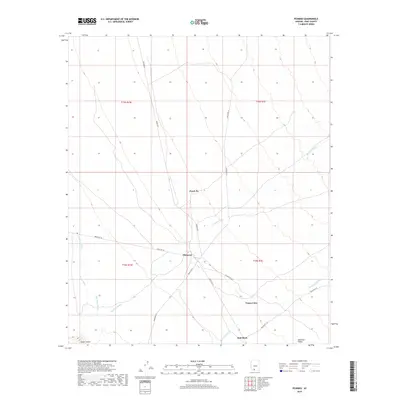 2018 Pisinimo2018 Print · USGSThe Pisinemo District in the late 2010s reveals a desert landscape organized around seasonal watercourses and tribal routes. Researchers can trace the layout of traditional communities like Pisinemo and Peach Pu along the banks of the Pisinimo Wash.
 - 2021 Map of Pisinimo, 2021 Print
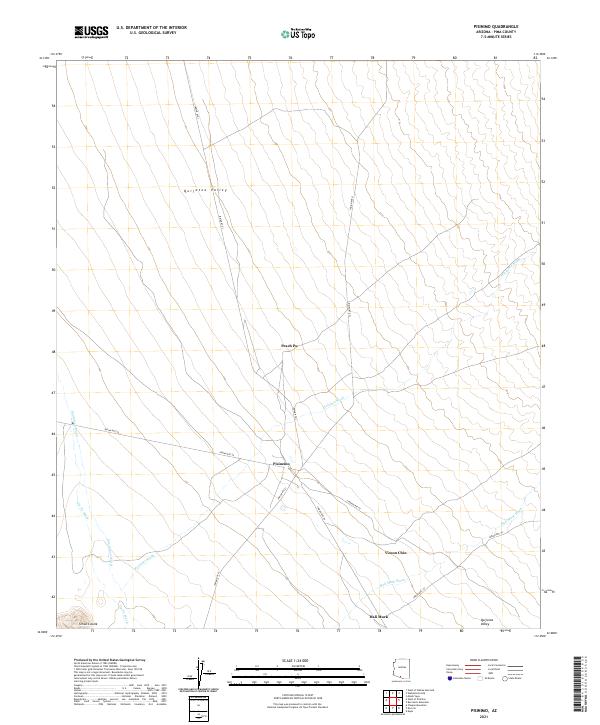 2021 Pisinimo2021 Print · USGSThe Tohono O'odham landscape near Pisinimo is captured in the early twenty-first century, showing a desert community defined by its valley and washes. Genealogists and historians can trace the specific locations of Peach Pu, Viason Chin, and Hali Murk along the Quijotoa Valley.
End of results
Showing maps 1-15 of 15
Frequently asked questions
- What are the different types of historical maps available for Pisinimo?
- What is the oldest map of Pisinimo?
- Where can I purchase historical maps of Pisinimo for my home or office?
- Where can I download high-res historical maps of Pisinimo?
- Are there historical topographic maps available for Pisinimo?
- Is there historical aerial imagery available for Pisinimo?
- Where are historical maps of Pisinimo sourced from?