Old Maps of Summit, Arizona
Explore 19 old maps of Summit, spanning from 1904 to today. These high-resolution historic maps reveal how streets, neighborhoods, landmarks, and natural features evolved over time — perfect for genealogy, metal detecting, research, and local history exploration.
What you can do with these maps:
- See how Summit changed over time: Compare historical maps to modern-day views to trace roads, homesites, rail lines & more.
- View detailed metadata: Each map includes creators, publishers, year, scale, and archive source.
- Overlay maps with satellite & LiDAR: Visualize the past alongside modern tools to explore terrain & human change.
- Trusted historical sources: Maps sourced from the USGS, Library of Congress, and other archives.
- Access maps your way: View online, download high-res files, or order prints for personal or research use.
Start exploring old maps of Summit to uncover forgotten places, hidden landmarks, and the deep history beneath your feet.
Summit, AZ maps
(19)- 1904 Map of Tucson, 1957 Print
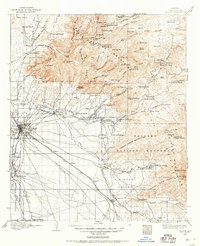 1904 Tucson1957 Print · USGSTucson and its surrounding desert basins are captured here at the turn of the century as the railroad transformed this Pima County landscape. Genealogists and historians can locate early family holdings like Carrillos Ranch, the site of Old Fort Lowell, and the remote Loma Verde Mines.
 - 1905 Map of Tucson
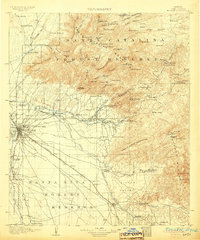 1905 Tucson1905 Print · USGSEarly 1900s Tucson is shown here as a railway hub at the base of the Rincon and Santa Catalina mountains. Genealogists and historians can trace numerous family homesteads like Pusch's Ranch, explore Old Fort Lowell, or locate the Loma Verde Mines.5 unique versions available
 - 1948 Map of Tucson
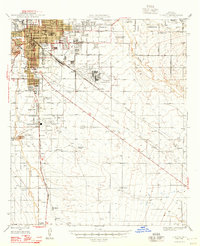 1948 Tucson1948 Print · USGSTucson and its desert surroundings are seen here in the late 1940s as the city began expanding toward its major military and aviation hubs. Genealogists and local historians can trace legacy sites like Yaqui Village, Davis-Monthan Field, and the Benedictine Convent before urban growth transformed the valley.
 - 1956 Map of Tucson, 1967 Print
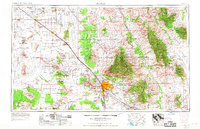 1956 Tucson1967 Print · USGSPost-war Southern Arizona comes into focus as the copper and aviation industries expand around Tucson. Trace family roots in South Tucson or locate early mining sites like the San Manuel Mine and Silver Bell Mine near the Santa Cruz River.3 unique versions available
 - 1957 Map of Tucson, 1958 Print
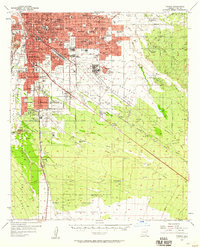 1957 Tucson1958 Print · USGSMid-century Tucson is shown during a period of rapid desert expansion and military growth. Genealogists and historians can trace family-named sites like Franco Ranch, local landmarks such as Sentinel Peak, and the development of Vandenberg Village.2 unique versions available
 - 1958 Map of Tucson
 1958 Tucson1958 Print · USGSSouthern Arizona in the late fifties reveals a landscape of desert agriculture and rising military aviation. Trace the rail lines of the Southern Pacific or locate the historic San Xavier Del Bac Mission and the Casa Grande Natl Mon.
 - 1959 Map of Tucson
 1959 Tucson1959 Print · USGSSouthern Arizona in the late fifties shows a landscape of military growth and desert industry. Genealogists and historians can trace the footprint of Davis-Monthan Air Force Base and old mining sites like the San Manuel Mine near Mammoth.2 unique versions available
 - 1962 Map of Tucson
 1962 Tucson1962 Print · USGSSouthern Arizona in the early sixties showcases a landscape defined by burgeoning desert cities and massive military installations. Researchers can trace tribal settlements like Schuchk, legacy mining sites at Silver Bell Mine, and the early footprint of Davis-Monthan Air Force Base.
 - 1964 Map of Tucson
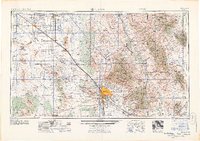 1964 Tucson1964 Print · USGSSouthern Arizona in the mid-1960s shows a landscape of burgeoning desert cities and industrial-scale copper mining. Researchers can trace the development of Tucson and its outlying mining districts, including the Silver Bell Mine and San Manuel Mine.
 - 1968 Map of Tucson SW, 1969 Print
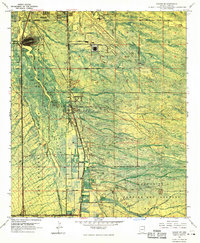 1968 Tucson SW1969 Print · USGSSouth of the Tucson city limits in the late sixties, this aerial survey captures the desert valley as it transitioned between traditional ranching and modern aviation. Genealogists and researchers can trace the limits of the San Xavier Indian Reservation and locate landmarks like Martinez Hill and the Tucson International Airport.3 unique versions available
 - 1983 Map of Tucson SW
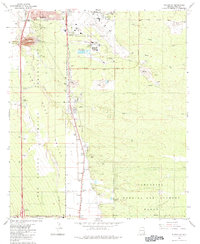 1983 Tucson SW1983 Print · USGSTucson's southern edge in the early eighties reveals a landscape of aviation, industry, and tribal lands. Researchers can trace the Southern Pacific line past Martinez Hill or locate the sprawling Sahuarita Bombing and Gunnery Range.
 - 1992 Map of Tucson SW, 1995 Print
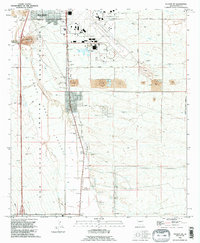 1992 Tucson SW1995 Print · USGSSouthern Arizona in the early 1990s reveals a unique intersection of tribal lands, aviation infrastructure, and industrial growth. Researchers can trace the development of the San Xavier Indian Reservation alongside landmarks like Martinez Hill and the Tucson International Airport.
 - 1994 Map of Tucson
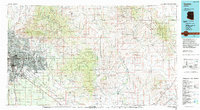 1994 Tucson1994 Print · USGSTucson and the Santa Cruz Valley appear here in the mid-1990s, caught between rapid urban growth and protected wilderness. Researchers can trace the development of Casas Adobes, the operations at Davis Monthan Air Force Base, and the rail lines of the Southern Pacific RR.2 unique versions available
 - 1996 Map of Tucson SW, 2002 Print
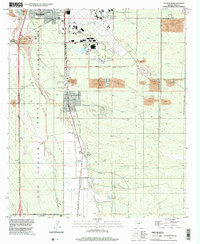 1996 Tucson SW2002 Print · USGSTucson's southern reaches in the mid-nineties reveal a landscape where industrial hubs meet the traditional lands of the San Xavier Indian Reservation. Genealogists and local historians can trace the foundations of the modern city through landmarks like Rancho De Martinez, Martinez Hill, and the early infrastructure of the Tucson International Airport.
 - 2011 Map of Tucson SW, 2011 Print
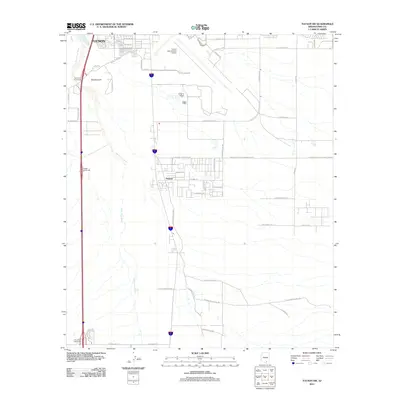 2011 Tucson SW2011 Print · USGSThe southern fringes of Tucson and the community of Summit are captured here during a period of modern expansion in the Sonoran Desert. Researchers can trace the path of the Santa Cruz River and explore local landmarks like Martinez Hill and Tucson International Airport.
 - 2014 Map of Tucson SW, 2014 Print
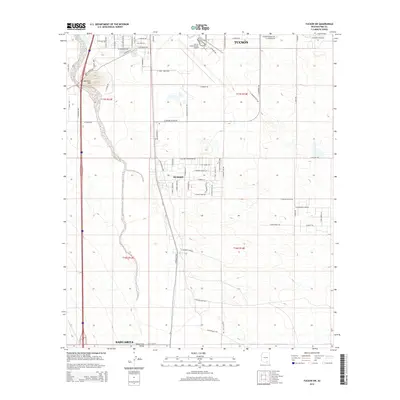 2014 Tucson SW2014 Print · USGSTucson and the Santa Cruz Valley are shown here in the early twenty-first century, featuring a landscape defined by aviation and water infrastructure. Genealogists and local historians can trace the growth of Summit and Sahuarita near the Tucson International Airport.
 - 2018 Map of Tucson SW, 2018 Print
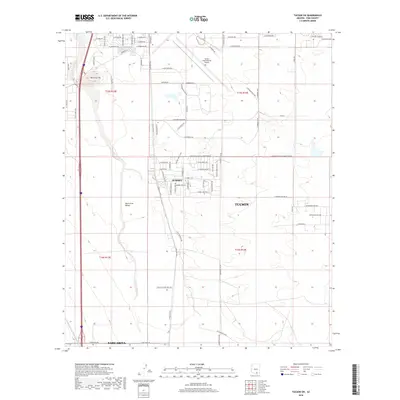 2018 Tucson SW2018 Print · USGSThe desert landscape south of Tucson comes into focus in this late 2010s survey, showing the expansion of aerospace infrastructure and suburban reach. Researchers can trace the path of the Santa Cruz River and locate the community of Summit near Martinez Hill.
 - 2021 Map of Tucson SW, 2021 Print
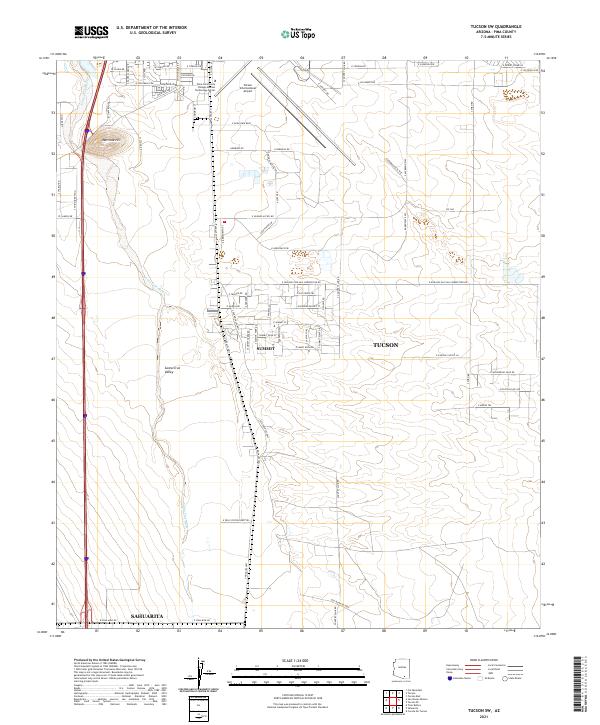 2021 Tucson SW2021 Print · USGSThe Santa Cruz Valley south of Tucson comes into sharp focus during this period of suburban and industrial expansion. Genealogists and local historians can trace modern property lines and infrastructure near Summit, the Tucson International Airport, and Martinez Hill.
 - 2026 Map of Tucson SW, 2026 Print
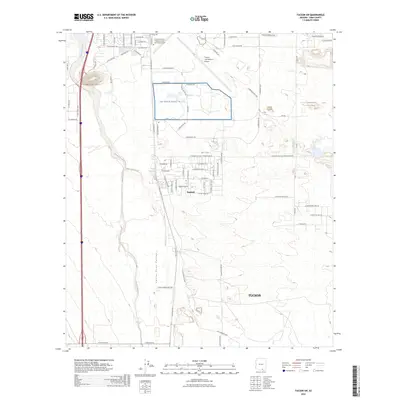 2026 Tucson SW2026 Print · USGSCovers Summit, including Tucson, Sahuarita, and other nearby areas
End of results
Showing maps 1-19 of 19
Top cities near Summit
- Tucson historical maps
- Sahuarita historical maps
- Corona de Tucson historical maps
- South Tucson historical maps
Frequently asked questions
- What are the different types of historical maps available for Summit?
- What is the oldest map of Summit?
- Where can I purchase historical maps of Summit for my home or office?
- Where can I download high-res historical maps of Summit?
- Are there historical topographic maps available for Summit?
- Is there historical aerial imagery available for Summit?
- Where are historical maps of Summit sourced from?