1960s Maps of Sif Oidak District, Arizona
Explore 14 historic maps of Sif Oidak District from the 1960s. These maps offer a rare glimpse into what life looked like during the 1960s — showing old roads, neighborhoods, homes, and landmarks that have changed or disappeared over time.
Whether you're researching your family's past, planning a metal detecting trip, or studying how Sif Oidak District's landscape evolved across the 1960s, these high-resolution maps are a powerful tool for exploring the history of this region.
- Focus on a specific era: All maps on this page are from the 1960s, giving you a focused view of this time period.
- See what’s changed: Compare century-old streets, trails, and buildings to today's modern landscape using overlays and satellite layers.
- Research with precision: Use these maps for genealogy, historical research, land use analysis, or educational projects.
- View, download, or print: Maps are fully viewable online in high resolution, and can be downloaded or printed for your own records.
Start exploring Sif Oidak District's history through authentic maps from the 1960s. This is your window into the past.
Sif Oidak District, AZ maps
(14)- 1962 Map of Ajo
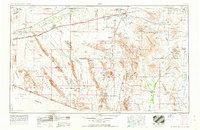 1962 Ajo1962 Print · USGSSouthern Arizona in the early sixties was a landscape of deep-desert mining, military airfields, and tribal lands. Researchers can trace the Cornelia Mine near Ajo, remote outposts like Trays Trading Post, and the path of the Devils Highway.
 - 1962 Map of Tucson
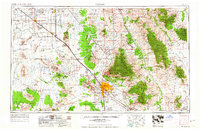 1962 Tucson1962 Print · USGSSouthern Arizona in the early sixties showcases a landscape defined by burgeoning desert cities and massive military installations. Researchers can trace tribal settlements like Schuchk, legacy mining sites at Silver Bell Mine, and the early footprint of Davis-Monthan Air Force Base.
 - 1963 Map of Ajo
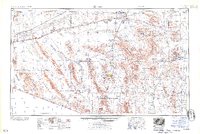 1963 Ajo1963 Print · USGSSouthwestern Arizona in the early sixties reveals a landscape of desert ranches and remote mining outposts. Trace the historic Southern Pacific line or locate isolated landmarks like O'Neils Grave and Tracy's Trading Post.
 - 1963 Map of Gu Achi, 1964 Print
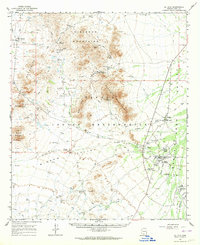 1963 Gu Achi1964 Print · USGSIn the early 1960s, the heart of the Papago Indian Reservation was a landscape of remote desert villages and high-mountain mines. Researchers can trace traditional settlements like Anegam and Ali Oidak, or locate mining sites such as the Oro Grande Mine and Montezona Mine.2 unique versions available
 - 1963 Map of Santa Rosa Mountains, 1964 Print
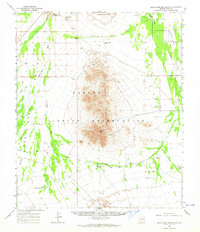 1963 Santa Rosa Mountains1964 Print · USGSThe Papago Indian Reservation is captured in the early sixties, showing a landscape defined by isolated wells and mountain peaks. Researchers can locate remote desert outposts such as Komelik and Hot Oidak or trace historic routes along Tat Momoli Wash.2 unique versions available
 - 1963 Map of Eloy, 1965 Print
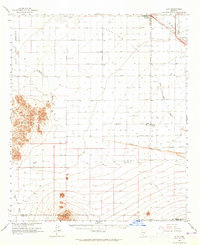 1963 Eloy1965 Print · USGSThe Santa Cruz Flats are captured here in the early 1960s, showing a landscape of desert irrigation and rail-side growth. Trace the development of Arizona City, the Southern Pacific rail line, and remote outposts like Friendly Corners.2 unique versions available
 - 1963 Map of Vekol Mountains, 1965 Print
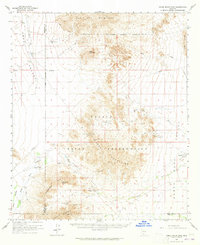 1963 Vekol Mountains1965 Print · USGSThe Papago Indian Reservation comes into focus during the early sixties, revealing a desert landscape where mining history and indigenous settlements overlap. Researchers can trace historic extraction at the Vekol Mine (Ruins) and Reward Mine, or locate small communities like Kohatk and Sif Vaya.2 unique versions available
 - 1963 Map of Antelope Peak, 1965 Print
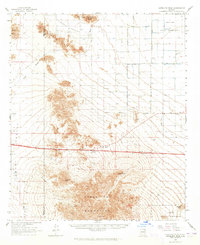 1963 Antelope Peak1965 Print · USGSThe Pinal and Maricopa County desert comes to life in the early sixties as new highways were being carved through the basin. Researchers can trace the development of Hidden Valley infrastructure, identifying prospects, a landing strip, and the prominent heights of Antelope Peak.4 unique versions available
 - 1963 Map of Silver Reef Mts, 1965 Print
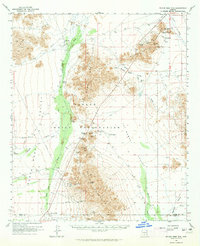 1963 Silver Reef Mts1965 Print · USGSThe Arizona desert of the early 1960s is captured here, showcasing the mining districts and tribal lands of Pinal County. Trace the historical footprints of the Magnesium Queen Mines, the remote settlement of Tat Momoli, and the Santa Rosa Trail through the Slate Mountains.2 unique versions available
 - 1964 Map of Tucson
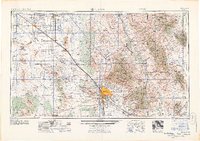 1964 Tucson1964 Print · USGSSouthern Arizona in the mid-1960s shows a landscape of burgeoning desert cities and industrial-scale copper mining. Researchers can trace the development of Tucson and its outlying mining districts, including the Silver Bell Mine and San Manuel Mine.
 - 1965 Map of Casa Grande Mts, 1966 Print
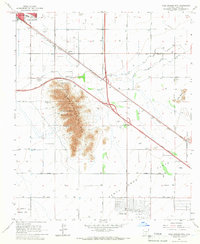 1965 Casa Grande Mts1966 Print · USGSMid-century Pinal County comes alive in this survey of the desert floor, where the Casa Grande Mts rise above developing agricultural lands. Researchers can locate the Mtn View Cem, trace the Southern Pacific line, and see the early layout of Arizona City.3 unique versions available
 - 1965 Map of Double Peak, 1966 Print
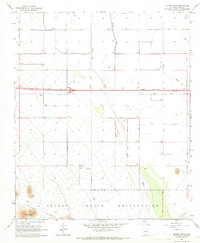 1965 Double Peak1966 Print · USGSPinal County's desert floor was undergoing significant transformation in the mid-sixties as new highways began to cut across the landscape. Researchers can trace early aviation at Potter Airfield, follow the Vaiva Hills into the Papago Indian Reservation, and locate numerous local landmarks like Double Peak.
 - 1965 Map of Chuichu, 1967 Print
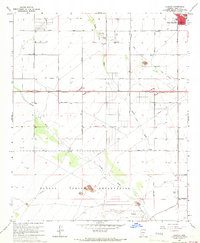 1965 Chuichu1967 Print · USGSThe Pinal County desert south of Casa Grande is captured here in the mid-sixties as agriculture and infrastructure expanded across the Papago Indian Reservation. Researchers can trace old family roads and landmarks like Chuichu, the South Sch, and the Casa Grande Canal.2 unique versions available
 - 1967 Map of Ajo
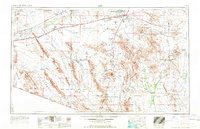 1967 Ajo1967 Print · USGSSouthern Arizona in the mid-1960s is depicted here as a landscape of military aviation and deep-desert ranching. Trace the historical mining operations at Vekol Mine or follow the Southern Pacific rail line through Gila Bend and Dateland.
End of results
Showing maps 1-14 of 14
Top cities near Sif Oidak District
Top neighborhoods of Sif Oidak District
- Kohatk historical maps
- Vaiva Vo historical maps
- Chiapuk historical maps
- Shopishk historical maps
- North Komelik historical maps
- Tat Momoli historical maps
See more
Frequently asked questions
- What are the different types of historical maps available for Sif Oidak District?
- What is the oldest map of Sif Oidak District?
- Where can I purchase historical maps of Sif Oidak District for my home or office?
- Where can I download high-res historical maps of Sif Oidak District?
- Are there historical topographic maps available for Sif Oidak District?
- Is there historical aerial imagery available for Sif Oidak District?
- Where are historical maps of Sif Oidak District sourced from?