Old Maps of Little Flock, Arkansas for Academic Research
Study the evolution of Little Flock with 31 high-resolution historic maps. Whether you're teaching, researching, or modeling changes in land use, these maps provide essential visual documentation of urban, environmental, and geographic change.
- Analyze long-term change: Track patterns in development, transportation, and natural features.
- Ideal for environmental or urban studies: Support academic projects with primary historical map data.
- Use in the classroom or lab: Educators and researchers rely on these maps to bring historical context to life.
These maps are a powerful tool for teaching, research, and visualizing how Little Flock has changed over the decades.
Little Flock, AR maps
(31)- 1899 Map of Fayetteville, 1954 Print
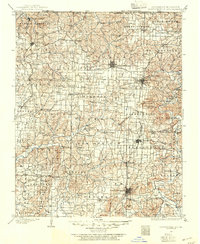 1899 Fayetteville1954 Print · USGSNorthwest Arkansas at the close of the nineteenth century was a land of expanding railroads and deep-rooted Civil War history. Genealogists and historians can trace the foundations of the Ozarks through landmarks like the Pea Ridge Battlefield, Rheas Mill, and the early rail stops at Avoca and Lowell.
 - 1901 Map of Fayetteville
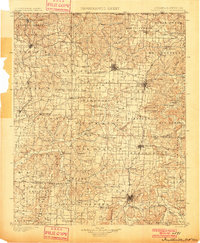 1901 Fayetteville1901 Print · USGSNorthwest Arkansas is seen here at the start of the twentieth century as railroads and trade began to reshape the Ozark foothills. Researchers can locate the Pea Ridge Battlefield and Elkhorn Tavern, or trace early industrial sites like Osage Mills and Rhea's Mill.4 unique versions available
 - 1904 Map of Fayetteville
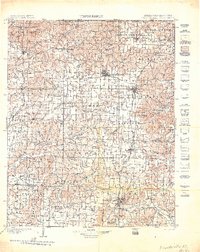 1904 Fayetteville1904 Print · USGSNorthwest Arkansas was a land of emerging railroads and Civil War memory at the turn of the century. Genealogists can locate family homesteads near Rhea's Mill, the Pea Ridge Battlefield, and early river crossings like Vanwinkle Ferry.
 - 1954 Map of Tulsa
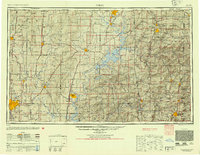 1954 Tulsa1954 Print · USGSNortheast Oklahoma and the Ozark border are shown here during a period of massive industrial and infrastructure growth. Researchers can trace the legacy of the Tri-State Mining District and the development of major reservoirs like Grand Lake O' The Cherokees.2 unique versions available
 - 1958 Map of Rogers, 1959 Print
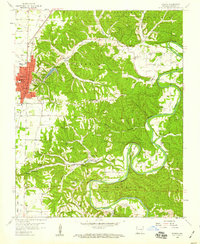 1958 Rogers1959 Print · USGSThe growing town of Rogers and the legendary resort at Monte Ne are captured here in the late fifties, just as the Ozark landscape began to modernize. Genealogists and researchers can trace family landmarks along the river bends, from Eden Ford and McElhaney Bluff to Prairie Creek Ch.4 unique versions available
 - 1958 Map of Pea Ridge, 1959 Print
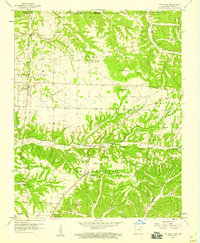 1958 Pea Ridge1959 Print · USGSBenton County, Arkansas, at the end of the 1950s reveals a rural landscape still anchored by its nineteenth-century history. Researchers can locate dozens of family burial sites and country churches, such as Buttrum Cem and Twelve Corners Ch, alongside the landmark Elkhorn Tavern.4 unique versions available
 - 1958 Map of Tulsa, 1968 Print
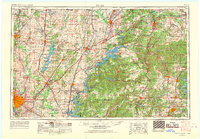 1958 Tulsa1968 Print · USGSNortheast Oklahoma and the Ozark borderlands are captured here during a massive era of reservoir construction and highway expansion. Researchers can trace the mid-century footprints of Tulsa, the sprawling Lake O' the Cherokees, and historical sites like Pea Ridge National Military Park.3 unique versions available
 - 1963 Map of Tulsa
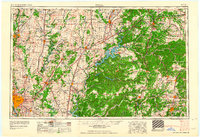 1963 Tulsa1963 Print · USGSThe Oklahoma and Arkansas borderlands are shown here in the early sixties, a time of massive reservoir construction and heavy mining. Genealogists can trace family roots through settlements like Nowata, Pryor, and Jay, or locate historical zinc and lead mines and coal mines.
 - 1970 Map of Bentonville South, 1972 Print
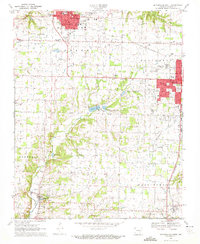 1970 Bentonville South1972 Print · USGSBentonville and Rogers were entering a period of significant regional growth when this survey was conducted. Researchers can trace mid-century development and family history through landmarks like Benton County Memorial Gardens, Dodson Cem, and the Minnow Farm.3 unique versions available
 - 1970 Map of Bentonville North, 1972 Print
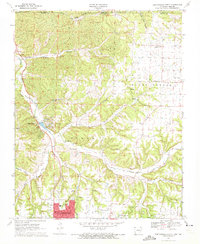 1970 Bentonville North1972 Print · USGSNorthwest Arkansas around the state line was beginning a period of rapid suburban growth in the early seventies. Genealogists and historians can trace the transition from rural hollows to established neighborhoods through sites like Wonderland Cave, Foster Cem, and Bella Vista.4 unique versions available
 - 1979 Map of Fayetteville, 1980 Print
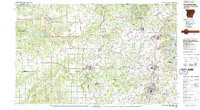 1979 Fayetteville1980 Print · USGSNorthwest Arkansas and the tristate corner show a booming corridor of rail-linked towns and highland forests in the late seventies. Researchers can trace historic landmarks like Pea Ridge National Military Park, the Frisco RR, and the University of Arkansas.2 unique versions available
 - 2011 Map of Bentonville South, 2011 Print
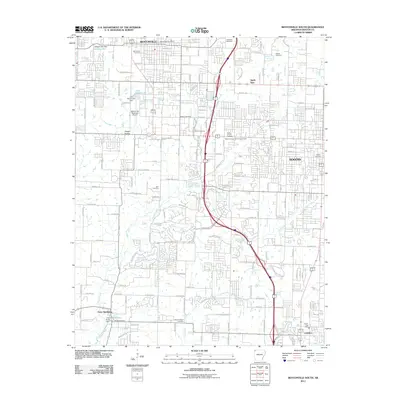 2011 Bentonville South2011 Print · USGSBentonville and Rogers are shown during a period of rapid suburban expansion in the early twenty-first century. Researchers can trace local history through numerous burial sites like Bland Cemetery and landmarks such as the Bentonville Municipal Airport.
 - 2011 Map of Rogers, 2011 Print
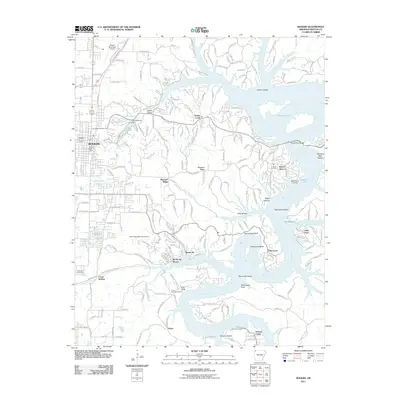 2011 Rogers2011 Print · USGSBenton County experiences rapid growth at the turn of the decade as the city of ROGERS expands toward the intricate shorelines of Beaver Lake. Researchers can trace local history through family burial grounds like McReynolds Cemetery or explore the resort heritage of Monte Ne.
 - 2011 Map of Pea Ridge, 2011 Print
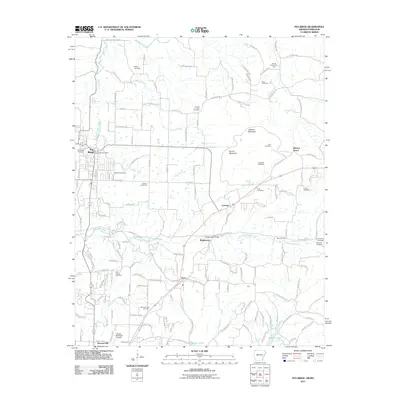 2011 Pea Ridge2011 Print · USGSPea Ridge and the northern Arkansas highlands are captured here in the early twenty-first century. Researchers can trace family history through a wealth of landmarks like Elkhorn Tavern, Twelve Corners Cemetery, and the Pea Ridge Battlefield.
 - 2011 Map of Bentonville North, 2011 Print
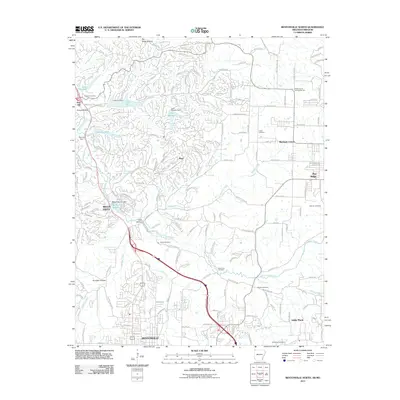 2011 Bentonville North2011 Print · USGSBentonville and Bella Vista were evolving into a region of master-planned communities and recreational lakes in the early 2000s. Genealogists and local historians can trace rural roots at Dug Hill Cemetery, Blackjack Corner, and the Shady Grove Community Hall.
 - 2014 Map of Bentonville North, 2014 Print
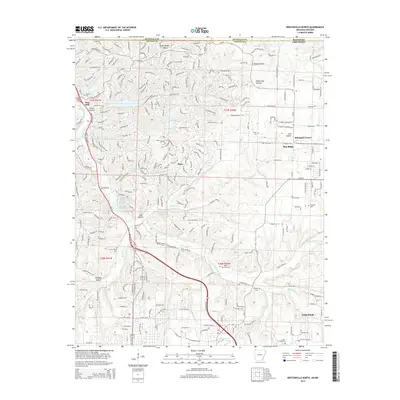 2014 Bentonville North2014 Print · USGSBenton County, Arkansas, appears in the early twenty-first century as a blend of growing residential communities and well-preserved rural landmarks. Local history researchers can trace old family sites and burial grounds such as Valley View Cem, Hickman Cem, and the settlement at Blackjack Corner.
 - 2014 Map of Rogers, 2014 Print
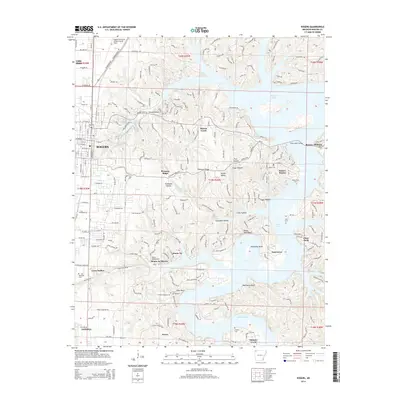 2014 Rogers2014 Print · USGSBenton County in the mid-2010s shows a landscape defined by the intersection of urban growth in ROGERS and the irregular shoreline of Beaver Lake. Genealogists and local historians can trace rural roots through Frisco Church and numerous small burial sites like McDaniel Cem and Stanley Cem.
 - 2014 Map of Pea Ridge, 2014 Print
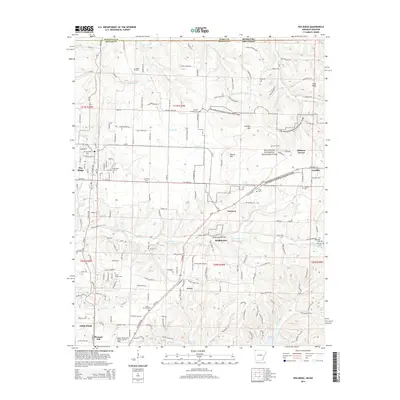 2014 Pea Ridge2014 Print · USGSBenton County and the Arkansas-Missouri border appear here in the early 21st century, centered on the preservation of a major Civil War battlefield. Genealogists and historians can trace numerous family burial sites like Pea Ridge Cemetery and Saint Vincents Cemetery or locate landmarks such as Elkhorn Tavern.
 - 2014 Map of Bentonville South, 2014 Print
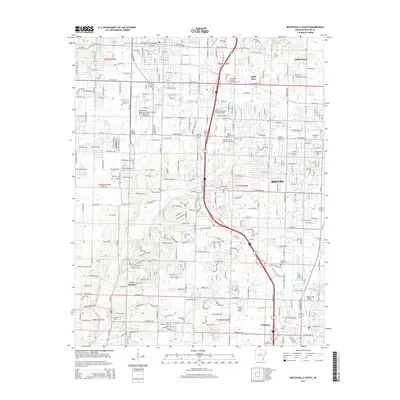 2014 Bentonville South2014 Print · USGSThe Northwest Arkansas corridor was seeing significant growth during the early twenty-first century, as shown in this detailed survey of the area. Trace the evolving landscape through numerous local landmarks like Goad Springs Cem, Elder Airstrip, and Monte Ne Valley.
 - 2017 Map of Rogers, 2017 Print
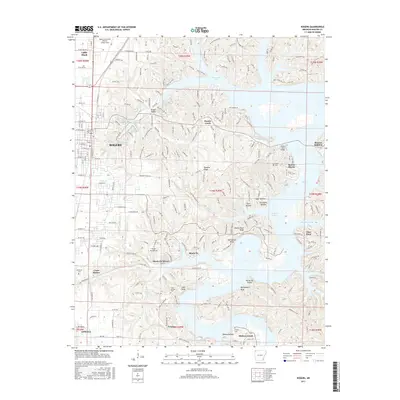 2017 Rogers2017 Print · USGSNorthwest Arkansas in the mid-2010s shows a landscape defined by the expansive Beaver Lake shoreline and the growth of Rogers. Local historians can trace lakefront developments like Monte Ne Shores alongside historic sites like Monte Ne and McDaniel Cem.
 - 2017 Map of Bentonville North, 2017 Print
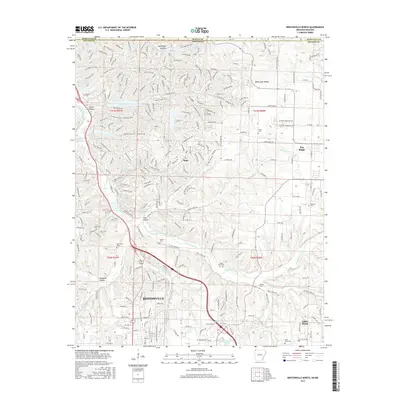 2017 Bentonville North2017 Print · USGSBentonville and the surrounding Ozark foothills are shown here during a period of rapid residential and recreational growth. Genealogists and local historians can trace family land and community anchors like Oakes Cem, Foster Cem, and the waters of Little Sugar Creek.
 - 2017 Map of Pea Ridge, 2017 Print
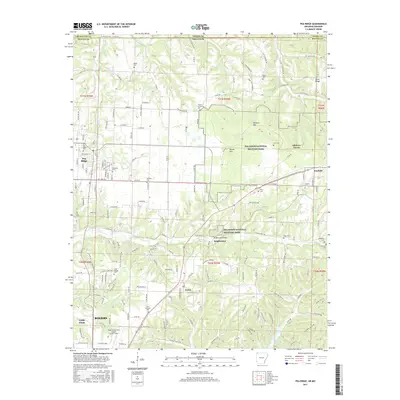 2017 Pea Ridge2017 Print · USGSBenton County's storied landscape appears in this detailed modern record of the Missouri-Arkansas border. Genealogists and historians can trace family ties at Buttram Cem and Tucks Chapel, or explore the Civil War terrain of Elkhorn Tavern.
 - 2017 Map of Bentonville South, 2017 Print
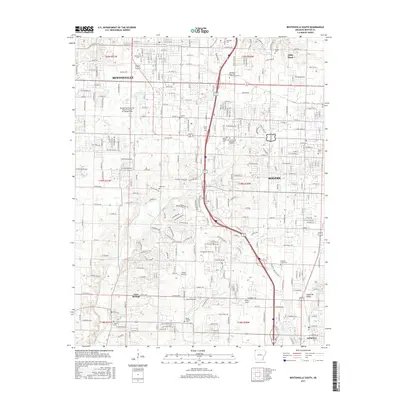 2017 Bentonville South2017 Print · USGSBentonville and Rogers are shown during a period of significant growth and suburban integration in the late 2010s. Researchers can locate family heritage sites at the Bentonville Cem or trace aviation history at Louise M Thaden Field.
 - 2020 Map of Bentonville South, 2020 Print
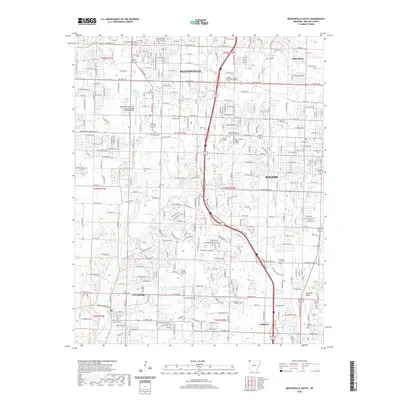 2020 Bentonville South2020 Print · USGSBentonville and Rogers are shown in a period of significant growth during the early twenty-first century. Genealogists and local historians can trace legacy sites like the Benton County Courthouse, Oakley Chapel Cem, and Dodson Cem.
 - 2020 Map of Rogers, 2020 Print
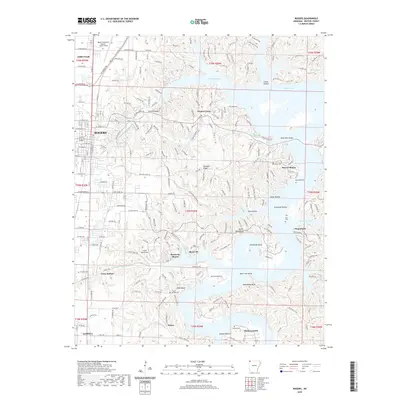 2020 Rogers2020 Print · USGSBenton County undergoes a period of significant suburban growth and lakeside development during the early twenty-first century. Researchers can trace historical sites like Monte Ne or locate family burial grounds at Ozark Cem and Frisco Springs Cem.
Showing maps 1-25 of 31
Top cities near Little Flock
- Springdale historical maps
- Rogers historical maps
- Bentonville historical maps
- Bella Vista historical maps
- Centerton historical maps
- Lowell historical maps
See more
Frequently asked questions
- What are the different types of historical maps available for Little Flock?
- What is the oldest map of Little Flock?
- Where can I purchase historical maps of Little Flock for my home or office?
- Where can I download high-res historical maps of Little Flock?
- Are there historical topographic maps available for Little Flock?
- Is there historical aerial imagery available for Little Flock?
- Where are historical maps of Little Flock sourced from?