Old Maps of Pine Bluff, Arkansas for Hiking & Exploration
Hike through history with 40 historic maps of Pine Bluff. Explore old trails, ghost towns, and forgotten backroads — perfect for outdoor adventurers and local explorers.
- Rediscover forgotten places: Map out old mining camps, roads, and footpaths that no longer exist on modern maps.
- Layer with modern tools: Combine with LiDAR or satellite views to plan hikes through historical terrain.
- Made for exploration: Popular among hikers, overlanders, and local history lovers.
Use these maps to find adventure and explore the hidden past of Pine Bluff.
Pine Bluff, AR maps
(40)- 1932 Map of Pastoria, 1965 Print
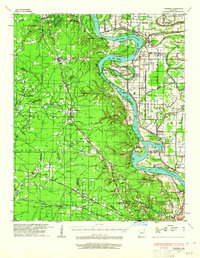 1932 Pastoria1965 Print · USGSThe Arkansas River valley comes alive in the mid-1930s, showing a landscape defined by deep river bends and rural institutional life. Genealogists can trace family roots through numerous sites like Haywood College, Pastoria Ch & Cem, and the State Penal Farm.2 unique versions available
 - 1935 Map of Altheimer
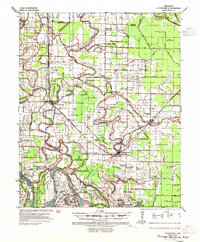 1935 Altheimer1935 Print · USGSJefferson County in the mid-1930s is a landscape of complex waterways and growing rail towns along the St. Louis Southwestern line. Genealogists can trace family roots through numerous sites like St Lukes Ch & Cem, Barrett High Sch, and the Penal Farm.2 unique versions available
 - 1935 Map of Pastoria, 1937 Print
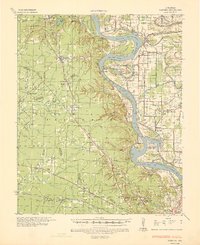 1935 Pastoria1937 Print · USGSJefferson County's riverfront landscape in the mid-1930s shows a complex network of bayous, schools, and small post offices. Researchers can trace family history at Haywood College, locate the State Penal Farm, or find long-standing community landmarks like Morris Chapel Sch & Ch.2 unique versions available
 - 1935 Map of Noble Lake, 1939 Print
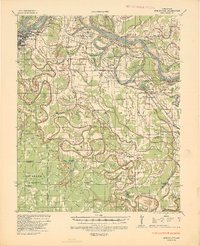 1935 Noble Lake1939 Print · USGSSoutheast of Pine Bluff in the mid-1930s, the Arkansas River delta was a landscape of fertile bottomlands and vital rail connections. Genealogists can trace rural life through dozens of local landmarks like New Gascony, Yorktown, and Sweet Home Ch.3 unique versions available
 - 1948 Map of Helena
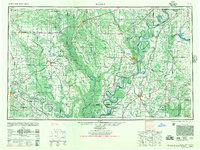 1948 Helena1948 Print · USGSEastern Arkansas and the Mississippi Delta are captured here just after the war, showing a landscape defined by its great rivers and rail lines. Genealogists can trace family locations near Bemis Plantation, Helena, and smaller rail stops like Wheatley and Moro.
 - 1950 Map of Helena
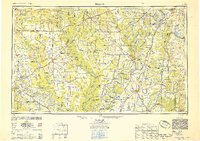 1950 Helena1950 Print · USGSMid-century Phillips County and the surrounding Delta region are shown at a peak of rail and river commerce. Genealogists and historians can trace family locations through numerous rural communities like Old Austin, Cotton Plant, and West Helena, or follow the routes of the Missouri Pacific RR across Grand Prairie.2 unique versions available
 - 1955 Map of Helena, 1967 Print
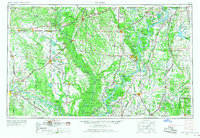 1955 Helena1967 Print · USGSThe Arkansas Delta and Mississippi floodplains are captured here in the mid-fifties, during a period of expanding flood control and rail commerce. Researchers can trace the extensive Chicago Rock Island and Pacific RR lines and locate sites like the Arkansas State College Experimental Rice Farm or Friars Point.2 unique versions available
 - 1955 Map of Little Rock, 1978 Print
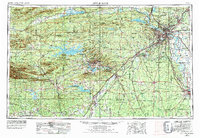 1955 Little Rock1978 Print · USGSCentral Arkansas in the mid-fifties exhibits a landscape of growing cities, massive military installations, and mountain reservoirs. Genealogists and historians can trace the industrial Bauxite Mines, regional rail lines, and local landmarks like Antioch Church.
 - 1956 Map of Little Rock
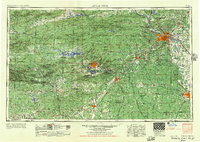 1956 Little Rock1956 Print · USGSCentral Arkansas in the mid-fifties shows a landscape defined by burgeoning military bases and the timber-and-mineral wealth of the Ouachitas. Genealogists and researchers can trace old rail lines like the Missouri Pacific and find established communities such as Bauxite, Sheridan, and Mabelvale.
 - 1959 Map of Helena
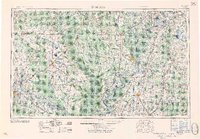 1959 Helena1959 Print · USGSThe Arkansas and Mississippi Delta regions are captured here in the late fifties, showing a landscape defined by the Mississippi River and the Grand Prairie. Genealogists and researchers can trace the rail networks of the Illinois Central RR and locate community landmarks like Helena and the White River National Wildlife Refuge.
 - 1960 Map of Little Rock
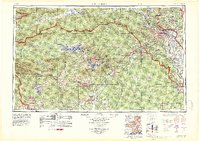 1960 Little Rock1960 Print · USGSCentral Arkansas in the late fifties shows a landscape of growing military bases and massive new reservoirs. Local historians can trace the mid-century expansion of Little Rock and Hot Springs alongside the industrial works at Bauxite and the Pine Bluff Arsenal.
 - 1960 Map of Helena
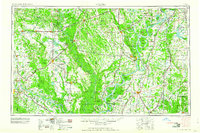 1960 Helena1960 Print · USGSThe Arkansas and Mississippi Delta regions meet along the great river bends during a period of significant agricultural and rail expansion. Genealogists and historians can trace the paths of the Missouri Pacific railroad through Clarendon or locate landings along the Mississippi River and White River.
 - 1962 Map of Pine Bluff, 1963 Print
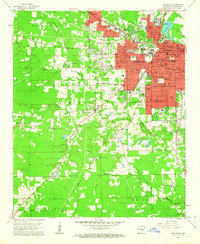 1962 Pine Bluff1963 Print · USGSPine Bluff at the start of the sixties reveals a growing urban center still deeply tied to its bayou landscape and rail lines. Researchers can find numerous local institutions like Merrill High Sch, the Arkansas Industrial Sch, and several old burial grounds including Graceland Cemetery.4 unique versions available
 - 1964 Map of Little Rock
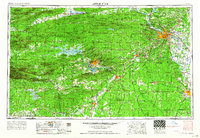 1964 Little Rock1964 Print · USGSCentral Arkansas in the mid-sixties is a landscape of mountain ridges, industrial rail lines, and growing military hubs. Researchers can trace the development of Bauxite and Hot Springs or locate rural landmarks like Sparkman and the Pine Bluff Arsenal.
 - 1964 Map of Rob Roy, 1965 Print
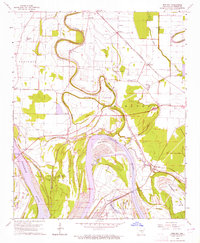 1964 Rob Roy1965 Print · USGSThe Arkansas River delta in the early sixties is captured here in detail, showcasing a region of deep bayous and river-bottom plantations. Researchers can trace family roots through numerous local landmarks like Rob Roy, St Lukes Ch, and the Jefferson County Free Bridge.2 unique versions available
 - 1964 Map of Ladd, 1965 Print
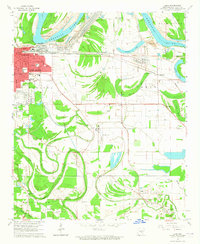 1964 Ladd1965 Print · USGSSoutheast Pine Bluff and the Arkansas River bottomlands are captured here in the mid-sixties, showing the region's complex network of levees and bayous. Researchers can locate family cemeteries like Smith Chapel Cem and rural points such as Lakeside Chapel and Grider Field.3 unique versions available
 - 1970 Map of White Hall, 1972 Print
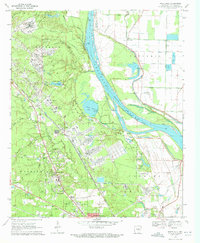 1970 White Hall1972 Print · USGSJefferson County in the early seventies shows a landscape shaped by the river and the massive Pine Bluff Arsenal. Genealogists and historians can trace family locations near Plainview Sch, Morris Chapel, and the riverfront settlement at Pastoria.6 unique versions available
 - 1978 Map of Noble Lake
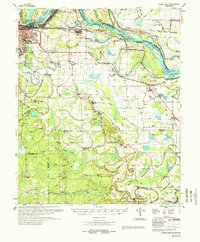 1978 Noble Lake1978 Print · USGSSoutheast of Pine Bluff in the late seventies, this survey captures the transition from river-bend industry to the rural bayou country. Researchers can trace family history through numerous country churches and burial grounds like Macedonia Cem Ch, Smith Chapel Cem., and Hunters Cem.
 - 1985 Map of Malvern
 1985 Malvern1985 Print · USGSCentral Arkansas in the mid-eighties shows a landscape of timberlands and river valleys anchored by the industrial hubs of Malvern and Pine Bluff. Genealogists can locate family landmarks and rural institutions like Social Hill Sch, Magnet Cove, and Pine Bluff Arsenal.2 unique versions available
 - 1986 Map of De Witt
 1986 De Witt1986 Print · USGSThe Arkansas Delta in the mid-1980s was a landscape defined by massive river locks, state prison farms, and the rail-side grain towns of Arkansas County. Researchers can trace the path of the St Louis Southwestern Railway through settlements like De Witt, Altheimer, and Humphrey.2 unique versions available
 - 2011 Map of White Hall, 2011 Print
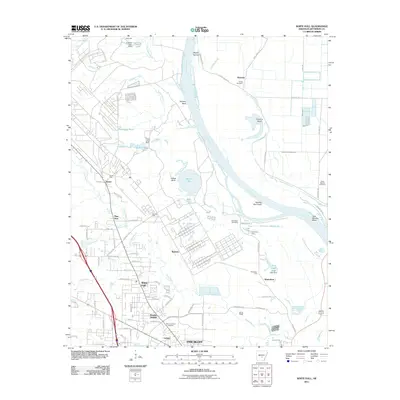 2011 White Hall2011 Print · USGSThe riverfront and growing communities north of Pine Bluff are captured here in the early twenty-first century. Researchers can locate local landmarks like Memorial Park Cemetery, Henslee Heights, and the riverside bluffs at Tripletts Bluff.
 - 2011 Map of Pine Bluff, 2011 Print
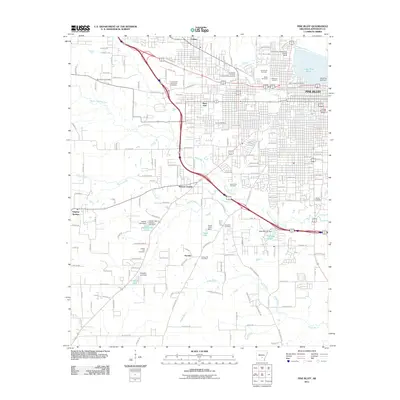 2011 Pine Bluff2011 Print · USGSPine Bluff and its southern environs appear here in the early 2000s, showing a landscape defined by collegiate growth and winding bayous. Genealogists can trace family sites across Graceland Cemetery, Mount Olive Cemetery, and settlements like Watson Chapel.
 - 2011 Map of Ladd, 2011 Print
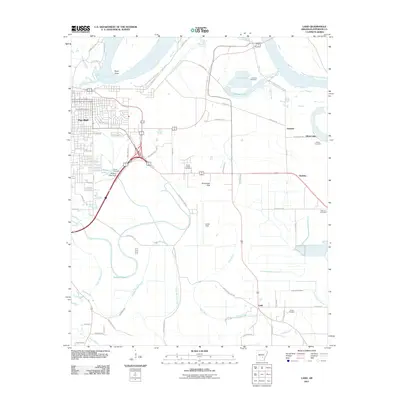 2011 Ladd2011 Print · USGSPine Bluff and the Arkansas River bottomlands are captured here in the early twenty-first century as urban growth meets the delta's bayous. Trace family roots and land patterns at Grider Field, Smith Chapel Cemetery, and the historic Frenchtown-Auburn Levy.
 - 2011 Map of Rob Roy, 2011 Print
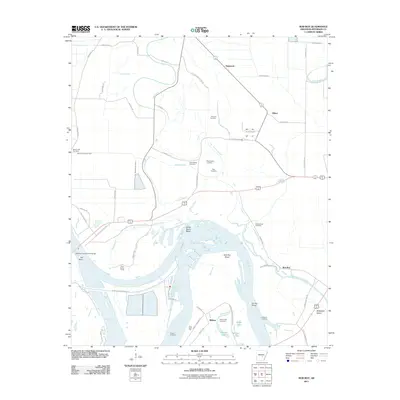 2011 Rob Roy2011 Print · USGSThe riverfront and farming communities of Jefferson County are captured here in the early twenty-first century as the Arkansas River defines the local geography. Family historians can trace rural roots through Saint Marys Cemetery, Thomas Cemetery, and the riverside settlement of Rob Roy.
 - 2014 Map of Ladd, 2014 Print
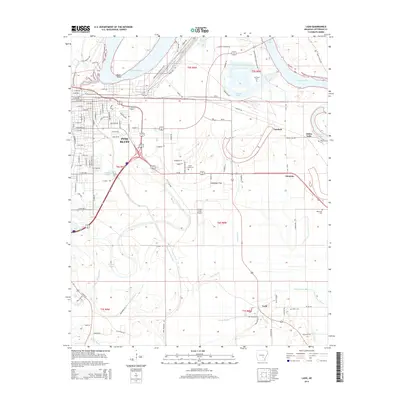 2014 Ladd2014 Print · USGSPine Bluff's southeastern expansion meets the Arkansas Delta in the mid-2010s, revealing a landscape defined by meandering bayous and small rural hamlets. Family historians can trace local roots through numerous sites like Fairfield Cem, Smith Chapel Cem, and the old community of Ladd.
Showing maps 1-25 of 40
Top cities near Pine Bluff
- White Hall historical maps
- Redfield historical maps
- Altheimer historical maps
- Rison historical maps
- Wabbaseka historical maps
- Sherrill historical maps
Top neighborhoods of Pine Bluff
Frequently asked questions
- What are the different types of historical maps available for Pine Bluff?
- What is the oldest map of Pine Bluff?
- Where can I purchase historical maps of Pine Bluff for my home or office?
- Where can I download high-res historical maps of Pine Bluff?
- Are there historical topographic maps available for Pine Bluff?
- Is there historical aerial imagery available for Pine Bluff?
- Where are historical maps of Pine Bluff sourced from?