Old Maps of Ambrose, California for Academic Research
Study the evolution of Ambrose with 14 high-resolution historic maps. Whether you're teaching, researching, or modeling changes in land use, these maps provide essential visual documentation of urban, environmental, and geographic change.
- Analyze long-term change: Track patterns in development, transportation, and natural features.
- Ideal for environmental or urban studies: Support academic projects with primary historical map data.
- Use in the classroom or lab: Educators and researchers rely on these maps to bring historical context to life.
These maps are a powerful tool for teaching, research, and visualizing how Ambrose has changed over the decades.
Ambrose, CA maps
(14)- 1886 Map of Alturas
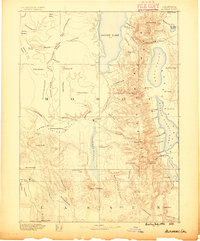 1886 Alturas1886 Print · USGSNortheastern California at the close of the nineteenth century was a territory of high-desert basins and isolated outposts. Researchers can trace early township developments and strategic sites like Fort Bidwell, the remote Old Indian Villages, and the mining camp at Hayden Hill.
 - 1892 Map of Alturas
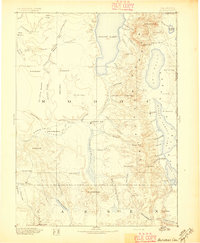 1892 Alturas1892 Print · USGSNortheastern California at the close of the nineteenth century reveals a landscape of high-desert outposts and military history. Genealogists and historians can trace the early foundations of Fort Bidwell, Cedarville, and the remote Old Indian Villages near the Pit River.7 unique versions available
 - 1954 Map of Alturas, 1968 Print
 1954 Alturas1968 Print · USGSThe Modoc Plateau and Surprise Valley appear in the mid-1950s as a landscape of remote ranching towns and vast wildlife refuges. Researchers can trace early settlements like Fort Bidwell, locate the McArthur Grain Elevator, and follow the Southern Pacific rail lines.4 unique versions available
 - 1958 Map of Alturas
 1958 Alturas1958 Print · USGSThe Modoc Plateau and Warner Mountains appear here during the late fifties, showcasing a landscape of high-desert ranching and volcanic terrain. Researchers can trace the rail-and-water economy through Alturas, Cedarville, and the Fort Bidwell Indian Res.2 unique versions available
 - 1962 Map of Alturas
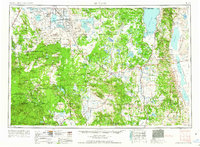 1962 Alturas1962 Print · USGSThe high desert of Modoc and Siskiyou counties is shown in the early sixties as a hub of timber, rail, and agriculture. Genealogists and historians can trace rail-side life via the Southern Pacific RR, the Tionesta PO, and the McArthur Grain Elevator.
 - 1962 Map of Jacks Butte, 1964 Print
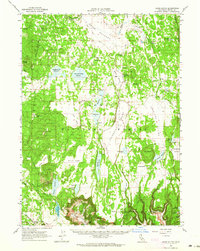 1962 Jacks Butte1964 Print · USGSThe high country of the Modoc National Forest in the early 1960s was a landscape defined by livestock ranching and rail. Trace family ranching operations like Round Valley Ranch and the remote settlement at Ambrose along the Southern Pacific line.2 unique versions available
 - 1965 Map of Alturas
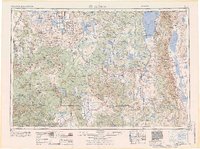 1965 Alturas1965 Print · USGSNortheastern California and southern Oregon appear in this mid-century survey of the high plateau and volcanic highlands. Researchers can trace the path of the Southern Pacific railroad through Alturas or locate rural outposts like Stronghold and Eagleville.
 - 1983 Map of Cedarville
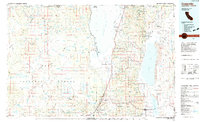 1983 Cedarville1983 Print · USGSNortheastern California at the turn of the 1980s reveals a landscape of high-altitude basins and remote mountain ranges. Researchers can trace historic mining operations at Yellow Jacket Mines, locate the XL Ranch Indian Reservation, and follow the Southern Pacific line through Willow Ranch.2 unique versions available
 - 1990 Map of Ambrose
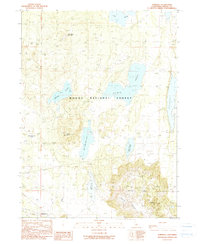 1990 Ambrose1990 Print · USGSNortheastern California’s high plateau is captured here in the late twentieth century, showing a remote landscape shaped by the Modoc National Forest. Researchers can trace the water-management history of the region via Williams Reservoir, Bucher Swamp, and the small settlement of Ambrose.
 - 1993 Map of Ambrose, 1996 Print
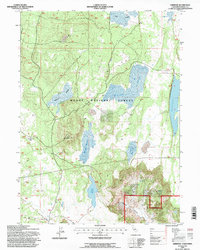 1993 Ambrose1996 Print · USGSNorthern California high country in the early nineties reveals a landscape of forest management and range cattle history. Trace family ties to Ambrose or explore the network of mountain basins including Williams Reservoir and Bucher Swamp.
 - 2012 Map of Ambrose, 2012 Print
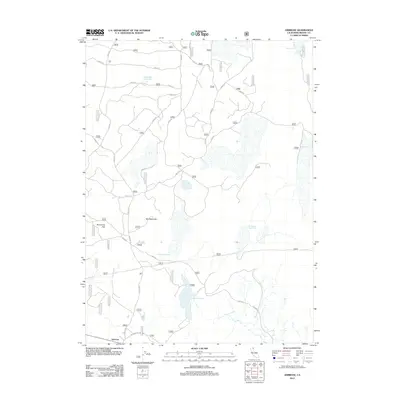 2012 Ambrose2012 Print · USGSThe ranching and timber country of Modoc County is captured here in the early twenty-first century. Researchers can trace land-use patterns through features like Ambrose, the rise of Rail Mountain, and water sources like Six-Shooter Stock Tank.
 - 2015 Map of Ambrose, 2015 Print
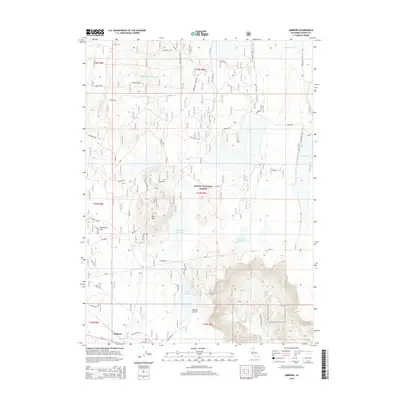 2015 Ambrose2015 Print · USGSAmbrose and the surrounding Modoc County highlands are captured here in a period of quiet ranching and forest management. Researchers can trace historic access routes like Old Loveness Rd and locate essential water features such as Browns Well and Williams Reservoir.
 - 2018 Map of Ambrose, 2018 Print
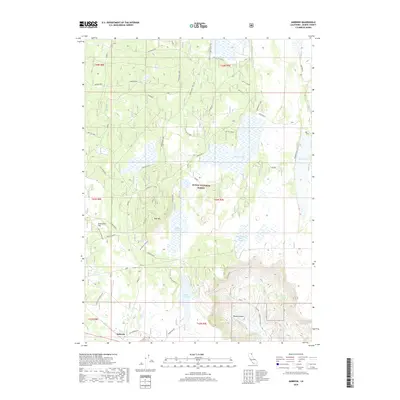 2018 Ambrose2018 Print · USGSAmbrose and the surrounding Modoc County highlands appear here during the late twenty-first century, showing a remote landscape managed for forestry and grazing. Researchers can trace old routes like Old Loveness Rd and find water sources like Williams Reservoir and Duncan Reservoir.
 - 2022 Map of Ambrose, 2022 Print
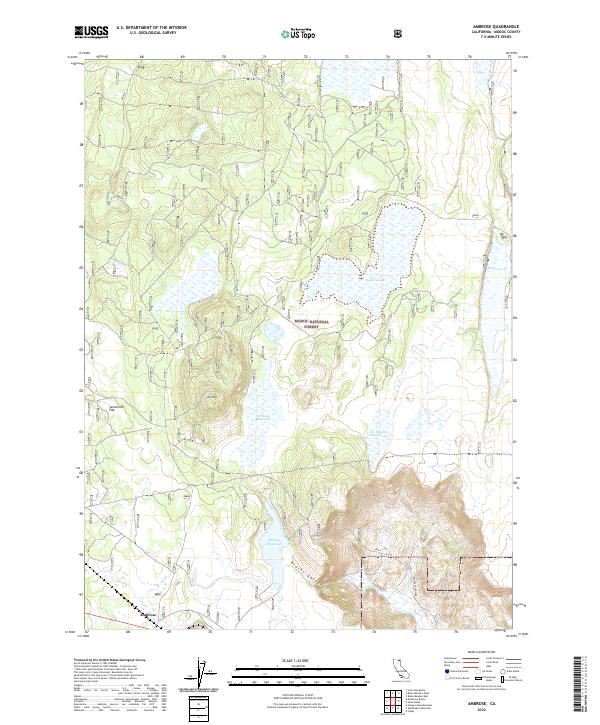 2022 Ambrose2022 Print · USGSHigh-altitude grazing lands and timber stands define this corner of the Modoc plateau in the early 2020s. Genealogists and researchers can trace local routes like Blacks Canyon Rd to the settlement at Ambrose or locate landmarks like Rail Mtn and Bucher Swamp.
End of results
Showing maps 1-14 of 14
Frequently asked questions
- What are the different types of historical maps available for Ambrose?
- What is the oldest map of Ambrose?
- Where can I purchase historical maps of Ambrose for my home or office?
- Where can I download high-res historical maps of Ambrose?
- Are there historical topographic maps available for Ambrose?
- Is there historical aerial imagery available for Ambrose?
- Where are historical maps of Ambrose sourced from?