Old Maps of Mecca, California for Metal Detecting
Plan your next treasure hunt with 31 historic maps of Mecca. Find old homesites, ghost towns, trails, and gathering spots that may be lost to time — perfect for identifying promising metal detecting locations.
- Locate forgotten sites: Uncover places like long-lost settlements, abandoned rail lines, or gathering spots.
- Plan better hunts: Use map overlays combined with LiDAR or satellite views to narrow in on historically rich areas.
- Made for detectorists: Thousands of hobbyists use these maps to discover relics, coins, and hidden history.
Use these historic maps to boost your research and find new opportunities beneath the surface of Mecca.
Mecca, CA maps
(31)- 1904 Map of Indio
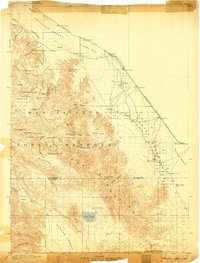 1904 Indio1904 Print · USGSThe Conchilla Desert and San Jacinto Mountains appear here at the turn of the century as the Southern Pacific rail corridor began to transform the valley. Trace early settlements and tribal lands like Cabezon Indian Res., Figtree John, and the Asbestos Mine.7 unique versions available
 - 1940 Map of Cottonwood Spring, 1956 Print
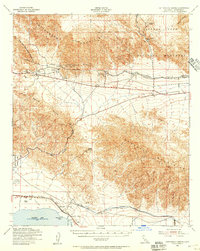 1940 Cottonwood Spring1956 Print · USGSRiverside County in the early 1940s reveals a desert landscape in transition as massive water projects like the Colorado River Aqueduct and Coachella Canal take shape. Genealogists and historians can trace rail-side stops like Mortmar and Desert Camp near the Salton Sea shore.
 - 1941 Map of Coachella, 1956 Print
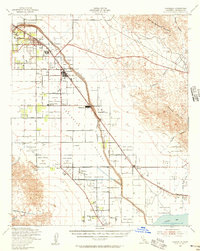 1941 Coachella1956 Print · USGSRiverside County at the dawn of the 1940s reveals a desert landscape undergoing a profound transformation through irrigation and rail. Genealogists and historians can trace family-named landmarks and tribal boundaries near Indio, Mecca, and the Coachella Valley High Sch.2 unique versions available
 - 1943 Map of Coachella, 1944 Print
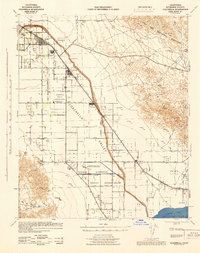 1943 Coachella1944 Print · USGSThe Coachella Valley was a developing desert agricultural corridor in the early 1940s, centered on the railroad and tribal lands. Researchers can locate early schools like Ensign School, tribal sites including the Torres Martinez Indian Reservation Headquarters, and the shoreline of the Salton Sea.
 - 1944 Map of Cottonwood Spring
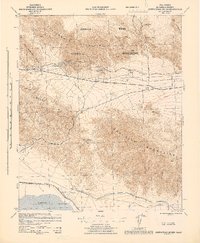 1944 Cottonwood Spring1944 Print · USGSThe Colorado Desert in the mid-1940s is captured here, showing the early development of the Salton Sea shoreline. Trace the path of the Coachella Canal or locate desert landmarks like Cottonwood Spring and Cactus City.
 - 1947 Map of Santa Ana, 1949 Print
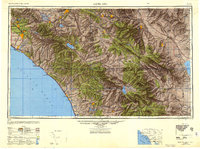 1947 Santa Ana1949 Print · USGSSouthern California is depicted here in the late forties, showing the expansion of the Inland Empire and the Orange County coast. Researchers can trace the early layout of Palm Springs or locate long-standing tribal lands like the Pala Indian Reservation and Rincon Indian Res.
 - 1949 Map of Santa Ana
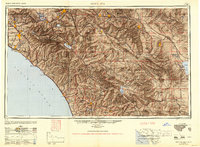 1949 Santa Ana1949 Print · USGSSouthern California underwent a profound transformation in the late 1940s as military installations and citrus groves shared the landscape. Researchers can trace early coastal growth at Laguna Beach, military history at Camp Pendleton, and the rail corridors of the Pacific Electric.
 - 1954 Map of Salton Sea
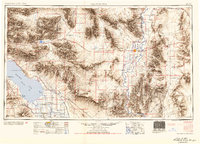 1954 Salton Sea1954 Print · USGSThe Colorado River and Imperial Valley desert frontiers are captured here in the 1950s. Trace the irrigation networks of Calipatria and mining sites like Eagle Mountain Mine.
 - 1955 Map of Salton Sea
 1955 Salton Sea1955 Print · USGSThe Colorado River and Imperial Valley desert basins appear here during the mid-fifties, revealing a landscape of remote mines and agricultural irrigation. Genealogists and researchers can trace locations like the Parker Alien Reception Center Unit No 1, Blythe, and the Kane Springs School.2 unique versions available
 - 1955 Map of Mecca, 1957 Print
 1955 Mecca1957 Print · USGSThe northern reaches of the Salton Sea come into focus during the mid-1950s as irrigation transformed this desert basin. Researchers can trace the layout of Mecca and the rail siding at Caleb, or locate family lands within the Torres Martinez Indian Reservation.4 unique versions available
 - 1956 Map of Santa Ana
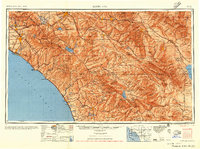 1956 Santa Ana1956 Print · USGSSouthern California underwent massive mid-century transformation as suburban growth met major military and water projects. Trace the postwar expansion of Santa Ana and Riverside, the layout of Camp Pendleton, and the path of the Colorado River Aqueduct.
 - 1956 Map of Coachella, 1961 Print
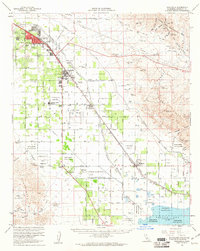 1956 Coachella1961 Print · USGSThe lower Coachella Valley thrived as a mid-century agricultural powerhouse before the modern resort era fully took hold. Genealogists and historians can trace the foundations of local communities through landmarks like the Coachella Valley Cem, the Thermal Airport, and the Early Indian Fish Traps Petroglyphs.2 unique versions available
 - 1958 Map of Mortmar, 1959 Print
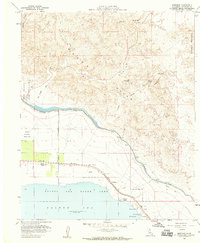 1958 Mortmar1959 Print · USGSThe Colorado Desert shoreline in the late fifties shows a landscape defined by critical water works and desert transit. Trace the early layout of Desert Beach and Mortmar along the Southern Pacific tracks or locate remote spots like Sheep Hole Oasis and The Grotto.3 unique versions available
 - 1958 Map of Cottonwood Spring, 1959 Print
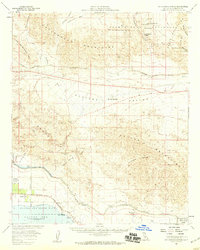 1958 Cottonwood Spring1959 Print · USGSRiverside County’s desert landscape is shown here in the late fifties as water infrastructure reshaped the valley. Trace the early growth of Cactus City, the path of the Coachella Canal, and historic mining sites like the Mastodon Mine.3 unique versions available
 - 1959 Map of Salton Sea, 1968 Print
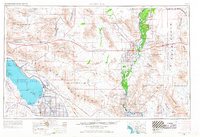 1959 Salton Sea1968 Print · USGSThe Colorado River and Salton Sea basin are shown here during a decade of intense military and agricultural activity. Trace family roots in Blythe or Niland, and locate historical mining operations like the Eagle Mountain Mine and Red Cloud Mine.4 unique versions available
 - 1959 Map of Santa Ana, 1971 Print
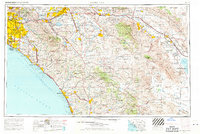 1959 Santa Ana1971 Print · USGSSouthern California is captured in a decade of transformation, from the Orange County coast to the desert floor. Researchers can trace the mid-century footprints of Camp Pendleton, March Air Force Base, and the original Ortega Highway.3 unique versions available
 - 1960 Map of Santa Ana
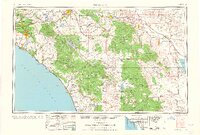 1960 Santa Ana1960 Print · USGSSouthern California's coastal plains and inland deserts meet in this mid-century survey of the burgeoning Orange and Riverside county corridors. Researchers can trace the layout of early freeway systems, find tribal lands like the Soboba Indian Reservation, and locate military landmarks such as March Field.2 unique versions available
 - 1963 Map of Salton Sea
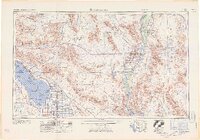 1963 Salton Sea1963 Print · USGSThe Colorado Desert during the early sixties shows a landscape defined by massive water projects and Cold War military ranges. Trace the growth of Salton City and Brawley, or locate remote desert outposts like the Paymaster Mine and Desert Center.
 - 1965 Map of Santa Ana
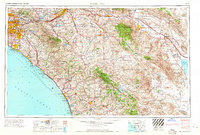 1965 Santa Ana1965 Print · USGSSouthern California is captured in a decade of rapid growth, showing the coastal expansion from Santa Ana down to Oceanside. Genealogists and historians can trace the mid-century development of places like Garden Grove or the rural reaches of Escondido and the Palomar Observatory.
 - 1965 Map of Salton Sea
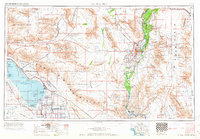 1965 Salton Sea1965 Print · USGSThe Colorado Desert and Imperial Valley are caught in a period of intense irrigation and military expansion during the mid-sixties. Researchers can trace the desert's industrial footprint through the Eagle Mountain Mine, the remote Desert Center, and the Salton Sea Test Base.
 - 1984 Map of Palm Springs, 1986 Print
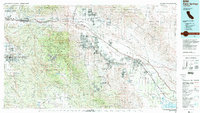 1984 Palm Springs1986 Print · USGSRiverside County’s desert resorts and valley agriculture are captured here in the mid-eighties as modern development expanded across the Coachella Valley. Genealogists and researchers can trace the growth of Palm Springs, locate family land near the Soboba Indian Reservation, or follow the Southern Pacific rail line through Banning.3 unique versions available
 - 1986 Map of Eagle Mountains
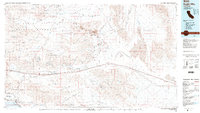 1986 Eagle Mountains1986 Print · USGSRiverside County's high desert was a hub of mining and water infrastructure in the mid-eighties. Genealogists and desert historians can trace remote outposts like Desert Center, early mining sites including the Paymaster Mine, and the vital Coachella Canal.2 unique versions available
 - 2003 Map of Cottonwood Spring, 2004 Print
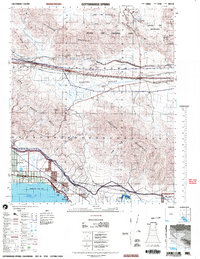 2003 Cottonwood Spring2004 Print · USGSThe northern reaches of the Salton Sea meet the high desert at the turn of the millennium. Trace the early layout of North Shore or locate the Cottonwood Spring and mines hidden within the Cottonwood Mountains.
 - 2012 Map of Mortmar, 2012 Print
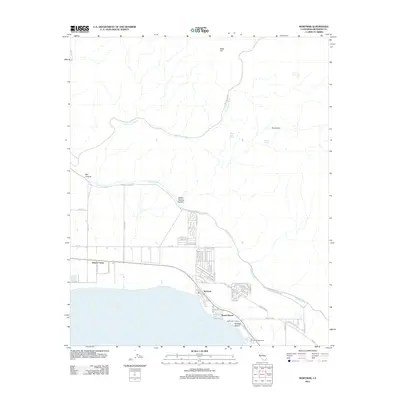 2012 Mortmar2012 Print · USGSThe northern reaches of the Salton Sea in the early twenty-first century reveal a landscape of desert settlements and essential water infrastructure. Trace the residential grids of Mortmar and Desert Beach or follow the path of the vital Coachella Canal.
 - 2012 Map of Mecca, 2012 Print
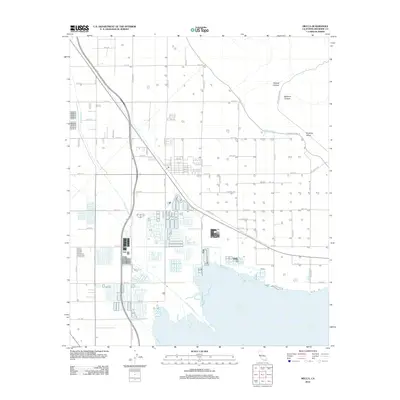 2012 Mecca2012 Print · USGSThe northern shores of the Salton Sea and the agricultural corridors of Riverside County are captured here in the early twenty-first century. Researchers can trace the engineering of the Coachella Canal and explore desert landmarks like Painted Canyon and Surprise Valley.
Showing maps 1-25 of 31
Top cities near Mecca
- Indio historical maps
- Indio historical maps
- Coachella historical maps
- La Quinta historical maps
- Salton City historical maps
Frequently asked questions
- What are the different types of historical maps available for Mecca?
- What is the oldest map of Mecca?
- Where can I purchase historical maps of Mecca for my home or office?
- Where can I download high-res historical maps of Mecca?
- Are there historical topographic maps available for Mecca?
- Is there historical aerial imagery available for Mecca?
- Where are historical maps of Mecca sourced from?