Old Maps of Moreno Valley, California for Metal Detecting
Plan your next treasure hunt with 40 historic maps of Moreno Valley. Find old homesites, ghost towns, trails, and gathering spots that may be lost to time — perfect for identifying promising metal detecting locations.
- Locate forgotten sites: Uncover places like long-lost settlements, abandoned rail lines, or gathering spots.
- Plan better hunts: Use map overlays combined with LiDAR or satellite views to narrow in on historically rich areas.
- Made for detectorists: Thousands of hobbyists use these maps to discover relics, coins, and hidden history.
Use these historic maps to boost your research and find new opportunities beneath the surface of Moreno Valley.
Moreno Valley, CA maps
(40)- 1901 Map of Southern California Sheet No. 1
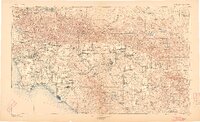 1901 Southern California Sheet No. 11901 Print · USGSGreater Los Angeles at the dawn of the twentieth century is a landscape of growing citrus towns and a burgeoning rail network. Genealogists and historians can trace the early gridded streets of Hollywood and Pasadena or locate landmarks like Bear Lake and the Cahuilla Indian Reservation.6 unique versions available
 - 1901 Map of Elsinore
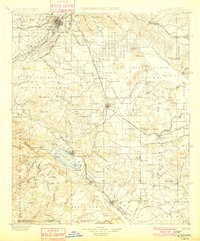 1901 Elsinore1901 Print · USGSRiverside and the Alessandro Valley are shown here during a peak of early mining and rail expansion. Genealogists and historians can trace the Southern California RR through Perris or locate the Alberhill Coal Mine and Indian School.8 unique versions available
 - 1901 Map of Riverside
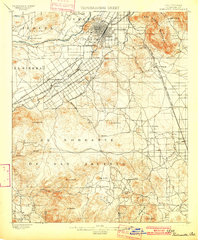 1901 Riverside1901 Print · USGSRiverside and its surrounding rancho lands are seen here at the start of the 1900s as irrigation canals and railroads transformed the valley. Researchers can trace the early city grid and find rural landmarks like the Cajalco Tin Mine, Casa Blanca, and Arlington.6 unique versions available
 - 1904 Map of Southern California Sheet No. 1, 1905 Print
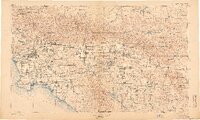 1904 Southern California Sheet No. 11905 Print · USGSSouthern California at the dawn of the twentieth century shows a landscape of citrus groves and coastal towns connected by rail. Genealogists and historians can trace early settlements like San Juan Capistrano, find remote sites like the Rose Mine, and study the original water systems of the Santa Ana River.2 unique versions available
 - 1942 Map of Riverside and Vicinity
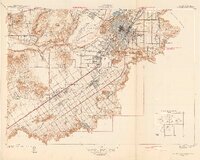 1942 Riverside and Vicinity1942 Print · USGSRiverside and its surrounding citrus lands are captured here during the early years of the war, showing a dense network of railroads and institutional grounds. Genealogists can trace family sites near the County Farm, Sherman Institute, or the Arlington Sta rail junction.2 unique versions available
 - 1942 Map of Riverside, 1959 Print
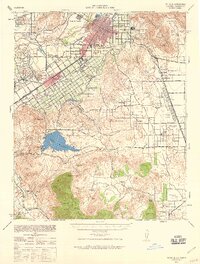 1942 Riverside1959 Print · USGSDuring the early years of the war, the Riverside area balanced its citrus heritage with major military and water projects. Researchers can trace the layout of Camp Haan, family ranchlands like Lawless Ranch, and the Cajalco Tin Mine.2 unique versions available
 - 1942 Map of Perris, 1963 Print
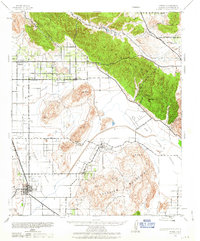 1942 Perris1963 Print · USGSRiverside County at the start of the 1940s was a landscape of rail-connected valley towns and thermal springs. Researchers can trace the early grids of Sunnymead and Moreno or locate historic rural landmarks like Bernasconi Hot Springs and Midland Sch.2 unique versions available
 - 1943 Map of Perris
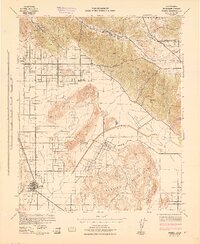 1943 Perris1943 Print · USGSWestern Riverside County comes alive in the 1940s, showing the early rail-and-ranch life of the Inland Empire. Trace local heritage through rural schools like Midland Sch and the natural thermal waters at Bernasconi Hot Springs.
 - 1943 Map of Riverside
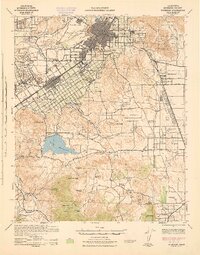 1943 Riverside1943 Print · USGSRiverside and its surrounding ranches are captured here during the Second World War as the region transformed into a major military and citrus hub. Researchers can trace family ranch boundaries like Wagonwheel Ranch or locate institutional landmarks like the Sherman Institute and Camp Haan.
 - 1947 Map of Santa Ana, 1949 Print
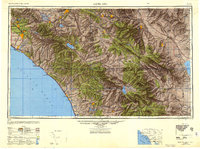 1947 Santa Ana1949 Print · USGSSouthern California is depicted here in the late forties, showing the expansion of the Inland Empire and the Orange County coast. Researchers can trace the early layout of Palm Springs or locate long-standing tribal lands like the Pala Indian Reservation and Rincon Indian Res.
 - 1949 Map of Santa Ana
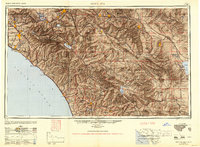 1949 Santa Ana1949 Print · USGSSouthern California underwent a profound transformation in the late 1940s as military installations and citrus groves shared the landscape. Researchers can trace early coastal growth at Laguna Beach, military history at Camp Pendleton, and the rail corridors of the Pacific Electric.
 - 1953 Map of El Casco, 1954 Print
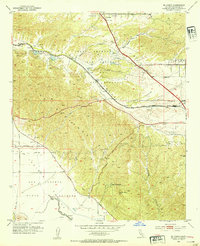 1953 El Casco1954 Print · USGSRiverside County in the early fifties shows a transition from sprawling land grants to organized settlements along the Southern Pacific rail line. Genealogists and local historians can trace the foundations of Calimesa and find long-standing landmarks like Eden Hot Springs and El Casco Lake.3 unique versions available
 - 1953 Map of Perris, 1954 Print
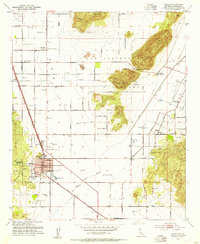 1953 Perris1954 Print · USGSMid-century Riverside County comes into focus as the valley floor around Perris and Nuevo balances ranching with military and water infrastructure. Genealogists can trace local landmarks like Palomar Sch for Boys, Lakeview Hot Springs, and the Cemetery.2 unique versions available
 - 1953 Map of Sunnymead, 1954 Print
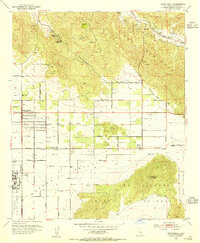 1953 Sunnymead1954 Print · USGSThe Inland Empire at the start of the 1950s shows the emerging suburban grid of the Moreno Valley alongside military and mountain landscapes. Researchers can trace the layout of March Air Force Base and find local landmarks like the New Midland Sch or the Boy Scout Camp.3 unique versions available
 - 1953 Map of Riverside East, 1955 Print
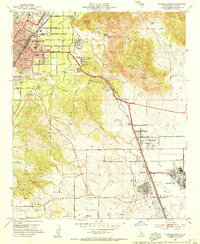 1953 Riverside East1955 Print · USGSRiverside was evolving from a citrus center into a strategic military and educational hub during the mid-fifties. Researchers can trace the layout of March Air Force Base, early campuses like UC Riverside, and local schools such as Fairmont Sch.2 unique versions available
 - 1956 Map of Santa Ana
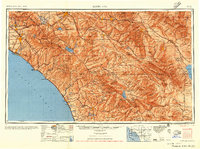 1956 Santa Ana1956 Print · USGSSouthern California underwent massive mid-century transformation as suburban growth met major military and water projects. Trace the postwar expansion of Santa Ana and Riverside, the layout of Camp Pendleton, and the path of the Colorado River Aqueduct.
 - 1959 Map of Santa Ana, 1971 Print
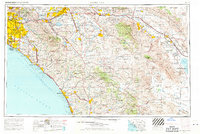 1959 Santa Ana1971 Print · USGSSouthern California is captured in a decade of transformation, from the Orange County coast to the desert floor. Researchers can trace the mid-century footprints of Camp Pendleton, March Air Force Base, and the original Ortega Highway.3 unique versions available
 - 1960 Map of Santa Ana
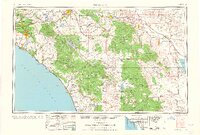 1960 Santa Ana1960 Print · USGSSouthern California's coastal plains and inland deserts meet in this mid-century survey of the burgeoning Orange and Riverside county corridors. Researchers can trace the layout of early freeway systems, find tribal lands like the Soboba Indian Reservation, and locate military landmarks such as March Field.2 unique versions available
 - 1965 Map of Santa Ana
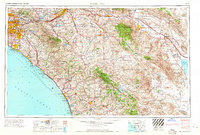 1965 Santa Ana1965 Print · USGSSouthern California is captured in a decade of rapid growth, showing the coastal expansion from Santa Ana down to Oceanside. Genealogists and historians can trace the mid-century development of places like Garden Grove or the rural reaches of Escondido and the Palomar Observatory.
 - 1967 Map of El Casco, 1968 Print
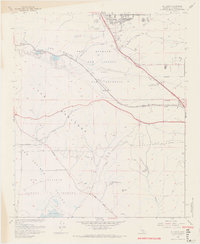 1967 El Casco1968 Print · USGSRiverside County at the peak of the sixties shows a landscape of developing towns and steep canyon passes. Genealogists and historians can trace Eden Hot Springs, the Southern Pacific rail route, and local landmarks like El Casco Lake or the Forest Lawn Memorial Gardens.6 unique versions available
 - 1967 Map of Sunnymead, 1968 Print
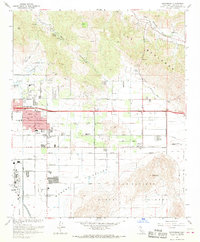 1967 Sunnymead1968 Print · USGSRiverside County enters a period of suburban expansion and military readiness in the late sixties as the Inland Empire begins to transform. Researchers can trace local development through Sunnymead Sch, the industrial presence of March Air Force Base, and the winding paths of Reche Canyon.5 unique versions available
 - 1967 Map of Perris, 1969 Print
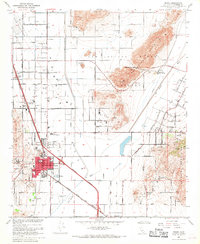 1967 Perris1969 Print · USGSThe Perris Valley in the late 1960s shows a landscape of military aviation, railroad spurs, and early desert settlements. Genealogists and historians can locate Perris Cem, the Perris Valley Airport, and old schools like Val Verde Sch.4 unique versions available
 - 1967 Map of Riverside East, 1969 Print
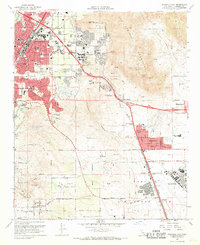 1967 Riverside East1969 Print · USGSRiverside's post-war suburban bloom is captured here as neighborhoods like Edgemont and Sunnymead expand toward the mountains. Trace the foundations of March Air Force Base and the University of California Riverside at a pivotal moment for the region.6 unique versions available
 - 1983 Map of Santa Ana
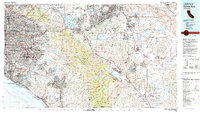 1983 Santa Ana1983 Print · USGSCoastal Orange County meets the Inland Empire in the early eighties as suburban growth accelerates through the SANTA ANA MOUNTAINS. Researchers can trace institutional and military history at MARCH AIR FORCE BASE, locate the Santiago Coal Mine, or find family sites near Fairhaven Cem.
 - 2012 Map of El Casco, 2012 Print
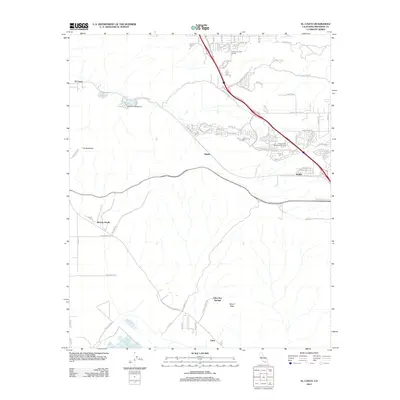 2012 El Casco2012 Print · USGSRiverside County at the turn of the millennium reveals a landscape where canyon roads meet growing residential corridors. Genealogists and local historians can trace the developments around Forest Lawn Memorial Gardens, Eden Hot Springs, and the waters of El Casco Lake.
Showing maps 1-25 of 40
Top cities near Moreno Valley
- Riverside historical maps
- Fontana historical maps
- Rialto historical maps
- Jurupa Valley historical maps
- Menifee historical maps
- Hemet historical maps
See more
Top neighborhoods of Moreno Valley
- Goldenfields historical maps
- Edgemont historical maps
- Serrano Heights historical maps
- Moreno historical maps
- Sunnymead historical maps
- Cobblestone historical maps
Frequently asked questions
- What are the different types of historical maps available for Moreno Valley?
- What is the oldest map of Moreno Valley?
- Where can I purchase historical maps of Moreno Valley for my home or office?
- Where can I download high-res historical maps of Moreno Valley?
- Are there historical topographic maps available for Moreno Valley?
- Is there historical aerial imagery available for Moreno Valley?
- Where are historical maps of Moreno Valley sourced from?