Old Maps of Jims Camp, California for Academic Research
Study the evolution of Jims Camp with 16 high-resolution historic maps. Whether you're teaching, researching, or modeling changes in land use, these maps provide essential visual documentation of urban, environmental, and geographic change.
- Analyze long-term change: Track patterns in development, transportation, and natural features.
- Ideal for environmental or urban studies: Support academic projects with primary historical map data.
- Use in the classroom or lab: Educators and researchers rely on these maps to bring historical context to life.
These maps are a powerful tool for teaching, research, and visualizing how Jims Camp has changed over the decades.
Jims Camp, CA maps
(16)- 1886 Map of Shasta
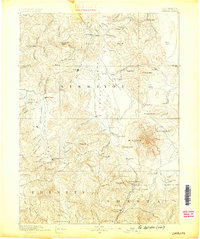 1886 Shasta1886 Print · USGSUpper California in the mid-1880s is captured here during the height of the mining era and the early days of mountain tourism. Genealogists can locate family holdings near Yreka, trace river crossings like the ferry at Oaks Bar, or find early resorts at Upper Soda Spring.3 unique versions available
 - 1894 Map of Shasta, 1903 Print
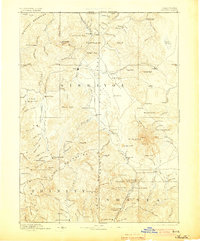 1894 Shasta1903 Print · USGSNorthern California at the turn of the century reveals a landscape defined by the shadow of Mt Shasta and a booming mining economy. Genealogists can trace family roots through pioneer settlements like Yreka, Fort Jones, and the Callahan Ranch as the frontier transitioned into a network of established ranching and timber hubs.8 unique versions available
 - 1932 Map of Yreka
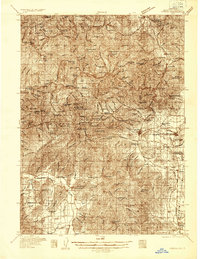 1932 Yreka1932 Print · USGSSiskiyou County at the dawn of the 1930s shows a landscape of mountain mining claims and developing valley towns. Genealogists can trace family roots through numerous rural school districts like Lane Star Sch and mining sites including the Norma Mine and McKinley Mine.
 - 1939 Map of Yreka
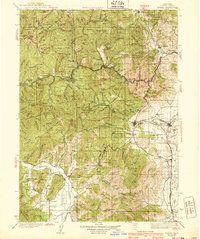 1939 Yreka1939 Print · USGSSiskiyou County's mining and ranching valleys are captured here in the late 1930s, showing the early infrastructure of the Klamath River corridor. Trace the old rail stops at Hornbrook and Montague or locate family-named sites like Shasta River Sch and Cinnabar Mine.2 unique versions available
 - 1948 Map of Weed, 1950 Print
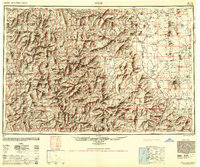 1948 Weed1950 Print · USGSNorthern California and Southern Oregon are captured here during the post-war era, documenting the mountain-and-valley economies of the Klamath and Cascade ranges. Trace the legacy of local mining and timber at the King Solomon Mine, find old schools like Siskiyou County School, and follow the historic Southern Pacific RR route.2 unique versions available
 - 1950 Map of Weed
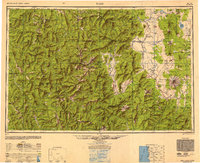 1950 Weed1950 Print · USGSSiskiyou County and the surrounding Klamath mountains appear in the mid-century before extensive modern development. Genealogists and local historians can locate remote outposts like the Lee Brown Ranch and the specialized settlement of Darlingtonia.
 - 1955 Map of Hornbrook, 1957 Print
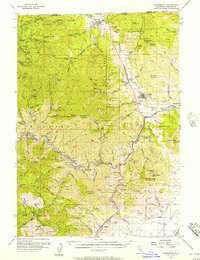 1955 Hornbrook1957 Print · USGSThe Siskiyou County borderlands come to life in the mid-fifties, showing a landscape defined by the Southern Pacific rails and river-bar mining. Genealogists and historians can trace the foundations of Gottville, find the Honolulu School, or locate the numerous family-named mines like the Winget Mine.3 unique versions available
 - 1958 Map of Weed, 1963 Print
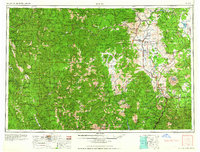 1958 Weed1963 Print · USGSThe Northern California high country of the late fifties is defined by the towering presence of Mt Shasta and the logging railroads of the Siskiyou range. Genealogists and researchers can trace remote mining sites like the China Mine and mountain settlements such as Sawyers Bar and Seiad Valley.3 unique versions available
 - 1963 Map of Weed
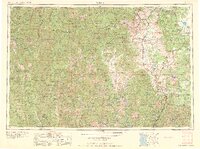 1963 Weed1963 Print · USGSNorthern California during the early 1960s shows a landscape of steep mountain ranges and river-fed valleys at the height of the timber era. Researchers can trace the routes of the McCloud River RR, locate remote sites like the Holiday Mine, or find ancestral markers at the Scott Valley Cem.
 - 1979 Map of Yreka
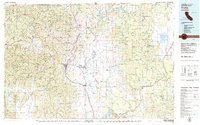 1979 Yreka1979 Print · USGSSiskiyou County in the late seventies is a rugged landscape of deep river canyons and high mountain valleys where logging and mining history meet. Genealogists and researchers can trace old rail stops and mining sites like Klamathon, Negro Boy Mine, and the settlement of Mugginsville.
 - 1983 Map of Hawkinsville, 1984 Print
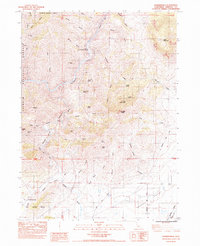 1983 Hawkinsville1984 Print · USGSNorthern California's mining and river landscapes are captured here in the early eighties as the Shasta Valley meets the forest. Researchers can trace historical extraction sites like the Negro Boy Mine and Union Mine or follow the route of the Southern Pacific railroad.
 - 2001 Map of Hawkinsville, 2004 Print
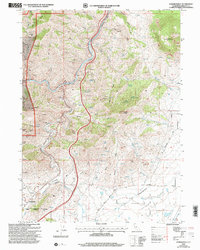 2001 Hawkinsville2004 Print · USGSSiskiyou County at the start of the millennium reveals a rugged landscape of mining history and river confluences. Researchers can trace the heritage of the Negro Boy Mine and Union Mine or locate the small settlements of Riverview and Hawkinsville.
 - 2012 Map of Hawkinsville, 2012 Print
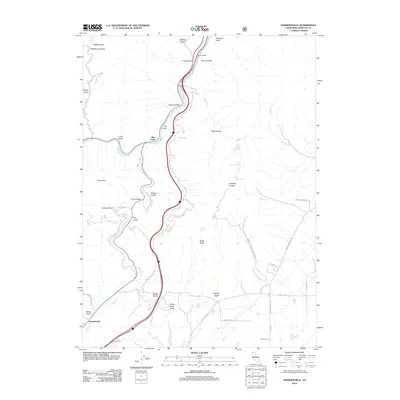 2012 Hawkinsville2012 Print · USGSSiskiyou County's rugged river country is captured here during the early twenty-first century, showing the meeting of the Klamath River and Shasta River. Genealogists and local historians can trace the roads around Hawkinsville, locate the crossing at Pioneer Bridge, or find family-named landmarks like Carson Gulch.
 - 2015 Map of Hawkinsville, 2015 Print
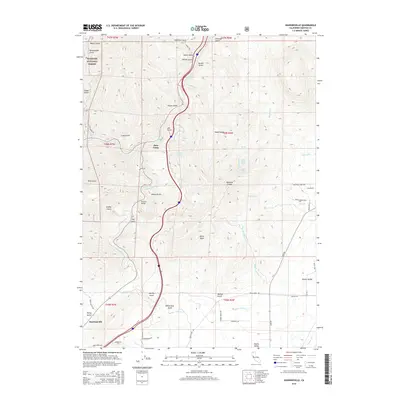 2015 Hawkinsville2015 Print · USGSSiskiyou County is shown in this recent survey during a period of modern growth near the Oregon border. Genealogists and hikers can trace local landmarks like Hawkinsville, the Pioneer Bridge over the Shasta River, and family-named features like Dutch Gulch.
 - 2018 Map of Hawkinsville, 2018 Print
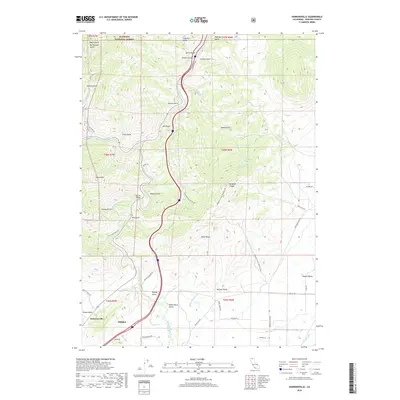 2018 Hawkinsville2018 Print · USGSSiskiyou County's rugged canyonlands and the northern reach of Yreka are captured here as the region continues to grow. Trace the local topography through named landmarks like Hawkinsville, the Pioneer Bridge, and the heights of Paradise Craggy.
 - 2022 Map of Hawkinsville, 2022 Print
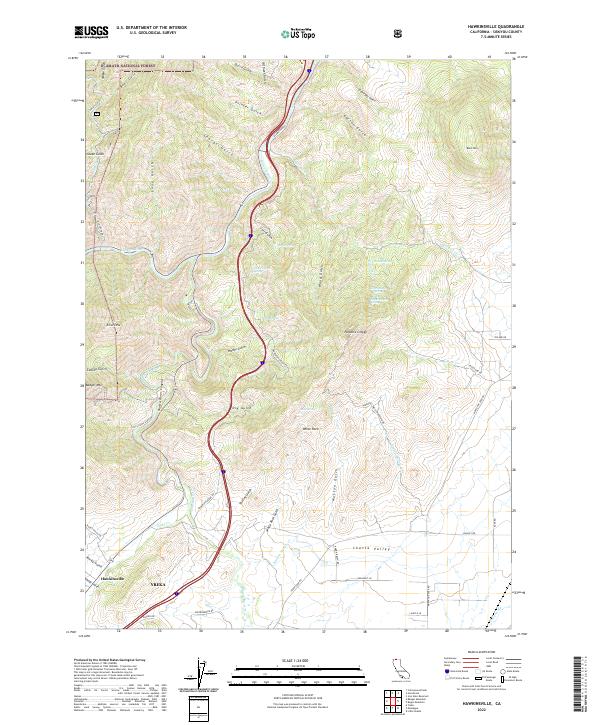 2022 Hawkinsville2022 Print · USGSSiskiyou County's high country and river valleys come to life in this survey of the northern edge of the Shasta Valley. Trace the winding paths of the Shasta River Canyon and locate the historic settlement at Hawkinsville or the rugged outcrops of Paradise Craggy.
End of results
Showing maps 1-16 of 16
Top cities near Jims Camp
Frequently asked questions
- What are the different types of historical maps available for Jims Camp?
- What is the oldest map of Jims Camp?
- Where can I purchase historical maps of Jims Camp for my home or office?
- Where can I download high-res historical maps of Jims Camp?
- Are there historical topographic maps available for Jims Camp?
- Is there historical aerial imagery available for Jims Camp?
- Where are historical maps of Jims Camp sourced from?