Old Maps of Sunshine Camp, California
Explore 16 old maps of Sunshine Camp, spanning from 1893 to today. These high-resolution historic maps reveal how streets, neighborhoods, landmarks, and natural features evolved over time — perfect for genealogy, metal detecting, research, and local history exploration.
What you can do with these maps:
- See how Sunshine Camp changed over time: Compare historical maps to modern-day views to trace roads, homesites, rail lines & more.
- View detailed metadata: Each map includes creators, publishers, year, scale, and archive source.
- Overlay maps with satellite & LiDAR: Visualize the past alongside modern tools to explore terrain & human change.
- Trusted historical sources: Maps sourced from the USGS, Library of Congress, and other archives.
- Access maps your way: View online, download high-res files, or order prints for personal or research use.
Start exploring old maps of Sunshine Camp to uncover forgotten places, hidden landmarks, and the deep history beneath your feet.
Sunshine Camp, CA maps
(16)- 1893 Map of Sonora
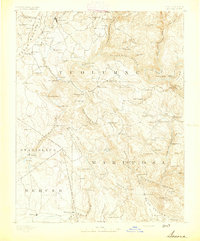 1893 Sonora1893 Print · USGSThe Mother Lode region comes alive in the early 1890s, showing a landscape defined by mining camps and early river crossings before the big dams. Genealogists and historians can trace old settlements like Chinese Camp and Big Oak Flat, or locate industrial sites like the Olsen Mine and Hobron Mill.
 - 1896 Map of Sonora
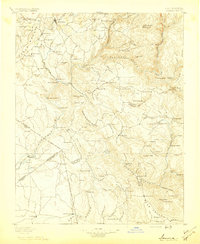 1896 Sonora1896 Print · USGSThe Mother Lode gold country is shown in the late nineteenth century as mining towns and river crossings defined the Sierra Nevada foothills. Genealogists and researchers can trace early routes through Chinese Camp and Coulterville, or locate industrial sites like the Red Cloud Mine and Benton Mill.
 - 1897 Map of Sonora
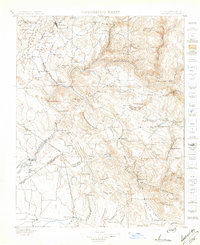 1897 Sonora1897 Print · USGSThe Mother Lode region at the close of the nineteenth century is revealed here through its gold-country towns and rugged mining infrastructure. Trace the early footprints of Sonora, Coulterville, and Hornitos alongside sites like the Red Cloud Mine and Ward Ferry.8 unique versions available
 - 1898 Map of Sonora, 1932 Print
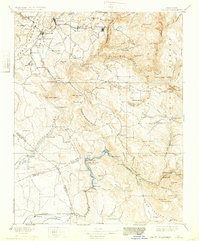 1898 Sonora1932 Print · USGSThe Mother Lode region at the close of the nineteenth century reveals a complex world of river dams and mining camps. Genealogists can trace family names at Chinese Camp or Soulsbyville and locate early industry at the Red Cloud Mine and Bandarita Mine.
 - 1947 Map of San Jose, 1948 Print
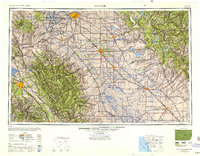 1947 San Jose1948 Print · USGSNorthern California's heartland is captured here just after the war, showing the rapid growth of the Santa Clara and Central Valleys. Researchers can trace the legacy of rail and water at Castle Air Force Base, Stockton, and the Hetch Hetchy Aqueduct.
 - 1948 Map of Sonora, 1962 Print
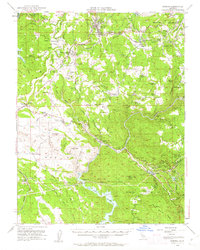 1948 Sonora1962 Print · USGSTuolumne County's Mother Lode country comes alive in this post-war survey of the Sierra Foothills. Researchers can trace the path of the Sierra RR, locate the Harvard Mine, and explore historic communities from Chinese Camp to Soulsbyville.2 unique versions available
 - 1948 Map of Standard, 1964 Print
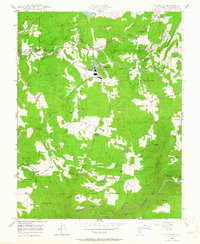 1948 Standard1964 Print · USGSTuolumne County’s timber and mining heritage is on full display in the late 1940s. Genealogists and historians can trace the Sierra RR through Standard, locate family landmarks like Gandolfo Ranch, and find old sites such as Morgan Chapel.3 unique versions available
 - 1949 Map of Standard
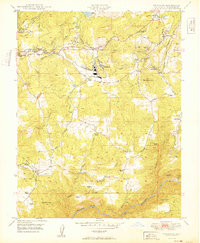 1949 Standard1949 Print · USGSThe Sierra Nevada foothills come alive in the late 1940s, highlighting the industrial intersections of Tuolumne County. Genealogists and historians can trace family-named sites like McNutt Ranch and the mining legacy of Soulsbyville or the Chickenfeed Mine.2 unique versions available
 - 1956 Map of San Jose
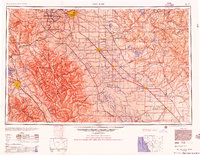 1956 San Jose1956 Print · USGSCentral California in the mid-fifties reveals the transition from sprawling orchards to growing urban hubs like San Jose and Stockton. Genealogists and historians can trace the rail-era landscape of the Mother Lode through Chinese Camp and Tuttletown, or follow the water through the Joaquin River and Calaveras Reservoir.
 - 1962 Map of San Jose
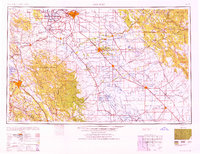 1962 San Jose1962 Print · USGSCentral California in the early sixties showcases the expansion of the San Joaquin and Santa Clara valleys. Researchers can trace the rail-to-road transition along the Southern Pacific RR or locate landmarks like Castle USAF Base and Loma Prieta.4 unique versions available
 - 1966 Map of San Jose
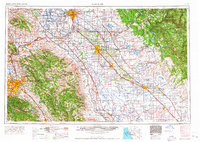 1966 San Jose1966 Print · USGSCentral California in the mid-1960s reveals a landscape of massive irrigation projects and expanding Cold War military footprints. Researchers can trace the rail-and-river network of the San Joaquin Valley or locate specialized sites like Castle Air Force Base and the Sharp General Depot (Military).
 - 1994 Map of Oakdale, 1995 Print
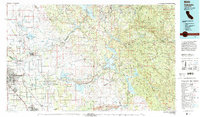 1994 Oakdale1995 Print · USGSThe San Joaquin Valley meets the Sierra foothills in the mid-1990s, where massive reservoirs and canal networks fueled California's agricultural heartland. Researchers can trace the Hetch Hetchy Aqueduct, find the Sierra RR, and locate the Riverbank Army Ammunition Plant.2 unique versions available
 - 2012 Map of Standard, 2012 Print
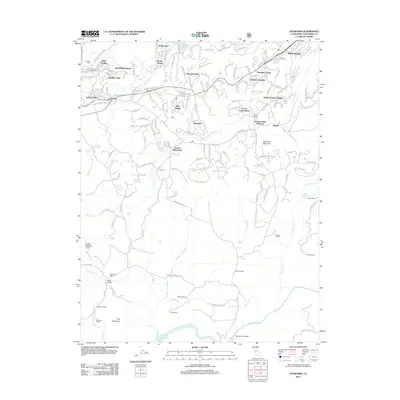 2012 Standard2012 Print · USGSTuolumne County's residential ranch lands and historic water ditches are shown here as they appeared in the early 2010s. Researchers can trace family ranch holdings like Richards Ranch or locate local landmarks including Mountain Shadow Cem and the Wards Ferry Bridge.
 - 2015 Map of Standard, 2015 Print
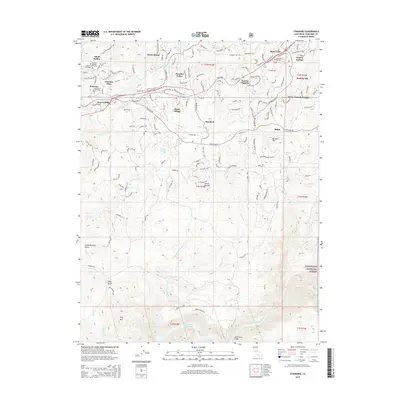 2015 Standard2015 Print · USGSTuolumne County's gold-country legacy is visible in this mid-2010s survey of the foothills near Sonora and Soulsbyville. Genealogists and historians can trace residential growth and old water systems like the Phoenix Ditch or locate the Mountain Shadow Catholic Cemetery.
 - 2018 Map of Standard, 2018 Print
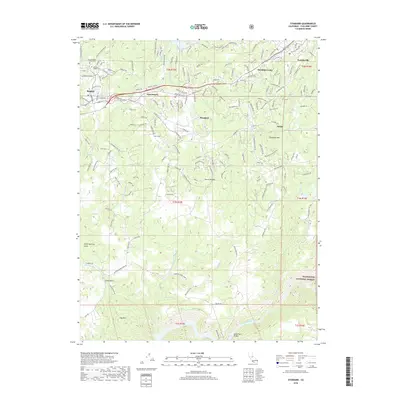 2018 Standard2018 Print · USGSTuolumne County in the twenty-first century reveals a complex network of foothill settlements and water infrastructure. Genealogists and historians can trace local family landmarks from the Saint Patrick's Catholic Cem down to the Wards Ferry Bridge on the Tuolumne River.
 - 2021 Map of Standard, 2021 Print
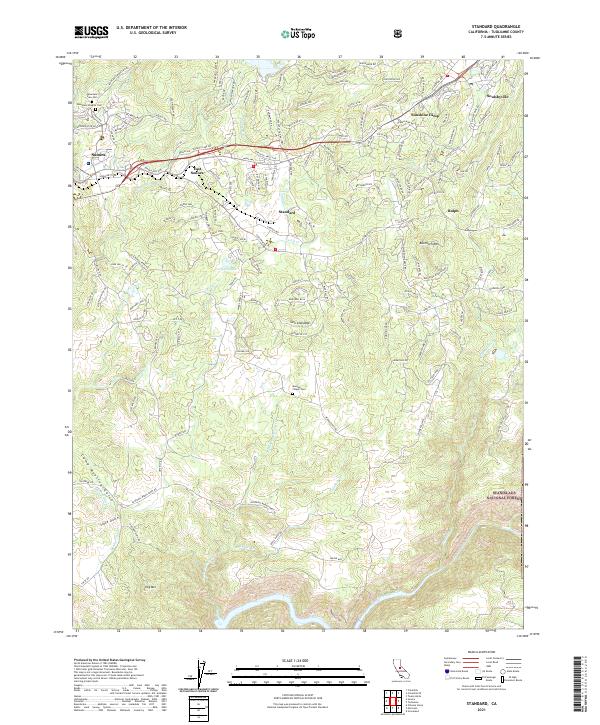 2021 Standard2021 Print · USGSThe Mother Lode foothills near Sonora come to life in this recent survey, showcasing a landscape shaped by water and rail history. Trace the winding Sierra RR through Standard or locate historic burial sites at Morgan Chapel Cem and Mountain View Cem.
End of results
Showing maps 1-16 of 16
Top cities near Sunshine Camp
- Sonora historical maps
- Jamestown historical maps
- Sonora Meadows historical maps
- Groveland historical maps
Frequently asked questions
- What are the different types of historical maps available for Sunshine Camp?
- What is the oldest map of Sunshine Camp?
- Where can I purchase historical maps of Sunshine Camp for my home or office?
- Where can I download high-res historical maps of Sunshine Camp?
- Are there historical topographic maps available for Sunshine Camp?
- Is there historical aerial imagery available for Sunshine Camp?
- Where are historical maps of Sunshine Camp sourced from?